Dental hygiene

Zirconium Crown in Turkey

Zirconium Crown in Turkey is a popular restorative and cosmetic dentistry option for patients who want a durable, metal-free crown with a natural appearance. At Livera Clinic, a premium dental clinic in Istanbul, zirconium crowns are planned digitally, shade-matched carefully, and produced with modern CAD/CAM workflows to create restorations that combine strength, aesthetics, and long-term comfort.

Zirconium has become one of the most widely used crown materials because it offers a strong balance between beauty and function. It can be suitable for both front and back teeth, depending on the case, and is especially valued by patients who want to avoid the grey gum-line effect sometimes associated with older metal-based restorations.

What Is a Zirconium Crown?

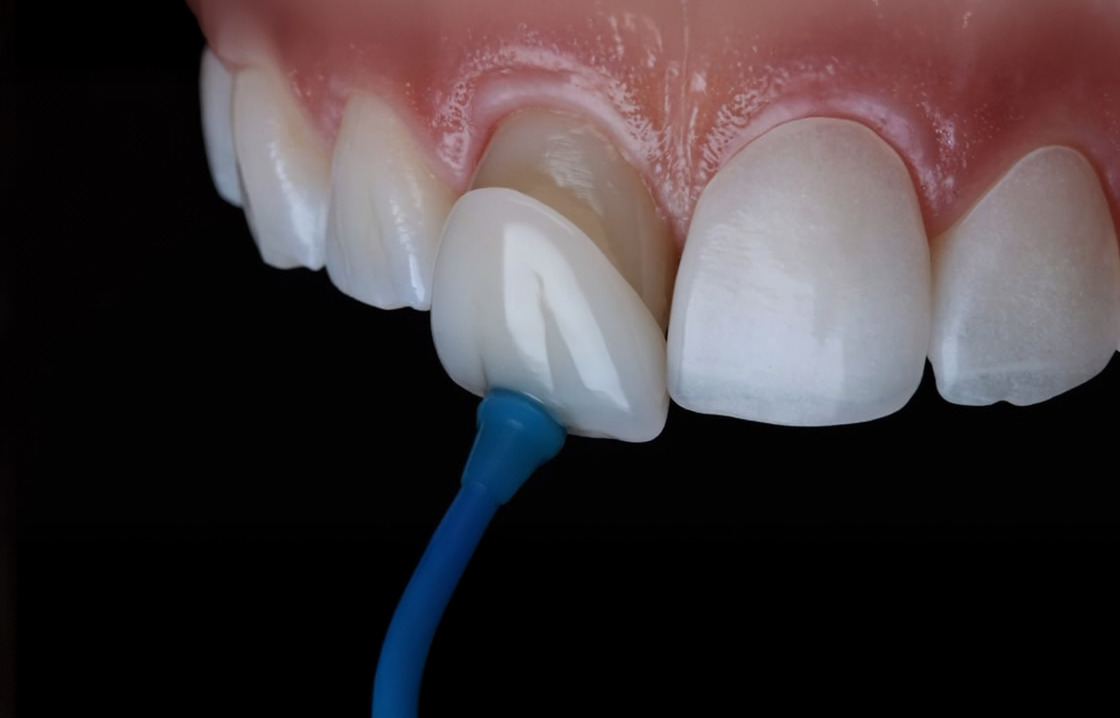
Zirconium crowns are metal-free ceramic restorations used to cover and protect teeth that are damaged, heavily restored, aesthetically compromised, or structurally weakened. They are designed to restore both function and appearance, making them one of the most common options in modern restorative dentistry.

One of the main reasons zirconium is so widely used is that it combines strength with a more natural look than traditional metal-supported crowns. Because there is no metal core, the crown can appear more lifelike and can blend better with the surrounding teeth and gum tissues, especially in visible areas of the smile.

For patients looking for a crown that feels modern, durable, and aesthetically refined, zirconium is often one of the first materials considered.

Characteristics of Zirconium Dental Crowns

Zirconium crowns stand out because they offer a strong combination of aesthetic and mechanical benefits. This makes them suitable for many different types of restorations, from smile-zone cosmetic work to full-coverage crowns in areas that experience greater chewing pressure.

  • Natural appearance: Their light-transmitting quality helps them resemble real teeth more closely than many older crown systems.
  • High durability: They are resistant to fractures and wear, which makes them useful in areas exposed to strong biting forces.
  • Biocompatibility: Zirconium is generally well tolerated by oral tissues and is suitable for patients who want a metal-free option.
  • Metal-free structure: It avoids the dark gum-line shadow sometimes seen with older metal-based restorations.
  • Long-term stability: With proper planning and care, zirconium crowns can remain functional and aesthetic for many years.

These qualities make zirconium especially appealing for patients who want both reliable strength and a more natural cosmetic result.

How Is a Zirconium Crown Made?

The zirconium crown procedure begins with a detailed examination of the tooth, surrounding tissues, bite, and aesthetic goals. The dentist evaluates whether the tooth is suitable for a zirconium crown and whether any additional treatment is needed first, such as root canal therapy, gum management, or replacement of failing restorations.

Once the case is planned, the tooth is prepared to create space for the crown. A digital scan or impression is then taken so the crown can be designed accurately. In the laboratory, zirconium restorations are fabricated using digital systems that support a precise fit and controlled shape. Once ready, the crown is tried in, adjusted if needed, and finally bonded or cemented in place.

The quality of the final result depends not only on the material, but also on preparation design, occlusion, margin accuracy, and laboratory execution.

Procedure Steps and Materials Used

  • Examination and planning: The tooth, smile line, and oral health condition are evaluated.
  • Digital impression: A scan or conventional impression is taken to record the tooth accurately.
  • Tooth preparation: The tooth is shaped so the zirconium crown can fit securely and naturally.
  • Temporary crown: A temporary restoration is often placed while the final crown is being made.
  • Laboratory process: The crown is milled from zirconium using CAD/CAM technology.
  • Application: The final crown is fitted, adjusted, and cemented or bonded into place.

Different zirconium systems may be used depending on the clinical need. Some offer greater strength, while others prioritise translucency and front-tooth aesthetics.

Treatment Duration and Recovery Process

Zirconium crown treatment is usually completed in a short series of visits, although the exact timeline depends on how many crowns are needed, whether digital smile planning is involved, and if any additional treatment must be completed first. A single-tooth restoration may be relatively straightforward, while larger cosmetic or restorative cases may require more appointments.

After placement, patients may notice some temporary sensitivity or awareness of the new crown, especially when biting. This usually settles within a few days as the bite and soft tissues adapt. If the crown feels too high or uncomfortable, a simple adjustment can often solve the issue quickly.

Long-term comfort depends on the accuracy of the fit, the quality of oral hygiene, and regular professional reviews.

Advantages of Zirconium Crowns

The biggest advantage of zirconium crowns is that they can provide full coverage and high durability without sacrificing aesthetics as much as older crown systems sometimes did. This makes them a strong option for patients who need structural support but still care deeply about how the final result looks.

They are also especially useful in cases where patients want a metal-free crown solution. For many people, the absence of a dark underlying metal structure is one of the most noticeable improvements over older restorations.

  • Strong and durable: Suitable for teeth exposed to significant chewing forces.
  • Good aesthetics: Offers a natural-looking result with better tissue harmony than metal-based systems.
  • Metal-free: No grey line at the gum margin in typical cases.
  • Biocompatible: Generally well tolerated by the gums and surrounding tissues.
  • Versatile: Can be used in both restorative and cosmetic treatment plans.

Zirconium crown treatment in Turkey at Livera Clinic

Zirconium vs E-Max

Zirconium and E-Max are both premium metal-free ceramic options, but they are used differently depending on the case. Zirconium is often selected where greater strength and coverage are required. E-Max is often chosen when a more enamel-like translucency is the main priority, especially in highly visible front teeth.

This does not mean one is universally better than the other. It means the right material depends on the condition of the tooth, the amount of load it will carry, and the aesthetic demands of the case.

Feature Zirconium E-Max
Strength Generally higher in many crown cases Strong, but more case-dependent
Front-tooth aesthetics Very good Excellent
Suitability in heavier load zones Often preferred Depends on the case
Metal-free Yes Yes

You can also compare options on our E-Max crown page.

Who Is a Good Candidate for Zirconium Crowns?

Good candidates for zirconium crowns include patients with teeth that are heavily restored, structurally weakened, root canal treated, discoloured, or in need of a full-coverage restoration that also looks aesthetic. They are also suitable for patients replacing old metal-supported crowns with a more modern, natural-looking alternative.

Zirconium is often a strong option for patients who want durability without giving up a refined smile appearance. It may also be part of a larger treatment plan that includes several crowns, smile rehabilitation, or cosmetic upgrades.

When Might Zirconium Not Be the Best Option?

Although zirconium is highly versatile, it is not automatically the best material for every tooth. In cases where the tooth is mostly intact and the goal is a very conservative front-tooth enhancement, a veneer or a more translucent material may be the better choice. Likewise, if the underlying problem is not cosmetic but biological, the tooth may need other treatment first.

Material choice should always be based on diagnosis. The best result comes from selecting the crown type that fits the tooth, the bite, and the patient’s goals, not from applying one material to every case.

Zirconium Crown Prices: Country Comparison

The cost of zirconium crowns depends on how many teeth are being treated, the complexity of the restorative plan, the zirconium system used, and the level of laboratory and digital planning involved. A single crown case is very different from a multi-unit smile restoration.

Country Average Price (EUR) Notes
Turkey 270 – 400 Affordable treatment option
Germany 500 – 700 High-quality applications with modern systems
USA 900 – 1,200 Premium materials and comprehensive treatment
United Kingdom 700 – 1,000 Aesthetic-focused treatment by specialist dentists

These values are general comparisons rather than fixed fees. Final treatment cost depends on diagnosis, preparation needs, temporary crowns, and how many teeth are included in the plan.

Why Choose Turkey for Zirconium Crowns?

Turkey has become a leading destination for aesthetic and restorative dentistry because many clinics combine digital workflows, private clinical infrastructure, and more accessible pricing than patients often find in the UK, Europe, or the US. For zirconium crowns, this means many patients can access premium metal-free restorations with a clearer and more efficient treatment process.

Patients travelling to Istanbul often value not just the cost advantage, but also the ability to combine consultation, diagnostics, crown preparation, and fitting in a structured treatment plan. That can make the overall experience much easier to manage.

Why Choose Livera Clinic?

At Livera Clinic, zirconium crowns are planned with close attention to fit, smile harmony, bite function, and material suitability. A crown should not only look good on the day it is placed. It should feel comfortable, support healthy soft tissues, and remain stable over time.

If you are considering Zirconium Crown in Turkey, the first step is understanding whether zirconium is the right material for your specific case. In some patients it is the ideal option. In others, another ceramic system or a more conservative treatment may be more appropriate. That is why proper assessment always comes first.

Frequently Asked Questions About Zirconium Crowns

How long does zirconium crown treatment take?

The treatment usually takes more than one appointment because tooth preparation, impressions, laboratory production, and fitting all need to be completed. More extensive cases may require additional visits.

How long do zirconium crowns last?

With proper oral hygiene, regular check-ups, and a well-balanced bite, zirconium crowns can last for many years. Their lifespan depends on hygiene, grinding habits, and the quality of the treatment.

Do zirconium crowns look like natural teeth?

Yes, when they are properly designed and shade-matched, they can blend very well with natural teeth. Their metal-free structure helps create a more natural gum and light effect.

What are the differences between porcelain and zirconium crowns?

Zirconium crowns are metal-free and generally stronger than older metal-supported porcelain systems. They also tend to offer better gum-line aesthetics and a more modern ceramic appearance.

What is the difference between a dental implant and a zirconium crown?

A dental implant replaces a missing tooth root inside the bone. A zirconium crown covers an existing tooth or is sometimes placed on top of an implant as the visible restoration. They are different components used in different clinical situations.

Can zirconium crowns be used on front teeth?

Yes. Zirconium crowns can be used on front teeth, especially when a full-coverage restoration is needed and aesthetics remain important. The exact zirconium type used may vary depending on the cosmetic demands of the case.

Do zirconium crowns stain over time?

Zirconium is resistant to staining, especially compared with natural enamel. However, good oral hygiene is still important to maintain the appearance of the teeth and surrounding gums.

Can zirconium crowns be used after root canal treatment?

Yes, they are commonly used in teeth that have undergone root canal treatment when additional structural support and full coverage are needed.

Will I need temporary crowns first?

In many cases, yes. Temporary crowns help protect the prepared teeth and maintain appearance while the final zirconium restorations are being fabricated.

What if I grind my teeth?

If you grind or clench your teeth, your dentist may recommend a night guard after treatment. Grinding can affect the long-term performance of any crown, including zirconium.