Contentsexpand_more
- When Do Baby Teeth Fall Out?
- The Order in Which Baby Teeth Fall Out
- How Permanent Teeth Come In
- How to Handle a Loose Tooth
- When You See a Double Row of Teeth
- What Happens If a Baby Tooth Falls Out Early
- What If Baby Teeth Fall Out Late
- Caring for the Mouth While Teeth Change
- When to See a Dentist
- Frequently Asked Questions
- Is it normal for the gum to bleed when a baby tooth falls out?
- When does the permanent tooth appear after a baby tooth falls out?
- Does a decayed baby tooth have to be removed?
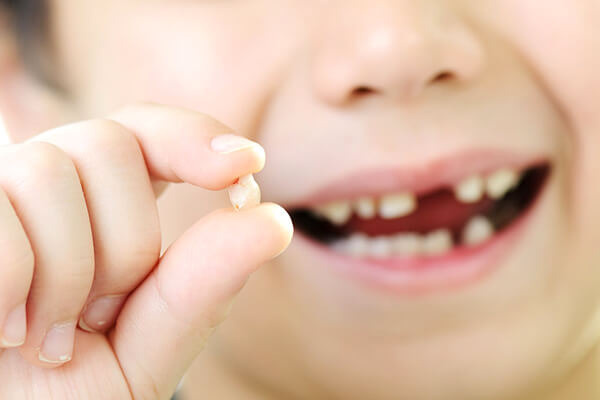
When a child opens their mouth one morning and announces that a tooth is wobbly, parents usually feel excited and a little curious at the same time. Losing baby teeth is one of the best known milestones of childhood, and it normally goes smoothly. Still, the same questions come up again and again: when does it start, which tooth goes first, and is a late tooth something to worry about?
This article explains at what ages baby teeth usually fall out, in which order, how to deal with a loose tooth and when it makes sense to see a dentist. The ages given are averages, and every child moves at their own pace.
When Do Baby Teeth Fall Out?
Baby teeth generally begin to fall out around the age of six. The process continues until about twelve, and the twenty baby teeth are replaced one by one by permanent teeth. Some children start to wobble their first tooth at five and a half, while others reach seven before anything moves. A gap of a year or two is usually considered normal.
Several things can influence the timing. Family history plays a part, because children whose parents lost their teeth late may do the same. On average, girls tend to start a little earlier than boys. Nutrition, general health and jaw growth can also shift the schedule.
The Order in Which Baby Teeth Fall Out
Teeth usually fall out in roughly the same order in which they appeared. The front teeth go first, followed by the side teeth and finally the back teeth. The table below shows average ages, and individual differences are normal.
| Tooth group | Average age of loss |
|---|---|
| Lower and upper central incisors | 6 to 7 years |
| Lower and upper lateral incisors | 7 to 8 years |
| First baby molars | 9 to 11 years |
| Canines | 9 to 12 years |
| Second baby molars | 10 to 12 years |
The first tooth to go is often a lower central incisor. The upper central incisors follow, then the lateral incisors, and there is often a pause before the next stage. Around nine years of age the molars and canines begin to loosen.
How Permanent Teeth Come In
Before a baby tooth falls out, the permanent tooth underneath moves upward. This movement slowly dissolves the root of the baby tooth. As the root is absorbed, the tooth becomes loose and eventually comes out on its own. The permanent tooth usually becomes visible within a few weeks.
Around the age of six, the first permanent molars also appear. They do not replace any baby tooth, and they come in behind the last baby molar, so parents often do not notice them. These teeth are permanent and will never fall out, so they need careful cleaning from the start.
How to Handle a Loose Tooth
A loose tooth usually needs no intervention. Your child can gently wiggle it with clean fingers or with the tongue. Letting it fall out by itself is the most comfortable approach. These points are helpful to remember:
1. If the tooth is only slightly loose, do not force it, because the root may still be dissolving.
2. After washing hands well, let your child move the tooth only gently.
3. If the tooth is hanging by a thread, you can hold it with clean gauze and ease it out.
4. If there is light bleeding afterwards, press clean gauze on the spot for a few minutes.
5. Suggest avoiding hard and sticky foods for the rest of the day.
If your child is in pain or the tooth is still firmly in place, pulling it out is not a good idea. Removing a tooth that is not ready can break the root and lead to infection.
When You See a Double Row of Teeth
Sometimes a permanent tooth comes in behind a baby tooth that has not yet fallen out, and the mouth looks as if it has two rows of teeth. This is most common with the lower front teeth and is often called shark teeth. In most cases the baby tooth loosens and falls out within a few weeks, and the permanent tooth moves forward into place.
If the baby tooth does not loosen after two to three months, it is a good idea to have a dentist take a look. The dentist checks the root and the position of the permanent tooth, and if needed the baby tooth is removed in a controlled way.
What Happens If a Baby Tooth Falls Out Early
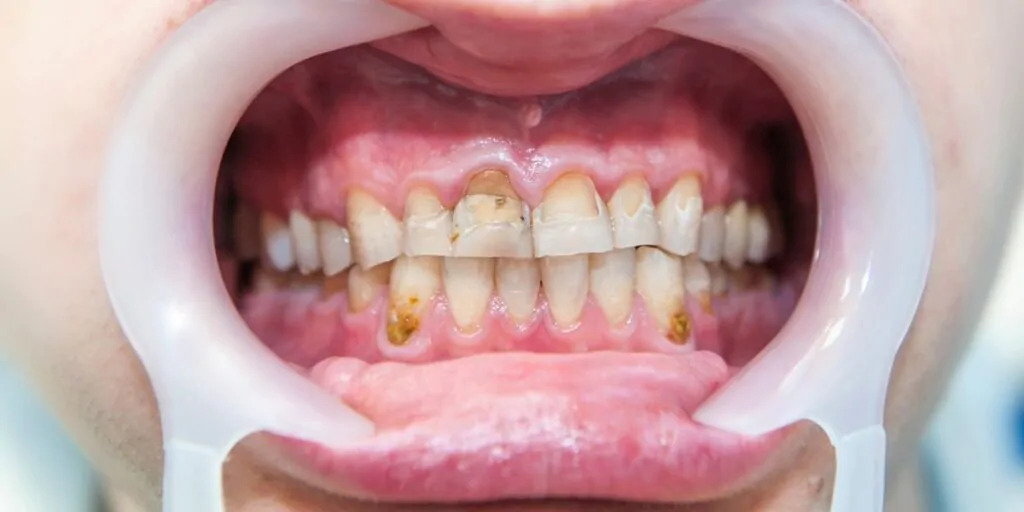
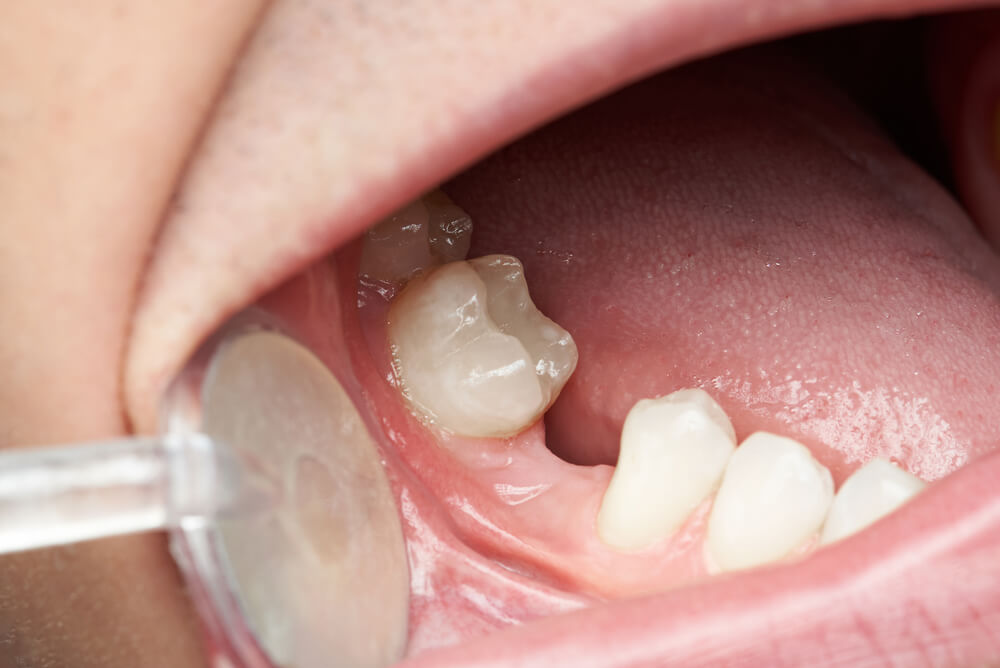
A baby tooth that is lost before the permanent tooth is ready is called early loss. Causes include decay, an injury or an infection. Losing a tooth too soon can let neighbouring teeth drift into the gap and leave less room for the permanent tooth.
In this situation the dentist may suggest a space maintainer, which keeps the gap open until the permanent tooth arrives. A baby tooth that is knocked out is not put back in, because this can harm the developing permanent tooth. In that case it is best to see a dentist as soon as possible.
What If Baby Teeth Fall Out Late
If a child has reached seven and not a single tooth has wobbled, booking a check up is a sensible step. The delay often has a harmless explanation. Occasionally there may be a missing permanent tooth bud, a tooth trapped in the jaw or a lack of space, and a panoramic X ray can give a clear picture.
If the dentist feels it is necessary, your child can be monitored at regular intervals. Problems found early can often be managed with simpler methods, so a short examination gives many families peace of mind.
Caring for the Mouth While Teeth Change
Oral care should not be skipped while teeth are changing. The area around a loose tooth should be brushed gently like the rest of the mouth. A soft toothbrush and a fluoride toothpaste suitable for children help to clean without irritating the gums.
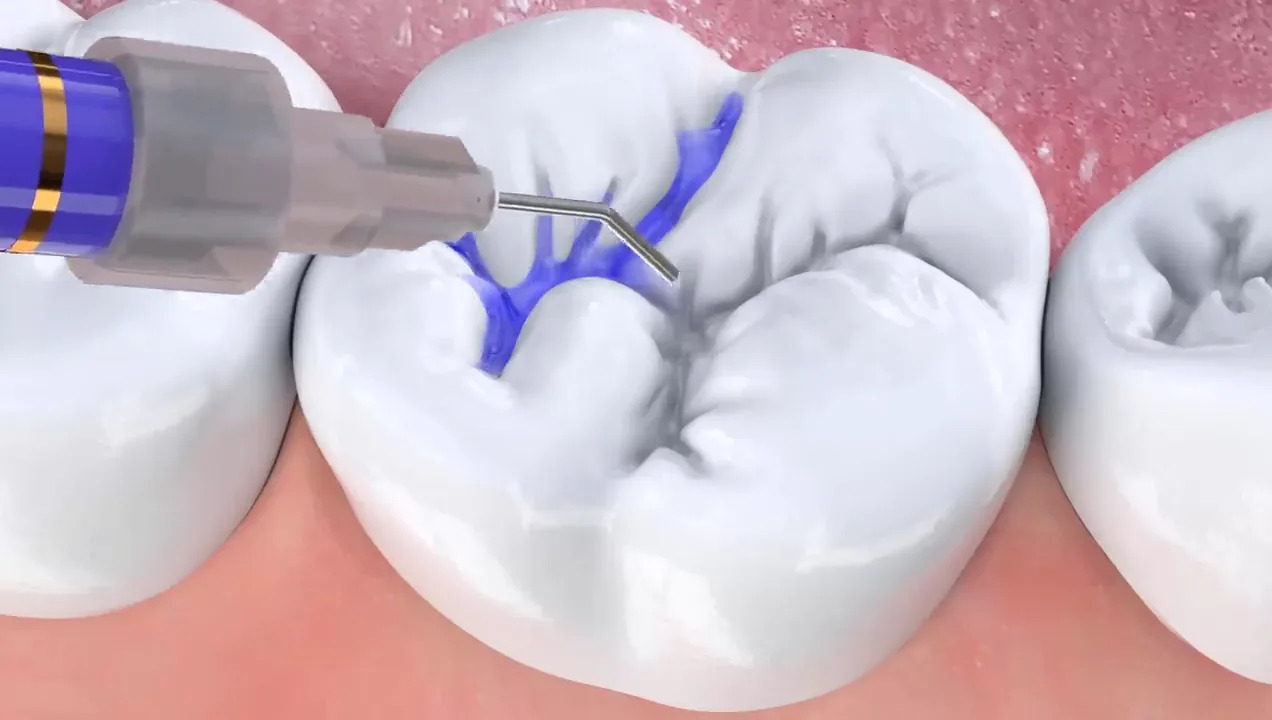
Newly erupted permanent teeth are less mature in their first years and can be more prone to decay. Regular brushing, limiting sugary food and drinks and a check up every six months are important in this period. If the dentist considers it useful, sealants can protect the chewing surfaces of the back teeth.
When to See a Dentist
It is a good idea to consult a dentist in the following situations:
- A tooth is loose but the child has clear pain or swelling of the face.
- Bleeding from the empty space does not stop for a long time.
- A permanent tooth has come in and the baby tooth has not fallen out after three months.
- A child of seven has no loose teeth at all.
- A baby tooth was lost early after a blow.
A dentist's examination is the most reliable way to tell whether your child's teeth are progressing as they should.
Frequently Asked Questions
Is it normal for the gum to bleed when a baby tooth falls out?
Yes, light bleeding is normal and usually stops within a few minutes. Pressing clean gauze gently on the spot is enough. If bleeding lasts a long time or your child is very uncomfortable, see a dentist.
When does the permanent tooth appear after a baby tooth falls out?
The permanent tooth usually becomes visible within a few weeks to a few months. The time varies with the type of tooth and your child's development. If there is a delay of more than three months, it is wise to have it checked.
Does a decayed baby tooth have to be removed?
Not every decayed tooth is removed. The size of the decay, how close the tooth is to falling out and whether there is an infection are all assessed by the dentist. Because early loss can cause space problems, treatment options are often considered first.