Contentsexpand_more
- What is a Dental Sealant?
- Do Dental Sealants Hurt?
- How is a Dental Sealant Applied?
- When Should Dental Sealants Be Applied, and Who Is Eligible?
- Sealant Longevity: How Long Do Dental Sealants Last?
- Comparison Matrix: Dental Sealants vs. Topical Fluoride vs. Restorative Fillings
- Frequently Asked Questions (FAQ)
- Do dental sealants prevent all types of cavities?
- Can decay develop underneath an intact dental sealant?
- What happens if a dental sealant chips or falls off?
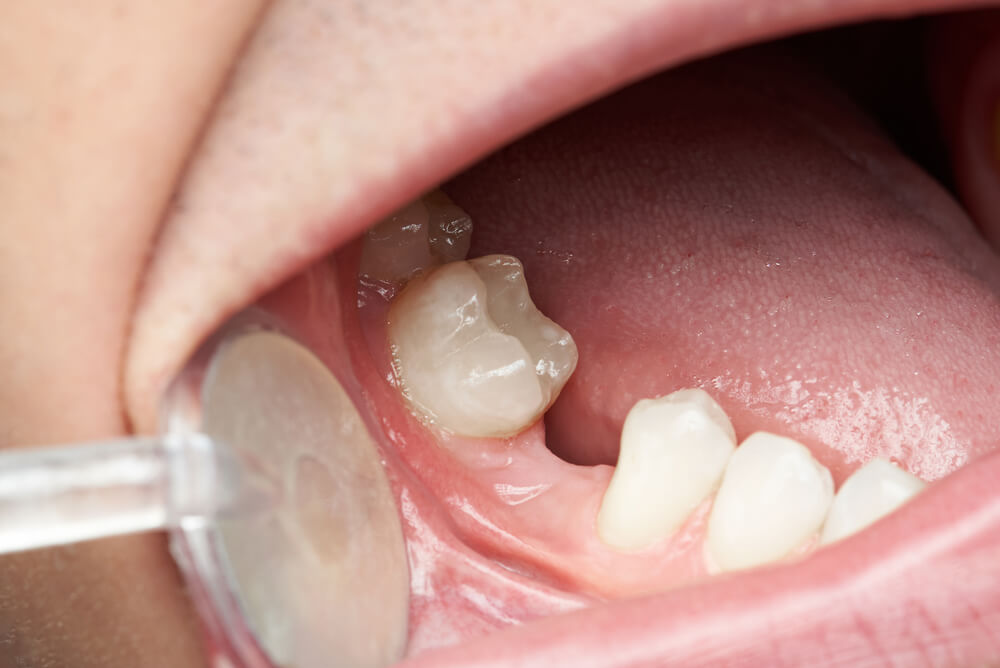
Inspecting the occlusal surfaces of newly erupted permanent molars reveals a complex landscape of anatomical pits, deep grooves, and fissures. These microscopic clefts are often narrower than a single bristle of a toothbrush. When food particles, dietary sugars, and cariogenic bacteria (Streptococcus mutans) lodge into these anatomical fissures, mechanical toothbrushing fails to evacuate the debris. Consequently, between 80% and 90% of carious lesions in children and adolescents originate within these occlusal grooves. Modern preventive dentistry mitigates this risk by placing a protective barrier known as a dental sealant (clinically termed a fissure sealant).
Patients and parents often worry that sealants involve needles or invasive drilling. In reality, sealants require neither dental handpieces nor local anesthetic injections.
What is a Dental Sealant?
In preventive dentistry, the definition of what is a dental sealant is: A flowable, biocompatible resin-based or glass-ionomer-based material applied to the pit and fissure surfaces of primary and permanent posterior teeth, which penetrates micro-porosities, polymerizes into a durable physical barrier, and prevents biofilm accumulation.
Sealants act as a physical shield over susceptible grooves, converting deep, plaque-retentive crevices into smooth, cleansable contours.
Do Dental Sealants Hurt?
Addressing parental and patient concerns regarding whether do dental sealants hurt:
Zero Pain: Placing a dental sealant is completely painless.
No Injections or Numbing: Because therapy is confined strictly to superficial enamel and involves no pulpal or gingival instrumentation, local anesthesia is entirely unnecessary.
No Mechanical Drilling: No enamel is excised or altered with rotary burs; sound tooth architecture remains intact.
Pediatric Comfort: It serves as an ideal non-threatening introductory procedure for young children, helping foster a positive attitude toward dental care and alleviating dentophobia.
How is a Dental Sealant Applied?
The clinical workflow explaining how is a dental sealant applied at Livera Dental Clinic requires approximately 3 to 5 minutes per tooth:
Surface Debridement (Prophylaxis): The occlusal table is cleaned of plaque and pelicle using a rotating prophylaxis brush with pumice slurry.
Isolation and Desiccation: The operative field is isolated using cotton rolls, dry angles, or rubber dam barriers to avoid salivary contamination, then air-dried thoroughly.
Enamel Conditioning (Acid Etching): A mild 35% to 37% phosphoric acid gel is placed along the fissures for 15 to 20 seconds to generate microscopic porosities in the enamel prism cores.
Rinsing and Re-Drying: The etchant is rinsed with water spray, and the tooth is desiccated until the enamel presents a frosty, chalky-white appearance.
Sealant Placement: Flowable, low-viscosity resin sealant is dispensed into the conditioned grooves using an ultra-fine cannula tip, allowing capillary action to pull the material into deep pits.
Photopolymerization: A high-intensity dental LED curing light is held over the occlusal table for 20 seconds, hardening the liquid resin into a solid protective shield.
Occlusal Evaluation: Articulating paper verifies that the sealant does not interfere with normal bite dynamics; any premature contact is adjusted.
When Should Dental Sealants Be Applied, and Who Is Eligible?
Sealants deliver maximal preventive value when placed shortly after tooth eruption:
First Permanent Molars (6-Year Molars): Erupting behind primary teeth without replacing a baby tooth, typically around ages 6 to 7.
Second Permanent Molars (12-Year Molars): Emerging at the back of the dental arch around ages 12 to 13.
Primary Molars: In high-caries-risk toddlers between ages 3 and 4, sealing primary molars prevents early childhood caries.
Adult Patients: Adults with deep, intact, decay-free fissure anatomy who are prone to caries due to xerostomia, orthodontic appliances, or medical conditions remain excellent candidates.
Sealant Longevity: How Long Do Dental Sealants Last?
Clinical longevity data confirm that:
Properly placed resin sealants withstand masticatory wear for 3 to 5 years, reducing occlusal caries incidence by over 80%.
If a portion wears away or chips from chewing hard foods, it can be repaired in seconds during a routine 6-month preventive checkup.
Factors Influencing Dental Sealant Cost
Regulatory protocols prohibit static pricing; dental sealant cost varies depending on clinical variables:
Total Number of Teeth Treated: Sealing isolated first permanent molars versus full-mouth prophylaxis covering primary and secondary molars.
Material Formulation: Hydrophobic composite resins versus moisture-tolerant resin-modified glass ionomer (RMGI) sealants.
Pre-Sealant Debridement Needs: The necessity of air-abrasion debridement or therapeutic plaque removal prior to bonding.
Adjunctive Preventive Protocols: Combining sealants with topical sodium fluoride varnish or comprehensive caries-risk assessments.
Comparison Matrix: Dental Sealants vs. Topical Fluoride vs. Restorative Fillings
Clinical Metric | Dental Sealant (Fissure Sealant) | Topical Fluoride Varnish | Conventional Dental Composite Filling |
Primary Indication | Pre-cavitation occlusal prevention | Full-arch enamel remineralization | Cavitated carious tissue restoration |
Enamel Preparation | Zero reduction (Preserves sound tooth) | Zero | Excavation of diseased tooth tissue |
Local Anesthetic Need | Never required (Needle-free) | Never required | Typically required |
Target Anatomy | Occlusal pits and deep fissures | Smooth, interproximal, and root surfaces | Localized carious cavity walls |
Chairside Duration | 3 to 5 minutes per tooth | 5 minutes for full mouth | 30 to 45 minutes per tooth |
Discomfort Level | Zero pain | Zero pain | Possible post-operative sensitivity |
Frequently Asked Questions (FAQ)
Do dental sealants prevent all types of cavities?
Dental sealants protect the chewing (occlusal) surfaces of molars, where food impaction is highest, cutting occlusal caries risk by up to 80%. However, they do not cover interproximal zones where adjacent teeth contact. To prevent interproximal cavities, regular flossing and twice-daily brushing must be maintained.
Can decay develop underneath an intact dental sealant?
No. Before placing a sealant, the tooth is examined visually, with magnification, and occasionally with laser fluorescence to confirm the absence of active decay. Once the sealant is polymerized, it deprives any trapped bacteria of fermentable carbohydrates and oxygen, preventing decay progression under an intact seal.
What happens if a dental sealant chips or falls off?
If a sealant chips or falls off, the tooth returns to its natural pre-treatment state without structural harm. However, the exposed groove becomes susceptible to plaque accumulation again. During 6-month checkups, your dentist evaluates sealant integrity and can reapply sealant over worn areas within minutes.