Contentsexpand_more
- What Is Orthodontic Wax?
- What Does Orthodontic Wax Do?
- How to Use Orthodontic Wax
- How Long Do You Use Orthodontic Wax?
- Is Orthodontic Wax Safe?
- What Can Be Used Instead of Orthodontic Wax?
- How Do Sores From Braces Heal?
- Tips for Using Orthodontic Wax
- When Is Orthodontic Wax Not Enough?
- Frequently Asked Questions
- Is it harmful if I swallow orthodontic wax?
- How often should orthodontic wax be changed?
- How can sores from braces be prevented without wax?
Did your cheeks start to hurt in the first days of wearing braces, or has a wire end ever poked your lip and left a sore? Most people starting braces treatment feel this at some point, because brackets and wires rub against the soft tissues of the mouth. Orthodontic wax is a simple, inexpensive answer for exactly these moments.
In this article we explain what orthodontic wax is, how to use it, when it helps and when you should see your orthodontist.
What Is Orthodontic Wax?
Orthodontic wax is a soft, mouldable product that is pressed over brackets and wires. It is usually made from plant based or paraffin based materials that are harmless in the mouth and is sold as small strips or round pieces in a case. You can find it in pharmacies and in orthodontic clinics.
The wax forms a thin cushion over the bracket or wire. Sharp or protruding parts no longer touch the cheek, lip or tongue directly. Wax is not a treatment. It only provides temporary protection, and you stop using it when the cause of the irritation goes away or your orthodontist solves the problem.
What Does Orthodontic Wax Do?
In the first weeks of braces treatment the tissues inside the mouth are not yet used to the brackets. The inside of the cheeks and lips can become red from constant rubbing, and small sores can form. Orthodontic wax reduces this friction, gives sores time to heal and eases the pain that comes when eating or speaking.
Wax helps most in four situations: on the sharp corners of newly fitted brackets, on wire ends that have grown longer and poke after the wires have been tightened, in places where brackets at the back of the mouth irritate the cheek, and when a loose bracket or band rubs against the tissue. Wax is a temporary measure that relieves discomfort. If the problem continues, the cause needs to be solved by the orthodontist.
How to Use Orthodontic Wax
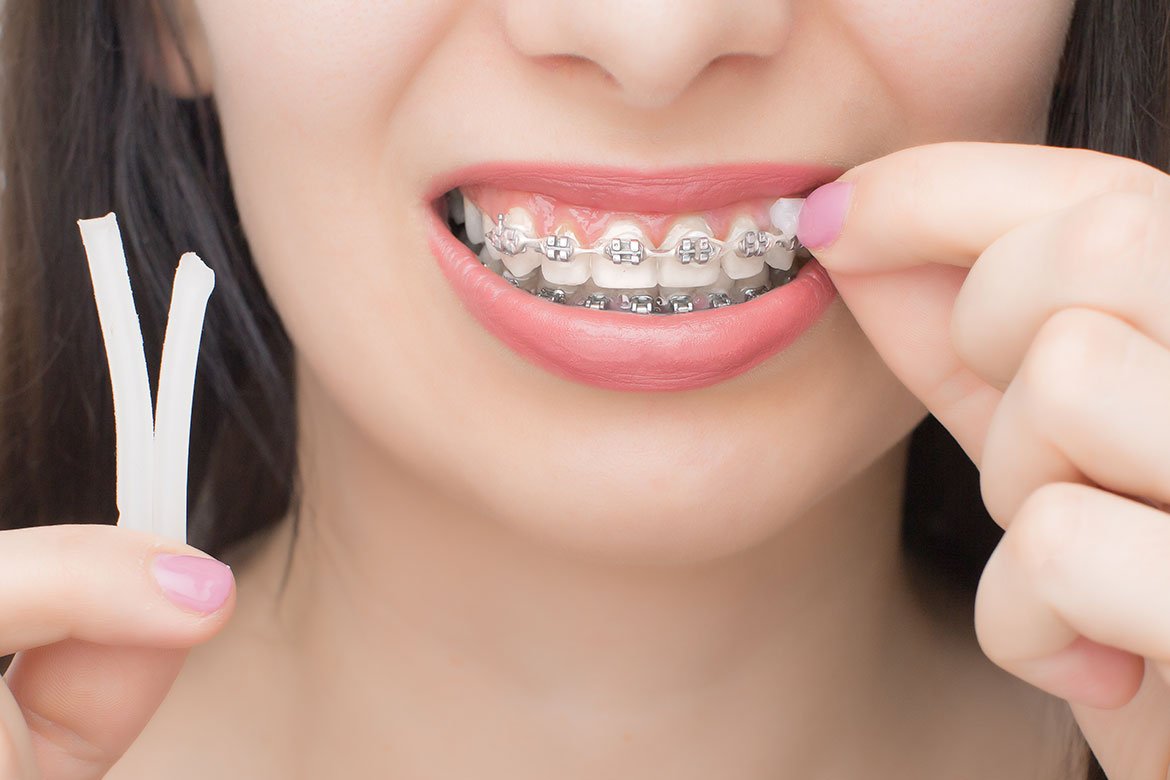
It is very simple, but it holds best when applied with clean hands to a dry surface. The steps below are the same for most products.
1. Wash your hands and brush the area to remove food particles.
2. Pull off a small piece of wax. A piece the size of a pea is usually enough.
3. Warm and soften the piece between your fingers and roll it into a ball.
4. Dry the irritating bracket or wire lightly with a tissue or clean cloth.
5. Press the ball over the irritating spot and flatten it gently.
6. Remove the wax before eating, then brush your teeth and apply a new piece if needed.
Because the wax is soft and mouldable it settles easily. You can keep the same piece for part of a day, but it is more hygienic to replace it when it becomes dirty or comes loose.
How Long Do You Use Orthodontic Wax?
Most people use wax only in the first two to four weeks, while the tissues of the mouth get used to braces. After that the cheeks and lips become tougher, friction falls and the need for wax disappears. You may need it again for a short time in the first days after each adjustment, when wires are tightened.
If you are still using wax every day after several months, a bracket may be positioned badly or a wire may have grown too long. In that case it is better to speak to your orthodontist than to manage with wax alone.
Is Orthodontic Wax Safe?
Orthodontic wax is made to be used in the mouth, and swallowing a small amount by accident is usually harmless. The product passes through the digestive tract without being digested. Even so, you should not swallow wax on purpose, and a child should not be allowed to sleep with wax in the mouth, because there is a rare risk that it could slip into the throat.
When using it with children, make sure the wax sits firmly and have it removed before bed. An allergy to wax is extremely rare, but if you notice itching, swelling or redness in the mouth, stop using it and ask your dentist.
What Can Be Used Instead of Orthodontic Wax?
Wax is the most common option, but there are other ways to reduce discomfort. The table below compares them.
| Method | When it suits | Points to watch |
|---|---|---|
| Orthodontic wax | Instant protection over sharp brackets and wire ends | Remove before eating and renew often |
| Salt water rinse | Helps small cheek sores heal | Half a teaspoon of salt in warm water is enough |
| Soft toothbrush and soft foods | Sensitivity in the first days | Avoid hard and sticky foods |
| Orthodontic gel or protective silicone | Places where wax does not stay | Use the product your orthodontist recommends |
| Check with the orthodontist | Long wire end, loose bracket | Do not try to cut the wire yourself |
How Do Sores From Braces Heal?
Small sores caused by braces usually heal within a week when the source of irritation is protected. Rinsing with warm salt water several times a day helps keep the sore clean. Acidic, spicy and very hot foods can sting the sore, so it helps to reduce them during this period.
Contact your orthodontist if a sore lasts longer than two weeks, keeps growing or shows signs of swelling or infection. If you have pain strong enough to need painkillers, do not assume it is a normal adjustment phase, and book a check.
Tips for Using Orthodontic Wax
Eating with wax left on the brackets can cause it to break off and mix with food, so it is best to remove it before meals. Do not put toothpaste or anything oily on the wax, because this stops it sticking. Keeping brackets and wires clean also helps prevent bad breath and gum inflammation.
It is a good habit to carry a small case of wax with you. If a wire end suddenly pokes, the wax gives you an immediate answer. If it happens often, though, the cause needs a permanent fix from your orthodontist.
When Is Orthodontic Wax Not Enough?
In some situations wax is not enough and the orthodontist must step in. Examples are a wire end that digs into the cheek, a bracket that has come off completely, a wire that slips out at the back and cuts the tissue, or pain that does not ease even with wax. In these cases do not try to cut the wire yourself, and call your orthodontist.
With a short visit the orthodontist can trim the wire end, re-bond the bracket or adjust the wire. Most urgent problems are solved in a few minutes. If your appointment is far away and the wire is poking, you can use wax to protect the area until then.
Frequently Asked Questions
Is it harmful if I swallow orthodontic wax?
A small amount is usually harmless, because orthodontic wax is made for use in the mouth and passes through the body undigested. If you swallow a large piece or feel something stuck in the throat, contact a doctor.
How often should orthodontic wax be changed?
You can renew the wax after every meal, and it should be replaced at least once a day. Putting on a fresh piece as soon as it gets dirty or comes off is better for both hygiene and protection.
How can sores from braces be prevented without wax?
Salt water rinses, soft foods and a protective gel recommended by your orthodontist can ease sores. If a wire end keeps poking, though, you need a check up more than wax, and the problem is solved by adjusting the wire.