Contentsexpand_more
- What Is a Front Tooth Filling?
- When Is a Front Tooth Filling Used?
- How Is a Front Tooth Filling Done?
- Front Tooth Filling or Veneer?
- How Long Does a Front Tooth Filling Last?
- Colour Match and Natural Look
- Care After a Front Tooth Filling
- Frequently Asked Questions
- Does a front tooth filling hurt?
- Does a front tooth filling turn yellow over time?
- When should a front tooth filling be replaced?
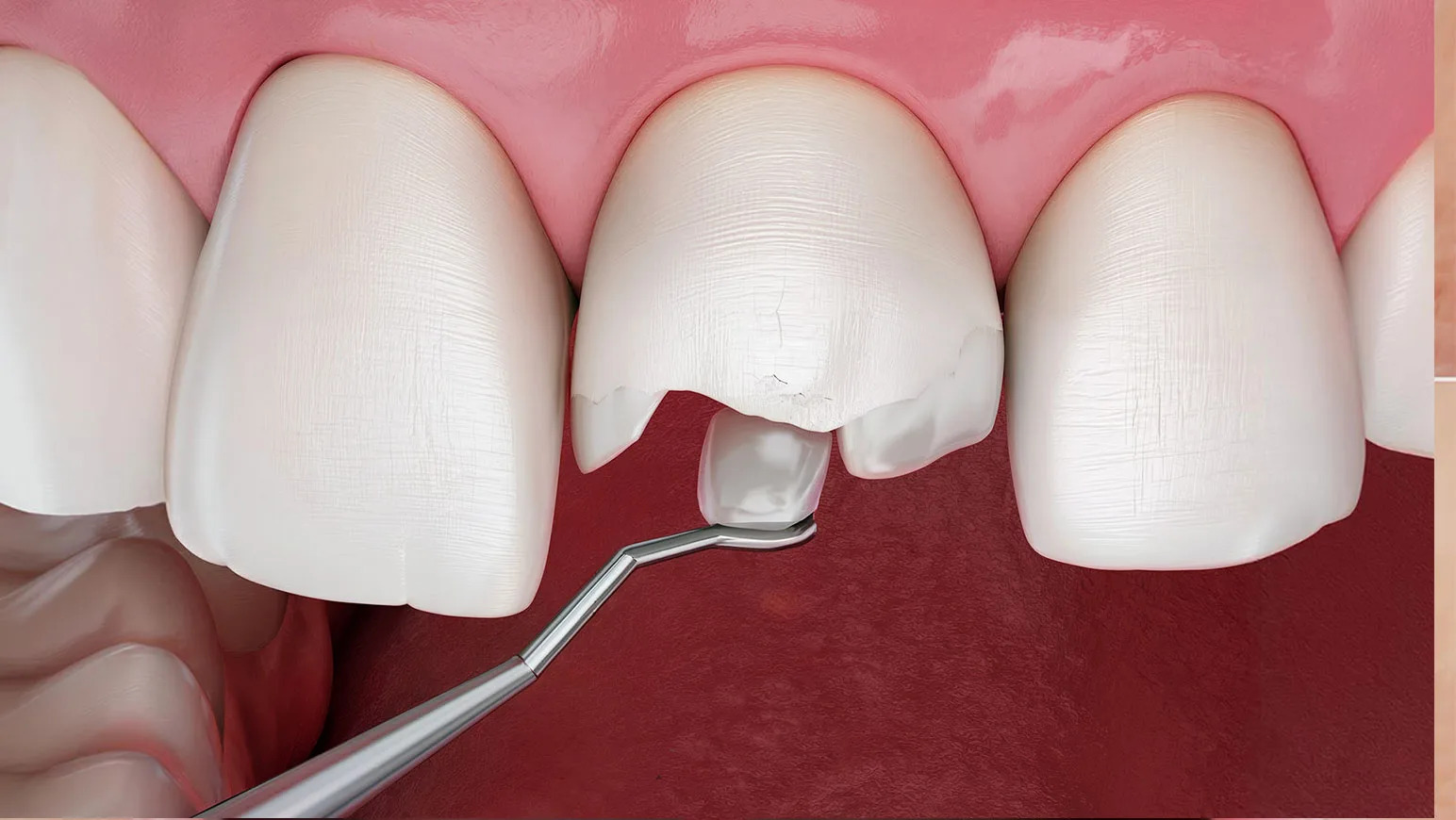
Have you noticed a corner of a front tooth chipped away, or a small dark spot forming between two teeth when you smile? Covering your mouth when you laugh or hiding your teeth in photos can be a sign of a problem that actually has a quick solution. A front tooth filling can repair this kind of small flaw, often in a single visit and without removing much of the tooth.
In this article we explain what a front tooth filling is, how it is done, when it is the right choice and how long it lasts.
What Is a Front Tooth Filling?
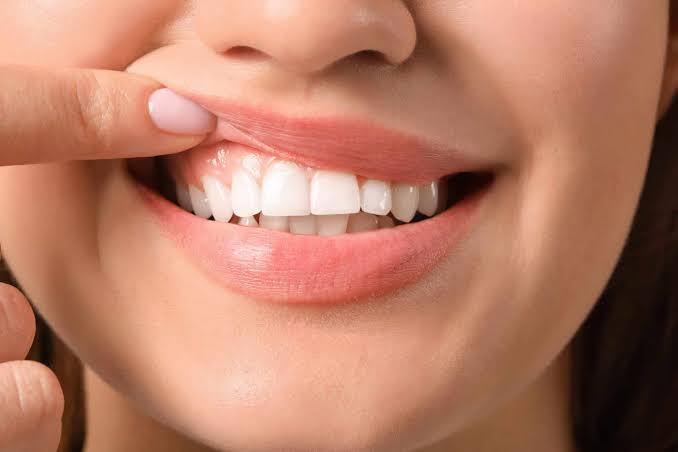
A front tooth filling is the repair of a cavity, chip, crack or small gap on the upper or lower incisors and canines using a tooth coloured material. The material is usually composite resin, which is chosen to match the colour of your tooth. Because the front teeth are the most visible in your smile, the filling has to be both strong and natural looking.
On the back teeth, chewing strength comes first, while on the front teeth appearance is the priority. For this reason the dentist builds the filling in thin layers and imitates the shape, surface texture and translucency of the tooth. A well made front tooth filling can look so natural that it cannot be told apart from the neighbouring teeth.
When Is a Front Tooth Filling Used?
A front tooth filling is most often used to treat cavities. Small cavities that start between the teeth are cleaned out and closed with the filling. Corners of teeth that have broken after a fall or from biting on something hard can also be rebuilt with composite.
Small gaps, worn tooth edges and surface cracks can be corrected with a filling as well. An old filling whose colour has changed or whose edge has started to leak needs to be replaced. For larger losses, deep cracks or a tooth that has become severely weakened, the dentist may suggest other options such as a crown or root canal treatment.
How Is a Front Tooth Filling Done?
The procedure is usually completed in a single visit and does not need anaesthesia for most patients, while local anaesthesia is used when the cavity is deep. The dentist first selects the shade with a colour guide, because changing the colour after the filling is placed is not easy. The decayed or damaged area is then cleaned and the tooth surface is prepared so that the filling can bond.
A bonding agent is applied and the composite is placed in thin layers, each hardened with a special light. After shaping the tooth, the dentist checks your bite, removes any excess and polishes the surface. You can use the tooth straight away, but it is advisable to avoid very hot or very cold food in the first hours.
Front Tooth Filling or Veneer?
The two methods can seem interchangeable, but their purposes differ. A filling is suited to small and limited problems, while a veneer is a thin shell that renews the whole front surface of the tooth. The table below summarises the differences.
| Feature | Front tooth filling | Porcelain veneer |
|---|---|---|
| Suitable for | Small cavity, chipped corner, minor gap | Several teeth, colour and shape concerns |
| Number of visits | Usually one | Two or three |
| Tooth removed | Very little or none | A thin layer of enamel from the front |
| Lifespan | A few years up to ten years | Usually ten years or more |
| Cost | Lower | Higher |
| Repair | Easily repaired | Usually replaced |
The choice depends on the condition of the tooth, the amount of tooth lost and your expectations. For a small problem, a filling is often the least invasive and most economical solution.
How Long Does a Front Tooth Filling Last?
Composite fillings usually last between five and ten years, depending on care and habits. Because front teeth carry less chewing load than back teeth, the filling often stays in place for a long time. However, biting hard objects with the front teeth, nail biting or chewing pens can cause the filling to break.
Over time, the edges of a filling can stain or small cracks may form. In this case a full replacement is not always necessary, as the dentist can polish the surface or add a small repair. Check-ups every six months allow problems to be noticed early.
Colour Match and Natural Look
Colour match is the most important point on front teeth. The dentist selects the shade in daylight, because the gum and the neighbouring teeth look different under artificial light. Sometimes composites in different shades are combined to imitate the translucent edge and the more opaque body of the tooth.
For the filling to keep a natural look, the surface needs to be well polished. A rough surface picks up the colours of food and drink more quickly. If you are planning to whiten your teeth, it is important to do this before the filling, because composite does not respond to whitening and a colour difference can appear.
Care After a Front Tooth Filling
No special care is needed after a filling, but some habits extend its life. Brushing twice a day, using floss or interdental brushes and attending regular check-ups are the basic steps. Tea, coffee, smoking and coloured drinks can stain the surface over time, so it helps to reduce them or to rinse your mouth afterwards.
Mild sensitivity in the first days is common and usually passes quickly. If the filling feels high when you bite, or if the sensitivity lasts more than a few days, contact your dentist, because a small adjustment can solve the problem. If you clench your teeth at night, your dentist may suggest a protective guard.
Frequently Asked Questions
Does a front tooth filling hurt?
In most cases it does not. If the cavity is shallow, anaesthesia may not be needed, and for deeper cavities local anaesthesia is used so you feel no pain. Mild sensitivity afterwards usually passes within a few days.
Does a front tooth filling turn yellow over time?
Composite can change colour over time because of tea, coffee and smoking. Regular polishing and good care delay this, and the surface can be renewed when needed.
When should a front tooth filling be replaced?
A filling should be replaced if there is leakage at the edge, a crack, a clear change of colour or sensitivity. The dentist assesses this at a check-up.