Contentsexpand_more
- What Is a Salivary Gland Stone?
- What Do the Salivary Glands Do?
- What Causes Salivary Gland Stones?
- Salivary Gland Stone Symptoms
- Salivary Gland Swelling: Stone or Another Condition?
- How Is a Salivary Gland Stone Diagnosed?
- Salivary Gland Stone Treatment
- Salivary Gland Stone Home Remedies
- Medical Treatments for Salivary Gland Stones
- How Long Does a Salivary Stone Take to Pass?
- What Happens if a Salivary Stone Is Left Untreated?
- How to Prevent Salivary Gland Stones
- When to See a Doctor for a Salivary Stone
- Which Doctor Treats Salivary Gland Stones?
- Frequently Asked Questions
- Can a salivary gland stone go away on its own?
- Is a salivary stone dangerous?
- Can a salivary stone be removed without surgery?
- Is a salivary stone the same as tartar?
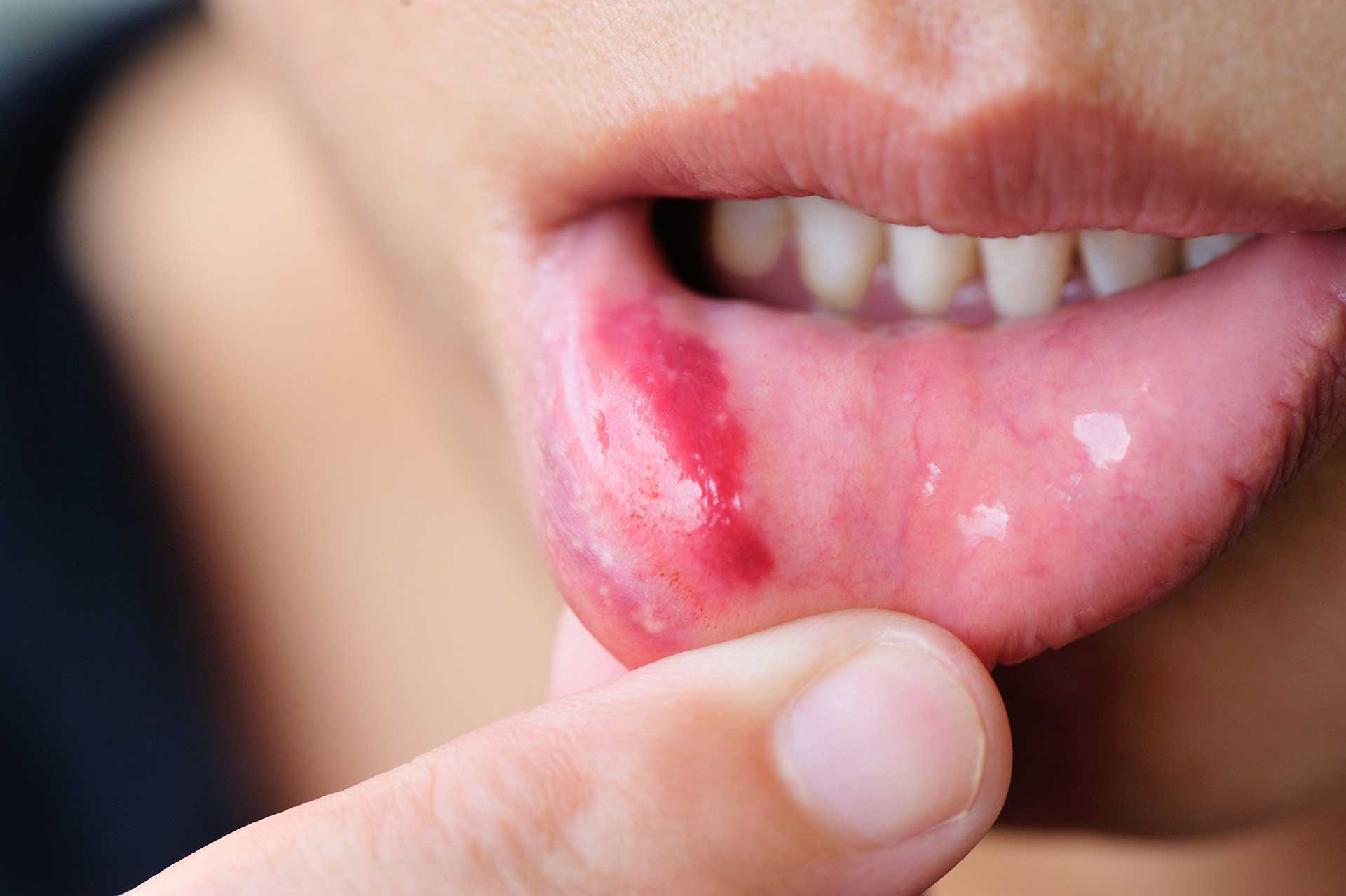
If you notice a painful swelling under your jaw or inside your cheek that gets worse while you eat, the cause may be a salivary gland stone. The medical term is sialolithiasis, and it happens when small hard deposits form inside a salivary gland or its duct and block the normal flow of saliva.
A salivary stone can sound alarming, but it is usually harmless and can be treated successfully. What matters is recognising the symptoms early, finding where the stone is and choosing the right treatment at the right time. This article explains how a stone forms, which symptoms it causes, how it is diagnosed and how it is treated.
If your swelling is not linked to a stone, you may also find our article on salivary gland swelling useful.
What Is a Salivary Gland Stone?
The mouth has three pairs of major salivary glands: the parotid glands in front of the ears, the submandibular glands under the jaw and the sublingual glands under the tongue. Hundreds of tiny minor glands add to them. All of them produce saliva and deliver it to the mouth through thin ducts.
A salivary stone is a small mass of minerals, mostly calcium salts, that hardens inside a gland or duct. It can be as small as a grain of rice and only rarely exceeds a centimetre. When it blocks the flow of saliva partly or fully, the gland swells and hurts. Most stones form in the submandibular gland, because its saliva is thicker and richer in minerals and its duct runs upwards against gravity. The parotid gland is affected less often and the sublingual glands only rarely.
What Do the Salivary Glands Do?
Saliva does far more than keep the mouth moist. It helps you chew and swallow, starts the digestion of starch, balances acidity, supports the repair of enamel and carries substances that limit bacteria. When saliva flow is disturbed, dry mouth, tooth decay, gum disease and bad breath become more likely. A salivary stone is therefore not only a swelling but also a matter of oral health.
What Causes Salivary Gland Stones?
There is rarely a single cause. Several factors usually combine, and the table below summarises the most common.
| Factor | How it contributes |
|---|---|
| Not drinking enough | Saliva becomes thicker and minerals settle more easily |
| Dry mouth | Less saliva flows, so the duct blocks more easily |
| Duct narrowing or inflammation | Saliva moves slowly and deposits form |
| Smoking | Dries the mouth and affects the glands |
| Certain medicines | Some antihistamines, blood pressure drugs and antidepressants reduce saliva |
If you take regular medication, mention it to your dentist and doctor. Stones can appear at any age but are most often found in adults between 30 and 60. People with a history of gout or kidney stones, or with conditions such as Sjögren's syndrome that reduce saliva, are at somewhat higher risk. Having a risk factor does not mean a stone will form, but it is a reason to watch symptoms more closely.
Salivary Gland Stone Symptoms
The key feature is that symptoms are linked to eating. Thinking about food or taking the first bite increases saliva production. Because the duct is blocked, saliva builds up in the gland and causes a painful swelling under the jaw or in the cheek. After the meal the saliva slowly drains and the swelling goes down. This can repeat for days or weeks.
The swelling is often accompanied by a bad taste, a salty or bitter discharge, a hard lump under the tongue and discomfort when opening the mouth. Sometimes the stone shifts and the symptoms suddenly ease, but that does not always mean the problem has gone. If the blockage lasts, the gland can become infected, which brings fever, redness and severe pain.
Salivary Gland Swelling: Stone or Another Condition?
Swelling under the jaw or in the cheek has many possible causes. Recurring swelling tied to meals points to a stone, but similar complaints can come from salivary gland infections, tooth decay and dental abscesses, swollen lymph nodes, cysts or benign tumours of the glands, and jaw joint problems. That is why it is better to have the swelling examined than to interpret it yourself. See a doctor promptly if the swelling grows quickly, feels hard and painless, or lasts for several weeks.
How Is a Salivary Gland Stone Diagnosed?
Diagnosis combines a careful examination with imaging. A dentist or an ear, nose and throat specialist will usually:
- ask when the swelling started, how it relates to meals and how long it lasts
- feel the mouth and the area under the jaw, where a stone can sometimes be detected
- use an X-ray, ultrasound or CT scan to show the size and position of the stone
- if needed, look inside the duct with sialography or sialendoscopy
Some small stones do not show up on a plain X-ray, which is why ultrasound and more advanced imaging are useful.
Salivary Gland Stone Treatment
Treatment depends on the size and position of the stone and on the symptoms. Many small stones pass without surgery.
Salivary Gland Stone Home Remedies
For small stones close to the surface, and with your dentist's advice, drinking plenty of water, chewing sugar-free gum or sucking a sour sweet can stimulate saliva and help the stone move. A warm compress relaxes the gland, and gently massaging the area under the jaw or the cheek towards the mouth can ease the flow. Never squeeze the swelling, try to puncture it or dig out the stone yourself, because this can injure the duct, cause infection or push the stone deeper. If the pain increases or you develop a fever, get examined without delay.
Medical Treatments for Salivary Gland Stones
When a stone does not pass, the specialist chooses the most suitable of the following options.
| Method | When it is used | What it involves |
|---|---|---|
| Manual removal | Stones near the duct opening | Local anaesthetic, done from inside the mouth |
| Sialendoscopy | Small and medium stones inside the duct | A very thin camera locates and removes the stone and protects the gland |
| Shock wave therapy | Stones that can be broken up | Sound waves fragment the stone and the pieces pass through the duct |
| Surgical removal | Large or hard-to-reach stones | An operation |
| Gland removal | Repeated stones and permanent damage | Considered only as a last resort |
If there is an infection, antibiotics may be given before the stone is removed. After treatment, swelling and tenderness usually settle within a few days. Soft foods that are not too hot, plenty of fluids and a follow-up visit help recovery. Check-ups show whether a stone has formed again, and an early return visit makes a small stone easier to remove.
How Long Does a Salivary Stone Take to Pass?
It depends on the size and position of the stone. Very small stones may pass within a few days with plenty of fluids and massage. If symptoms last several weeks, an examination is needed to plan imaging and treatment. The width of the duct and an underlying dry mouth can also lengthen the process. Even after a stone passes, the gland may stay tender for a few days. If swelling keeps returning with meals, another stone or a narrowing may be present and should be assessed separately.
What Happens if a Salivary Stone Is Left Untreated?
If a stone blocks the duct for a long time, the gland can swell repeatedly and become permanently damaged. Saliva trapped behind the blockage allows bacteria to grow, which can lead to recurrent infections and, in advanced cases, an abscess. For that reason, repeated swelling, pain and a bad taste in the mouth should be assessed without delay.
How to Prevent Salivary Gland Stones
You cannot prevent every stone, but drinking enough water every day, stopping smoking and reducing habits that dry the mouth all lower the risk. Brushing regularly and attending dental check-ups supports oral health and saliva flow. If you take a medicine that causes dry mouth, ask your doctor about alternatives. Eating something sour from time to time also keeps saliva production lively.
When to See a Doctor for a Salivary Stone
Get medical help straight away if you have any of the following:
- rapidly growing swelling of the face or neck
- high fever and chills
- difficulty opening the mouth or swallowing
- pus coming from the mouth
- difficulty breathing
These can be signs of an infected gland or surrounding tissue and need urgent treatment.
Which Doctor Treats Salivary Gland Stones?
Oral health and salivary gland health are closely linked. During an oral examination, your dentist can check for stones near the duct opening, infections and the effect of tooth decay on saliva flow, and refer you to an ear, nose and throat specialist if needed. At Livera Clinic we examine each complaint carefully and look at the mouth as a whole.
Frequently Asked Questions
Can a salivary gland stone go away on its own?
Small stones can pass with plenty of fluids, saliva stimulation and massage. Larger or lodged stones need treatment from a doctor.
Is a salivary stone dangerous?
It is usually harmless, but untreated stones can cause infection and permanent gland damage. Swelling with fever needs urgent assessment.
Can a salivary stone be removed without surgery?
Yes. Small stones can be removed manually, with sialendoscopy or with shock wave therapy. Surgery is usually reserved for large or hard-to-reach stones.
Is a salivary stone the same as tartar?
No. Tartar is hardened plaque on the surface of teeth. A salivary stone is a mineral deposit inside a salivary gland or duct.