Contentsexpand_more
- What is a Mouth Sore?
- Causes of a Mouth Sore
- What Vitamin Deficiency Causes a Mouth Sore?
- How Many Days Does a Mouth Sore Last?
- How to Cure a Mouth Sore
- What Helps a Mouth Sore?
- Critical Mistakes to Avoid During Outbreaks
- Factors Influencing Treatment Cost
- Minor Mouth Sore vs. Major Mouth Sore Comparison Matrix
- Frequently Asked Questions (FAQ)
- Are all mouth sores contagious to other people?
- When should I be worried that a mouth sore is oral cancer?
- Does rinsing with baking soda water truly help heal a mouth sore?
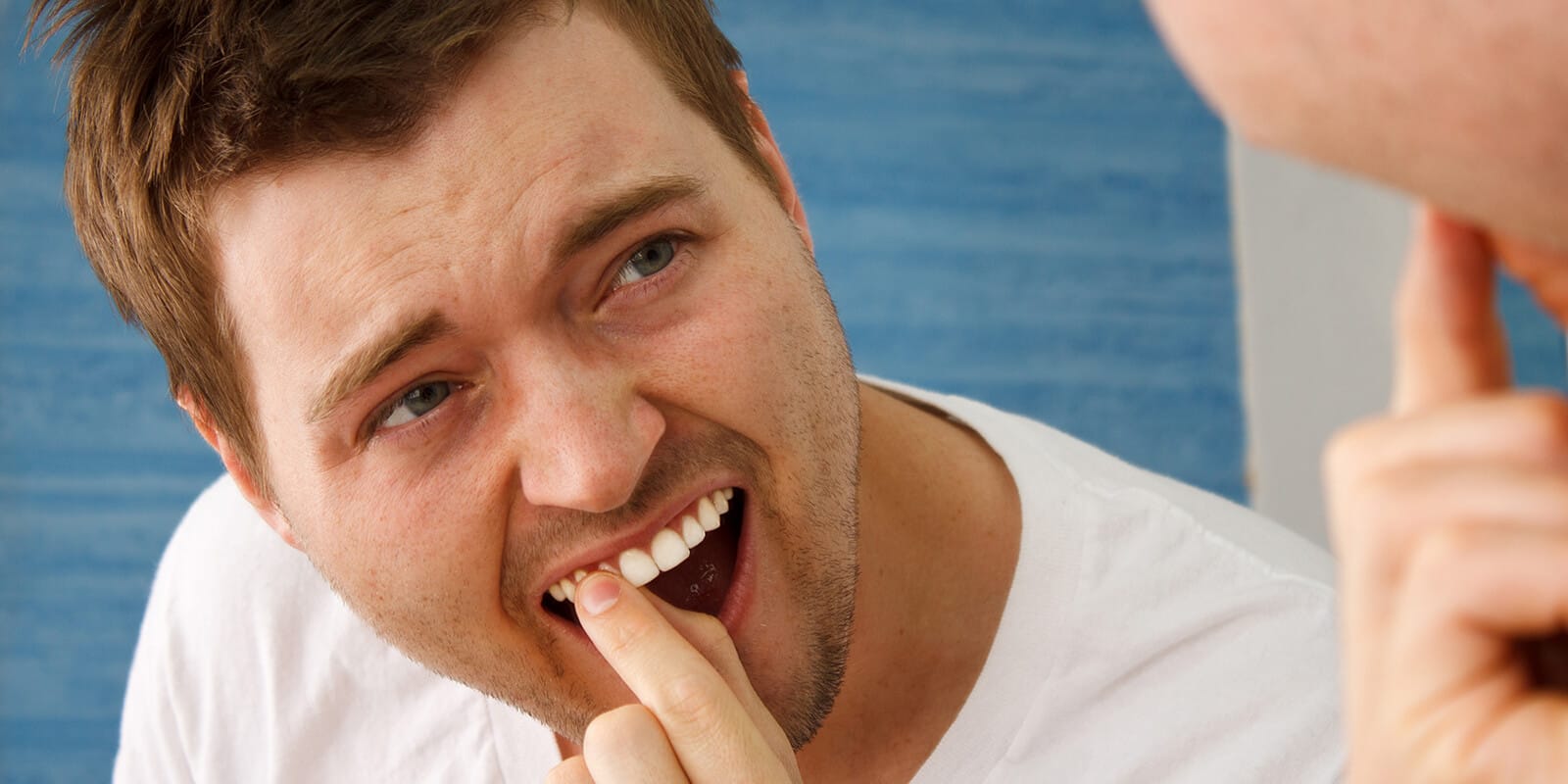
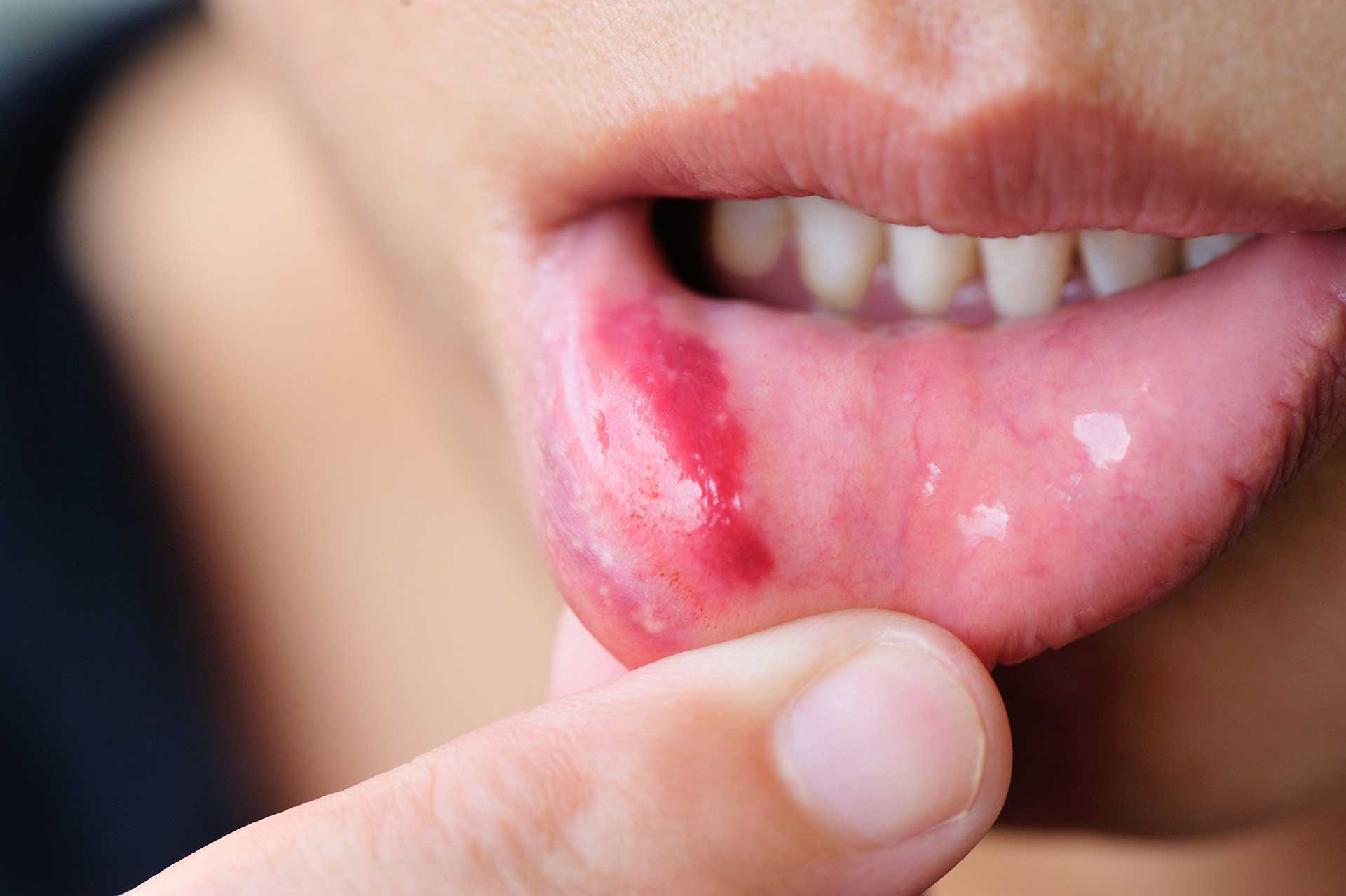
Have you ever experienced a sudden, sharp, burning sensation along your inner lip, buccal mucosa, or the lateral border of your tongue while dining or sipping citrus juice? Exploring the area with your tongue reveals a tender, shallow ulceration featuring a necrotic white-to-yellow fibrinous center bordered by an erythematous inflammatory halo. These lesions can make speaking, mastication, and routine hydration challenging. While individuals often assume a sore is simply an accidental bite, persistent or recurrent mucosal lesions frequently serve as an early diagnostic mirror reflecting systemic physiological imbalances. In clinical oral pathology, a mouth sore represents a localized breach of the protective non-keratinized or keratinized mucosal epithelium, exposing the sensory nerve endings of the underlying lamina propria.
The oral mucosa represents one of the most rapidly proliferating epithelial systems in the human body. However, under psychological stress, nutritional deficits, or sustained mechanical abrasion, this epithelial lining breaks down.
What is a Mouth Sore?
In oral medicine, the scientific definition of a mouth sore is: A localized, painful discontinuity of the stratified squamous epithelial lining covering the labial, buccal, gingival, lingual, or palatal mucosa, resulting in loss of surface epithelium and acute exposure of the vascular and nervous supply residing in the subepithelial stroma.
Oral mucosal defects present across specific pathophysiological classifications:
Erosions: Superficial epithelial defects that do not breach the basal lamina, healing rapidly without connective tissue remodeling.
Ulcers: Deeper excavation defects penetrating past the basal membrane into the connective tissue bed, characterized by fibrinous slough and inflammatory cell infiltration.
Vesiculobullous Eruptions: Fluid-filled intraepithelial blisters that rupture rapidly within the moist oral environment, leaving red, raw, and ulcerated margins.
Causes of a Mouth Sore
Diagnostic evaluations categorize the multifactorial origin of causes of mouth sore presentations:
Physical and Mechanical Trauma: Inadvertent masticatory bites of the lip or cheek, sharp edges of fractured enamel, rough composite margins, ill-fitting removable prostheses, and sharp orthodontic appliance brackets.
Thermal and Chemical Injury: Scalding thermal burns from high-temperature liquids or caustic chemical necrosis caused by placing aspirin tablets directly against buccal gingival tissues.
Psychological Stress and Circadian Exhaustion: Neuroendocrine elevation of systemic cortisol disrupts salivary immunoglobulin A (sIgA) secretion, lowering mucosal resistance to microbial colonization.
Systemic and Autoimmune Conditions: Intestinal bowel pathologies (Crohn's disease, Ulcerative Colitis, Celiac disease), Behçet's disease, systemic lupus erythematosus (SLE), and recurrent aphthous stomatitis (RAS).
Viral and Infectious Agents: Primary and secondary Herpes Simplex Virus Type 1 (HSV-1), Coxsackie virus (Hand-Foot-and-Mouth disease), and opportunistic Candida albicans fungal proliferation.
Endocrine Fluctuations: Estrogen and progesterone hormonal fluctuations associated with the luteal phase of menstruation, pregnancy, or menopause.
What Vitamin Deficiency Causes a Mouth Sore?
Patients frequently ask what vitamin deficiency causes a mouth sore. Clinical nutrition reveals key metabolic deficiencies linked to mucosal integrity:
Vitamin B12 (Cobalamin) Deficiency: Vital for rapid cellular mitotic division and epithelial regeneration. Cobalamin depletion precipitates epithelial atrophy, glossitis, and recurrent, slow-healing oral ulcerations.
Iron Deficiency (Microcytic Anemia): Decreased systemic ferritin compromises oxygen transport to mucosal capillary beds, inducing atrophy of the filiform papillae and mucosal breakdown.
Folate (Vitamin B9) Deficiency: Impaired DNA synthesis compromises mucosal repair, leaving soft tissues vulnerable to ulceration.
Zinc Deficiency: Zinc acts as an indispensable enzymatic cofactor for cellular repair and immunological defense; hypozincemia impairs epithelial healing.
Vitamin C (Ascorbic Acid) Deficiency: Compromised collagen biosynthesis weakens vascular walls, promoting gingival friability, petechial hemorrhages, and chronic ulcerations.
How Many Days Does a Mouth Sore Last?
The resolution window for how many days does a mouth sore last depends on biological depth:
Minor Aphthous Ulcerations and Simple Traumatic Lesions: Lesions smaller than 10 mm in diameter typically resolve completely within 7 to 10 days without permanent cicatricial scar formation.
Major Aphthous Ulcerations (Sutton's Disease): Severe crateriform ulcers exceeding 10 mm in diameter can take 2 to 6 weeks to re-epithelialize and frequently leave visible fibrous tissue scarring.
The 14-Day Red Flag Rule: Any unresolving solitary mucosal ulceration that persists beyond 14 days (2 weeks) without size reduction, especially with indurated borders, demands an immediate professional clinical examination and incisional biopsy to rule out oral squamous cell carcinoma (OSCC).
How to Cure a Mouth Sore
Professional clinical protocols addressing how to cure a mouth sore:
Topical Anti-Inflammatory Corticosteroids: Bio-adhesive oral pastes containing triamcinolone acetonide or clobetasol propionate coat the lesion to suppress inflammatory cytokines.
Antiseptic Antimicrobial Rinses: Therapeutic mouthwashes containing chlorhexidine gluconate or benzydamine hydrochloride prevent secondary bacterial infection while providing topical anti-inflammatory relief.
Surface Anesthetic Formulations: Formulations containing 2% viscous lidocaine applied prior to meals temporarily desensitize peripheral sensory nociceptors, facilitating hydration and nutrition.
Clinical Laser Biostimulation: Low-level laser therapy (LLLT) and diode laser applications target the ulcer bed to seal exposed nerve endings, providing immediate pain cessation and accelerating fibroblast proliferation.
What Helps a Mouth Sore?
Effective palliative interventions addressing what helps mouth sore recovery:
Lukewarm Saline and Sodium Bicarbonate Rinses: Dissolving half a teaspoon of salt and half a teaspoon of baking soda in warm water buffers the acidic oral environment and rinses debris gently.
Hyaluronic Acid Barrier Gels: Over-the-counter high-molecular-weight hyaluronic acid preparations form an elastomeric barrier across the wound bed, insulating nerve endings and supporting cell migration.
Localized Cryotherapy: Allowing a small ice chip to melt over the lesion induces vasoconstriction, mitigating acute pain and local swelling.
Dietary Adjustments: Eliminating acidic items (tomatoes, citrus fruits), hard crusts, and spicy seasonings prevents chemical and mechanical irritation of raw subepithelial tissues.
Critical Mistakes to Avoid During Outbreaks
Applying Table Salt, Pure Alcohol, or Cologne to Ulcers: Causes caustic chemical burns, exacerbating epithelial necrosis, expanding the lesion's diameter, and delaying healing.
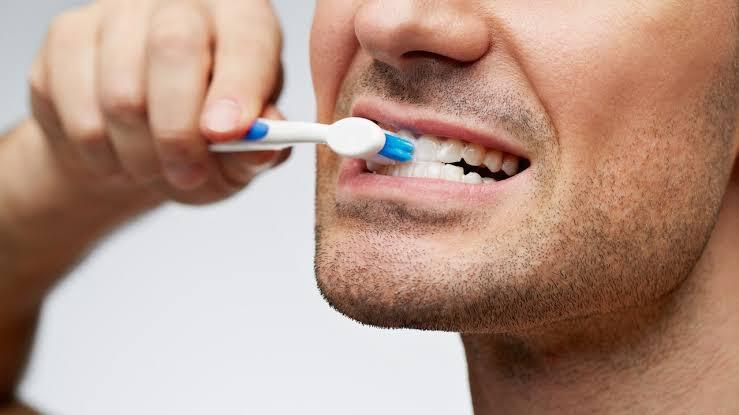
Aggressively Scrubbing Lesions with a Toothbrush: Stripping the protective fibrin cover re-exposes deeper nerve terminals and introduces oral bacteria into the wound bed.
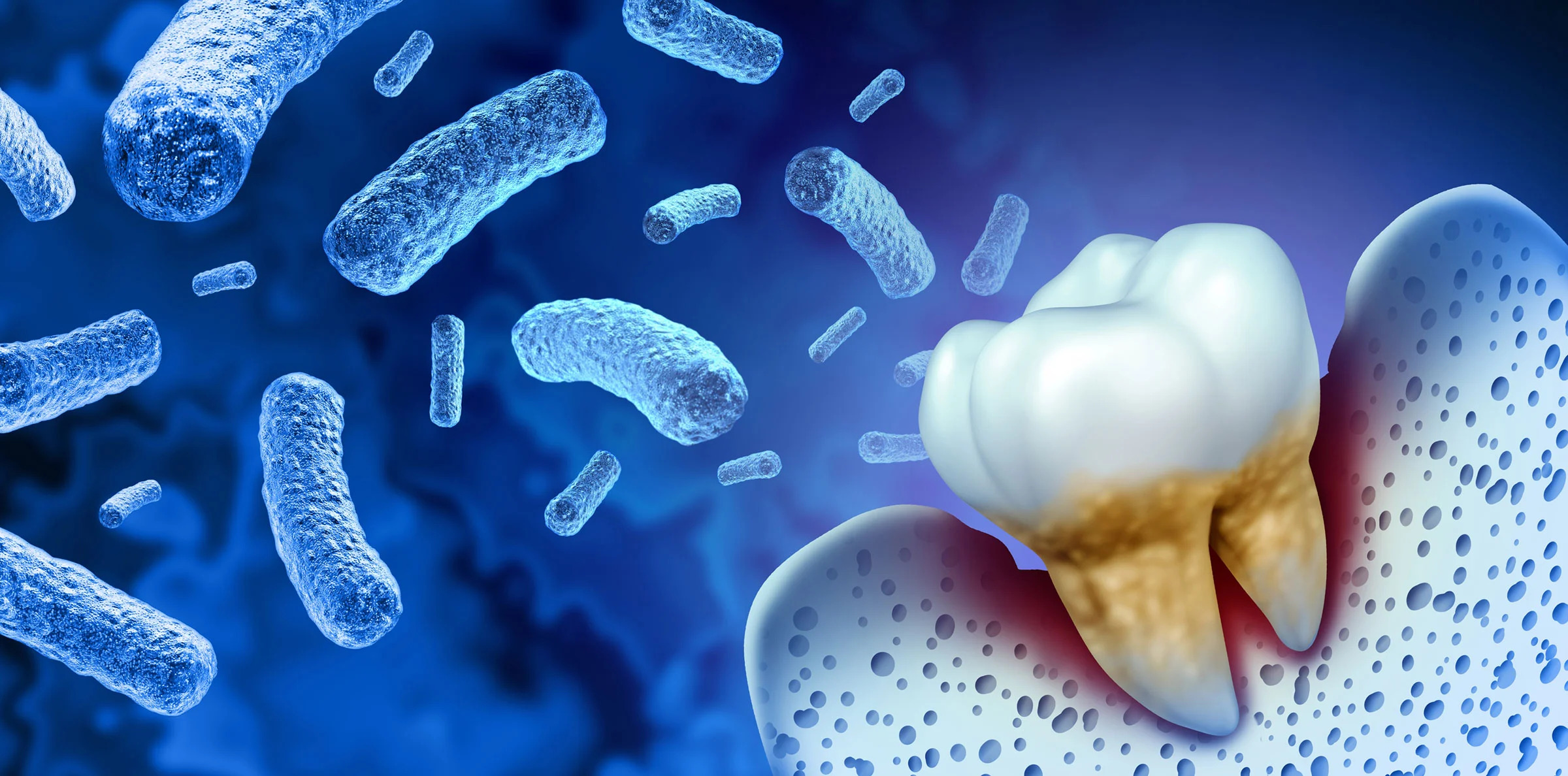
Unsupervised Self-Prescription of Antibiotics: Most mouth sores are non-bacterial; taking broad-spectrum antibiotics disrupts the oral microbiome, predisposing patients to oral thrush (Candidiasis).
Factors Influencing Treatment Cost
Regulatory directives prohibit static treatment quotes; clinical management costs depend on individual diagnostic complexity:
Diagnostic Modalities: Standard clinical assessment versus mandatory histopathological scalpel biopsy, laboratory tissue analysis, and systemic blood panels for persistent sores.
Therapeutic Technology Deployed: Prescription pharmacotherapy versus advanced chairside diode/Nd:YAG laser biostimulation and cauterization sessions.
Elimination of Underlying Mechanical Triggers: Restorative contouring of fractured cusps, replacement of traumatizing prosthetics, or orthodontic appliance re-alignment.
Lesion Distribution and Complexity: Managing an isolated solitary aphtha versus comprehensive systemic therapy for generalized vesiculobullous autoimmune disorders.
Minor Mouth Sore vs. Major Mouth Sore Comparison Matrix
Clinical Parameter | Minor Mouth Sore | Major Mouth Sore |
Diameter | Under 1 cm (Commonly 2 to 8 mm) | Exceeds 1 cm (Up to 2 to 3 cm) |
Tissue Penetration Depth | Epithelial and superficial lamina propria | Extends into deep muscular layers |
Healing Duration | 7 to 10 Days | 2 to 6 Weeks |
Scarring Potential | Heals without scarring | Leaves permanent fibrous scarring |
Pain Level | Moderate; discomfort during meals | Severe; limits speech and swallowing |
Clinical Interventions | Barrier gels, saline rinses | Laser biostimulation, biopsy, systemic steroids |
Frequently Asked Questions (FAQ)
Are all mouth sores contagious to other people?
No. The vast majority of oral lesions, such as traumatic ulcers and aphthous stomatitis, are completely non-contagious; they cannot spread through sharing utensils, kissing, or direct contact. However, if the lesion originates from an active viral infection like Herpes Simplex Virus Type 1 (cold sores) or Coxsackie virus, the vesicular fluid contains high viral loads and is transmissible until fully crusted.
When should I be worried that a mouth sore is oral cancer?
You should seek a clinical evaluation if a solitary sore persists beyond 14 days without showing signs of healing, particularly if it presents with raised, hardened (indurated) borders, bleeds upon touch, or is accompanied by painless cervical lymphadenopathy. Chronic, painless, non-healing ulcers warrant a biopsy to rule out malignant transformation.
Does rinsing with baking soda water truly help heal a mouth sore?
Yes. Sodium bicarbonate neutralizes oral acidity, creating an alkaline environment that limits opportunistic bacterial growth and minimizes irritation of exposed sensory nerves. Mixing half a teaspoon of baking soda in eight ounces of lukewarm water creates an effective, non-abrasive palliative mouth rinse.