Contentsexpand_more
- What Is the Wobbling of a Healthy Tooth and Clinical Grading?
- Why Does a Healthy Tooth Wobble?
- Can a Loose Tooth Tighten Back Up?
- What to Do with a Wobbling Healthy Tooth
- 1. Periodontal Splinting (Fiber Ribbon Stabilization)
- 2. Scaling and Root Planing (Deep Subgingival Debridement)
- 3. Guided Tissue Regeneration (GTR) and Bone Grafting
- 4. Occlusal Equilibration and Nightguards
- Can a Wobbling Tooth Heal at Home?
- Comparison Matrix: Etiologies of Tooth Mobility and Prognosis
- Frequently Asked Questions (FAQ)
- Does a loose healthy tooth always require extraction?
- What first aid should I perform at home if my tooth is loose after an accident?
- Is periodontal splinting painful, and is the splint visible when I smile?
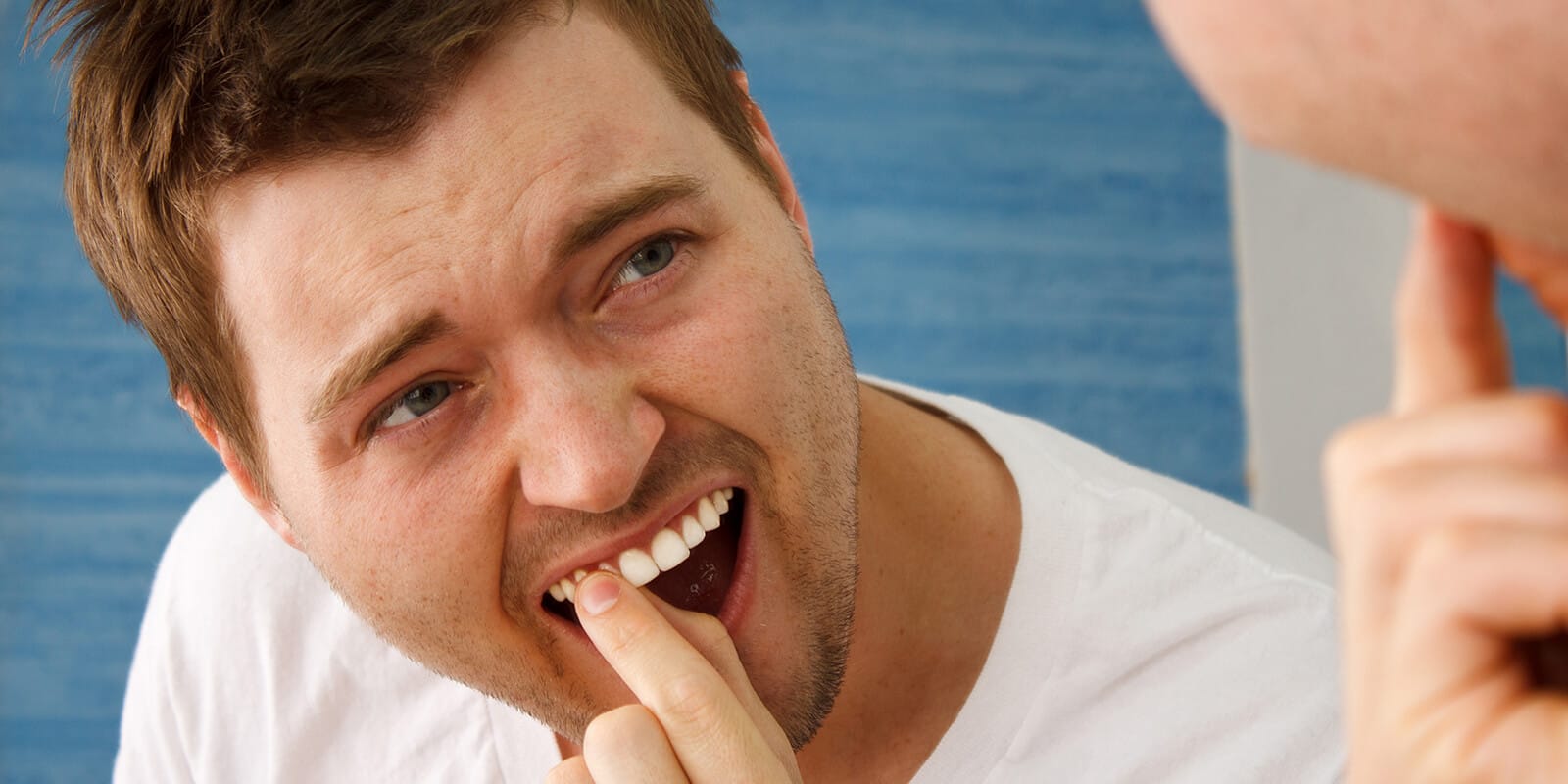
You stand before the mirror, brush your teeth, and suddenly notice that a tooth moves slightly back and forth upon tactile pressure. There is no visible dental decay, no dark cavitation, and no antecedent dental pain; structurally, the tooth appears sound. Experiencing the wobbling of a healthy tooth is an alarming and disorienting clinical situation for many patients. The common lay assumption that "only decayed teeth are at risk of being lost" fails to account for periodontal biology. Even if the coronal enamel and dentin are pristine, when the supporting alveolar bone and anchor ligaments degrade, the tooth loses its structural foundation.
A physiological tooth mobility of approximately 0.1 mm exists to cushion functional masticatory loads. However, when mobility becomes tactilely palpable, it indicates an underlying pathology.
What Is the Wobbling of a Healthy Tooth and Clinical Grading?
In clinical periodontology, the wobbling of a healthy tooth (pathological tooth mobility) is defined as the displacement of a tooth beyond physiological limits in response to normal forces, resulting from structural destruction of the surrounding periodontium (periodontal ligament, cementum, and alveolar bone) in the absence of primary carious cavitation.
Tooth mobility is classified into three progressive clinical degrees:
Grade 1 Mobility: Horizontal displacement of up to 1 mm. Fully reversible with early clinical intervention.
Grade 2 Mobility: Horizontal displacement exceeding 1 mm; often accompanied by discomfort during mastication.
Grade 3 Mobility: Severe displacement in both horizontal and vertical axial directions (the tooth can be depressed into its socket); carries a guarded prognosis requiring periodontal surgery.
Why Does a Healthy Tooth Wobble?
Understanding why does a healthy tooth wobble and wobbling of a healthy tooth without decay involves several primary etiologies:
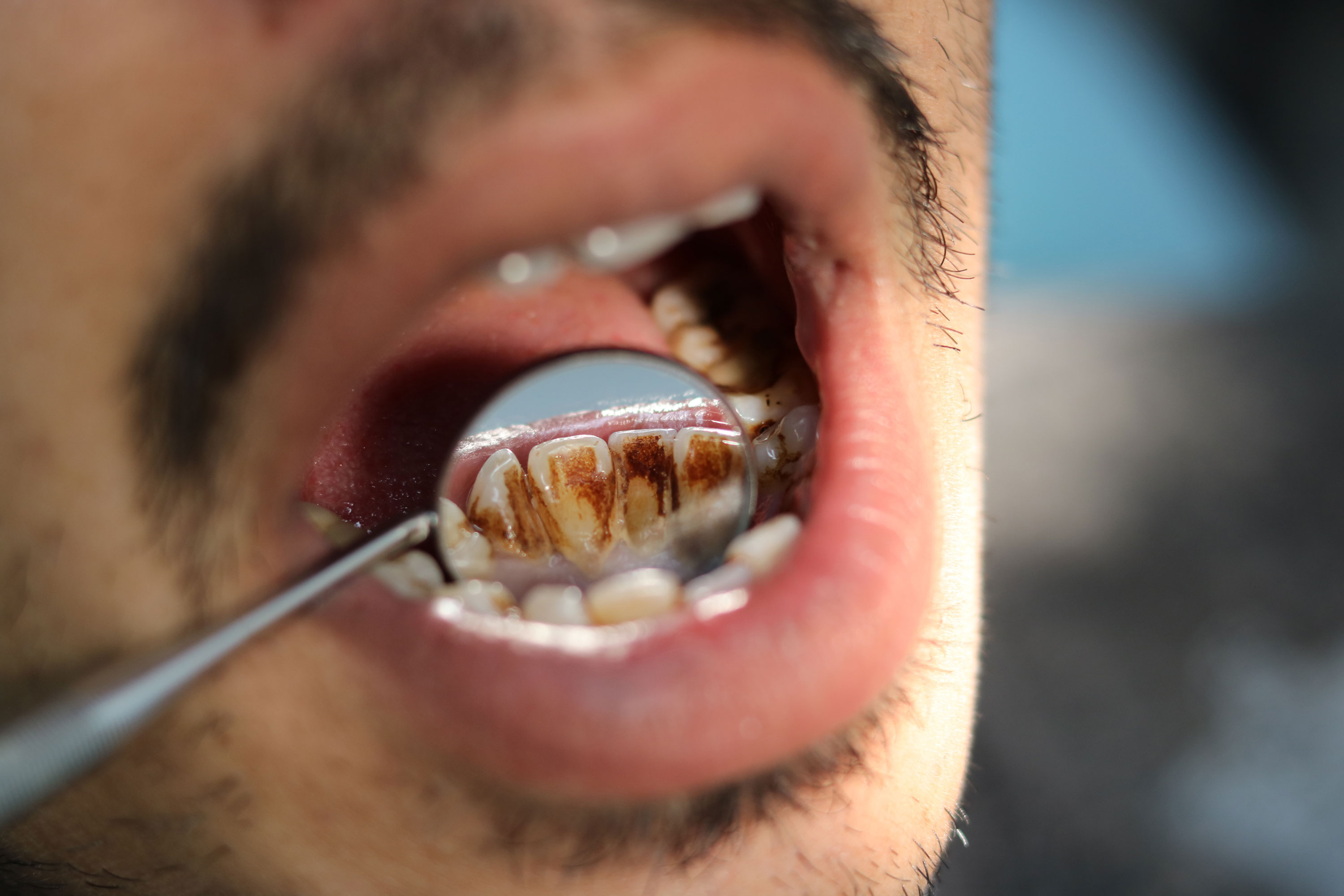
Advanced Periodontal Disease and Alveolar Bone Loss (Periodontitis): The leading cause globally. Subgingival calculus (hardened tartar) harbors anaerobic pathogens that trigger chronic inflammation, destroying alveolar bone. As bone support resorbs, the clinical root-to-crown ratio worsens, and the tooth loosens.
Acute Mechanical Dental Trauma: Blunt sports injuries, vehicular accidents, or accidental mastication of hard foreign bodies rupture the shock-absorbing fibers of the periodontal ligament.
Chronic Secondary Occlusal Trauma (Bruxism & High Restorations): Excessive biting forces generated by nocturnal teeth clenching or an unadjusted high crown focus destructive lateral shear vectors onto a single tooth, widening the periodontal ligament space.
Hormonal Fluctuations (Pregnancy Gingivitis / Hypermobility): Elevated gestational estrogen and progesterone levels relax systemic and oral ligamentous tissues, producing transient micro-mobility.
Periapical Abscess from Silent Pulpal Necrosis: Historical asymptomatic trauma can cause internal pulpal necrosis without visible decay. Fluid accumulation at the periapical apex pushes the tooth coronally, causing sudden looseness.
Orthodontic Biomechanical Remodeling: Transient minor mobility during fixed orthodontic bracket or clear aligner therapy is an expected biological reaction to cellular bone turnover.
Can a Loose Tooth Tighten Back Up?
Addressing whether a loose tooth can tighten back up depends entirely on the primary etiology and remaining bone architecture:
Following Traumatic Subluxation: If cortical bone remains unbroken and ligamentous fibers are merely stretched or torn, early periodontal stabilization results in reattachment with a success rate exceeding 90%.
Following Occlusal Trauma / Bruxism: Once the premature contact is calibrated or a protective nightguard is integrated, widened periodontal ligament spaces remodel and firmness returns.
In Severe Periodontitis (Extensive Bone Loss): If more than 70% of supporting alveolar bone has been lost, autonomous re-tightening cannot occur. However, regenerative bone grafting and lingual splinting can stabilize and preserve the tooth for years.
What to Do with a Wobbling Healthy Tooth
Deciding what to do with a wobbling healthy tooth involves systematic clinical protocols:
1. Periodontal Splinting (Fiber Ribbon Stabilization)
Connecting mobile teeth to adjacent stable teeth using biomechanical splinting:
A high-tensile braided polyethylene fiber ribbon or flexible orthodontic wire is contoured along the lingual/palatal surfaces.
Secured with flowable composite resin, the splint redistributes occlusal forces across multiple teeth.
Eliminating micro-movement allows periodontal ligament fibers and alveolar bone to repair undisturbed.
2. Scaling and Root Planing (Deep Subgingival Debridement)
When mobility stems from periodontitis, clinicians perform subgingival debridement under local anesthesia, eliminating necrotic cementum and subgingival bacterial biofilm to encourage mucosal re-adaptation.
3. Guided Tissue Regeneration (GTR) and Bone Grafting
In sites displaying vertical infrabony defects, periodontal access surgery is performed to place osteoconductive particulate bone grafts and barrier membranes, stimulating new bone regeneration around the root.
4. Occlusal Equilibration and Nightguards
High spots are polished down to achieve balanced distribution of bite forces. For patients exhibiting bruxism, a custom-milled hard acrylic splint is fabricated.
Can a Wobbling Tooth Heal at Home?
Managing tooth mobility at home requires avoiding common patient errors:
Do Not Manipulate the Tooth: Repeatedly checking stability with your tongue or fingers tears immature collagen bundles before they can reorganize.
Eliminate Anterior Biting: Avoid biting directly into crusty breads, apples, or dense foods with the affected tooth.
Do Not Rely on Rinses or Medications Alone: Antibiotics and mouthwashes cannot re-anchor compromised alveolar bone; formal clinical intervention is required.
Comparison Matrix: Etiologies of Tooth Mobility and Prognosis
Etiology | Diagnostic Signs | Bone Deficit Status | Primary Clinical Protocol | Retention Prognosis |
Acute Trauma / Impact | Sudden mobility, gingival sulcular bleeding | Intact alveolar bone | Immediate Flexible Splinting | 85% – 95% (Excellent) |
Early Periodontitis | Bleeding on probing, Grade 1 mobility | Mild crestal bone resorption | Scaling & Root Planing | 80% – 90% (High) |
Nocturnal Clenching | Morning tenderness, widened PDL | Ligament widening, minimal loss | Occlusal Relief + Nightguard | 80% – 85% (High) |
Severe Periodontitis | Purulent exudate, Grade 2–3 mobility | Extensive horizontal/vertical loss | Regenerative Surgery + Splint | 40% – 60% (Guarded) |
Frequently Asked Questions (FAQ)
Does a loose healthy tooth always require extraction?
No. Tooth extraction is considered a last resort. Unless there is a vertical root fracture or complete loss of alveolar housing, modern periodontology can save mobile teeth through deep subgingival debridement, bone regeneration, and fiber splinting.
What first aid should I perform at home if my tooth is loose after an accident?
If a tooth becomes loose following blunt trauma, do not touch, manipulate, or push it with your tongue or fingers. If oral bleeding is present, rinse gently with cool water and place light pressure using a sterile gauze pad. Avoid biting on that side and visit an oral surgeon or dentist within the first 1 to 2 hours for stabilization.
Is periodontal splinting painful, and is the splint visible when I smile?
No. Periodontal splinting is completely painless and rarely requires local anesthesia. Because the fiber ribbon and composite bonding are placed strictly on the lingual or palatal (inner) surfaces of the teeth, the stabilization mechanism is completely invisible during speaking and smiling.