Contentsexpand_more
- What Causes Tooth Yellowing?
- Extrinsic Chromatic Staining:
- Intrinsic Chromatic Alteration:
- Tooth Yellowing Despite Brushing: Why Does It Happen?
- Tooth Yellowing Vitamin Deficiency: Is There a Link?
- How to Remove Smoking Tooth Yellowing
- How to Clean Tooth Yellowing: Professional Clinical Solutions
- 1. Professional Dental Scaling and Air-Flow Polishing
- 2. Professional In-Office Bleaching
- 3. Custom Take-Home Whitening Systems (Home Bleaching)
- Whitening Protocols and Clinical Comparison Matrix
- Preventative Strategies to Maintain Bright Teeth
- Frequently Asked Questions (FAQ)
- Does professional teeth whitening (bleaching) damage tooth enamel?
- How long do professional teeth whitening results last?
- Can brushing with baking soda or salt at home remove tooth yellowing safely?
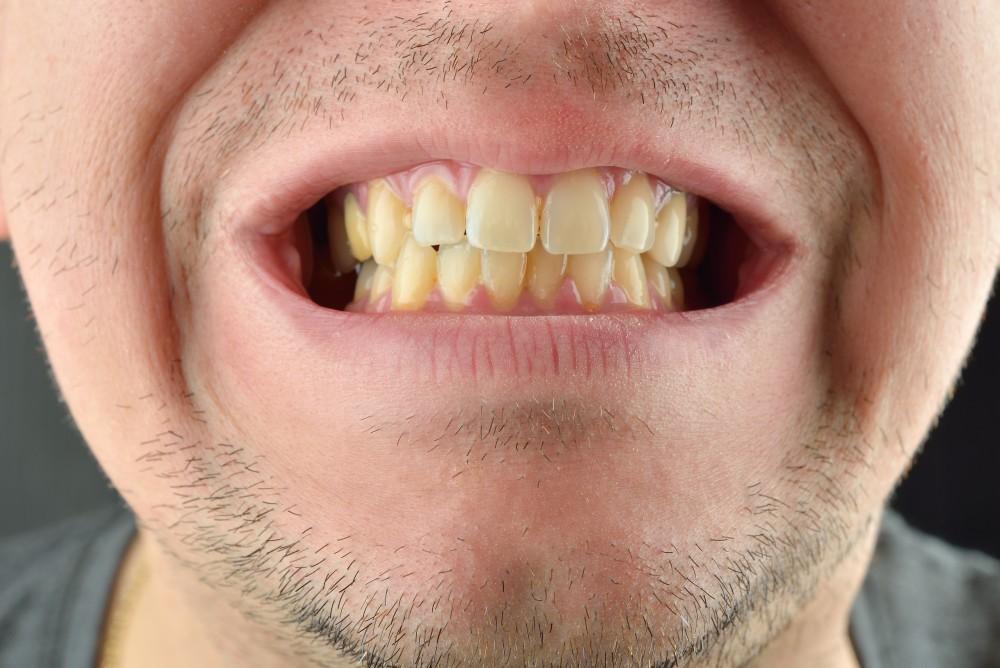
When evaluating facial aesthetics, the chromatic brilliance of our smile plays a defining role in personal confidence and social engagement. A bright, stain-free smile projects health and vitality. However, progressive chromatic degradation occurs over time due to chromogenic dietary habits, lifestyle choices, tobacco consumption, physiological aging, and inadequate oral hygiene. Clinically known as chromatic alteration, tooth yellowing remains one of the most frequent chief complaints presented at cosmetic dental consultations.
A significant demographic of patients report struggling with tooth yellowing despite brushing diligently twice a day. Many attempt unsafe home remedies using highly abrasive baking soda or acidic fruit scrubs, unknowingly inflicting irreversible mechanical abrasion and chemical erosion on their enamel. The biological mechanism of tooth coloration depends on the complex optical interaction between the outer translucent enamel layer and the underlying yellow dentin matrix. In this comprehensive master manual, we evaluate what causes tooth yellowing, analyze tooth yellowing despite brushing, outline protocols to remove smoking tooth yellowing, examine tooth yellowing vitamin deficiency links, and detail how to clean and fix tooth yellowing using professional clinical whitening systems.
What Causes Tooth Yellowing?
When patients ask what causes tooth yellowing, clinical diagnostics categorize the etiology into extrinsic (surface staining) and intrinsic (internal structural changes) mechanisms:
Extrinsic Chromatic Staining:
o Chromogenic Foods and Beverages: Coffee, black tea, red wine, dark berries, soy sauce, and tomato-based sauces contain high concentrations of tannins and chromogens. These pigmented molecules adhere to the organic pellicle and penetrate microscopic enamel pores over time.
o Tobacco Products: Tar and nicotine present in cigarettes, cigars, hookahs, and vaping liquids react with oxygen, forming stubborn brown and dark yellow surface deposits.
o Plaque Accumulation and Dental Calculus: Inadequate mechanical plaque removal allows soft bio-film to calcify with salivary minerals, creating rough, yellow-greenish calculus deposits along the cervical margins.
Intrinsic Chromatic Alteration:
o Aging and Enamel Thinning: As part of the natural aging process, the outer protective enamel layer undergoes gradual wear and thinning. As enamel thins, the naturally dark yellow, highly chromatic dentin matrix shines through more prominently.
o Trauma and Pulpal Necrosis: Physical trauma or pulpal death leads to the breakdown of hemoglobin within the pulp chamber, discoloring the tooth internally to a yellow, grey, or dark brown hue.
o Developmental Factors: Excessive fluoride ingestion during tooth development (fluorosis) or systemic administration of tetracycline-class antibiotics during pregnancy or early childhood creates deep intrinsic yellow-grey structural bands.
Tooth Yellowing Despite Brushing: Why Does It Happen?
Patients frequently present with tooth yellowing despite brushing their teeth multiple times a day. This scenario is driven by specific biomechanical and genetic factors:
Abrasive Toothpastes and Aggressive Brushing: Brushing forcefully or using highly abrasive "whitening" toothpastes (high Relative Dentin Abrasivity / RDA values) strips away the outer white enamel layer over time. As the enamel thins, the underlying dark yellow dentin becomes more visible; thus, aggressive brushing actually makes teeth look more yellow.
Genetic Enamel Characteristics: Naturally thinner enamel or a higher baseline saturation of internal dentin is genetically determined. Standard brushing clears superficial bio-film but cannot alter the intrinsic baseline shade of the dentin.
Acid Erosion: Frequent exposure to acidic foods or gastric reflux causes acid erosion, thinning the enamel layer independent of brushing frequency.
Tooth Yellowing Vitamin Deficiency: Is There a Link?
Addressing the query regarding tooth yellowing vitamin deficiency, clinical research indicates that while vitamin deficiencies do not directly cause yellow pigmentation, specific nutritional deficits weaken enamel mineralization, rendering it more susceptible to staining.
Vitamin D and Calcium Deficiency: Vitamin D is essential for intestinal calcium absorption. A deficiency during developmental or remodeling phases leads to hypomineralized, porous enamel. Porous enamel absorbs external food chromogens like a sponge, leading to rapid yellowing.
Vitamin C Deficiency: Severe Vitamin C deficiency compromises periodontal capillary integrity. Bleeding gums and localized breakdown lead to hemoglobin breakdown products depositing along the cervical margins, causing dull, dark discoloration.
Vitamin A Deficiency: Vitamin A maintains epithelial health in salivary glands. Reduced salivary flow compromises natural oral self-cleansing, accelerating plaque accumulation and surface staining.
How to Remove Smoking Tooth Yellowing
Resolving how to remove smoking tooth yellowing cannot be achieved through standard home brushing alone. Tar and nicotine chemically bind to the organic matrix of the enamel.
Never attempt to scrape tobacco stains at home using sharp tools or abrasive charcoal powders, as this destroys the enamel surface.
In our clinical suites, tobacco stains are first treated using an Air-Flow Polishing protocol. Fine sodium bicarbonate or glycine powders delivered via pressurized air-water streams dislodge stubborn tar deposits dislodging stains from micro-grooves.
Following surface clearing, Professional In-Office Bleaching is applied to oxidize deeply embedded tobacco chromogens, restoring natural tooth brightness.
How to Clean Tooth Yellowing: Professional Clinical Solutions
The only scientifically validated answer to how to fix tooth yellowing and how to clean tooth yellowing is through controlled professional dental treatments. Unsupervised home methods utilizing baking soda, lemon juice, or charcoal ruin the enamel matrix via acid erosion and mechanical scratching.
1. Professional Dental Scaling and Air-Flow Polishing
Ultrasonic scaling removes calcified tartar, while Air-Flow technology clears extrinsic stains from coffee, tea, and food, revealing the natural baseline shade of your teeth.
2. Professional In-Office Bleaching
This represents the most effective, rapid clinical protocol performed under direct dental supervision:
Gingival tissues are isolated and protected using a light-cured liquid dam.
High-concentration hydrogen peroxide or carbamide peroxide gels are applied to the enamel surfaces.
Specialized LED or Laser light sources activate the gel, accelerating the breakdown of peroxide into reactive oxygen species that oxidize and shatter organic chromogenic molecules within the enamel pores.
In a single 45-to-60-minute session, tooth shade brightens by 3 to 8 shades.
3. Custom Take-Home Whitening Systems (Home Bleaching)
Custom-fitted clear trays are fabricated using high-precision digital intraoral scans. The patient applies a prescribed lower-concentration peroxide gel inside the trays for 4 to 6 hours daily (or overnight) for 1 to 2 weeks. Combined with in-office treatment, this protocol offers maximum longevity.
Whitening Protocols and Clinical Comparison Matrix
Treatment Protocol | Method & Application | Onset of Action | Shade Improvement |
In-Office Bleaching | Chairside Laser/LED Activated Gel | Immediate (45–60 Minutes) | 3 to 8 Shades Whiter |
Take-Home Bleaching | Custom Trays + Prescribed Gel | 3 to 5 Days | 2 to 5 Shades Whiter |
Combined System (In-Office + Home) | In-Office Session + Home Tray Maintenance | Immediate with superior stability | Maximum Brightness & Longevity |
Air-Flow & Ultrasonic Scaling | Mechanical Powder Stream & Ultrasonic | Immediate upon completion | Clears extrinsic stains (Baseline return) |
Preventative Strategies to Maintain Bright Teeth
Rinse your mouth thoroughly with plain water immediately after consuming chromogenic foods or beverages.
Avoid hard-bristled brushes and highly abrasive toothpastes; select a soft-bristled toothbrush.
Schedule professional dental cleanings and evaluations every 6 months.
Cessation of smoking and all tobacco products.
Frequently Asked Questions (FAQ)
Does professional teeth whitening (bleaching) damage tooth enamel?
No, professional teeth whitening performed under dental supervision does not damage or weaken enamel. Whitening gels do not dissolve or abrade calcified dental hard tissues; they function through an oxidation reaction that targets and breaks down organic pigmented molecules trapped within the enamel pores. However, unregulated over-the-counter kits or acidic home hacks can cause severe, permanent enamel damage.
How long do professional teeth whitening results last?
The longevity of professional whitening results varies based on individual habits, typically lasting between 1 and 3 years. Frequently consuming coffee, red wine, or tobacco reduces longevity. Results can be maintained indefinitely by performing brief home touch-up treatments using custom trays once a year and maintaining proper oral hygiene.
Can brushing with baking soda or salt at home remove tooth yellowing safely?
No, brushing with baking soda, salt, lemon juice, or charcoal does not safely fix tooth yellowing; it severely exacerbates the problem. Salt and baking soda particles are coarse and abrasive, scratching the enamel surface (sandpaper effect). Lemon juice and vinegar introduce acid that chemically dissolves enamel minerals. As the protective enamel thins and scratches, the underlying yellow dentin shines through more prominently, permanently darkening the teeth.