Contentsexpand_more
- What is Nighttime Teeth Grinding?
- What Causes Nighttime Teeth Grinding?
- Nighttime Teeth Grinding Symptoms
- How to Stop Nighttime Teeth Grinding and Clinical Treatments
- 1. Custom Nighttime Teeth Grinding Mouthguard and Splints
- 2. Nighttime Teeth Grinding Botox (Masseter Botulinum Toxin)
- 3. Behavioral and Sleep Hygiene Protocols
- Comparison Matrix: Sleep Bruxism Management Modalities
- Frequently Asked Questions (FAQ)
- Can I use over-the-counter soft boil-and-bite mouthguards from pharmacies?
- Will masseter Botox affect my ability to chew or cause facial sagging?
- How long do I need to wear a nightguard for teeth grinding?
Do you wake up in the morning with tension headaches radiating across your temples, soreness in front of your ears, or tightness in your jaw while eating breakfast? Or has a sleep partner mentioned persistent clicking, gnashing, or friction sounds during the night? Occurring unconsciously during the deeper stages of sleep, nighttime teeth grinding (clinically termed sleep bruxism) is one of the most destructive orofacial conditions of the modern era. While normal mastication exerts approximately 20 to 30 kg of functional bite force, nocturnal involuntary clenching can generate massive mechanical loads exceeding 100 to 150 kg.
This destructive force induces micro-cracks in enamel, flattens anterior incisal edges, accelerates gingival clefting, and precipitates temporomandibular joint (TMJ) internal disc derangement.
What is Nighttime Teeth Grinding?
In neuromuscular dentistry, nighttime teeth grinding is defined as an involuntary, rhythmic or sustained sleep-related movement disorder characterized by sustained clamping (clenching) or rhythmic lateral friction (grinding) of the mandibular teeth against the maxillary arch.
Clinically, bruxism manifests in two primary presentations:
Static Clenching: Isometric vertical jaw clamping without audible grinding. It frequently presents with severe morning temporal headaches, masticatory muscle hypertrophy, and cervical muscle stiffness.
Dynamic Grinding: Rhythmic lateral and protrusive mandibular excursions producing friction sounds. It causes direct incisal attrition, occlusal enamel wear facets, and chipping of prosthetic restorations.
What Causes Nighttime Teeth Grinding?
Evaluating what causes nighttime teeth grinding reveals a multifactorial etiology involving central neurological triggers and peripheral biomechanical factors:
Psychological Stress and Anxiety: High workplace demands, emotional distress, and chronic anxiety elevate nocturnal central nervous system arousal, stimulating motor cortices during sleep.
Central Sleep Micro-Arousals: Sleep architecture fragmentation triggers sympathetic autonomic nervous system surges, causing immediate masseter muscle contractions.
Obstructive Sleep Apnea (OSA): Upper airway collapse prompts the brain to contract masticatory muscles as a protective reflex to advance the mandible and reopen the pharyngeal airway.
Pharmacotherapy (SSRI Antidepressants): Selective serotonin reuptake inhibitors alter central dopaminergic pathways, occasionally inducing secondary bruxism.
Occlusal Prematurities and Malocclusion: High restorations, missing posterior molars, or dental crowding prevent the mandible from finding a stable neuromuscular rest position.
Stimulant Consumption: High evening intake of caffeine, alcohol, and nicotine elevates baseline muscle tonus.
Nighttime Teeth Grinding Symptoms
Because sleep bruxism occurs unconsciously, patients often present after significant damage has occurred. Common nighttime teeth grinding symptoms include:
Morning Temporal Headaches: Dull, aching bilateral tension headaches localized around the temples upon awakening.
Nighttime Teeth Grinding Jaw Pain: Stiffness in the preauricular region, restricted morning mouth opening, and clicking or popping sensations in the TMJ.
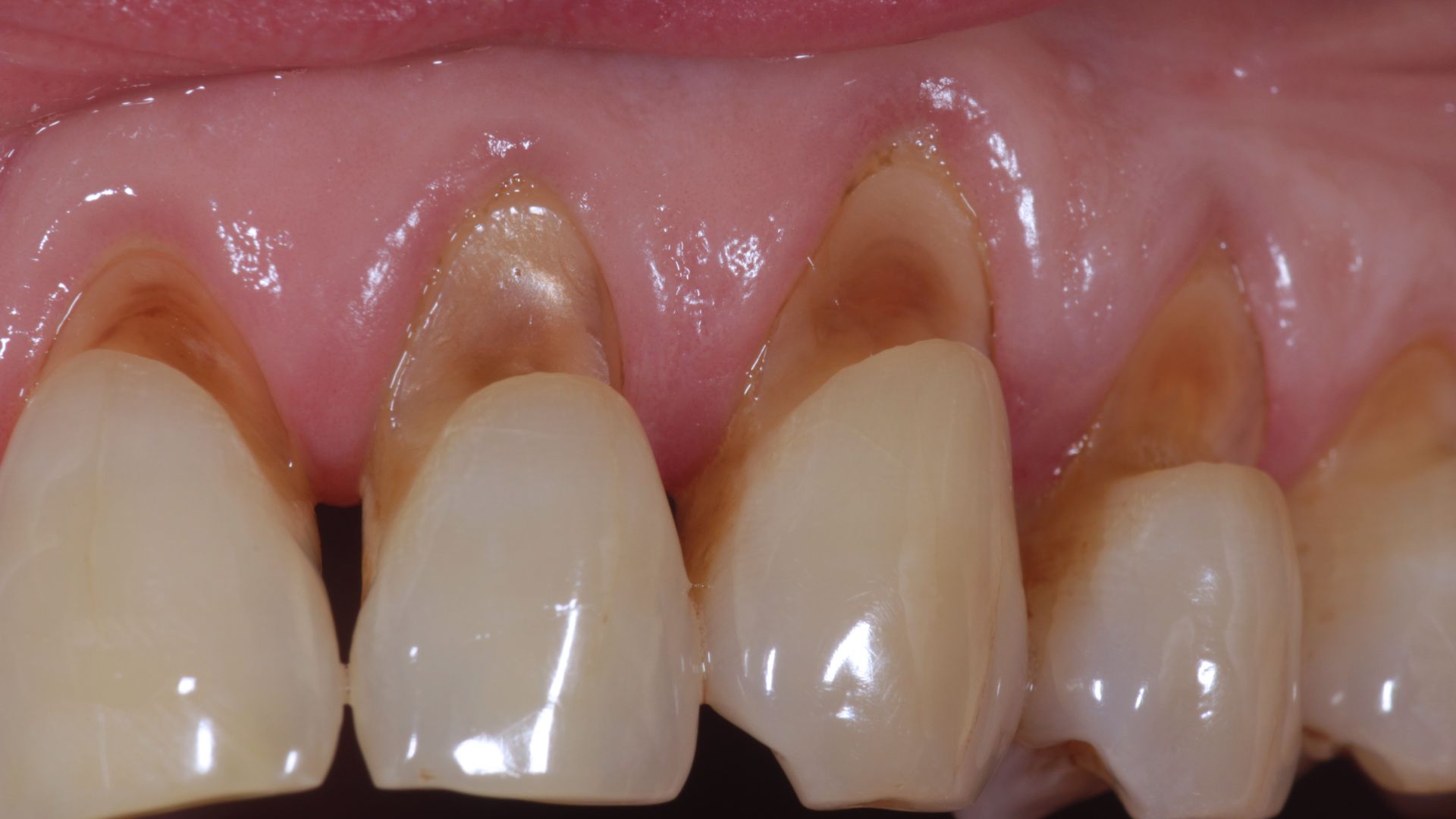
Dental Attrition and Shortened Teeth: Fractured incisal enamel margins, flattened posterior cusps, and exposed yellowish dentin.
Unexplained Dental Sensitivity: Generalized sensitivity to thermal stimuli (cold water/hot coffee) across multiple teeth without active caries.
Linea Alba on the Buccal Mucosa: A raised white, horizontal keratinized line running along the inside of the cheeks corresponding to the occlusal plane.
Square Jawline Appearance (Masseter Hypertrophy): Progressive enlargement of the masseter muscles due to chronic isometric exercise, altering facial aesthetics.
How to Stop Nighttime Teeth Grinding and Clinical Treatments
Addressing how to stop nighttime teeth grinding and how to prevent nighttime teeth grinding requires evidence-based therapeutic protocols:
1. Custom Nighttime Teeth Grinding Mouthguard and Splints
The clinical standard for managing sleep bruxism is a custom-fabricated hard acrylic nighttime teeth grinding mouthguard or nighttime teeth grinding device (occlusal stabilization splint):
Over-the-counter boil-and-bite soft guards should be avoided; flexible materials stimulate chewing reflexes and increase clenching forces.
Digitally designed hard acrylic splints separate occlusal contact, decompress the TMJ space, protect natural enamel, and prevent restoration fractures.
2. Nighttime Teeth Grinding Botox (Masseter Botulinum Toxin)
For patients with marked muscle hypertrophy or severe myofascial pain, nighttime teeth grinding botox delivers rapid clinical relief:
Botulinum Toxin Type A is injected directly into hyperactive masseter and temporalis muscle bellies using micro-needles.
It inhibits acetylcholine release at the neuromuscular junction, attenuating maximum voluntary contraction forces by 60% to 70%.
Normal chewing, swallowing, and speech remain uncompromised, while excessive nighttime crushing forces are eliminated. Therapeutic relief lasts 4 to 6 months.
3. Behavioral and Sleep Hygiene Protocols
Discontinue caffeine, energy drinks, and tobacco at least 4 hours before bedtime.
Apply moist heat compresses to the masseter muscles for 10 to 15 minutes before sleep.
Practice daytime mindfulness: ensure lips are closed and teeth remain slightly apart at rest ("N-posture").
Comparison Matrix: Sleep Bruxism Management Modalities
Treatment Approach | Mechanism of Action | Delivery Protocol | Tooth Enamel Protection | Joint & Muscle Decompression |
Hard Occlusal Splint | Mechanical barrier + Joint decompression | Nightly wear | 100% Protection | Optimal (Balances load) |
Masseter Botox | Biochemical reduction of muscle power | Injections every 4–6 mos | Indirect protection | Superior (Resolves pain rapidly) |
Over-The-Counter Soft Guard | Basic inter-arch separation | Universal boil-and-bite | Poor (Stimulates clenching) | Low / Potentially harmful |
Pharmacotherapy (Relaxants) | Central nervous system relaxation | Short-term oral medication | None | Temporary short-term relief |
Frequently Asked Questions (FAQ)
Can I use over-the-counter soft boil-and-bite mouthguards from pharmacies?
No, commercial soft mouthguards are not recommended for sleep bruxism. Due to their resilient, elastic nature, soft guards act like chewing gum, stimulating the trigeminal motor nucleus and increasing nocturnal clenching. Additionally, uncalibrated soft guards can cause occlusal shifts and aggravate TMJ disc displacement. A protective appliance must be made of custom-milled hard acrylic prescribed by a dentist.
Will masseter Botox affect my ability to chew or cause facial sagging?
No. Masseter Botox selectively targets hyperactive muscle fibers, reducing excessive clenching forces while preserving the baseline physiological muscle strength needed for normal chewing, talking, and eating. When administered by experienced clinicians who understand facial anatomy, it does not cause skin sagging; instead, it softens an overly bulky, square lower face into a more balanced facial contour.
How long do I need to wear a nightguard for teeth grinding?
The duration of splint therapy depends on the severity of your condition. For acute myofascial pain or internal joint inflammation, consistent nightly wear for 3 to 6 months is standard. Because bruxism is often a chronic neuromuscular habit driven by central stress responses, many patients continue wearing their splints long-term to protect their natural teeth, crowns, and veneers from fracture.