Contentsexpand_more
- What is a Salty Taste in the Mouth?
- What Causes a Salty Taste in the Mouth?
- Symptoms Associated with a Salty Taste in the Mouth
- How to Stop a Salty Taste in the Mouth: Clinical Treatment Modalities
- 1. Fluid Rebalancing and Hydration Therapy
- 2. Periodontal Debridement and Pocket Decontamination
- 3. Endodontic Microsurgery (Fistula Eradication)
- 4. Salivary Gland Management and Sialolith Removal
- 5. ENT Management of Postnasal Secretions
- Home Remedies to Mitigate a Salty Taste
- Factors Influencing Treatment Cost
- Comparison Matrix: Salty vs. Metallic vs. Bitter Taste in Mouth
- Frequently Asked Questions (FAQ)
- Is a persistent salty taste in the mouth a symptom of a serious disease?
- Can swallowing the salty drainage from a gum infection cause stomach problems?
- Why does brushing my teeth fail to clear the salty taste?
Have you experienced moments where, despite consuming no sodium-rich foods, an intense brine-like flavor coats your tongue as if you had swallowed seawater, refusing to dissipate even after drinking a glass of water? Many individuals awaken in the morning or notice an unexpected salty, acidic, or metallic fluid seeping across their palate during the day. Frequently dismissed as a minor consequence of dehydration or dietary choices, when this symptom persists over weeks, it diminishes culinary enjoyment and provokes clinical concern. In oral medicine, a salty taste in mouth (clinically recognized as a manifestation of dysgeusia) is an early diagnostic indicator ranging from systemic dehydration to occult periodontal abscesses, sialolithiasis, or chronic sinonasal drainage.
Saliva is a specialized biological fluid designed to hydrate the oral mucosa, initiate carbohydrate digestion, and buffer taste receptor cells. Under physiological conditions, salivary sodium and chloride ions exist at balanced baseline concentrations that cortical brain centers perceive as neutral. When systemic water volume declines, subgingival microflora provoke localized inflammation, or salivary ducts become obstructed, the biochemical composition of saliva shifts, elevating electrolyte concentrations.
What is a Salty Taste in the Mouth?
In oral medicine, the scientific definition of a salty taste in mouth is: A qualitative taste distortion (dysgeusia) wherein peripheral taste receptor cells located within lingual papillae transmit continuous saline gustatory signals to the central nervous system, triggered by elevated salivary sodium/chloride concentrations, altered mucous viscosity, or the intraoral drainage of purulent and serous exudates.
Experiencing an unprovoked salty sensation is not an independent disease entity; it is a clinical symptom signaling a localized tissue infection or systemic fluid imbalance.
What Causes a Salty Taste in the Mouth?
Clinical evaluations identify several primary factors underlying what causes a salty taste in the mouth:
Systemic Dehydration: The most prevalent etiology. When fluid intake falls below physiological requirements, the body conserves water by reducing salivary flow rates. As water volume drops, salivary mineral ions (sodium, potassium, chloride) concentrate, producing a noticeable brine taste.
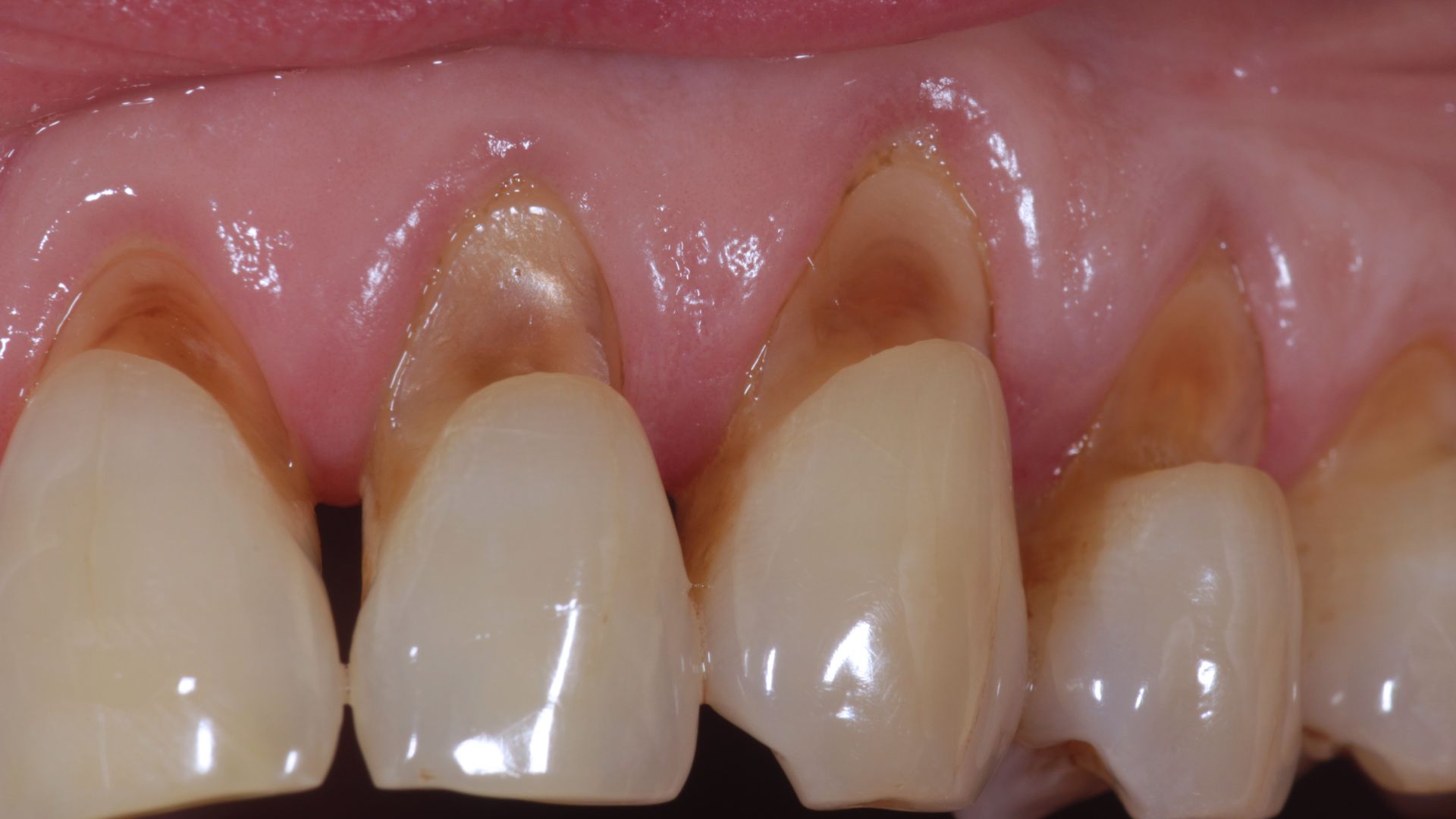
Periodontal Abscesses and Subgingival Infections: Deep periodontal pockets harboring anaerobic microflora produce inflammatory exudate and serosanguinous pus. Rich in sodium chloride and necrotic proteins, this fluid constantly seeps into the oral cavity, generating a foul, salty taste.
Periapical Fistula Drainage: Chronic apical abscesses eroding through alveolar cortical plates develop a mucocutaneous tract (fistula) along the attached gingiva, periodically discharging salty, purulent fluid.
Bacterial Sialadenitis and Salivary Duct Stones (Sialolithiasis): Calculus obstructing the submandibular (Wharton's) or parotid (Stensen's) ducts restricts salivary flow, fostering retrograde bacterial infection. Milking the gland yields thick, salty exudate into the floor of the mouth or buccal corridor.
Chronic Sinusitis and Postnasal Drip: Allergic rhinitis, deviated septa, or chronic rhinosinusitis directs mucopurulent secretions down the posterior pharynx. High sodium levels in respiratory mucus coat the posterior tongue, leaving a persistent salty sensation.
Medication-Induced Xerostomia (Dry Mouth): Antihypertensives, antidepressants, antihistamines, or diuretic regimens downregulate salivary production, concentrating baseline minerals.
Post-Surgical Oral Healing and Micro-Bleeding: Trace capillary weeping following extractions or periodontal scaling breaks down erythrocytes, liberating sodium and iron salts.
Nutritional Deficiencies and Neuropathy: Zinc or vitamin B12 deficiencies, alongside cranial nerve neuropathies (involving CN VII or CN IX), cause aberrant gustatory signal firing.
Symptoms Associated with a Salty Taste in the Mouth
Depending on the underlying driver, a salty taste frequently coexists with distinct clinical signs:
Oral Dryness and Chapped Lips: Sensation of the tongue adhering to the palatal vault, diminished saliva pooling, and fissured lip margins.
Erythematous, Edematous, and Bleeding Gums: Marginal gingival redness and bleeding on probing, accompanied by foul-tasting discharge upon digital pressure.
Mealtime Submandibular Swelling: Unilateral swelling and tenderness beneath the jaw or cheek during salivary stimulation (e.g., eating sour foods), followed by a sudden rush of salty liquid.
Pharyngeal Clearing and Tickling: Continual sensation of mucus drainage in the throat, necessitating frequent swallowing.
Oral Malodor (Halitosis): Persistent sulfurous breath reflecting volatile compounds released by trapped subgingival bacteria.
How to Stop a Salty Taste in the Mouth: Clinical Treatment Modalities
At Livera Dental Clinic, eliminating a persistent salty taste is directed at treating the structural root cause:
1. Fluid Rebalancing and Hydration Therapy
When driven by dehydration, consuming 2 to 2.5 liters of water daily while moderating caffeine and alcohol restores physiological salivary volume and normalizes mineral dilution within days.
2. Periodontal Debridement and Pocket Decontamination
If the salty discharge originates from inflamed gingival tissues:
Ultrasonic and micro-curette root planning removes subgingival calculus and biofilm.
Diode laser debridement or antiseptic irrigation suppresses deep pocket pathogens.
Resolving the abscess arrests purulent weeping, eliminating the salty taste.
3. Endodontic Microsurgery (Fistula Eradication)
When periapical bone lesions drain through a sinus tract:
Microscopic root canal therapy or apical microsurgery clears intracanal microbial reservoirs.
Sealing root canals with bioceramic sealers closes the mucosal fistula, eliminating fluid egress.
4. Salivary Gland Management and Sialolith Removal
For obstructed salivary channels:
Conservative gland massage, hydration, and sialagogues (e.g., lemon drops) stimulate flow to dislodge small stones.
Sialendoscopy or minor surgical transoral stone excision clears persistent obstructions.
5. ENT Management of Postnasal Secretions
When chronic sinus disease drives the complaint, targeted nasal corticosteroid sprays, saline sinus lavages, or antihistamine therapies resolve the posterior drainage.
Home Remedies to Mitigate a Salty Taste
Palliative steps while awaiting clinical evaluation include:
Increase Pure Water Intake: Sip 8 to 10 glasses of water throughout the day to keep oral tissues hydrated.
Use Alcohol-Free Enzymatic Rinses: Commercial rinses containing alcohol desiccate the mucosa; choose alcohol-free formulations with natural salivary enzymes.
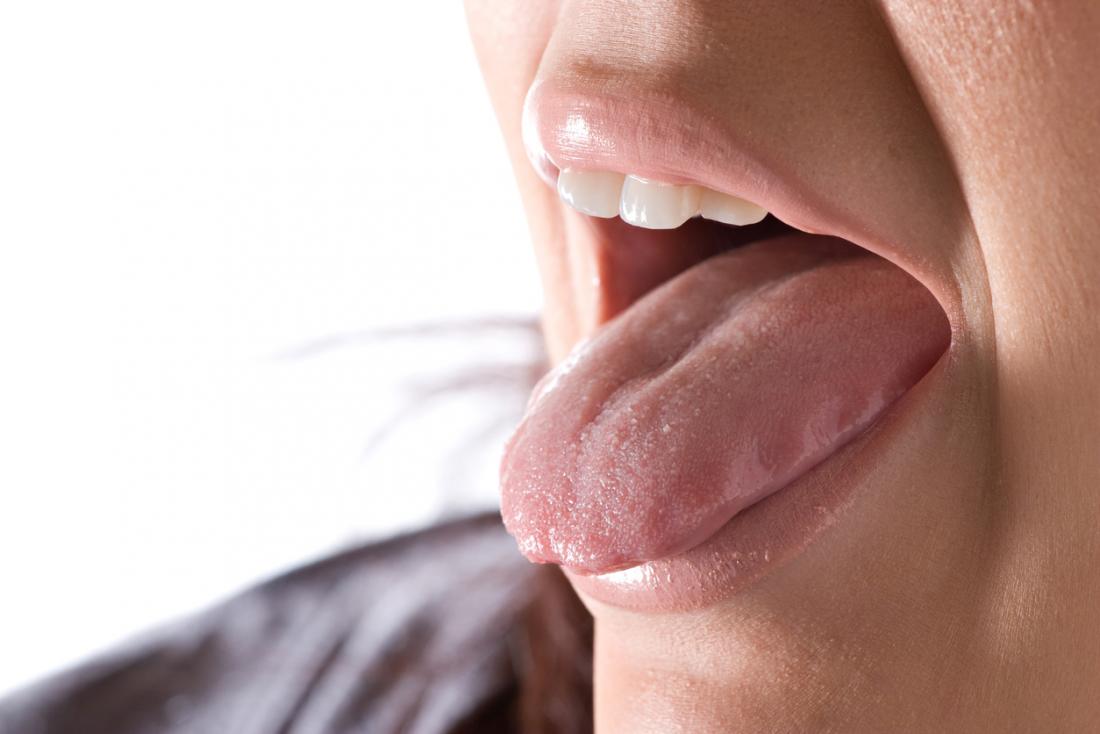
Practice Systematic Tongue Scraping: Plaque on lingual papillae distorts taste; clean the dorsal tongue daily using a dedicated scraper.
Suspend Tobacco Habits: Smoking impairs salivary flow, inflames mucosal tissues, and alters taste bud morphology.
Factors Influencing Treatment Cost
Regulatory directives prohibit static treatment fees; clinical costs depend on the required medical intervention:
Scope of Required Dental Therapy: Routine professional prophylaxis versus complex multi-rooted microscopic endodontic retreatments.
Periodontal Surgical Needs: Deep pocket debridement and laser-assisted open-flap periodontal surgery to eradicate chronic suppuration.
Diagnostic Imaging Technology: High-resolution 3D cone-beam computed tomography (CBCT) or occlusal radiographs required to locate duct stones or periapical lesions.
Adjunctive ENT and Pharmacological Care: Prescription antimicrobial formulations, salivary stimulants, and cross-specialty consultations.
Comparison Matrix: Salty vs. Metallic vs. Bitter Taste in Mouth
Diagnostic Marker | Salty Taste | Metallic Taste | Bitter / Acidic Taste |
Primary Etiology | Dehydration, oral abscess, postnasal drip | Gingival bleeding, degraded restorations | Gastroesophageal reflux (GERD), bile |
Salivary Profile | Concentrated electrolytes, purulent exudate | Erythrocyte breakdown (iron components) | Low pH, acidic chemical wash |
Co-occurring Sign | Oral dryness, salty oozing around teeth | Bleeding on brushing, halitosis | Retrosternal burning, morning nausea |
Primary Clinician | Periodontist & ENT Specialist | Dentist | Gastroenterologist & Dentist |
Definitive Therapy | Hydration + Abscess drainage + Root canal | Scaling & polishing + Crown replacement | Acid suppression + Dietary therapy |
Frequently Asked Questions (FAQ)
Is a persistent salty taste in the mouth a symptom of a serious disease?
In most cases, no. A persistent salty taste commonly stems from manageable issues such as inadequate water intake, chronic sinusitis, or localized gum infections. However, if the sensation continues for weeks despite hydration and is accompanied by persistent headaches, facial numbness, or unilateral facial swelling, it can occasionally indicate salivary gland pathology, systemic renal or endocrine imbalances, or cerebrospinal fluid (CSF) rhinorrhea following head trauma. Persistent cases warrant professional clinical examination.
Can swallowing the salty drainage from a gum infection cause stomach problems?
Swallowing minor amounts of purulent exudate from a periodontal pocket or fistula is typically neutralized by gastric stomach acid without triggering acute poisoning. However, chronic ingestion of bacteria and endotoxins can disturb the gastrointestinal microbiome, contributing to gastritis and digestive upset. The primary concern remains the ongoing destruction of jawbone around the infected tooth.
Why does brushing my teeth fail to clear the salty taste?
Toothpaste provides brief flavoring, but it cannot alter systemic electrolyte concentrations in saliva or eliminate bacterial reservoirs in deep bone pockets or obstructed salivary glands. Within 15 minutes of brushing, concentrated saliva continues to flow from the glands or purulent fluid seeps from the pocket, re-establishing the salty taste. Resolving the symptom requires clinical treatment of the underlying cause.