Contentsexpand_more
- What is a Rechargeable Toothbrush and What is a Manual Toothbrush?
- Does a Rechargeable Toothbrush Clean Better Than a Manual?
- Advantages and Clinical Benefits of Rechargeable Toothbrushes
- Advantages and Unique Merits of Manual Toothbrushes
- Does a Rechargeable Toothbrush Damage Dental Enamel?
- Does a Rechargeable Toothbrush Prevent Tartar (Calculus)?
- Rotating-Oscillating vs. Sonic Toothbrushes: Which to Choose?
- Factors Influencing Toothbrush Costs
- Comparison Matrix: Rechargeable Toothbrush vs. Manual Toothbrush
- Frequently Asked Questions (FAQ)
- Can you clean teeth just as well with a manual toothbrush as with a rechargeable?
- How often should I replace the head of my rechargeable toothbrush?
- Are rechargeable toothbrushes safe for patients with implants, crowns, and veneers?
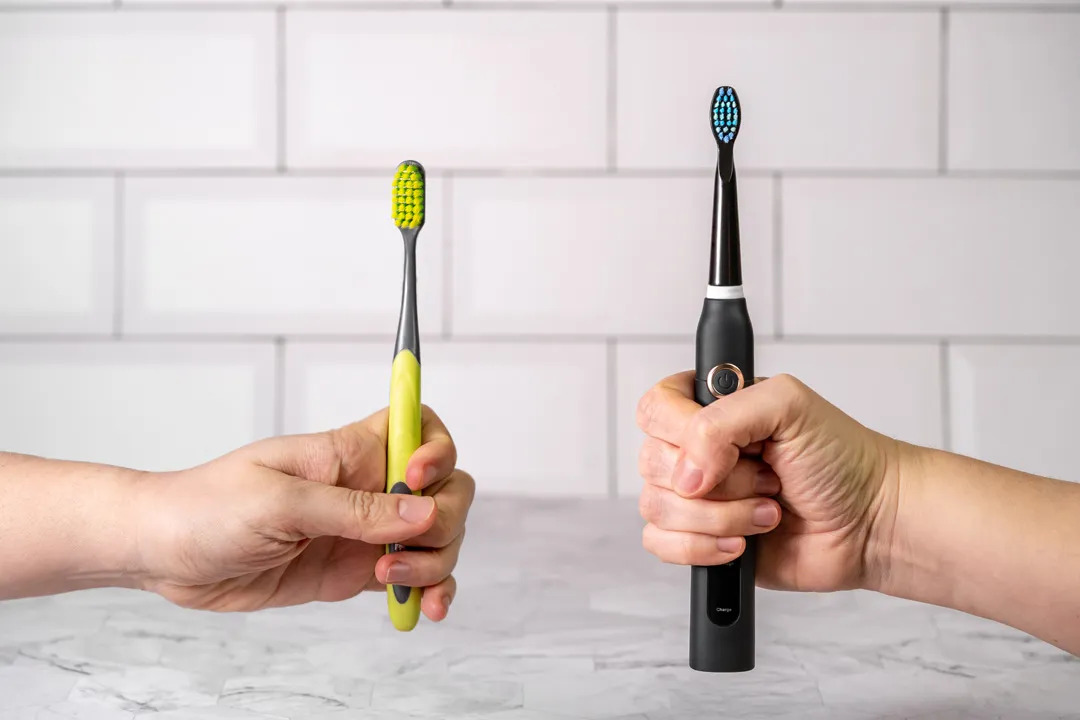
Standing in the oral care aisle or browsing online health platforms, you inevitably encounter a wide range of devices and confront a fundamental question: "Is investing in a rechargeable toothbrush truly worth the expense, or does a conventional manual toothbrush deliver equivalent clinical results?" While some dismiss electric devices as unnecessary marketing, others argue that manual brushes are obsolete tools incapable of removing plaque thoroughly. In clinical periodontology and preventive dentistry, deciding between a rechargeable toothbrush or manual is not merely a question of motor power; it is an objective evaluation of user dexterity, brushing compliance, and long-term gingival safety.
Dental plaque is a biofilm composed of bacteria and salivary glycoproteins adhering tenaciously to enamel surfaces and subgingival margins. Failure to disrupt this biofilm daily leads to enamel demineralization, dental caries, and marginal gingivitis. With a manual brush, all mechanical energy relies entirely on manual dexterity, grip strength, and patience. Conversely, a rechargeable toothbrush automates thousands of sweeps, oscillations, or sonic fluid dynamics directly across the tooth surfaces.
What is a Rechargeable Toothbrush and What is a Manual Toothbrush?
Understanding the underlying mechanics of both modalities is essential:
Manual Toothbrush: A hand-held oral hygiene device consisting of nylon bristle filaments arranged on a plastic handle, featuring no internal motor or electrical components. Its plaque removal capacity depends entirely on the operator's adherence to the modified Bass technique (holding bristles at a 45-degree angle toward the gumline and applying gentle circular sweeps). An average manual session produces roughly 200 to 300 strokes per minute.
Rechargeable (Electric) Toothbrush: A powered hygiene device driven by a rechargeable lithium-ion battery, utilizing an internal motor to oscillate or vibrate brush filaments at high velocities. They operate across two primary engineering mechanisms:
Oscillating-Rotating Systems: Small, circular brush heads rotate back and forth at approximately 8,000 to 10,000 oscillations while pulsating forward and backward at up to 40,000 pulses per minute to fracture plaque matrices.
Sonic Vibration Systems: Standard-shaped brush heads vibrate at high audio frequencies, producing 30,000 to 62,000 brush movements per minute. These micro-movements generate hydrodynamic fluid dynamics, driving oxygenated water and saliva deep into interdental spaces beyond mechanical bristle reach.
Does a Rechargeable Toothbrush Clean Better Than a Manual?
Extensive systematic reviews, including independent assessments by the Cochrane Collaboration, establish clear clinical differences regarding rechargeable toothbrush or manual performance:
21% Greater Plaque Reduction: Long-term clinical evaluations demonstrate that rechargeable toothbrushes reduce dental plaque by 21% more than manual brushes after 3 months of use.
11% Reduction in Gingivitis: Powered toothbrushes reduce gingival bleeding scores and localized tissue inflammation by 11% compared to manual brushing.
Compensation for Technique Deficiencies: While achieving optimal plaque debridement with a manual brush demands meticulous technique, powered toothbrushes clean uniformly across all dental surfaces with minimal manual manipulation.
Advantages and Clinical Benefits of Rechargeable Toothbrushes
Modern powered toothbrushes provide several clinical advantages:
Integrated Timers (The Two-Minute Rule): Most people assume they brush for two minutes; stopwatch trials reveal average manual brushing times hover around 45 to 60 seconds. Powered toothbrushes incorporate 30-second quadrant pacers and two-minute shut-off timers, ensuring compliance with professional standards.
Pressure Sensors for Enamel and Gum Protection: Manual brush users frequently apply excessive force, attempting to scrub teeth cleaner. Smart pressure sensors illuminate warning lights and downregulate motor speeds whenever excessive force is detected, preventing gingival clefts and cervical abrasion.
Assistance for Limited Motor Skills: For patients with rheumatoid arthritis, carpal tunnel syndrome, parkinsonism, fixed orthodontic appliances, or young children with developing dexterity, powered brushes clean effectively without strenuous wrist articulation.
Advantages and Unique Merits of Manual Toothbrushes
Conventional manual toothbrushes offer distinct practical merits:
Accessibility and Affordability: Readily available worldwide at low costs, allowing easy replacement.
Complete Portability: Free from charging cables, adapter bricks, or outlet requirements, making them convenient for travel and outdoor recreation.
Fine Tactical Control in Surgical Sites: Following procedures such as bone grafting, dental implants, or gingivectomy, surgeons advise ultra-soft surgical manual brushes to cleanse borders without motor-induced micro-trauma.
Zero Mechanical Failure: Contains no printed circuit boards, motor brushes, or batteries that can lose charge or fail over time.
Does a Rechargeable Toothbrush Damage Dental Enamel?
Evaluating safety concerns regarding whether electric toothbrushes damage enamel:
Safe Under Normal Clinical Use: Commercial powered brush bristles are end-rounded through microscopic polishing, ensuring they cannot scratch or abrade mineralized hydroxyapatite enamel.
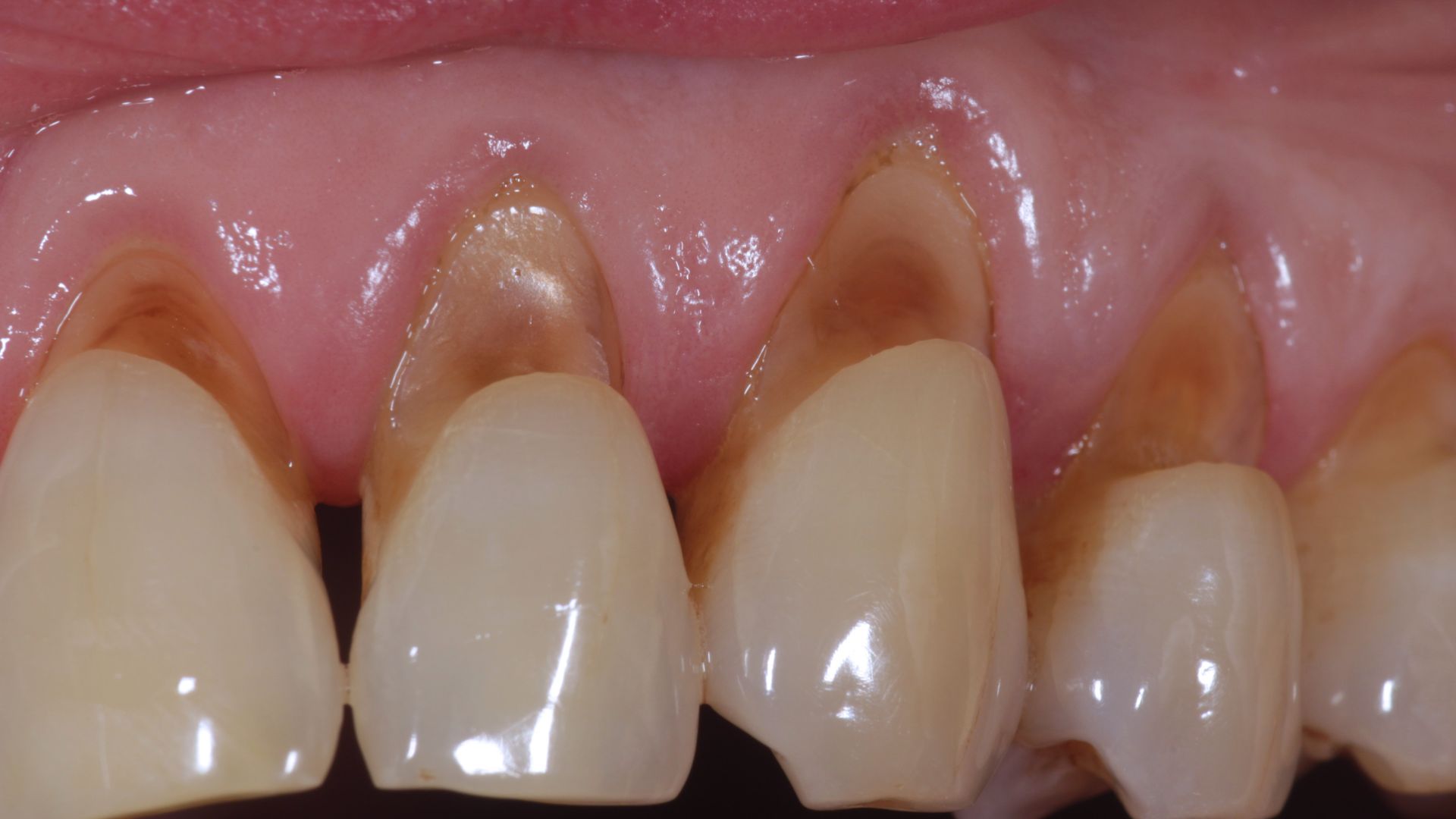
The Hazard of Abrasive Pastes and Heavy Force: Enamel wear (abfraction and cervical erosion) occurs when an electric brush is pressed forcefully against the cervical margin while paired with high-RDA (Relative Dentin Abrasivity) charcoal or baking soda pastes.
Clinical Rule: Simply hold the powered head gently against each tooth surface for 2 to 3 seconds without sawing back and forth, allowing the motor to perform the work.
Does a Rechargeable Toothbrush Prevent Tartar (Calculus)?
Cannot Remove Calcified Calculus: Once mineralized by calcium and phosphate salts from saliva, dental calculus is firmly bonded to enamel. No toothbrush, rechargeable or manual, can remove established tartar; it requires ultrasonic scaling in a dental office.
Inhibits New Calculus Deposition: Tartar begins as soft, uncalcified microbial plaque that hardens after 24 to 48 hours of neglect. By disrupting the immature biofilm, rechargeable toothbrushes reduce calculus accumulation by up to 70%.
Rotating-Oscillating vs. Sonic Toothbrushes: Which to Choose?
When choosing a powered system:
Rotating-Oscillating Units: The small, round head cups each tooth individually, making them effective for crowded arches and lingual surfaces of mandibular molars.
Sonic Units: The elongated brush head mirrors a traditional brush, vibrating at high frequencies. The resulting hydrodynamic action reaches between teeth and along gingival sulci, making sonic units comfortable for individuals with sensitive teeth, thin gingival biotypes, or orthodontic brackets.
Factors Influencing Toothbrush Costs
When evaluating oral hygiene expenditures, several financial factors apply:
Device Hardware and Technology: Basic battery-operated models versus advanced smart brushes featuring Bluetooth telemetry, AI position sensors, multiple cleaning modes, and pressure indicators.
Replacement Head Overhead: The recurring investment required to replace proprietary manufacturer brush heads every 3 months.
Manual Filament Engineering: Basic nylon toothbrushes versus ergonomic brushes featuring thousands of ultra-dense filaments (e.g., Curen fibers) designed for atraumatic sulcular cleaning.
Preventive Healthcare Savings: While the initial outlay for a rechargeable system is higher, its superior plaque debridement helps prevent expensive restorative treatments for caries, endodontic therapy, and periodontal disease over time.
Comparison Matrix: Rechargeable Toothbrush vs. Manual Toothbrush
Feature | Rechargeable Toothbrush | Manual Toothbrush |
Movements Per Minute | 8,000 to 62,000 micro-actions | 200 to 300 manual strokes |
Plaque Removal Efficacy | 21% greater reduction in plaque | Standard with perfect technique |
Gingival Safety | Active pressure sensor stops over-brushing | Risk of manual scrub abrasions |
Compliance & Timing | Automatic 2-minute timer with interval alerts | User-estimated (Often under 60 seconds) |
Portability | Requires travel case/charging base | Immediate travel companion |
Initial Investment | Moderate to high initial cost | Very low, economical |
Replacement Cycle | Change detachable head every 3 months | Discard and replace entire unit every 3 months |
Frequently Asked Questions (FAQ)
Can you clean teeth just as well with a manual toothbrush as with a rechargeable?
Theoretically, yes; clinically, it rarely happens. If an individual masters the modified Bass technique, positions bristles at 45 degrees into the sulcus, executes precise vibratory motions without scrubbing horizontally, and maintains this for two minutes twice daily, a manual brush provides adequate cleanliness. However, clinical studies show over 90% of manual users scrub horizontally, use excessive force, and stop within 60 seconds. A rechargeable toothbrush compensates for these procedural shortcomings.
How often should I replace the head of my rechargeable toothbrush?
Both detachable heads for rechargeable units and conventional manual toothbrushes must be replaced at least every 3 months. Over 90 days of daily use, nylon filaments suffer structural fatigue, splay outward, and develop jagged microscopic edges that irritate gingiva rather than sweeping plaque. If bristles flare early or you have recovered from a viral or streptococcal infection, replace the head immediately.
Are rechargeable toothbrushes safe for patients with implants, crowns, and veneers?
Yes; in fact, they are strongly recommended. Implant fixtures and aesthetic porcelain/zirconia crowns depend on healthy surrounding peri-implant and gingival tissues to prevent bone resorption (peri-implantitis). Powered toothbrushes, particularly sonic units with extra-soft filaments, remove subgingival plaque along crown margins safely without scratching glazed porcelain or titanium components.