Contentsexpand_more
- Causes of Toothache at Night
- Why Does a Toothache Get Worse at Night?
- What to Do If Toothache Strikes at Night
- How to Stop Toothache at Night
- Crucial Mistakes to Avoid During Nighttime Flare-Ups
- Should You Go to the Emergency Room for a Toothache at Night?
- Clinical Treatment for Nighttime Tooth Pain
- 1. Endodontic Therapy (Root Canal Treatment)
- 2. Deep Caries Excavation and Pulp Capping
- 3. Tooth Extraction (Last Resort)
- Factors Influencing Treatment Cost
- Daytime Toothache vs. Nighttime Toothache Comparison
- Frequently Asked Questions (FAQ)
- Will a severe toothache that started at night go away on its own by morning?
- Is it safe to apply clove oil, alcohol, or cologne directly onto an aching tooth at night?
- Can taking an antibiotic right away stop the throbbing pain?
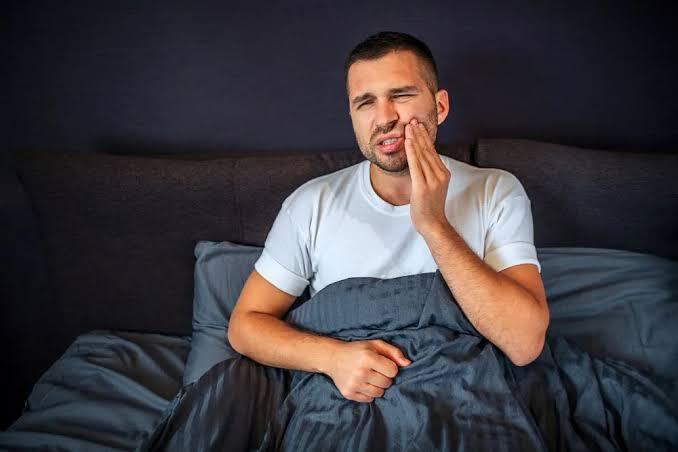
Have you ever spent an entire day experiencing barely noticeable, mild dental sensitivity, only to lie down in bed, rest your head on a pillow, and find yourself consumed thirty minutes later by a violent, throbbing ache radiating toward your temple and ear? Waking up abruptly at 3:00 AM to a rhythmic, heartbeat-like pulsing localized to a single tooth represents one of the most agonizing dental emergencies in oral medicine. Patients frequently evaluate: "Why did a tooth that felt fine all day suddenly flare up at night?" In clinical endodontics, a toothache at night represents an acute physiological warning that the neurovascular tissue inside the tooth pulp has succumbed to irreversible inflammation.
Causes of Toothache at Night
In clinical endodontics, the fundamental pathophysiological mechanism behind a toothache at night is acute irreversible pulpitis, an acute inflammation of the pulp chamber.
Primary etiologies triggering this acute nocturnal pain include:
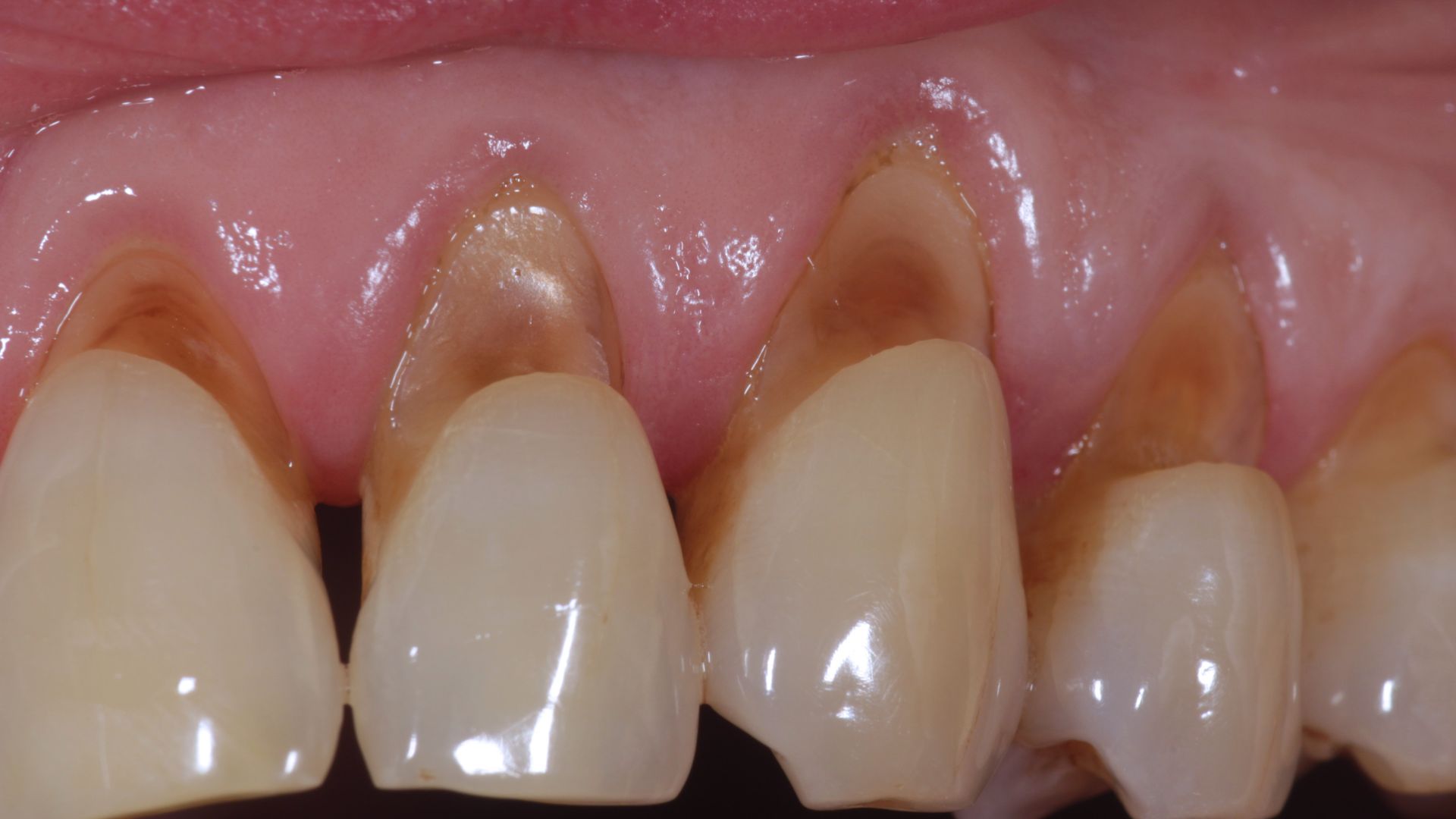
Deep Dental Caries and Bacterial Ingress: Acidogenic bacteria penetrate the protective enamel and dentin layers, breaching the sterile pulp chamber. The dental pulp, encased within non-compliant, calcified dentinal walls, becomes severely hyperemic.
Intrapulpal Pressure Elevation: The closed chamber cannot expand. As inflammatory exudate pools, it exerts direct mechanical compression against sensory A-delta and C-nerve fibers, firing continuous, agonizing throbbing signals.
Failed Historic Root Canals & Periapical Pathosis: Re-activated microbial colonies localized at the root apex provoke periapical osteitis, concentrating periapical tissue pressure during nighttime hours.
Sleep Bruxism (Nocturnal Teeth Grinding): Unconscious nighttime jaw clenching exerts immense non-axial shear loads onto an already inflamed, hyperemic tooth, triggering acute pain.
Deep Longitudinal Cracked Tooth Syndrome: Micro-fracture flexure under resting salivary conditions permits fluid and thermal exchange, irritating the inflamed internal pulp.
Why Does a Toothache Get Worse at Night?
Patients frequently question why toothache gets worse at night, moving from a manageable nuisance to an overwhelming emergency. This clinical pattern is governed by distinct anatomical and physiological mechanisms:
Recumbent Posture and Cranial Hydrostatic Pressure: When upright, gravity pools systemic venous blood toward the lower extremities. Transitioning to a horizontal (recumbent) sleep position eliminates this gradient, equalizing hydrostatic pressures across the body and significantly increasing arterial perfusion toward the head and neck. In an inflamed tooth, dilated pulpal micro-vessels expand further against unyielding dentin walls, elevating intrapulpal pressure.
Circadian Drop in Endogenous Cortisol: The body's primary anti-inflammatory and pain-modulating hormone, cortisol, drops to its lowest circadian concentrations during the late evening and early morning hours. This reduction dampens natural anti-inflammatory buffering, lowering systemic pain thresholds and magnifying the inflammatory response.
Removal of Sensory and Cognitive Distractions: The active sensory input, tasks, and conversations of daytime hours occupy cognitive pain-processing pathways. In nighttime darkness and silence, sensory gating diminishes, directing attention entirely to the throbbing focal site.
What to Do If Toothache Strikes at Night
When severe nocturnal tooth pain flares unpredictably, implement the following steps to mitigate discomfort safely:
Elevate Your Head Using Multiple Pillows: Transition immediately out of a flat horizontal posture. Recline at a 45-degree angle using two or three supportive pillows. Keeping your head elevated above heart level decreases cranial hydrostatic venous pressure, reducing throbbing intensity.
Rinse Gently with Warm Saline: Dissolve half a teaspoon of salt into eight ounces of lukewarm water and rinse gently. Saline clears trapped food particles compressing swollen interdental papillae and exerts a mild osmotic effect that reduces localized mucosal edema.
Apply an External Cold Compress: Place an ice pack wrapped in a cloth towel against the external cheek over the affected tooth for 10 minutes on, followed by 10 minutes off. Cold vasoconstricts localized capillary beds, mitigating tissue pressure.
Gently Clear Interproximal Spaces with Floss: If the pain stems partly from hard food debris forced into an interdental pocket, gentle flossing relieves immediate wedging pressure.
Avoid Any Hot Applications: Never apply a hot water bottle or heating pad to the face. Heat induces vascular dilation, accelerates bacterial proliferation, and can cause a dental abscess to swell rapidly into facial tissue spaces.
How to Stop Toothache at Night
Systemic interventions to manage pain until morning clinical access is available:
Non-Steroidal Anti-Inflammatory Drugs (NSAIDs): Medications containing ibuprofen, flurbiprofen, or dexketoprofen serve as first-line agents. They inhibit cyclooxygenase (COX) enzymes, downregulating prostaglandins and relieving both tissue edema and pulpal pain. Use strictly in accordance with packaging or pharmacist directions.
Acetaminophen (Paracetamol): Serves as an effective alternative for patients with active gastrointestinal ulcers, renal impairment, or bleeding risks, though it lacks the peripheral anti-inflammatory potency of NSAIDs.
Never Place Crushed Tablets Directly on the Gum: Placing aspirin, alcohol, or other substances against the gum tissue creates chemical caustic burns (aspirin necrosis), causing tissue sloughing without relieving internal tooth pain.
Crucial Mistakes to Avoid During Nighttime Flare-Ups
Applying Aspirin or Rubbing Alcohol to the Gums: Induces severe chemical burns on delicate oral mucosa.
Probing the Cavity with Sharp Needles or Toothpicks: Perforates pulp exposures and pushes infectious bacteria into the periapical bone.
Starting Random Leftover Antibiotics: A single nighttime antibiotic tablet cannot cure acute pain; antibiotics are not analgesics and do not diffuse rapidly into necrotic pulp spaces.
Exceeding Safe Analgesic Dosages: Ingesting multiple pain relievers outside safe dosing intervals risks hepatotoxicity or renal damage; adhere strictly to labeled dosing schedules.
Should You Go to the Emergency Room for a Toothache at Night?
Evaluating emergency department access for acute nighttime tooth pain:
General Hospital Emergency Rooms: Standard hospital emergency departments rarely have licensed dentists on duty overnight. ER physicians cannot perform endodontic procedures or dental extractions; they can only provide temporary intramuscular analgesic injections or written prescriptions.
24/7 Dedicated Dental Emergency Clinics: If a specialized 24-hour dental facility is accessible within your region, seek immediate attention. An on-duty emergency dentist can open the pulp chamber (pulpotomy), release trapped gas and fluid, and eliminate pain at the source.
Red Flag Symptoms Demanding Immediate Medical ER Care: If your toothache is accompanied by facial swelling extending toward the eye or down the neck, high fever, difficulty swallowing (dysphagia), or compromised breathing, report immediately to the nearest hospital emergency room to rule out space infections (e.g., Ludwig's angina).
Clinical Treatment for Nighttime Tooth Pain
At Livera Dental Clinic, definitive daytime treatment eliminates the root cause permanently:
1. Endodontic Therapy (Root Canal Treatment)
The primary clinical solution for teeth exhibiting nocturnal pulpitis:
Local anesthesia is administered to numb the tooth completely, ensuring comfortable care.
Under dental operating microscopes, the infected neurovascular tissue is extirpated from root canals.
Canals are shaped, disinfected with antimicrobial irrigants, and sealed with biocompatible bioceramic sealers, saving the tooth and ending the pain.
2. Deep Caries Excavation and Pulp Capping
If pulpal inflammation remains reversible:
Infected dentin is excavated under isolation.
Bioactive bioceramic liners (e.g., MTA or calcium silicate) are placed to protect and preserve pulp vitality beneath an aesthetic restoration.
3. Tooth Extraction (Last Resort)
If a tooth presents with non-restorable vertical root fractures, extensive subgingival decay, or terminal bone loss, atraumatic extraction is performed, followed by planning for a dental implant.
Factors Influencing Treatment Cost
Health regulations prohibit advertising standardized clinical fees; costs depend on the required treatment modality:
Complexity of the Procedure: A localized composite restoration versus multi-rooted microscopic root canal therapy on a posterior molar.
Number of Root Canals: Single-canal anterior incisors versus complex molar systems with calcified or curved canals.
Severity of Periapical Pathosis: Single-visit endodontics versus multi-visit treatment requiring interim antimicrobial calcium hydroxide dressings.
Final Coronal Restoration: The need for post-endodontic fiber-reinforced core reconstructions or protective zirconia/porcelain crowns.
Daytime Toothache vs. Nighttime Toothache Comparison
Clinical Metric | Daytime Toothache | Nighttime Toothache |
Pain Induction | Triggered by stimulus (Cold, hot, sweet food) | Spontaneous, unprovoked throbbing |
Underlying Mechanism | Dentinal tubule fluid shift (Hypersensitivity) | Elevated intrapulpal tissue pressure (Pulpitis) |
Postural Impact | Unaltered by vertical body orientation | Sharply intensifies upon lying down |
Sleep Disruption | Seldom interrupts deep sleep | Abruptly awakens patient from sleep |
Analgesic Response | Responds readily to mild pain relievers | Frequently refractory to over-the-counter drugs |
Definitive Treatment | Dental filling, desensitizing varnish | Root canal therapy or emergency pulpotomy |
Frequently Asked Questions (FAQ)
Will a severe toothache that started at night go away on its own by morning?
The intensity may diminish slightly once you stand upright and cranial blood pressure drops, but the underlying disease process remains active. Left untreated, the inflamed pulp tissue will necrose (die). When the nerve dies, the pain may temporarily disappear for days or weeks, giving a false impression of healing. However, bacteria will then progress out of the root apex into the surrounding jawbone, causing a chronic periapical abscess that can swell aggressively.
Is it safe to apply clove oil, alcohol, or cologne directly onto an aching tooth at night?
No. Household alcohol and cologne inflict chemical burns on oral mucosal tissues. While pure clove oil contains eugenol, a compound with mild analgesic and antibacterial properties, applying undiluted clove oil onto inflamed gums causes chemical irritation and tissue necrosis. Because the pulp chamber is enclosed internally, topical home remedies cannot relieve intrapulpal pressure.
Can taking an antibiotic right away stop the throbbing pain?
No. Antibiotics are not painkillers. Antibiotics require 24 to 48 hours of systemic circulation to lower bacterial loads, and they cannot penetrate the compromised blood supply of a necrotic pulp chamber. Taking an antibiotic overnight will not relieve throbbing pain. The appropriate emergency measure is taking an anti-inflammatory pain reliever, keeping the head elevated, and seeing an endodontist promptly.