Contentsexpand_more
- What is a Temporary Dental Crown and Why is it Essential?
- How is a Temporary Dental Crown Made and Placed?
- Temporary Dental Crown Pain: Causes and Management
- What to Do if a Temporary Dental Crown Fell Off?
- Swallowing a Temporary Dental Crown: Is it Dangerous?
- How Long Does a Temporary Dental Crown Last?
- Brushing a Temporary Dental Crown: Essential Maintenance Rules
- How to Remove a Temporary Dental Crown Chairside?
- Temporary Dental Crown Cost in 2026
- Structural Comparison: Provisional vs. Permanent Crown Restorations
- Frequently Asked Questions (FAQ)
- Can I eat normally with a temporary dental crown? What foods should I avoid?
- My temporary dental crown broke; can a replacement be made quickly?
- Why does my temporary crown smell bad?
Initiating a transformative aesthetic crown restoration sequence such as monolithic zirconium or translucent porcelain laminates requires precision mechanical reduction (preparation) of the hard dental tissues. Thinning the protective enamel shield leaves the underlying dentin matrix completely exposed. Containing millions of microscopic fluid-filled dentinal tubules, this freshly prepared surface is highly sensitive. During this interim biological phase, placing a high-precision temporary dental crown is a vital medical necessity to shield exposed structures from thermal shocks, bacterial ingress, and mechanical trauma until permanent restorations arrive from the laboratory.
A demographic of patients underestimate the clinical necessity of these provisional restorations, viewing them merely as cosmetic place-holders. However, an ill-fitting or prematurely lost provisional crown can lead to rapid gingival collapse over prepared margins, tooth migration, and irreversible pulpal inflammation requiring root canal therapy. At Livera Dental Clinic has generated this evidence-based manual addressing how is a temporary dental crown made, pain triggers, steps to take if a crown falls off or is swallowed, and 2026 financial parameters.
What is a Temporary Dental Crown and Why is it Essential?
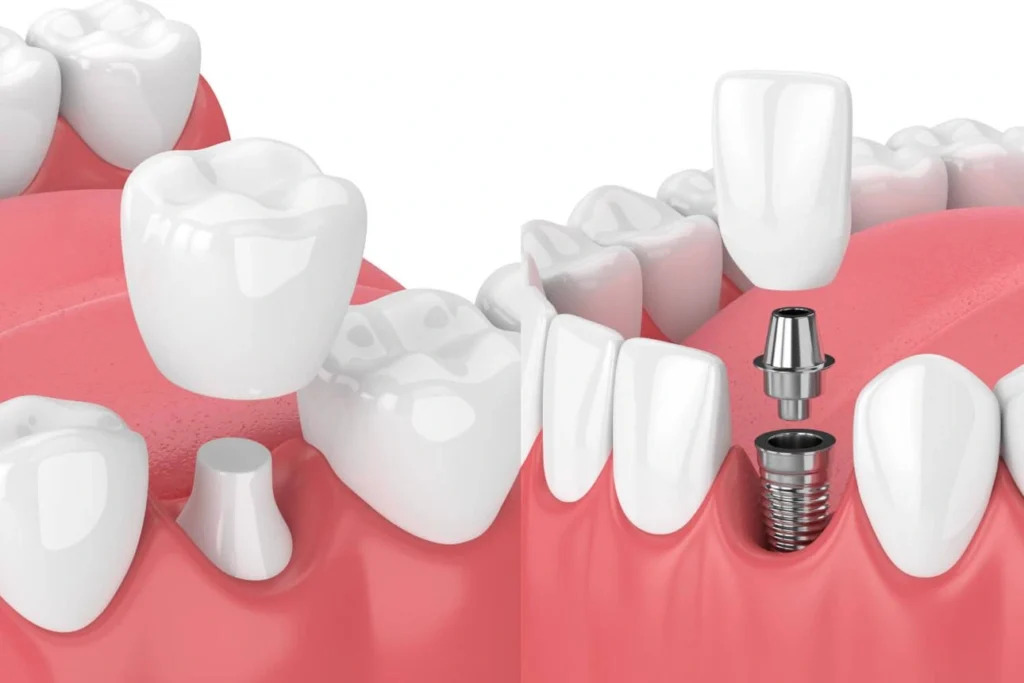
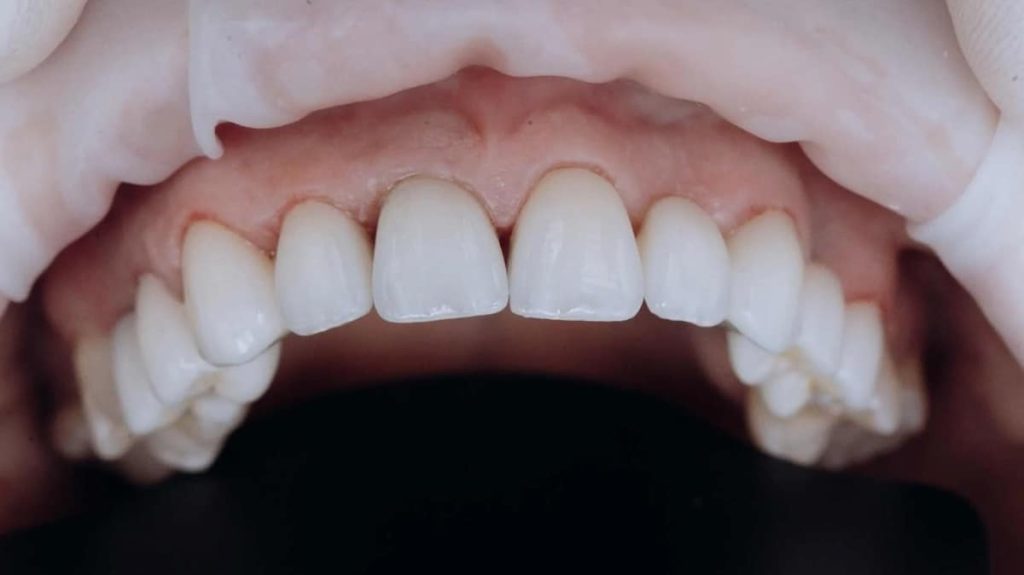
The primary baseline query raised by patients beginning crown preparations is what is a temporary dental crown. A temporary dental crown (provisional restoration) is a short-term protective cover crafted from polymethyl methacrylate (PMMA) or composite-based resins. It seals prepared tooth structures for an interim phase lasting approximately 1 to 3 weeks while permanent porcelain restorations are milled.
Core Clinical Purposes of a Temporary Dental Crown:
Thermal and Neural Shielding: Completely seals exposed dentinal tubules to prevent sharp sensitivity triggered by cold, hot, or sweet stimuli.
Gingival Architecture Preservation: Holds the free gingival margin in place, preventing soft tissue collapse over the prepared cervical shoulders.
Preventing Positional Migration: Preserves interproximal and occlusal contact points, preventing the prepared tooth from drifting or erupting out of alignment.
Esthetic and Functional Continuity: Restores facial aesthetics and maintains baseline speech and masticatory function throughout the treatment phase.
How is a Temporary Dental Crown Made and Placed?
At our prosthodontic suites, understanding how is a temporary dental crown made and how is a temporary dental crown placed involves two clinical workflows:
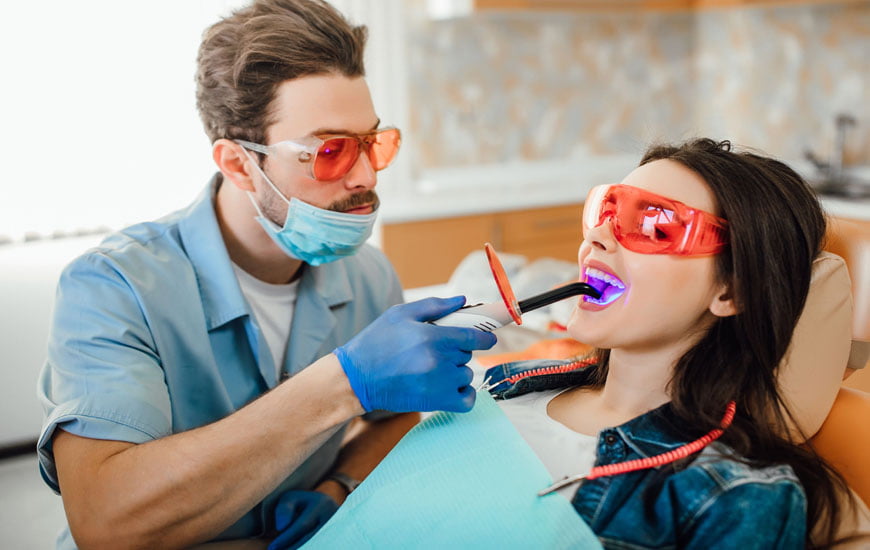
Direct Intraoral Fabrication: Prior to tooth preparation, an intraoral matrix impression is captured. Once tooth reduction is complete, auto-polymerizing composite resin is loaded into the matrix and seated over the prepared teeth. Within minutes, the material cures, is trimmed, polished, and seated.
Indirect CAD/CAM Milling: Utilizing intraoral digital scanners, provisional PMMA crowns are milled with micron precision in our digital laboratory.
Placement Protocol: A provisional crown is never cemented permanently. To allow effortless removal during final insertion, it is cemented using soft, low-strength temporary luting cements (zinc-oxide eugenol or non-eugenol formulations).
Temporary Dental Crown Pain: Causes and Management
Patients frequently ask: does a temporary dental crown cause pain? Experiencing mild, transient sensitivity to cold or slight pressure for the initial 24 to 48 hours post-preparation is biologically normal. However, if you experience lingering, severe pain, the underlying temporary dental crown pain causes include:
Occlusal Prematurity (High Bite): If the provisional crown sits even a fraction of a millimeter too high, the entire biting force concentrates on that single tooth during mastication, inducing acute traumatic ligamentitis (inflammation of the periodontal ligament). Clinical Remedy: Your prosthodontist must perform a quick occlusal adjustment to relieve the bite.
Micro-Leakage of Temporary Cement: Washing out of the soft luting cement exposes dentinal tubules to oral fluids, triggering sudden thermal shock.
Gingival Impaction: Over-extended provisional margins pressing aggressively against the soft tissue collar, causing localized gingival inflammation.
Irreversible Pulpal Damage: Thermal trauma from original preparation friction or deep pre-existing caries causing irreversible pulpitis. This scenario requires root canal therapy performed through the provisional crown.
What to Do if a Temporary Dental Crown Fell Off?
Because temporary crowns are secured using weak, water-soluble cements, chewing sticky or hard foods can easily dislodge them. What should you do if your temporary dental crown fell off?
Do not discard the dislodged provisional crown. Store it in a clean container and bring it to your appointment.
NEVERUse Industrial Superglue or Household Adhesives: Applying chemical glues directly to exposed dentin burns the pulp tissue, causing irreversible nerve death.
Contact Livera Dental Clinic immediately. Your prosthodontist will disinfect the exposed tooth and re-cement the provisional crown within minutes.
Emergency Interim Tip: If you cannot reach the clinic immediately, clean the inside of the provisional crown, place a small dab of standard toothpaste or denture adhesive inside, and slip it back over the tooth to act as a physical shield until your appointment. Do not chew on that side.
Swallowing a Temporary Dental Crown: Is it Dangerous?
Patients who accidentally swallow a dislodged temporary crown while eating often experience severe anxiety. What happens if you end up swallowing a temporary dental crown?
Provisional crowns are fabricated from medical-grade, non-toxic PMMA or composite resins. They pose zero systemic chemical danger. Stomach acids cannot dissolve the plastic, but if the crown lacks sharp, jagged edges, it will pass naturally through the digestive tract within 24 to 72 hours. However, if the crown enters the airway (causing severe coughing, choking, or breathing difficulty), seek immediate medical evaluation at an emergency room.
How Long Does a Temporary Dental Crown Last?
A common clinical question is how long does a temporary dental crown last. Standard provisional crowns are engineered for short-term use, typically lasting 1 to 3 weeks.
However, in complex full-mouth rehabilitations or implant healing phases, high-impact PMMA materials can last 3 to 6 months. Temporary crowns should never be left in place for extended months without clinical monitoring, as degraded cement will cause rapid, hidden caries beneath the crown.
Brushing a Temporary Dental Crown: Essential Maintenance Rules
When addressing brushing a temporary dental crown, the answer is: Yes, it must be brushed daily. However, strict rules apply:
Clean the provisional crown gently using a soft-bristled toothbrush and standard toothpaste.
CRITICAL Flossing Protocol: When flossing between a temporary crown and adjacent teeth, slide the floss down into the contact, clean the interproximal surface, and then PULL THE FLOSS OUT LATERALLY FROM THE SIDE. Never snap the floss back up vertically! Pulling floss upward will catch the margin and instantly pop the temporary crown off its cement seal.
How to Remove a Temporary Dental Crown Chairside?
When your permanent monolithic zirconium or porcelain crowns arrive from the digital laboratory, understanding how to remove a temporary dental crown involves a quick, completely painless chairside step:
Your prosthodontist uses specialized provisional crown removers or gentle pneumatic taps. Because the temporary cement is intentionally brittle, the crown detaches with a light click without causing any pain or discomfort. Any residual cement is then cleared from the prepared tooth surfaces.
Temporary Dental Crown Cost in 2026
When evaluating temporary dental crown cost, the fee for provisional restorations is typically included within the overall comprehensive package for permanent zirconium or porcelain crown therapy at Livera Dental Clinic. If a patient requires standalone provisional therapy, the cost is calculated based on the number of units and the manufacturing technique (in-office acrylic vs. laboratory CAD/CAM PMMA).
Structural Comparison: Provisional vs. Permanent Crown Restorations
Clinical Parameter | Temporary Dental Crown (Provisional) | Permanent Crown (Monolithic Zirconium / Porcelain) |
Primary Indication | Short-term protection, sensitivity prevention. | Lifelong functional mastication and elite aesthetics. |
Material Base | PMMA / Auto-Polymerizing Composite Resin. | High-Translucency Zirconium / Lithium Disilicate. |
Luting Agent | Soft, soluble temporary cement. | High-strength resin/glass ionomer permanent cement. |
Mechanical Resistance | Low (Prone to fracturing under heavy loads). | Outstanding (Engineered to withstand occlusal forces). |
Intraoral Lifespan | 1 to 3 Weeks (up to 6 months for implants). | 10 to 15+ Years. |
Frequently Asked Questions (FAQ)
Can I eat normally with a temporary dental crown? What foods should I avoid?
You can eat, but you must modify your diet while wearing a temporary crown. Because temporary cement is deliberately weak, avoid sticky foods (chewing gum, caramels, gummy candies) that can pull the crown off, and hard items (nuts, hard crusts) that can fracture the acrylic plastic. Stick to soft, room-temperature foods such as pasta, soups, eggs, and cooked vegetables.
My temporary dental crown broke; can a replacement be made quickly?
Yes, if your temporary crown fractures, do not worry. Utilizing our saved digital intraoral scans or silicone matrix molds, a fresh temporary crown can be fabricated and cemented in your mouth in just 10 to 15 minutes.
Why does my temporary crown smell bad?
Temporary acrylic materials possess a higher microscopic surface porosity compared to smooth glazed porcelain. If oral hygiene is neglected, bacteria anchor within these pores and produce unpleasant odors. Additionally, if the margin does not fit flush against the gumline, trapped food debris can ferment. Maintain gentle brushing and use an alcohol-free antiseptic mouthwash to prevent this issue.