Contentsexpand_more
- What is Zirconium Coating?
- Why is Zirconium Coating Done?
- How is Zirconium Coating Done?
- What are the Advantages of Zirconium Coating?
- What Should Care After Zirconium Coating Be Like?
- How Long Does a Zirconium Coating Last?
- FAQ: Frequently Asked Questions
- Do zirconium teeth turn yellow over time?
- Does zirconium coating hurt?
- Can zirconium be done for a single tooth?
- How much are zirconium dental prices in 2026?
Representing a revolution in aesthetic dentistry, zirconium coating is one of the most preferred smile design methods today due to its durability and natural light transmittance. Unlike traditional metal-supported crowns, this method provides excellent biocompatibility with the gums, eliminating the risk of bruising or allergic reactions.
When deciding to renew their teeth, many patients ask, “Does zirconium coating make sense?” Zirconium’s tissue-friendly structure, its ability to transmit light, and its metal-free composition are the most important features that distinguish it from traditional porcelain.
What is Zirconium Coating?
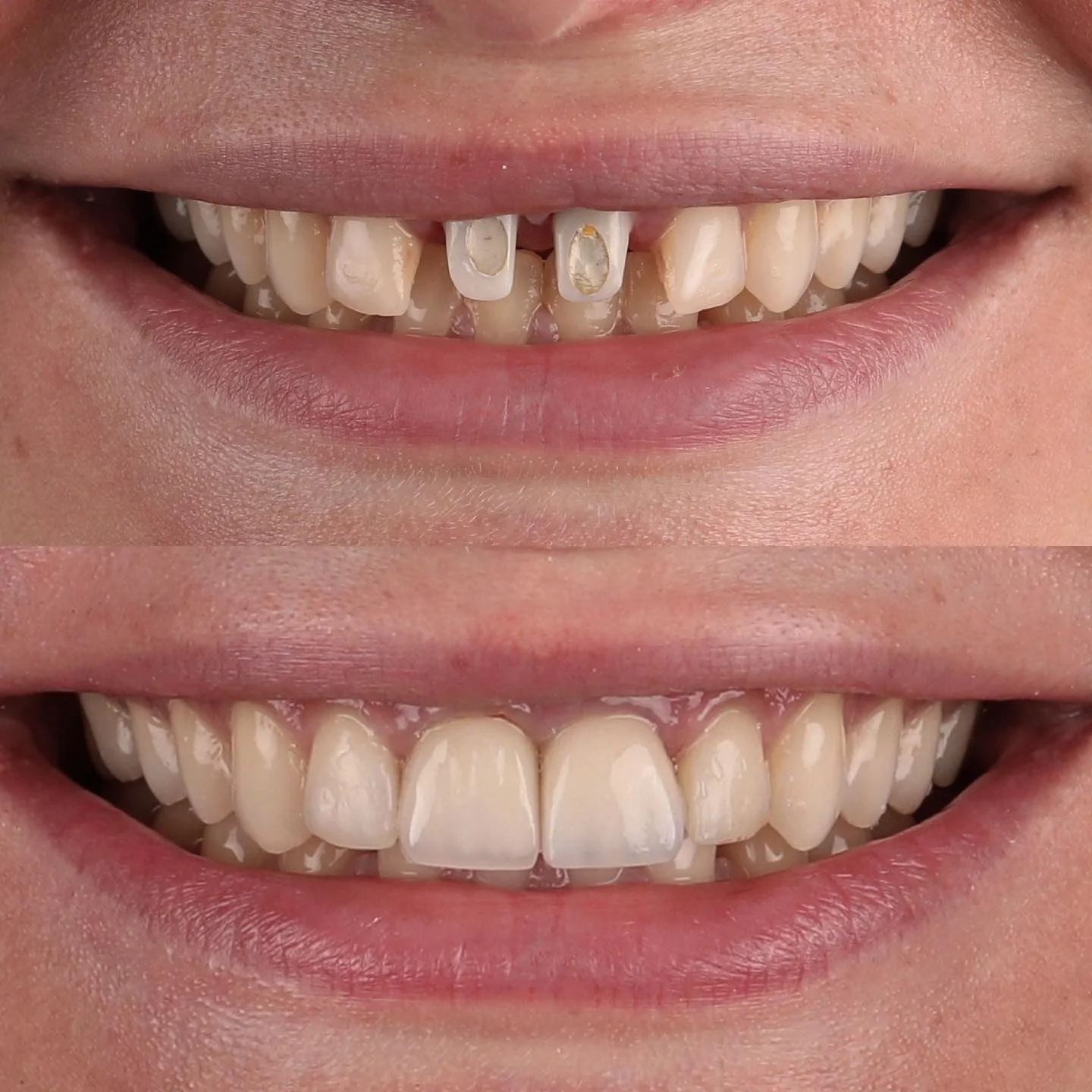
Zirconium, an indispensable material in the surgical and aesthetic dental world, is actually a natural mineral. So, technically, what is zirconium coating? This process involves placing crowns over the teeth, which are either made by layering porcelain over a zirconium dioxide substructure or produced entirely from monolithic zirconium blocks.
The matte and artificial appearance seen in metal-supported crowns is replaced by depth and vitality with this material. Those who have a zirconium coating are most satisfied with the fact that their teeth are indistinguishable from their natural teeth, even under natural light. This material is also highly successful in thermal insulation, which minimizes hot-cold sensitivity.
Why is Zirconium Coating Done?
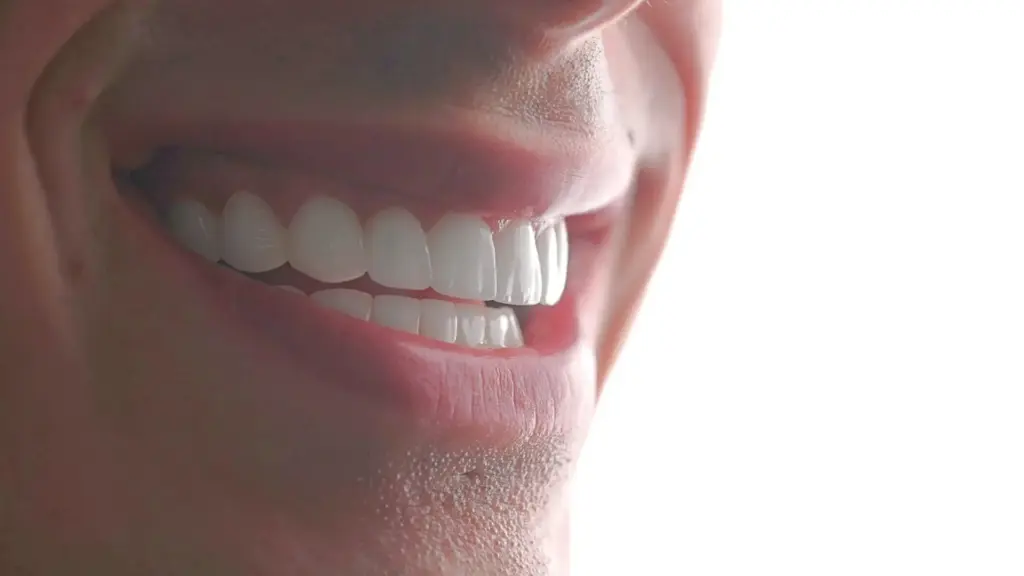
There are many reasons why dentists and patients prefer this method. While the elimination of aesthetic concerns is at the forefront, functional necessities can also make a zirconium dental coating mandatory.
This application is the ideal solution in the following cases:
- Advanced discoloration where whitening methods do not yield results.
- Closing gaps between teeth (diastema).
- Correcting minor crowding as an alternative to orthodontic treatment.
- Renewing old, metal-supported crowns that have caused gum bruising.
- Restoring teeth that are broken or have lost a significant portion of their structure.
Especially in anterior (front) zirconium coating applications, maintaining the natural pink color of the gums is a major advantage. Since it does not contain metal, no gray line forms at the gum margin.
How is Zirconium Coating Done?
The professional management of the process directly affects the success of the result. While the answer to how a zirconium coating is done may vary from patient to patient, the flow is generally as follows:
- Examination and Preparation: In the first session, the general condition of the teeth is examined, and a suitable amount of reshaping (preparation) is performed for the coating.
- Digital Impression: A three-dimensional map of the teeth is created using traditional impressions or intraoral scanners.
- Temporary Teeth: Temporary teeth are prepared in the same session so that you can continue your social life from the moment your teeth are reshaped.
- Laboratory Phase: Blocks suitable for the personalized smile design are cut and fired using CAD/CAM technology.
- Rehearsals and Cementation: The prepared coatings are tested in the mouth; if the color, form, and bite balance are perfect, they are permanently cemented.
What are the Advantages of Zirconium Coating?
To understand why it is so popular, it is enough to look at the list of zirconium coating benefits:
- Biocompatibility: It is one of the materials most compatible with the body and does not invite gum disease.
- Aesthetic Depth: Thanks to its light transmittance, it can mimic natural tooth enamel.
- High Durability: It is highly resistant to chewing pressure on the back teeth.
- Smooth Surface: It is much more resistant to stains from smoking, coffee, or tea compared to natural teeth; plaque accumulation is lower.
- No Allergy Risk: It is the safest option for individuals with metal allergies.
What Should Care After Zirconium Coating Be Like?
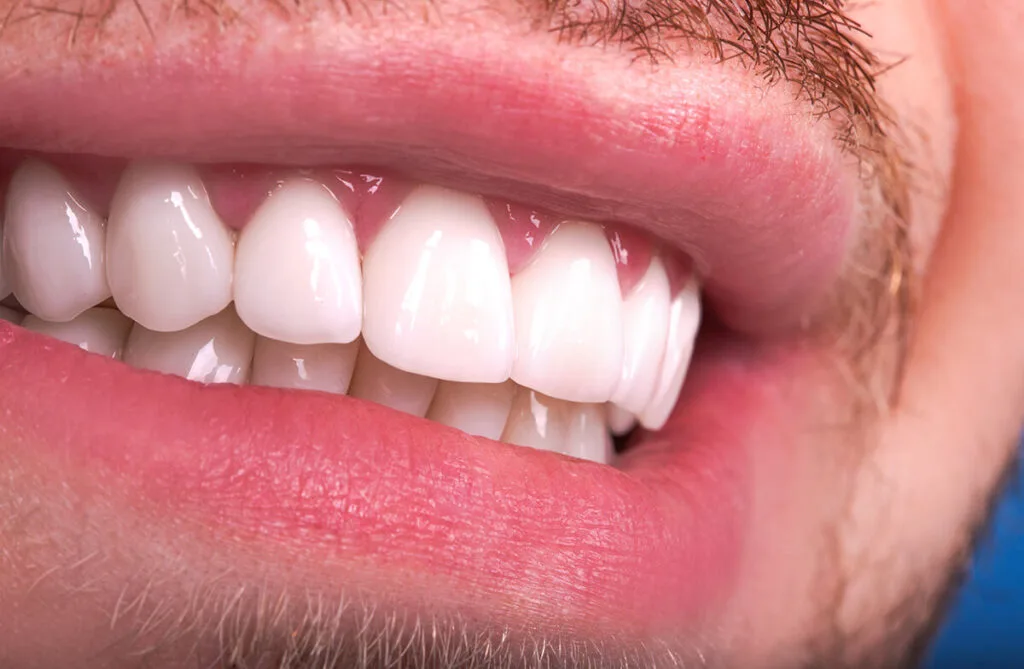
Extending the life of your coatings depends on good care, just like with natural teeth. Post-treatment care is not extra burdensome:
- Brushing: You should brush gently twice a day with a soft brush.
- Flossing: Dental floss or interdental brushes are essential to clean the points where the coatings meet the gums.
- Avoid Hard Foods: You should avoid habits like cracking nuts with your teeth or biting pens.
- Regular Check-ups: Routine dental examinations twice a year are important for the early detection of potential problems.
How Long Does a Zirconium Coating Last?
With good oral care and regular check-ups, the average lifespan of a zirconium coating is between 10 and 15 years. However, this period can extend up to 20 years depending on the patient’s habits. While the material itself does not deteriorate, renewal may be required for aesthetic reasons due to factors like aging-related gum recession.
FAQ: Frequently Asked Questions
Do zirconium teeth turn yellow over time?
No. Zirconium has a very smooth and glassy surface. This makes it much more resistant to staining from external factors like tea, coffee, and smoking compared to natural teeth.
Does zirconium coating hurt?
Since the procedure is performed under local anesthesia, no pain is felt during the process. There may be slight sensitivity after the procedure due to the filing of the teeth, but this passes within a few days.
Can zirconium be done for a single tooth?
Yes. It is the best option especially for zirconium coating on front teeth or for the restoration of a single tooth. Thanks to its light transmittance, it provides full harmony with the adjacent natural teeth.
How much are zirconium dental prices in 2026?
Prices vary according to the brand of the block used, the experience of the dentist, and the need for additional treatments. A clinical examination is required for the most accurate information.