Contentsexpand_more
The journey of restoring a damaged tooth often leads patients to dental crown solutions. At Livera Clinic, understanding the process, materials, and costs associated with dental crowns ensures that patients can make informed decisions. A dental crown is more than a simple cap; it is a restorative marvel that protects, strengthens, and enhances the aesthetic of a tooth, supported by advanced lithium disilicate ceramic.
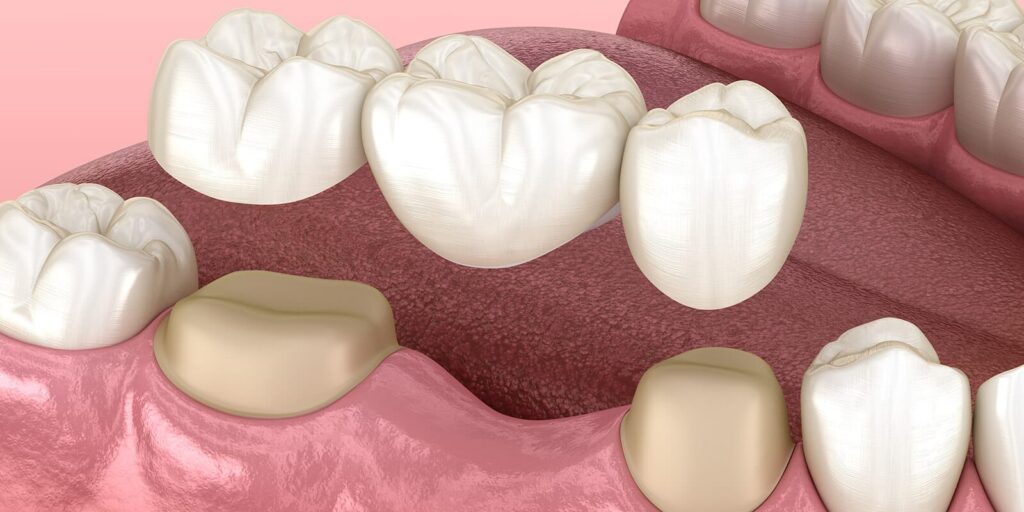
Understanding Dental Crowns and Their Importance
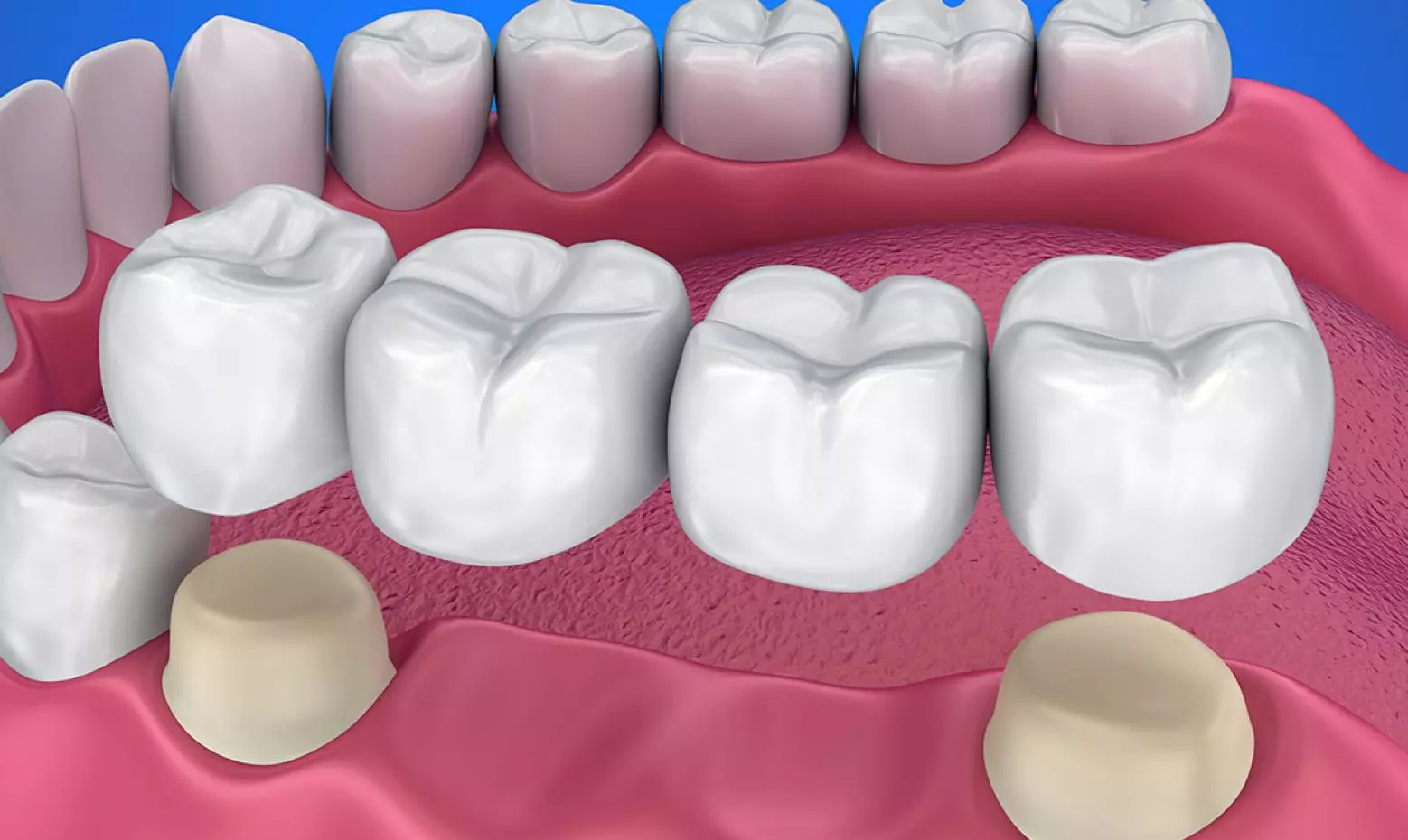
A dental crown serves as a protective cover for teeth that are cracked, decayed, or weakened. Modern dentistry recognizes crowns as an essential tool not only for restoration but also for preventing further deterioration, supported by advanced high translucency.
Crowns can be made from multiple materials, including ceramic, porcelain-fused-to-metal, and full metal. The choice impacts durability, aesthetics, and cost. According to a study by the Journal of Prosthetic Dentistry (2022), ceramic crowns demonstrate high biocompatibility and a lifespan ranging from 10 to 15 years under proper care, supported by advanced CAD/CAM milling.
By using a dental crown, patients achieve both functional restoration and natural-looking results, making it a preferred solution over simple fillings in severe cases.
Step-by-Step Process of Dental Crown Application
The application of a dental crown follows a systematic procedure to ensure longevity and comfort:
- Initial Assessment
Dentists evaluate the tooth structure, take X-rays, and decide whether a crown is necessary. Severe decay or fractures often lead to immediate recommendation for a crown. - Tooth Preparation
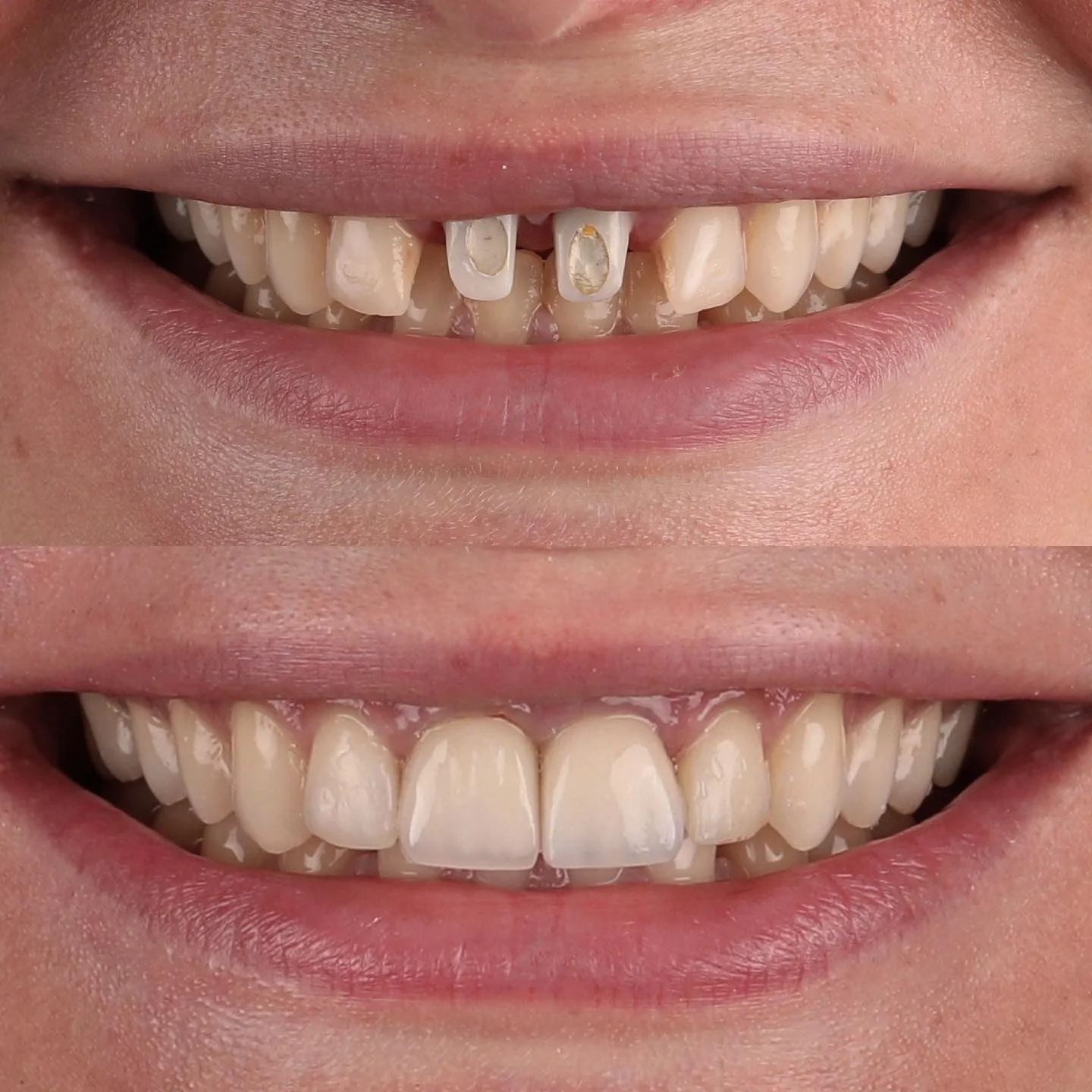
The tooth is reshaped by reducing its size to allow a perfect fit. Temporary crowns may be placed to protect the tooth while the permanent crown is being fabricated. - Impression Taking
Accurate dental impressions or digital scans are made. These impressions guide the creation of a crown that matches the natural contour of surrounding teeth. - Crown Fabrication
Crowns are fabricated in dental laboratories using advanced layering techniques for ceramic or metal crowns. This stage may take 1 - 2 weeks depending on the material and complexity. - Crown Placement
Once ready, the permanent crown is cemented onto the tooth. Dentists check the bite and alignment to ensure comfort and proper function.
Research indicates that meticulous preparation and precision fitting directly influence the lifespan of a dental crown, emphasizing why experienced dental professionals are crucial for the procedure, supported by advanced layered restoration.
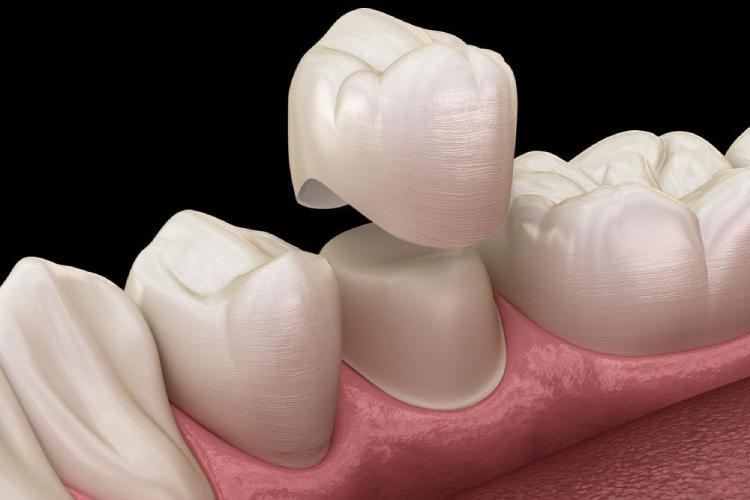
Types of Dental Crowns
Not all crowns are created equal. Selecting the right type depends on function, aesthetics, and budget:
- All-Ceramic Crowns: Excellent aesthetics, ideal for front teeth.
- Porcelain-Fused-to-Metal Crowns: Balance of strength and natural appearance.
- Full Metal Crowns: Highest durability, mostly used for molars.
- Zirconia Crowns: Highly durable, excellent biocompatibility, and aesthetic.
Studies suggest that zirconia crowns have lower failure rates compared to porcelain-fused-to-metal alternatives, particularly in high-stress areas like molars.
Cost Factors in Dental Crown Treatments
The cost of a dental crowncan vary widely based on materials, lab fees, and clinic location. Key influencing factors include:
- Material selection
- Complexity of tooth preparation
- Laboratory techniques
- Number of crowns required
On average, ceramic crowns range from $800 to $1,500 per tooth, while metal crowns can be slightly cheaper but less aesthetic. It’s crucial to consider long-term value rather than just upfront costs, supported by advanced adhesive cementation.
| Material Type | Average Cost | Lifespan |
| All-Ceramic | $900 - $1,500 | 10 - 15 years |
| Porcelain-Fused-to-Metal | $800 - $1,200 | 8 - 12 years |
| Full Metal | $700 - $1,000 | 15 - 20 years |
| Zirconia | $1,000 - $1,500 | 12 - 20 years |
Maintaining Your Dental Crown
Proper maintenance extends the life of a dental crown:
- Brush and floss regularly to prevent gum disease.
- Avoid excessive force, such as chewing hard objects.
- Attend regular dental check-ups.
Studies show that patients who maintain excellent oral hygiene enjoy up to 90% crown longevity, compared to 60 - 70% for those with inconsistent care.
Common Concerns and Misconceptions About Dental Crowns
Patients often wonder if crowns are painful or noticeable. Modern techniques ensure minimal discomfort, and crowns are color-matched to blend seamlessly with natural teeth.
Another misconception is that crowns require frequent replacement. With proper care and professional oversight, a dental crown can easily last over a decade, making it a reliable investment in oral health. This process involves monolithic restoration (a single-piece ceramic restoration without layering).
Why Choose Livera Clinic for Dental Crown Procedures
Livera Clinic combines advanced dental technology with expert hands-on experience. Our approach emphasizes precision, comfort, and long-lasting results. Each dental crown is crafted using the latest materials, ensuring both functional restoration and aesthetic excellence, supported by advanced pressed ceramic.
By choosing Livera Clinic, patients gain access to personalized treatment plans, transparent cost breakdowns, and follow-up care to maximize the longevity of their dental restorations.
A dental crown is a vital restorative solution that blends science, technology, and artistry. Understanding the procedure, selecting the right material, and ensuring proper care are key to achieving durable, natural-looking results. With experienced professionals like those at Livera Clinic, patients can confidently restore both function and smile aesthetics, supported by advanced IPS e.max.