Contentsexpand_more
- What is Tooth Numbness and Why is It Administered?
- How Long Does Tooth Numbness Last and How Many Hours Does It Take?
- Wisdom Tooth Numbness Recovery Timeline
- How to Get Rid of Tooth Numbness Fast
- Can You Eat Before Tooth Numbness Wears Off?
- Can You Drink Water with a Numb Mouth?
- Can You Smoke While Your Mouth is Numb?
- Tooth Numbness Won't Go Away: What to Do?
- Maxillary Infiltration vs. Mandibular Nerve Block Comparison
- Frequently Asked Questions (FAQ)
- Can I drink a hot coffee right after leaving the dental office?
- My child keeps chewing their numb bottom lip after an appointment; what should I do?
- Is a tingling or itching sensation a normal sign that the numbness is wearing off?
Exiting the dental operatory following a restorative filling, endodontic therapy, or surgical tooth extraction, you may perceive an illusion that your cheek, lower lip, and tongue have swollen to massive proportions. Glancing into a mirror confirms zero observable physical enlargement, yet palpating the skin feels like touching thick leather. When conversing, your lip margins may droop asymmetrically, smiling feels impossible on one side, and sipping water leads to inadvertent dribbling. Patients routinely evaluate: "How long does tooth numbness last?", "How many hours does tooth numbness last?", "What happens if I eat before numbness wears off?", and "It is late evening and my mouth is still numb, did my nerve get damaged?" In clinical dental anesthesiology, tooth numbness represents a planned, reversible pharmacological blockade intended to eliminate procedural pain, engineered to metabolize safely and resolve spontaneously.
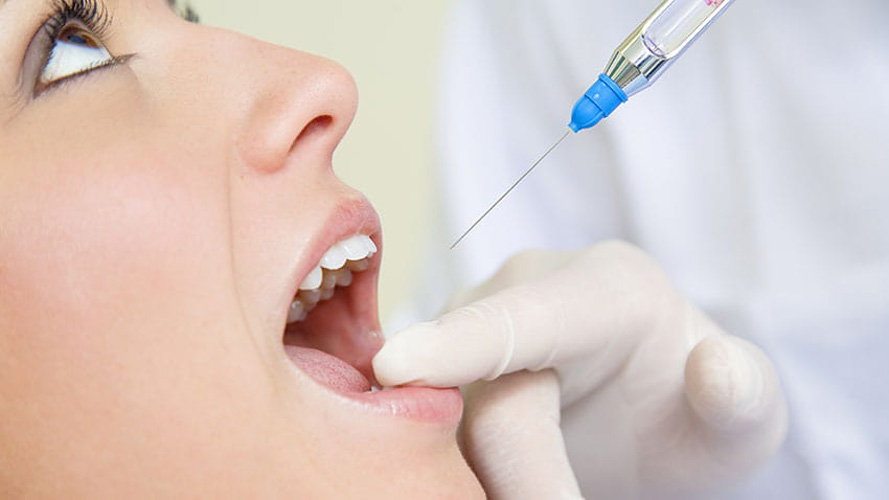
Local anesthetic solutions function by lodging inside the voltage-gated sodium channels of peripheral nerve axons, temporarily halting action potentials from traveling toward the central nervous system. Systemic capillary beds gradually uptake the agent, transporting it through the bloodstream toward hepatic degradation pathways, followed by renal excretion. This clearance window depends on metabolic rate, anatomical site, injection type, and the inclusion of vasoconstrictors (epinephrine).
What is Tooth Numbness and Why is It Administered?
In dental medicine, the clinical definition of what is tooth numbness is: A temporary, reversible desensitization of terminal sensory branches of the trigeminal nerve supplying the dental pulp, periodontal ligament, alveolar bone, and adjacent soft tissues via local anesthetic agents, terminating the transmission of nociceptive (pain) signals to the cerebral cortex.
The molecular cascade proceeds through the following steps:
Injected amphiphilic anesthetic molecules (such as articaine, lidocaine, or mepivacaine) traverse the lipid nerve sheath.
Once inside the axoplasm, they bind to the internal pore of voltage-gated sodium channels, stabilizing them in an inactive configuration.
Sodium ion influx is blocked; consequently, phase depolarization and nerve impulses cannot propagate despite aggressive mechanical cutting.
As vascular perfusion leaches the molecules away from neural membranes, normal channel conductance resumes, systematically restoring sensation.
How Long Does Tooth Numbness Last and How Many Hours Does It Take?
The duration for how long does tooth numbness last and how many hours does tooth numbness last is determined primarily by the anatomical injection technique:
Maxillary Dentition (Local Infiltration): The maxilla consists of porous trabecular bone. Anesthetic diffuses rapidly and is cleared swiftly by localized vascular loops. Maxillary pulpal and lip numbness typically subsides within 1.5 to 2.5 hours.
Mandibular Dentition (Inferior Alveolar Nerve Block): The mandible is formed of dense cortical plate bone. Local infiltration is ineffective for posterior teeth; clinicians must deliver the solution directly near the nerve trunk at the mandibular foramen. Mandibular block numbness typically endures for 3 to 5 hours, with the lower lip vermilion and chin tip clearing last.
Soft Tissue vs. Pulpal Duration: While the pulpal dentin regains sensation within 60 to 90 minutes post-treatment, mucocutaneous tissues (lips and cheeks) remain numb for an additional 2 hours due to vascular perfusion rates.
Wisdom Tooth Numbness Recovery Timeline
Following surgical extractions of impacted third molars, the resolution of wisdom tooth numbness presents unique clinical patterns:
Utilization of Extended Formulations: Surgeons frequently select concentrated, long-acting anesthetic formulations to keep the surgical site comfortable during immediate postoperative hours. Routine anesthetic wear-off can take 4 to 6 hours.
Transient Neuropraxia and Paresthesia: When lower wisdom tooth roots intimately approximate or wrap around the inferior alveolar canal, surgical extraction can stretch sensory nerve fibers or induce localized hematoma compression. In these presentations, altered sensation, tingling, or numbness across the lower lip and chin can persist for days, weeks, or months. These neuropraxic injuries typically resolve as axonal Schwann cells regenerate.
How to Get Rid of Tooth Numbness Fast
For patients seeking methods for how to get rid of tooth numbness fast:
Warm External Compresses (Restorative Cases Only): If you received a standard composite filling without surgical cutting, holding a warm compress against your cheek induces local vasodilation, accelerating vascular clearance of the anesthetic agent. (Never apply heat after surgical extractions, as this provokes secondary hemorrhage).
Light Physical Activity: Engaging in a light brisk walk increases systemic cardiac output and accelerates hepatic blood perfusion, speeding up overall drug metabolism.
Hydration (Once Partial Control Returns): Drinking ample water once swallowing reflexes stabilize accelerates renal elimination of metabolized anesthetic byproducts.
Avoid Aggressive Mechanical Massage: Forcefully kneading or pinching numb lips does not disperse local anesthetics; it merely bruises desensitized tissues, creating secondary contusions and hematomas.
Clinical Reversal Agents (Phentolamine Mesylate): In clinical settings, clinicians can administer a reversal injection (such as OraVerse), which selectively induces localized vasodilation to cut recovery time in half.
Can You Eat Before Tooth Numbness Wears Off?
The strict clinical rule is: Do not chew solid food until oral numbness has fully resolved.
The physical hazards include:
Severe Masticatory Self-Mutilation: Lacking sensory feedback, you cannot gauge tissue thickness between opposing teeth. You risk chewing your lower lip or buccal mucosa with significant occlusal force.
Severe Post-Numbness Ulcerations: Once sensation returns, patients discover massive bleeding mucosal lacerations and painful traumatic ulcers that take weeks to heal.
Safe Alternative: If nourishment is imperative, consume room-temperature, smooth liquids that require zero chewing (such as plain yogurt, thin smoothies, or lukewarm broth) using a spoon rather than a straw.
Can You Drink Water with a Numb Mouth?
Permissible with Extreme Caution: Drinking room-temperature water is physiologically safe; however, paralyzed orbicularis oris muscle tone prevents lip closure, causing liquids to spill out the corner of the mouth.
Prohibition of Hot Liquids: Never consume hot coffee, tea, or soup while anesthetized. Because thermal sensory receptors are inactivated, boiling liquids can induce severe second-degree intraoral scalds without your knowledge.
Never Use a Straw Post-Extraction: If a tooth was extracted, the negative intraoral suction created by drawing through a straw will dislodge the fragile blood clot, provoking dry socket (alveolar osteitis). Drink slowly from an open cup.
Can You Smoke While Your Mouth is Numb?
Strictly Contraindicated: Smoking while anesthetized introduces two immediate complications:
Severe Thermal Burns: You cannot feel direct radiant heat, risking severe burns to the lips, fingers, and anterior oral tissues from the cigarette tip.
Compromised Wound Microcirculation: Inhaling nicotine and carbon monoxide induces peripheral vasoconstriction, depriving the healing site of vital oxygen and predisposing surgical sites to dry socket.
Abstain entirely from smoking until sensation normalizes, and avoid tobacco for a minimum of 48 to 72 hours following any extraction.
Tooth Numbness Won't Go Away: What to Do?
If 8 to 10 hours have elapsed post-procedure and sensation across your lip, chin, or tongue remains entirely absent, you may be experiencing paresthesia:
Remain Calm: Permanent nerve transection during routine dental procedures is exceedingly rare (less than 1 in 10,000 cases). Most persistent sensations stem from localized micro-hematomas or edema pressing against the nerve sheath.
Contact Your Operating Clinician: Schedule a formal clinical evaluation to map and record the boundaries of sensory loss.
Medical Therapeutic Interventions: Clinicians initiate medical protocols, including high-dose neurotropic B-complex vitamins (B1, B6, B12), short-course anti-inflammatory corticosteroids to resolve perineural edema, and low-level laser therapy (LLLT) to stimulate axonal healing.
Biological Regeneration Pace: Peripheral sensory axons regenerate at approximately 1 millimeter per day; most post-injection paresthesias resolve completely between 2 weeks and 6 months.
Maxillary Infiltration vs. Mandibular Nerve Block Comparison
Clinical Feature | Maxillary Local Infiltration | Mandibular Nerve Block |
Target Site | Attached gingiva over the tooth apex | Retromolar internal oblique ridge trunk |
Typical Recovery Window | 1.5 to 2.5 Hours | 3 to 5 Hours (Occasionally up to 6h) |
Anesthetized Field | Isolated single tooth and buccal gum | Half of lower lip, chin, half of tongue, quadrant teeth |
Bone Diffusion Dynamics | Rapid clearance through spongy bone | Prolonged duration in dense cortical bone |
Self-Mutilation Risk | Low to moderate | Extremely high (Loss of lip/tongue awareness) |
Speech Motor Impact | Negligible functional impairment | Noticeable slurring and lower lip flaccidity |
Frequently Asked Questions (FAQ)
Can I drink a hot coffee right after leaving the dental office?
No. Consuming hot beverages while anesthetized is dangerous. Thermal receptors in your lips, tongue, and buccal mucosa are blocked by the anesthetic. You cannot gauge temperature, which can result in second-degree burns. If you require hydration, sip room-temperature water carefully from a glass; avoid straws.
My child keeps chewing their numb bottom lip after an appointment; what should I do?
Children often find the tingling, enlarged sensation of anesthesia confusing and will bite or suck on their lower lip. This can cause severe soft-tissue trauma and swelling once the anesthetic clears. Place a rolled cotton gauze between their teeth, distract them with activities, and monitor them closely until full sensation returns.
Is a tingling or itching sensation a normal sign that the numbness is wearing off?
Yes. Paresthetic "pins and needles," light tingling, or an itching sensation indicate that the local anesthetic is clearing the sodium channels. As neural conductivity returns, the nerve fires transient hyper-responses before baseline sensation is restored over the following 30 to 45 minutes.