Contentsexpand_more
- The Filling Fell Out: What Should I Do?
- Lost Filling Tooth Aches: How to Manage Acute Pain?
- Filling Fell Out No Pain: Is an Immediate Visit Mandatory?
- Why a Root Canal Filling Fell Out Requires Urgent Intervention?
- Temporary Filling Fell Out: What to Do?
- Condition Analysis and Emergency Restoration Matrix
- Frequently Asked Questions (FAQ)
- How long can a tooth safely stay open after a filling falls out?
- Can I temporarily pack the empty cavity with chewing gum at home?
- Will it hurt to get a new filling placed? Does the dentist need to drill again?
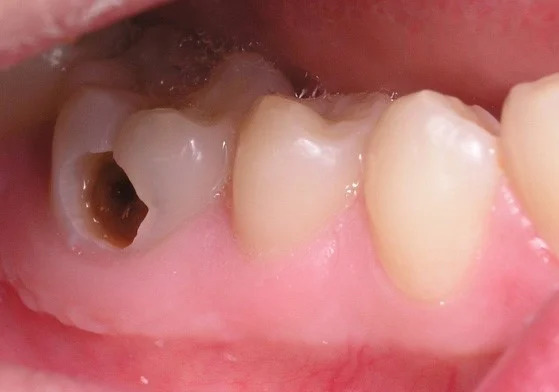
During your daily routine, chewing a meal or enjoying a snack can suddenly be interrupted by a rough, rigid, stone-like fragment rolling across your tongue. Realizing that my tooth filling fell out is one of the most common reasons for emergency dental visits worldwide. Restorations can degrade and dislodge from their tooth cavities due to bacterial micro-leakage at the margins, excessive occlusal forces, or material fatigue over time.
Many patients tend to delay booking an appointment as long as the exposed area does not cause immediate, sharp pain. However, when a filling falls out, the internal vital structures and nerve systems (pulp) are left entirely exposed to the acidic enzymes and pathogenic bacteria within the oral cavity. At Livera Dental Clinic, our operative specialists disinfect these exposed spaces using advanced micro-endodontic protocols, rebuilding the tooth structure with highly durable, biocompatible nano-composite matrices. This manual outlines the filling fell out what should I do, emergency pain relief methods, and long-term clinical solutions.
The Filling Fell Out: What Should I Do?
The moment you discover an open void in your tooth, the most critical step is to remain calm and schedule an immediate clinical evaluation. To protect the weakened tooth walls from cracking before your appointment, follow this the filling fell out what to do self-care checklist:
Rinse with Lukewarm Water: Food debris trapped within the empty cavity promotes rapid acid fermentation by oral bacteria. Gently rinse your mouth with warm water after every meal to keep the void clear.
Avoid Mastication on the Affected Side: A tooth missing its structural core loses its structural support and can crack vertically under normal chewing forces. Chew exclusively on the opposite side of your mouth until your visit.
Gentle Soft-Bristled Brushing: Do not scrub or scrape the interior of the empty cavity forcefully. Clean the outer contours gently using an ultra-soft toothbrush.
Do Not Attempt to Save the Fragment: If the old filling comes out in one piece, discard it. There is no clinical value in trying to bond the old piece back into the tooth.
Lost Filling Tooth Aches: How to Manage Acute Pain?
Because losing a filling exposes open dentinal tubules, external thermal (ice-cold fluids) or chemical (sweet snacks) triggers travel straight to the internal pulp, causing a sharp, lingering ache. If you are experiencing a situation where the lost filling tooth aches, it indicates active neural irritation.
Temporary ways to relieve a lost tooth filling pain at home:
Warm Saline Flush: Mix one teaspoon of salt into half a glass of lukewarm water and rinse thoroughly. Saline naturally draws out localized fluid tension and acts as a mild rinse.
Therapeutic Clove Oil Application: Soak a tiny, sterile cotton pellet in a single drop of natural clove oil and place it gently inside the empty cavity (avoiding direct contact with the surrounding gum tissue). Clove oil contains eugenol, a potent natural anesthetic that temporarily numbs exposed nerve endings.
Systemic Analgesics: Over-the-counter anti-inflammatory medications (such as ibuprofen or acetaminophen) approved by your physician can help manage discomfort until your appointment. Note: Pain medications do not treat the underlying cavity; they only temporarily mask the pain signals sent to your brain.
Filling Fell Out No Pain: Is an Immediate Visit Mandatory?
One of the most common mistakes patients make is assuming that if the filling fell out no pain, the tooth is safe. The absence of pain does not mean the tooth is stable.
A lack of pain typically means either the remaining dentin layer over the nerve is thick enough to shield it temporarily, or the tooth has previously undergone root canal therapy. However, if the cavity remains unsealed, oral bacteria will infiltrate the deep internal spaces within 24 to 48 hours. The tooth will continue to decay silently from within, which can lead to a severe facial abscess or intense, spontaneous throbbing down the road. Restoring the filling promptly is always necessary, even without active pain.
Why a Root Canal Filling Fell Out Requires Urgent Intervention?
Experiencing a root canal filling fell out scenario is an exceptionally high-risk complication that demands rapid clinical attention.
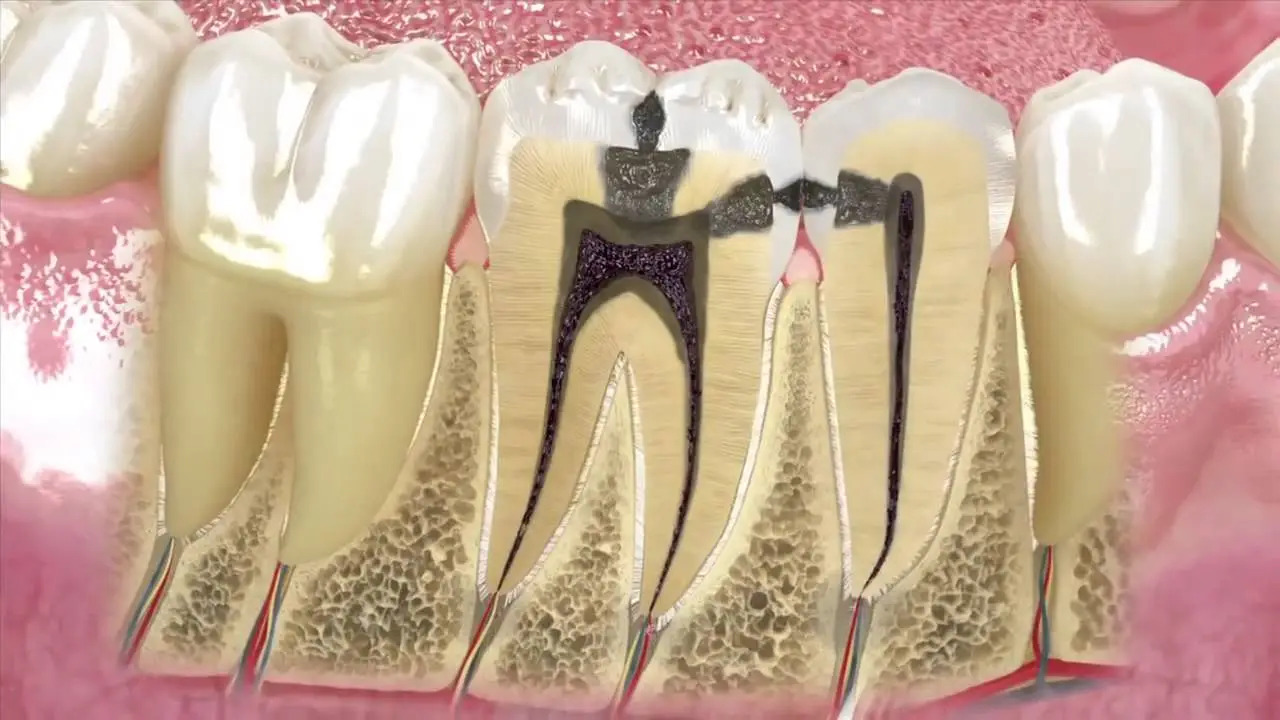
Because a root-canal-treated tooth has had its nerve supply completely removed, the loss of the filling will be entirely pain-free. However, the sterile gutta-percha material sealing the root canals becomes contaminated almost immediately upon exposure to saliva and bacteria. Clinical data shows that if the area is left unsealed for more than 48 hours, bacteria migrate down the canal system toward the jawbone, which can cause a periapical infection or cyst. Simply placing a new surface filling is no longer sufficient; the tooth requires an entire Endodontic Retreatment to clear the infection before it can be permanently resealed.
Temporary Filling Fell Out: What to Do?
Provisional materials are placed between multi-visit endodontic appointments or during deep caries monitoring to keep the area sealed temporarily. Because these materials are designed to be easily removed during sequential appointments, a temporary filling fell out scenario is common.
If a temporary filling fell out what to do is a concern, contact our clinic immediately rather than waiting for your next scheduled appointment. An open provisional cavity allows root medications to leak out and introduces saliva into the root canal system. Your dentist can quickly clean, re-sterilize, and place a fresh temporary seal in a brief visit.
Condition Analysis and Emergency Restoration Matrix
Clinical Presentation | Potential Risk Profiles | Long-Term Clinical Solution |
Filling fell out + severe pain/ache | Exposed pulp chamber; high risk of acute pulpitis. | Vitality testing followed by direct pulp capping or immediate Root Canal Therapy. |
Filling fell out + zero pain reported | Thick residual dentin insulation; silent decay path. | Micro-abrasive cavity disinfection followed by a multi-layered Aesthetic Composite Filling. |
Root-canal-treated upper filling lost | Immediate root canal contamination; bone infection risk. | Chemical sterilization of the canals, endodontic retreatment if contaminated + Post/Core Build-up. |
Provisional temporary seal lost | Disruption of inter-visit sterility; medication leakage. | Ultrasonic irrigation of the chamber, canal disinfection, and immediate replacement of the provisional seal. |
Frequently Asked Questions (FAQ)
How long can a tooth safely stay open after a filling falls out?
A tooth with a missing filling should be clinically treated within 24 to 48 hours. Even if the tooth is entirely asymptomatic, the exposed dentin structure is rapidly demineralized by oral acids. Delaying treatment shifts a straightforward restorative procedure into complex root canal therapy or can lead to severe structural fractures that require extraction.
Can I temporarily pack the empty cavity with chewing gum at home?
No, packing an open cavity with chewing gum or cotton is highly detrimental to the tooth. Placing gum over an open void seals billions of active oral bacteria inside the dark, anaerobic space. Without oxygen, these bacteria multiply rapidly, accelerating the decay process within days. Leave the cavity open and focus on keeping it clean via gentle rinsing.
Will it hurt to get a new filling placed? Does the dentist need to drill again?
Before placing a new restoration, any secondary decay that formed beneath the old filling and any residual material must be completely cleared. This requires a gentle, micro-scale preparation of the cavity surfaces to ensure a clean interface for bonding. Because this procedure is performed under modern local anesthesia, you will not experience any sharp pain or discomfort during the process.