Contentsexpand_more
- What is a Crossbite?
- Classifications of Crossbite
- 1. Anterior Crossbite
- 2. Posterior Crossbite (Lateral Crossbite)
- What Causes a Crossbite?
- Complications of Untreated Crossbite
- Crossbite Treatment: Clinical Orthodontic Modalities
- 1. Early Interceptive Orthodontics in Children (Ages 7 to 12)
- 2. Clear Aligners (Orthodontics Without Braces)
- 3. Comprehensive Fixed Braces (Brackets and Cross-Elastics)
- 4. Adult Skeletal Expansion & Orthognathic Surgery
- How Long Does Crossbite Treatment Take?
- Factors Influencing Crossbite Treatment Cost
- Comparison Matrix: Dental Crossbite vs. Skeletal Crossbite
- Frequently Asked Questions (FAQ)
- Can a crossbite be fixed with clear aligners without traditional braces?
- Can adults get crossbite treatment, or is it too late?
- Can a crossbite correct itself as a child grows?
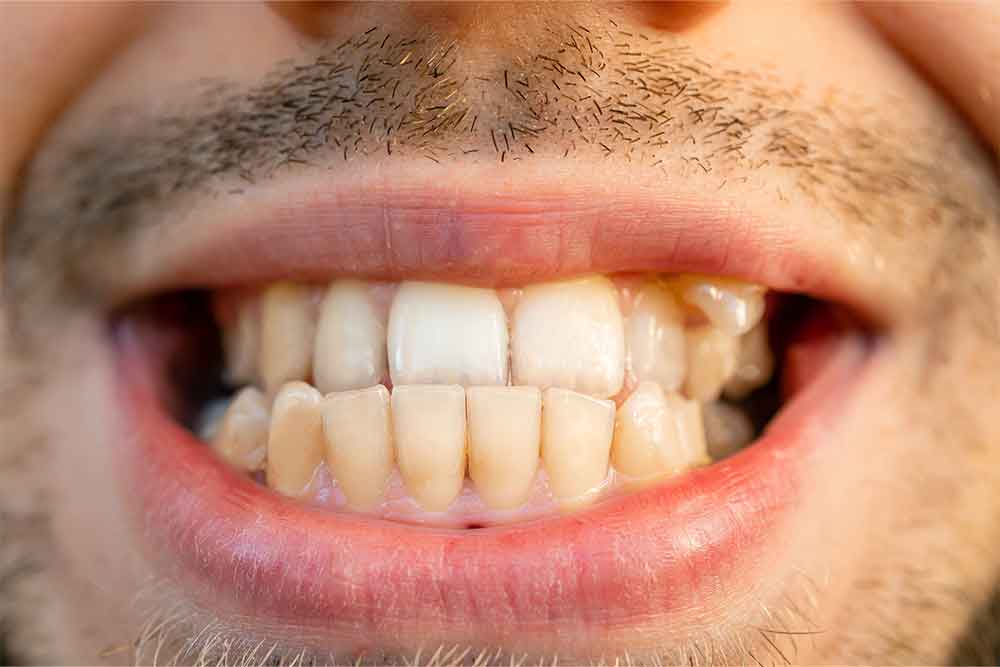
Under optimal physiological occlusion, maxillary dental arches circumscribe the mandibular arch externally, much like the lid of a container encasing the base. However, when observing your smile in the mirror, if mandibular anterior teeth sit labially in front of upper incisors, or if lateral chewing teeth interlock inversely, the clinical diagnosis is a crossbite. Many patients mistake this presentation for minor aesthetic crowding; left uncorrected, an untreated crossbite forces the mandible into asymmetric excursions, accelerating temporomandibular joint (TMJ) internal derangements, facial skeletal asymmetry, and premature enamel micro-fractures.
Modern orthodontics demonstrates that crossbites are manageable at any developmental milestone, via growth modification in early mixed dentition or through clear aligners, fixed multibracket appliances, and skeletal expansion in mature adults.
What is a Crossbite?
In clinical orthodontics, the medical definition of what is a crossbite is: A malocclusion characterized by an abnormal transverse or anteroposterior spatial relationship between the maxillary and mandibular dental arches, wherein one or more maxillary teeth occlude lingually or palatally relative to the opposing mandibular teeth.
From an etiological standpoint, crossbites are differentiated into two primary presentations:
Dental Crossbite: Basal skeletal jaw dimensions are proportionate and bilateral; the malocclusion arises strictly from aberrant axial inclination, tipping, or ectopic eruption of individual teeth.
Skeletal Crossbite: The basal maxillary bone complex is transversally deficient (narrow) relative to the mandible, or the mandible is prognathic. This structural discrepancy can compromise facial symmetry.
Classifications of Crossbite
Crossbites are classified based on the anatomical segment involved:
1. Anterior Crossbite
Occurs when one or more maxillary incisors occlude palatally behind the mandibular incisors, presenting as a reverse overjet.
Frequently initiated by over-retained deciduous incisors deflecting permanent successor buds palatally or post-traumatic displacements.
Forces anterior teeth into traumatic mechanical contact, causing labial gingival recession and alveolar bone fenestration along lower incisors.
2. Posterior Crossbite (Lateral Crossbite)
Involves premolars and molars in the lateral chewing corridors.
Unilateral Crossbite: Confined to one quadrant. To achieve maximum intercuspation, the patient shifts the lower jaw laterally, producing a functional deviation that can trigger permanent facial asymmetry during skeletal growth.
Bilateral Crossbite: Involves both lateral segments, reflecting generalized transverse maxillary skeletal constriction.
What Causes a Crossbite?
Diagnostic orthodontic evaluations identify several primary factors underlying what causes a crossbite:
Genetic and Craniofacial Heredity: Transverse skeletal maxillary constriction or inherited Class III mandibular prognathism within family lineages.
Obligate Mouth Breathing & Adenoid Hypertrophy: Chronic airway obstruction forces low tongue posture on the floor of the mouth. Deprived of normal palatal lingual support, the upper arch narrows under inward buccal muscular pressures, collapsing the palate into a high-arched V-shape.
Deleterious Non-Nutritive Sucking Habits: Prolonged pacifier use or digit sucking past ages 3 to 4 produces transverse constriction and bilateral posterior crossbites.
Premature Loss of Deciduous Molars: Unmanaged early loss allows adjacent teeth to tip mesially, driving incoming premolars into ectopic palatal crossbite paths.
Cleft Lip and Palate Anatomy: Post-surgical scar tissue across the palate restrains transverse growth, predisposing patients to severe bilateral crossbites.
Complications of Untreated Crossbite
Failing to address transverse crossbites early introduces distinct biological consequences:
Skeletal Facial Asymmetry: In growing children, an uncorrected unilateral crossbite with functional mandibular shift causes asymmetric condylar remodeling, resulting in permanent skeletal hemifacial discrepancies.
Temporomandibular Joint (TMJ) Derangements: Compulsory mandibular shifts place eccentric shear stresses across the articular disc, triggering joint clicking, arthralgia, and trismus.
Aggressive Attrition and Gingival Stripping: Traumatic tooth contacts sheer incisal edges and cause labial plate recession around compromised anterior teeth.
Impaired Masticatory Dynamics: Chewing efficiency drops as posterior occlusal tables fail to intercuspate properly.
Crossbite Treatment: Clinical Orthodontic Modalities
At Livera Dental Clinic, crossbite treatment is tailored to skeletal maturity and the structural origin of the malocclusion:
1. Early Interceptive Orthodontics in Children (Ages 7 to 12)
Before the mid-palatal suture interdigitates, transverse orthopedics is effective:
Rapid Palatal Expansion (RPE / Hyrax): Tooth-borne or hybrid expansion screws widen the mid-palatal suture orthopedically in 2 to 3 weeks.
Removable Expansion Plates & Quad-Helix: Spring-loaded appliances tip retroclined dental arches into physiological overjet over several months.
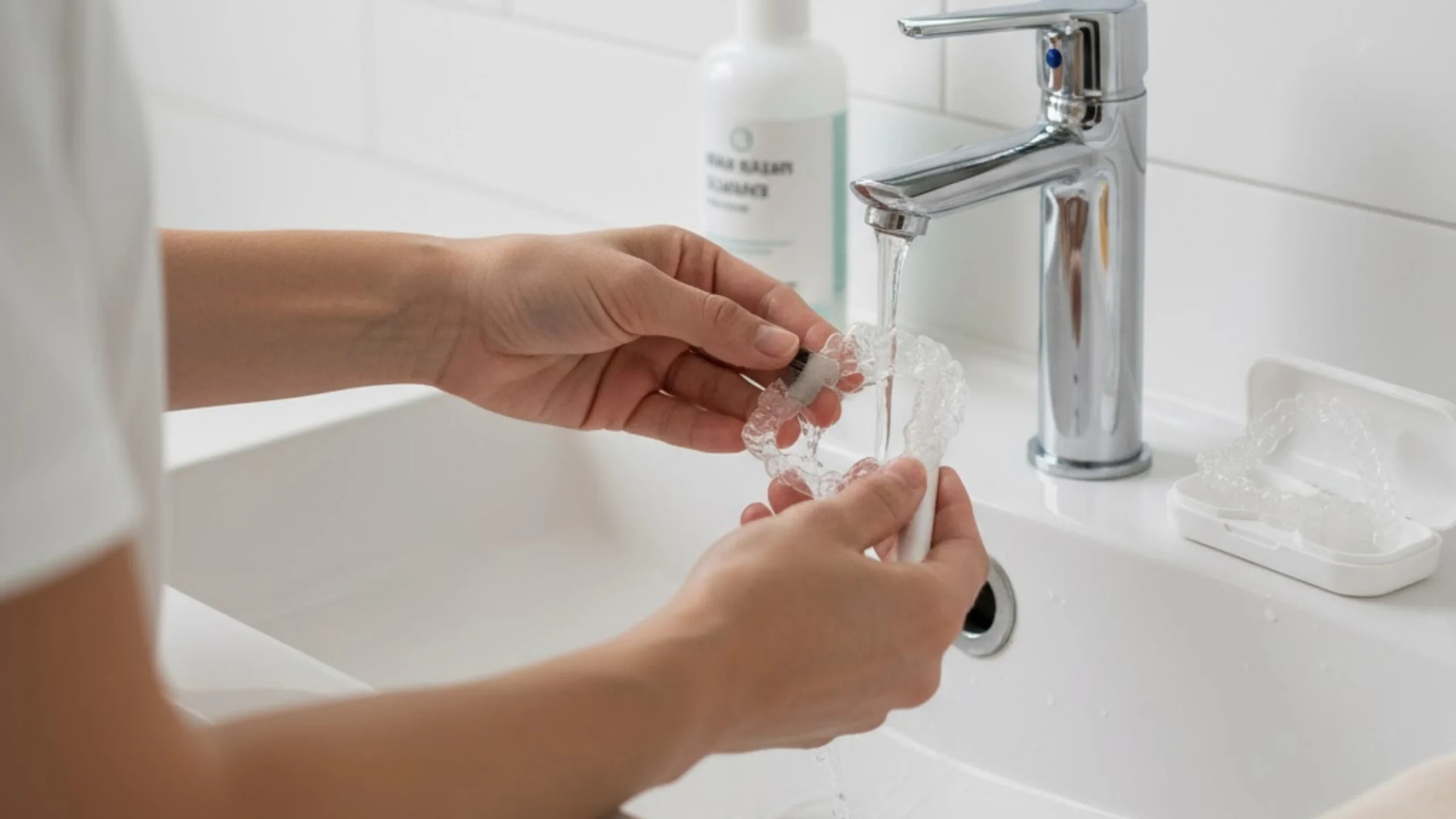
2. Clear Aligners (Orthodontics Without Braces)
Digital orthodontic planning allows mild-to-moderate dental crossbites to be managed using clear aligners:
Sequential aligner trays deliver calibrated vectors to tip and torque palatal crowns buccalward.
Aligners are removable, aesthetic, and simplify plaque control during meals.
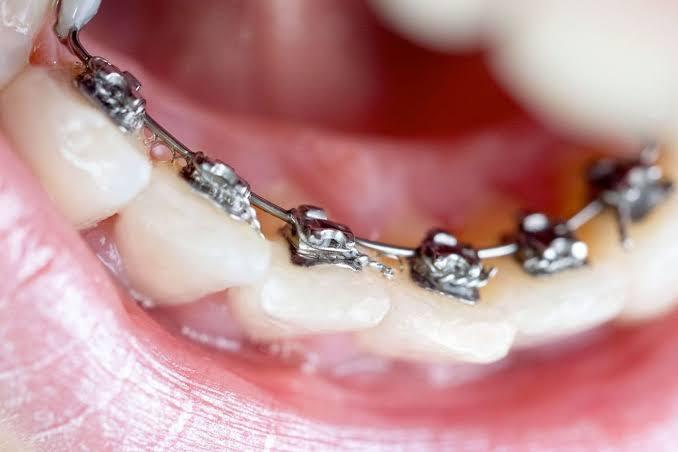
3. Comprehensive Fixed Braces (Brackets and Cross-Elastics)
Fixed multibracket appliances control three-dimensional root movement within alveolar bone:
Intermaxillary "cross-elastics" running from the palatal surfaces of upper teeth to the buccal surfaces of lower teeth unravel inverted contacts.
4. Adult Skeletal Expansion & Orthognathic Surgery
Once mid-palatal sutures fuse in adulthood, conventional tooth-borne expansion risks periodontal compromise, requiring alternative approaches:
MARPE (Micro-Implant Assisted Rapid Palatal Expansion): Palatal bone-anchored mini-screws deliver expansion forces directly to skeletal cortices without dental tipping.
SARPE (Surgically Assisted Rapid Palatal Expansion): A minimally invasive osteotomy performed by an oral surgeon mobilizes maxillary lateral walls, permitting orthopedic expansion.
How Long Does Crossbite Treatment Take?
The duration of crossbite treatment duration depends on clinical complexity:
Interceptive Orthopedic Expansion: Active screw turns take 2 to 4 weeks; retention and osseous consolidation require 6 to 9 months.
Isolated Dental Crossbite: Correcting single-tooth anterior crossbites with aligners or local fixed appliances takes 8 to 14 months.
Severe Skeletal and Multidisciplinary Crossbite: Cases combining palatal expansion, comprehensive arch alignment, and occlusal detailing require 18 to 24 months.
Factors Influencing Crossbite Treatment Cost
Health regulations prohibit advertising standardized fees; crossbite treatment costs depend on case requirements. Primary determinants include:
Chosen Orthodontic Appliance System: Metal brackets, ceramic brackets, or clear aligner packages.
Skeletal vs. Dental Complexity: Single-tooth crossbite correction versus orthopedic rapid palatal expanders (Hyrax or MARPE).
Surgical Intervention Requirements: Need for surgical osteotomies (SARPE) or orthognathic surgical intervention under general anesthesia in mature adults.
Overall Treatment Duration: Simple phase-one orthopedic therapies versus multi-year comprehensive dual-arch management.
Comparison Matrix: Dental Crossbite vs. Skeletal Crossbite
Diagnostic Metric | Dental Crossbite | Skeletal Crossbite |
Primary Etiology | Basal bones normal; abnormal tooth tipping | Maxilla structurally narrow or mandible shifted |
Facial Symmetry | Balanced extraoral soft-tissue profile | Visible chin shift, hemifacial asymmetry |
Child Management | Removable plates, clear aligners | Rapid palatal expanders (Hyrax) |
Adult Management | Clear aligners or fixed braces | Skeletal MARPE or surgical SARPE |
Biomechanical Complexity | Moderate | Complex dentofacial multidisciplinary care |
Average Treatment Duration | 8 to 14 Months | 14 to 24 Months |
Frequently Asked Questions (FAQ)
Can a crossbite be fixed with clear aligners without traditional braces?
Yes. Contemporary clear aligner systems, combined with biomechanical composite attachments and intermaxillary cross-elastics, correct dental anterior and posterior crossbites without metal brackets or archwires.
Can adults get crossbite treatment, or is it too late?
It is not too late. Crossbite corrections are performed across adult demographics. While pediatric patients possess flexible sutural cartilage, adults can achieve stable corrections using mini-screw assisted expanders (MARPE), comprehensive clear aligners, or surgical assistance (SARPE) in their 30s, 40s, and beyond.
Can a crossbite correct itself as a child grows?
No. Crossbites do not self-correct. As skeletal craniofacial growth continues, inverted interdental contacts worsen the entrapment. Maxillary transverse growth remains restricted, exacerbating facial asymmetries and TMJ wear. Early clinical intervention optimizes long-term outcomes.