Contentsexpand_more
- What Is a Water Flosser?
- What Does a Water Flosser Do?
- How to Use a Water Flosser? Step-by-Step Instructions
- What Are the Benefits of a Water Flosser?
- Water Flosser vs Dental Floss: Does It Replace String Floss?
- Comparison of Water Flosser Types
- Frequently Asked Questions (FAQ)
- Why do my gums bleed when using a water flosser?
- Can mouthwash be added to the water flosser reservoir?
- How often and when should a water flosser be used?
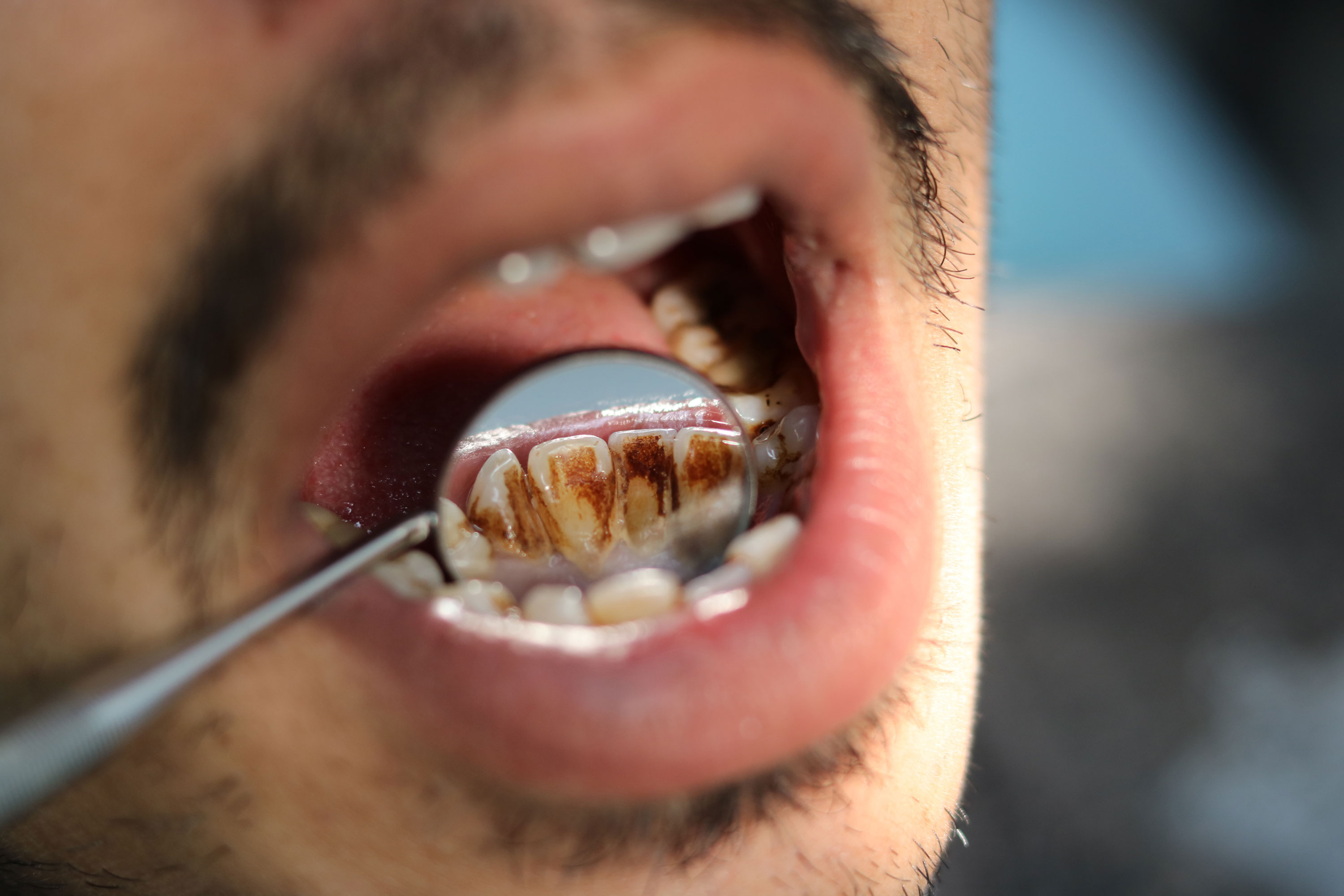
When maintaining optimal oral health, standard manual or electric toothbrushes are not enough. Brush bristles cannot reach deep interdental contact zones or subgingival pockets. Up to 40% of pathogenic dental plaque and trapped debris accumulate in these hard-to-reach areas. Over time, these uncleaned deposits calcify into stubborn dental calculus, triggering chronic gingival inflammation, halitosis, and bone loss (periodontitis).
For individuals who find traditional string floss difficult to use or prone to causing soft tissue trauma, a water flosser offers an effective, comfortable solution. Delivering targeted streams of pressurized water, it flushes out interdental spaces and periodontal pockets. In this comprehensive manual prepared by Livera Dental Clinic, we explain what is a water flosser, what does a water flosser do, water flosser benefits, and step-by-step usage techniques.
What Is a Water Flosser?
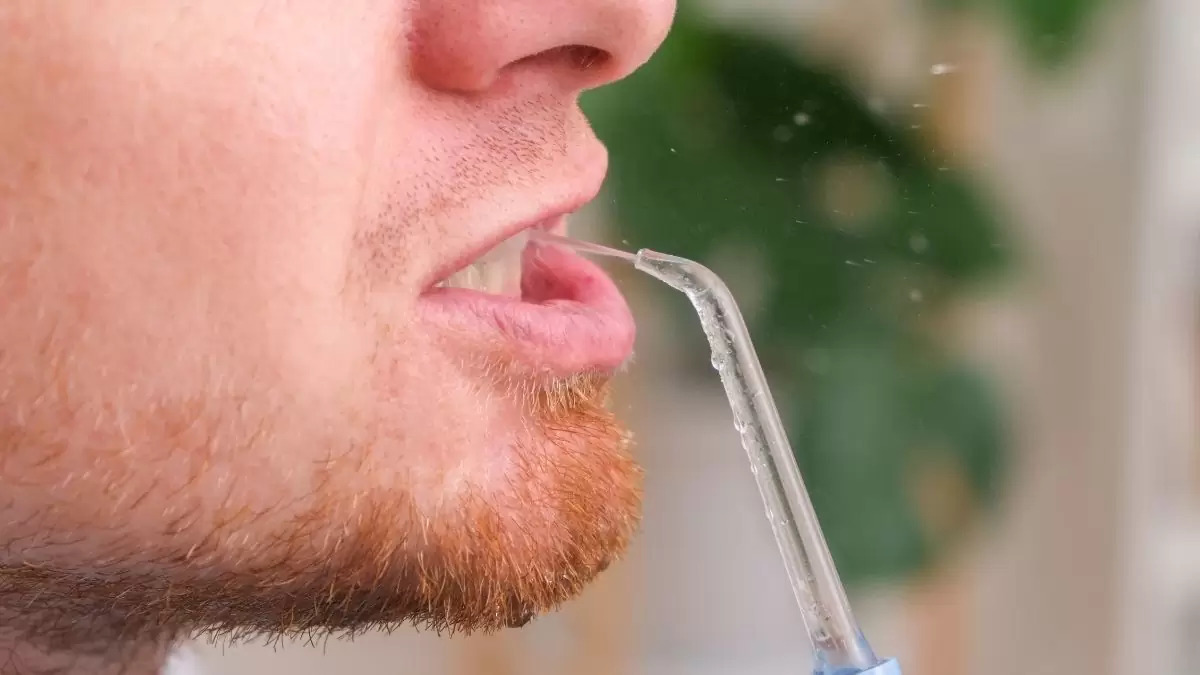
The clinical answer to what is a water flosser defines it as an electric or battery-powered oral health device that uses targeted pressurized water pulses or micro-bubble air-water streams to mechanically dislodge bacterial bio-film and food debris from interdental spaces and below the gumline.
Water or prescribed antimicrobial rinses placed in the reservoir are converted into fine, high-frequency water pulses through specialized nozzles, providing deep cleaning without damaging delicate soft tissues.
What Does a Water Flosser Do?
Patients frequently ask what does a water flosser do during routine hygiene evaluations. Its primary biological and mechanical benefits include:
Interdental Plaque Removal: Removes up to 99.9% of soft bio-film from interdental contact areas where brush bristles cannot enter.
Gingival Stimulation and Circulation: Pulsating water streams provide micro-massage to gingival tissues, stimulating capillary blood flow, firming up the gums, and reducing bleeding over time.
Halitosis Reduction: Clears volatile sulfur compounds and odor-causing anaerobic bacteria trapped between teeth, freshening breath.
Interproximal Decay Prevention: Inhibits hidden cavities that develop between adjacent teeth.
How to Use a Water Flosser? Step-by-Step Instructions
To maximize efficiency and protect soft tissues, follow this step-by-step guide on how to use a water flosser:
Fill the Water Reservoir: Fill the reservoir with lukewarm tap water. Lukewarm water prevents thermal sensitivity in patients with exposed dentin.
Select and Attach the Tip: Choose the appropriate nozzle (standard jet, orthodontic, implant, or periodontal pocket tip) and click it into the handle.
Adjust Pressure Settings: Set the pressure dial to the lowest setting before powering on the device. Gradually increase the pressure as your gums adapt.
Position Yourself Over the Sink: Lean over the sink and place the nozzle tip into your mouth. Keep your lips slightly parted to allow water to flow freely into the basin.
Aim at the Correct Angle: Hold the nozzle tip at a 90-degree angle to your tooth surfaces along the gumline.
Follow a Systematic Path: Begin with the posterior molars. Pause for 2–3 seconds at each interdental space, tracing along the gumline on both the facial and lingual/palatal surfaces.
Empty and Dry the Unit: Once complete, empty any remaining water from the reservoir and run the device briefly to clear residual fluid from the internal tube.
What Are the Benefits of a Water Flosser?
Compared to traditional cleaning methods, the primary water flosser benefits include:
Ease of Use: Highly practical for individuals with limited manual dexterity, wide interdental spaces, or those who struggle with traditional string floss.
Gentle on Soft Tissues: Eliminates the risk of slicing or traumatizing gingival tissue, which can occur with improper string flossing.
Gold Standard for Implants: Using a water flosser for implants is crucial for maintaining peri-implant tissue health. It cleans subgingival pockets around implant abutments, reducing the risk of peri-implantitis.
Essential for Orthodontics: A water flosser for braces flushes out trapped food debris around brackets and archwires within seconds, making it an invaluable tool during orthodontic treatment.
Water Flosser vs Dental Floss: Does It Replace String Floss?
Patients often ask whether using a water flosser eliminates the need for string floss.
Clinical Perspective: Pressurized water streams excel at flushing out loose debris, bio-film, and subgingival bacteria. However, string floss provides a physical scraping action that may still be required to break up sticky, tightly bound interdental bio-film in extremely tight contact areas.
Summary: A water flosser does not 100% replace string floss in every clinical scenario, but for individuals who do not floss at all, it offers over 90% protection compared to no interdental cleaning. Combining daily brushing, water flossing, and occasional string flossing yields the best results.
Comparison of Water Flosser Types
Feature | Countertop (Corded) Water Flosser | Cordless (Rechargeable) Water Flosser |
Reservoir Capacity | Large (600+ ml for continuous use) | Compact (150–300 ml) |
Pressure Range | High (10–12 adjustable pressure settings) | Moderate/High (3–5 operational modes) |
Portability | Stationary; designed for home use | Lightweight and wireless; ideal for travel |
Best Suited For | Families and comprehensive home care | Personal daily use and travel convenience |
Frequently Asked Questions (FAQ)
Why do my gums bleed when using a water flosser?
Mild gingival bleeding during the first 1–2 weeks of using a water flosser is common. This bleeding is not caused by tissue damage from the device, but rather indicates pre-existing gingival inflammation (gingivitis). With consistent use at a low pressure setting, gingival tissues will become firmer and bleeding will subside within a few days. If bleeding persists beyond 2 weeks, consult your dentist.
Can mouthwash be added to the water flosser reservoir?
Yes, non-alcoholic mouthwashes or prescribed antimicrobial solutions can be added to the water reservoir. A 1:1 ratio of lukewarm water and mouthwash is typically recommended. After use, flush the internal tubing by running plain warm water through the device to prevent residual buildup.
How often and when should a water flosser be used?
Use a water flosser once or twice daily, ideally after evening toothbrushing. Because salivary flow decreases during sleep, water flossing before bed provides maximum protection against nighttime bacterial proliferation.