Contentsexpand_more
- How to Choose a Toothbrush: Core Clinical Guidelines
- What Toothbrush Bristle Stiffness to Use? Soft, Medium, or Hard?
- Choosing a Toothbrush for Special Clinical Indications
- 1. Best Toothbrush for Implants
- 2. Toothbrush Selection for Orthodontic Patients
- Comparison Matrix: Toothbrush Types and Bristle Stiffness Ratings
- Frequently Asked Questions (FAQ)
- Is a soft toothbrush effective enough to remove dental plaque completely?
- My gums bled when I started using a new toothbrush. Should I change it?
- How often and how should electric toothbrush heads be selected and replaced?
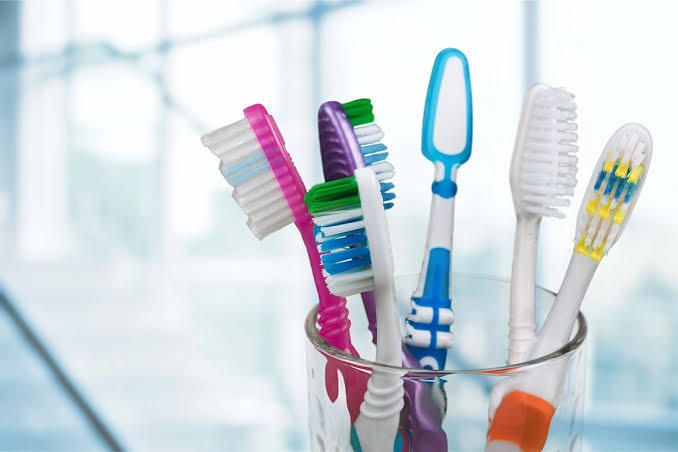
Brushing teeth is the cornerstone of daily oral hygiene; however, utilizing inappropriate tools prevents achieving effective bio-film control. Retail stores and pharmacies display hundreds of toothbrush options featuring diverse head shapes, handle designs, and bristle densities. Most consumers engage in choosing a toothbrush based on cosmetic packaging or random preference. Unfortunately, using an incorrect toothbrush can cause irreversible enamel abrasion, severe gingival recession, exposure of sensitive root dentin, and acute thermal hypersensitivity.
Oral anatomy is unique to each individual. Factors such as gingival biotype, crowding, the presence of dental implants, fixed prosthodontic crowns, or orthodontic appliances directly dictate the ideal toothbrush configuration. In this evidence-based manual compiled by Livera Dental Clinic, we evaluate how to choose a toothbrush, analyze what toothbrush bristle stiffness to use, identify the best toothbrush for implants, and review clinical criteria to determine the best toothbrush to use.
How to Choose a Toothbrush: Core Clinical Guidelines
Answering how to choose a toothbrush correctly requires assessing four fundamental mechanical and anatomical variables:
Toothbrush Head Size: The brush head must be compact enough to maneuver easily around the posterior molars and lingual surfaces. For adults, the optimal head dimensions measure approximately 1.5 to 2.5 cm in length (covering 2 to 3 teeth). Oversized brush heads restrict access to hard-to-reach areas.
Bristle Material and End-Rounding: Bristles must be fabricated from synthetic nylon filaments featuring microscopic end-rounded tips. Natural bristles or sharp, flat-cut synthetic bristles can scratch the enamel, traumatize gingival margins, and harbor intraoral bacteria.
Handle Ergonomics: The handle should provide a non-slip, comfortable grip that allows precise control without encouraging excessive manual pressure during brushing.
Bristle Stiffness Rating: Selecting the correct bristle stiffness relative to individual periodontal health is the most critical decision.
What Toothbrush Bristle Stiffness to Use? Soft, Medium, or Hard?
A widespread misconception among patients is that stiff bristles clean teeth more thoroughly. Periodontal research demonstrates that plaque removal depends on proper technique and duration rather than bristle stiffness. So, what toothbrush bristle stiffness to use?
Soft Toothbrush (Soft / Ultra-Soft): This is the most universally recommended toothbrush type in clinical dentistry. Should a toothbrush be soft? Yes. Flexible soft bristles bend easily into the gingival sulcus, removing subgingival bio-film without abrading soft tissue. A soft toothbrush is essential for patients with gingival recession, cervical wear, or exposed root dentin.
Medium Toothbrush: Suitable for individuals with healthy periodontal tissues, thick gingival biotypes, and controlled manual brushing pressure.
Hard Toothbrush: Not recommended for daily ıntraoral use. Stiff bristles cut micro-grooves into enamel (abrasion) and cause mechanical gingival recession. Hard brushes are restricted to cleaning removable prostheses or specific short-term clinical indications.
Choosing a Toothbrush for Special Clinical Indications
Specific oral restorations and surgical conditions require customized toothbrush designs:
1. Best Toothbrush for Implants
Identifying the best toothbrush for implants is crucial for maintaining long-term peri-implant tissue stability:
Peri-implant mucosal seals lack the periodontal ligament fibers found around natural teeth, making them more vulnerable to mechanical trauma. Patients with dental implants should use Ultra-Soft micro-filament toothbrushes.
Cleaning around implant abutments and bridge pontics requires supplementing daily care with interdental brushes and single-tufted end-tuft brushes.
2. Toothbrush Selection for Orthodontic Patients
Orthodontic brackets and archwires trap significant amounts of food debris and plaque.
Patients should use "V-Cut" Orthodontic Toothbrushes, where the central bristles are shorter than the outer rows. This design cleans above, below, and over the surface of brackets simultaneously.
Manual vs. Powered/Electric: What Is the Best Toothbrush to Use?
Patients frequently ask: what is the best toothbrush to use, and are electric options necessary?
The best toothbrush is one tailored to your specific oral anatomy that you use consistently twice daily for two minutes using proper technique.
Manual Toothbrushes: Cost-effective and portable. When used with the Modified Bass Technique, manual brushes maintain excellent oral hygiene.
Powered / Sonic Toothbrushes: Delivering thousands of oscillations or acoustic vibrations per minute, powered brushes simplify mechanical plaque removal. Models equipped with pressure sensors prevent excessive scrubbing, protecting against gingival recession. They are clinically advantageous for children, orthodontic patients, implant wearers, and individuals with limited manual dexterity.
Comparison Matrix: Toothbrush Types and Bristle Stiffness Ratings
Toothbrush Type / Stiffness | Bristle Structure & Flexibility | Ideal Patient Profile | Clinical Advantage |
Ultra-Soft / Sensitive | Ultra-fine, dense micro-filaments | Gingival recession, root exposure, post-surgery | Zero tissue trauma, maximum comfort |
Soft | Flexible, end-rounded nylon filaments | All adults and children (Universal Standard) | Optimal bio-film removal, protects gums |
Medium | Standard flexibility filaments | Periodontally healthy patients with controlled pressure | Effective mechanical stain and plaque control |
Hard | Rigid, stiff filaments | Not recommended for daily intraoral use | Restricted to cleaning removable dentures |
Orthodontic (V-Cut) | Groove-profile bristle arrangement | Patients wearing fixed orthodontic braces | Cleans around brackets and wires in one stroke |
Frequently Asked Questions (FAQ)
Is a soft toothbrush effective enough to remove dental plaque completely?
Yes, absolutely. Dental plaque is a soft, uncalcified bacterial bio-film that does not require heavy mechanical scrubbing to be dislodged. When applied at a 45-degree angle toward the gumline using gentle sweeping strokes for two full minutes, a soft toothbrush effectively removes over 99% of surface bio-film without damaging enamel or soft tissues.
My gums bled when I started using a new toothbrush. Should I change it?
If your new brush has soft or medium bristles, mild bleeding during the first few days usually indicates pre-existing gingival inflammation (gingivitis) caused by accumulated plaque rather than injury from the toothbrush. Continue brushing gently using circular motions. As plaque is removed and inflammation subsides, bleeding should resolve within 3 to 5 days. If bleeding persists beyond 2 weeks, consult your periodontist.
How often and how should electric toothbrush heads be selected and replaced?
Electric toothbrush heads should be replaced every 3 months, or sooner if the bristles become splayed or discolored. When selecting replacement heads, opt for "Sensitive" or "Gentle Care" soft heads to protect gingival tissues. Patients with implants or braces should select specialized compact or orthodontic replacement heads.