Contentsexpand_more
- Is Bleeding After Tooth Extraction Normal?
- How Long Does Bleeding After a Tooth Extraction Last?
- Normal Bleeding or Bleeding That Needs Attention
- How to Stop Bleeding After a Tooth Extraction at Home
- What to Avoid After an Extraction
- What Can Increase Bleeding
- Dry Socket Versus Bleeding
- Eating and Resting While the Site Heals
- When to Contact Your Dentist After an Extraction
- Frequently Asked Questions
- How many hours does bleeding last after a tooth extraction?
- What should I do if bleeding after an extraction does not stop?
- Is it normal to see blood in saliva after an extraction?
The tooth is out, there is gauze in your mouth and a little later your saliva starts to turn red. Many people stop at this point and wonder whether this is normal. The short answer is that some bleeding after an extraction is expected and usually eases over the first day. Still, knowing how much is normal, how long it lasts and how to control it can save a lot of unnecessary worry.
This guide explains why bleeding happens after an extraction, how normal bleeding differs from bleeding that needs attention, what you can do at home and when to contact your dentist. The information is general, and your dentist will assess your own situation.
Is Bleeding After Tooth Extraction Normal?
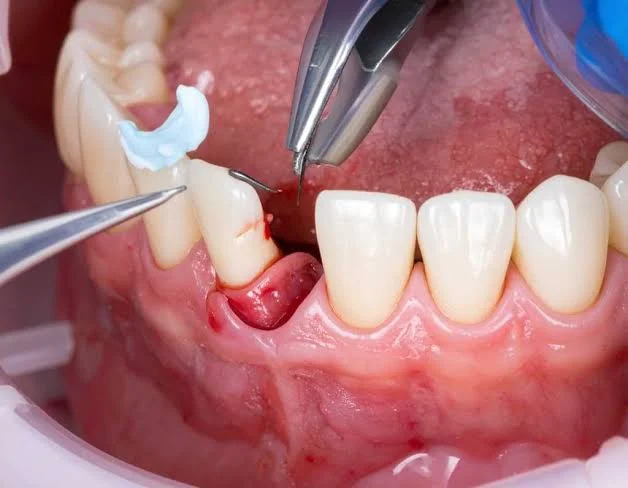
Yes, some bleeding at the extraction site is normal. When a tooth is removed, small blood vessels in the gum and bone are opened, and the body tries to seal the space with a blood clot. This clot is the foundation of healing and allows new tissue to form.
Pink or blood tinged saliva in the first hours, or a light ooze from the site, is usually not a problem. The bleeding should ease and the colour should lighten over time. How difficult the extraction was, which tooth was removed and your general health can all affect this.
How Long Does Bleeding After a Tooth Extraction Last?
In most people the bleeding eases clearly within the first hour or two. A light ooze or pink saliva can continue through the first day and sometimes into the next morning. The time varies with the tooth, whether the extraction was surgical and how quickly you heal.
If the bleeding is getting heavier instead of lighter, or goes on for a long time, it should be checked. Giving an exact time would not be right, because every extraction is different. The instructions your dentist gives after the procedure are the most reliable guide for you.
Normal Bleeding or Bleeding That Needs Attention
The table below compares what is generally expected with what may call for a message to your dentist. It is only a general guide, and your dentist makes the final judgement.
| Situation | Generally expected | Worth discussing with your dentist |
|---|---|---|
| Amount of bleeding | Light ooze, pink saliva | Bleeding that quickly fills the mouth |
| How it changes | Eases over hours | Gets heavier instead of lighter |
| Response to pressure | Slows with firm gauze pressure | Continues despite pressure |
| Other symptoms | Mild pain and swelling | Fever, weakness, dizziness |
| Clot appearance | Dark red and in place | Constant flow of fresh blood |
How to Stop Bleeding After a Tooth Extraction at Home
If the bleeding is light, a few simple steps usually bring it under control. Your dentist's instructions always come first, but these steps are commonly advised:
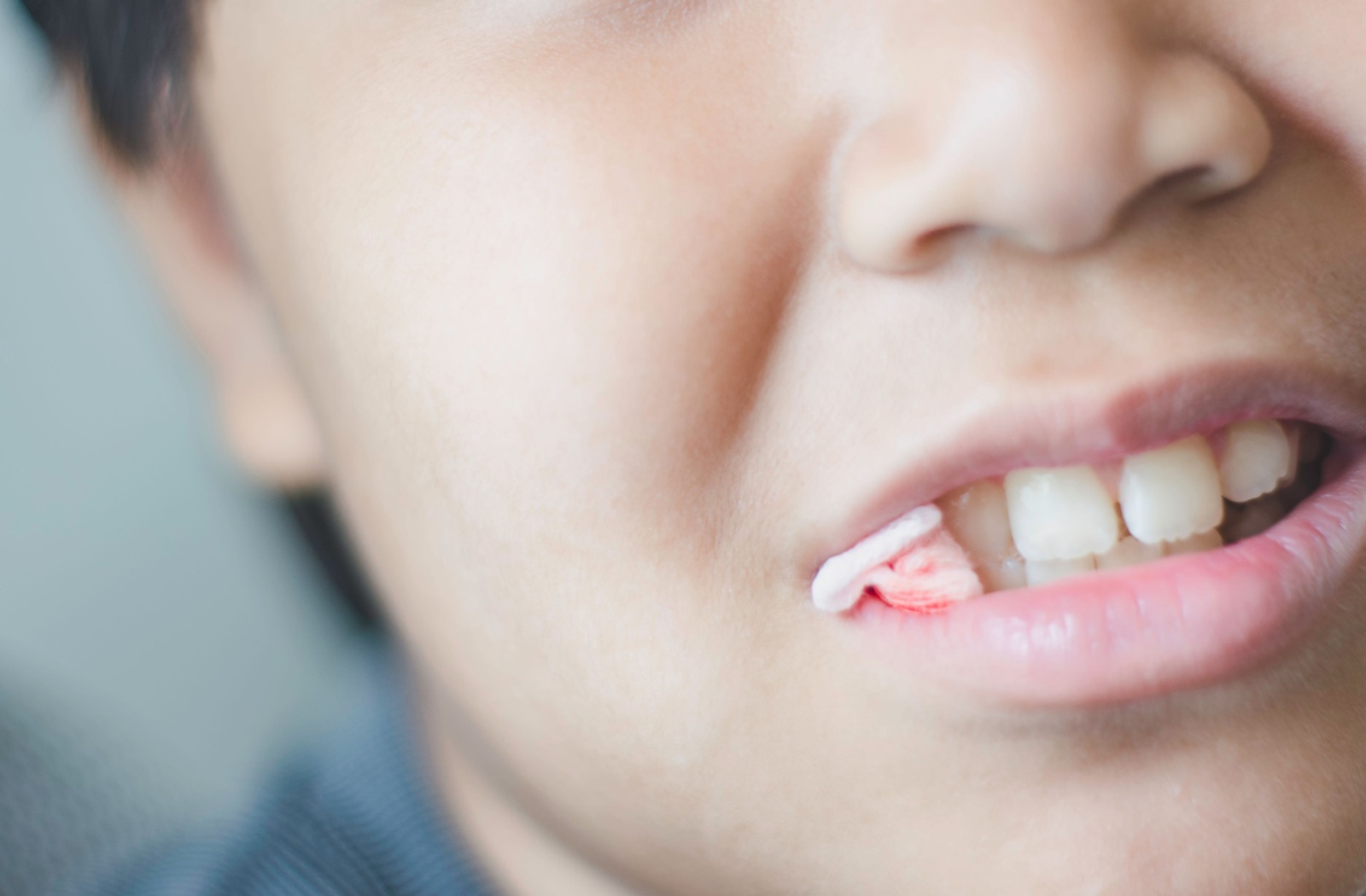
1. Fold a clean, damp piece of gauze and place it over the extraction site.
2. Bite down firmly and keep steady pressure for about thirty minutes.
3. Do not take the gauze out often to check, because this disturbs the clot.
4. If bleeding continues, use fresh gauze or a damp tea bag and press again.
5. Rest in a seated or half seated position with your head raised on a pillow.
6. Talk and chew as little as possible and leave the site alone.
If the bleeding does not stop with these steps, or keeps increasing, contact your dentist without delay.
What to Avoid After an Extraction
To keep the clot in place, some habits should be avoided in the first days. Rinsing hard, spitting forcefully, drinking through a straw and touching the site with the tongue or fingers can dislodge the clot. When that happens, bleeding can start again.
Smoking and alcohol also slow healing and can raise the risk of bleeding. Very hot food and drinks are best avoided on the first day. Your dentist will tell you which habits to avoid and for how long, based on your own case.
What Can Increase Bleeding
In some situations bleeding after an extraction can be heavier than expected. People who take blood thinning medicines, have a clotting problem, have uncontrolled high blood pressure or have liver disease may fall into this group. Areas with inflamed gums can also bleed more.
For this reason it is important to tell your dentist about all your medicines and past illnesses before an extraction. Do not stop a medicine you take regularly without asking your doctor first, because this can create other risks.
Dry Socket Versus Bleeding
Severe pain that begins a few days after an extraction may point to a different problem, called dry socket, rather than bleeding. Dry socket happens when the clot is lost early or never forms, and it usually comes with a bad taste, a bad smell and pain that spreads towards the ear.
Dry socket on its own does not usually cause heavy bleeding. Even so, if your pain is getting worse or the clot is no longer visible, call your dentist. Treatment involves cleaning the socket and placing a protective dressing.
Eating and Resting While the Site Heals
On the first day choose soft, lukewarm or cool foods. Soup, yoghurt, mashed vegetables and pudding need no chewing and leave the site in peace. Avoid chewing on the side of the extraction and stay away from hard or crunchy food for the first days.
Plenty of rest and avoiding heavy exercise also lower the risk of bleeding. Hard physical effort can raise blood pressure and cause the site to bleed again. Keeping your head slightly raised when you sleep can also help.
When to Contact Your Dentist After an Extraction
Contact your dentist if bleeding does not stop despite proper pressure with gauze, or if it keeps increasing. If your mouth fills with blood quickly, or you feel dizzy, weak or notice your heart racing, do not wait. Fever, worsening swelling and a foul tasting discharge may also point to an infection.
Even for a light ooze, there is nothing wrong with calling your clinic if you are unsure. The dentist can guide you by phone and, if needed, check the site and apply measures to control the bleeding.
Frequently Asked Questions
How many hours does bleeding last after a tooth extraction?
In most people the bleeding eases clearly within the first hour or two, while slightly pink saliva can continue through the first day. The time varies with the person and the type of extraction, so following your dentist's instructions is best.
What should I do if bleeding after an extraction does not stop?
Apply firm, steady pressure with clean gauze for about thirty minutes while sitting with your head raised. If the bleeding still continues or increases, contact your dentist without delay.
Is it normal to see blood in saliva after an extraction?
Pink or lightly blood tinged saliva is usually normal on the first day. However, fresh blood that keeps filling your mouth is not normal and should be assessed by a dentist.