Contentsexpand_more
- How Does Local Anaesthetic Work in Dental Treatment?
- How Long Does Local Anaesthetic Last?
- What Changes How Long It Lasts?
- Why Does the Lower Jaw Stay Numb Longer?
- What to Do While You Are Numb
- Can You Make It Wear Off Faster?
- What If the Numbness Lasts Too Long?
- Pregnancy and Long Term Health Conditions
- Frequently Asked Questions
- How many hours does local anaesthetic last?
- Can I eat before the anaesthetic wears off?
- What if the numbness lasts longer than a day?
A local anaesthetic given before dental treatment stops you from feeling pain during the procedure. Once the treatment is over, most people ask the same thing: how long will this numbness last? The short answer is that it usually wears off by itself within a few hours, although the time can vary with the person and the procedure.
This guide explains how local anaesthetic works in dentistry, what decides how long it lasts, what to be careful about while you are numb and when to contact your dentist. The information is general. Your own dentist can give you the most accurate advice for your treatment.
How Does Local Anaesthetic Work in Dental Treatment?
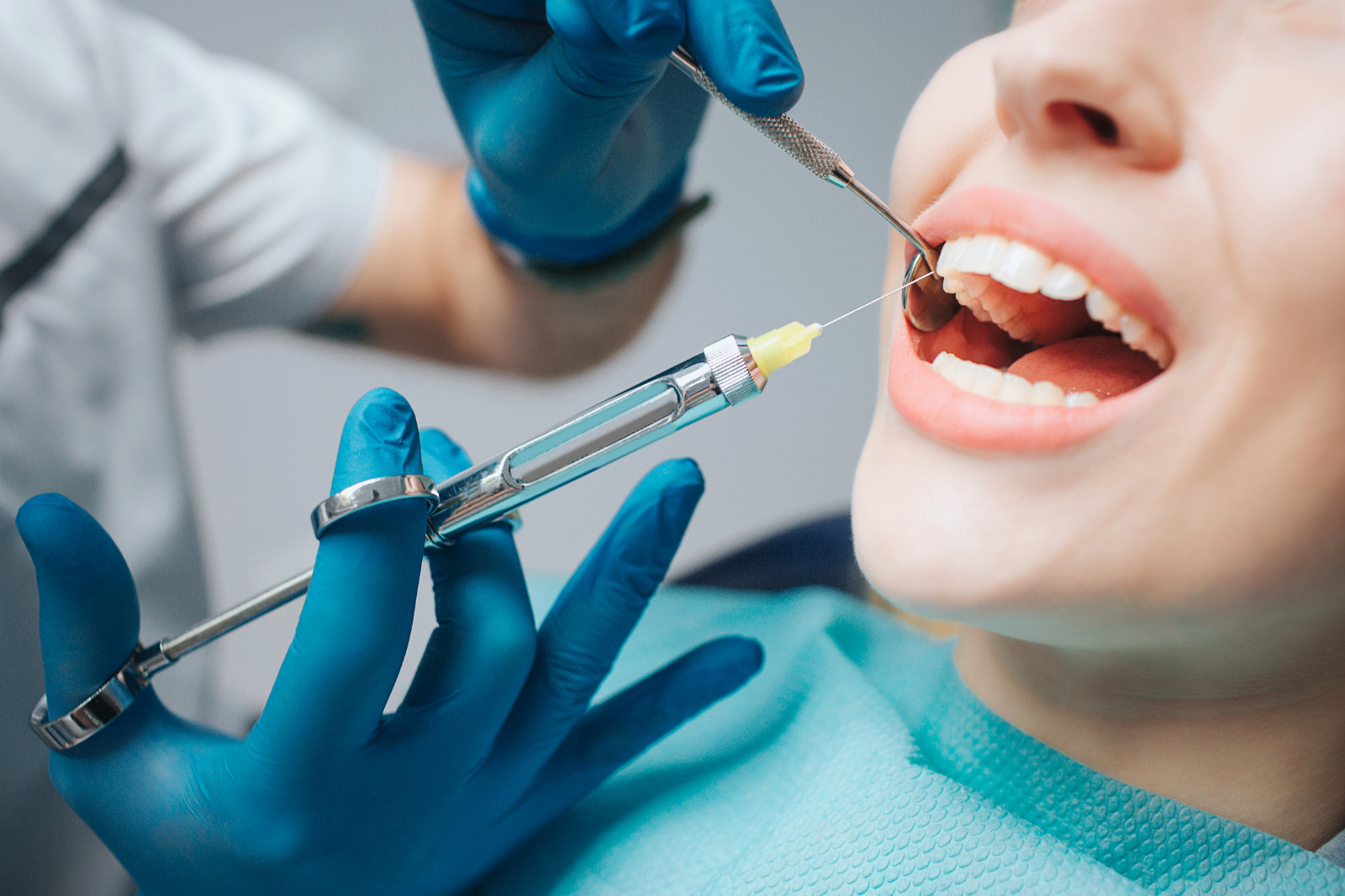
Local anaesthetic temporarily blocks pain signals from the nerves of the tooth and the surrounding tissue. The dentist usually injects the medicine into the gum near the area to be treated. Within a few minutes, the lip, cheek, tongue and tooth begin to feel numb.
The effect is temporary. The medicine is gradually carried away by the body and the nerves return to normal. For that reason, the numbness fades by itself and needs no extra treatment.
How Long Does Local Anaesthetic Last?
Numbness of the tooth itself, which is what blocks pain, often lasts about an hour or a little more. Numbness in the lip, cheek and tongue stays longer and usually fades within two to four hours. In some people it can last five or six hours.
These are general figures and not exact times. The same medicine can work for different lengths of time in two different people. Your dentist can give you an approximate time based on the procedure and the medicine used.
What Changes How Long It Lasts?
Several factors decide how long the numbness will stay. The main ones are:
- The type and amount of medicine used.
- Whether the medicine contains a substance that narrows blood vessels.
- The area treated, since the lower jaw usually stays numb longer than the upper jaw.
- Your metabolism and general health.
- Blood flow in the area and whether there is inflammation.
- The type and length of the procedure.
Medicines with a vessel narrowing ingredient may last longer. The dentist chooses between them according to the length of treatment and your health.
Why Does the Lower Jaw Stay Numb Longer?
In the lower jaw, the anaesthetic is often placed near a large nerve that supplies the lip and one side of the chin. For that reason, the lip and tongue can stay numb for longer after lower jaw treatment. In the upper jaw the bone is more porous, so the medicine acts more locally and the numbness often wears off sooner.
What to Do While You Are Numb
A few simple precautions help you avoid hurting yourself by accident until the feeling returns. You can follow these steps:
1. Be careful not to bite your lip, cheek or tongue.
2. Avoid eating until the numbness has passed, or choose only soft food and chew on the other side.
3. Stay away from very hot drinks, because you may not feel the heat and could burn yourself.
4. Do not keep pulling at or poking the numb area.
5. Follow any aftercare instructions your dentist gives you.
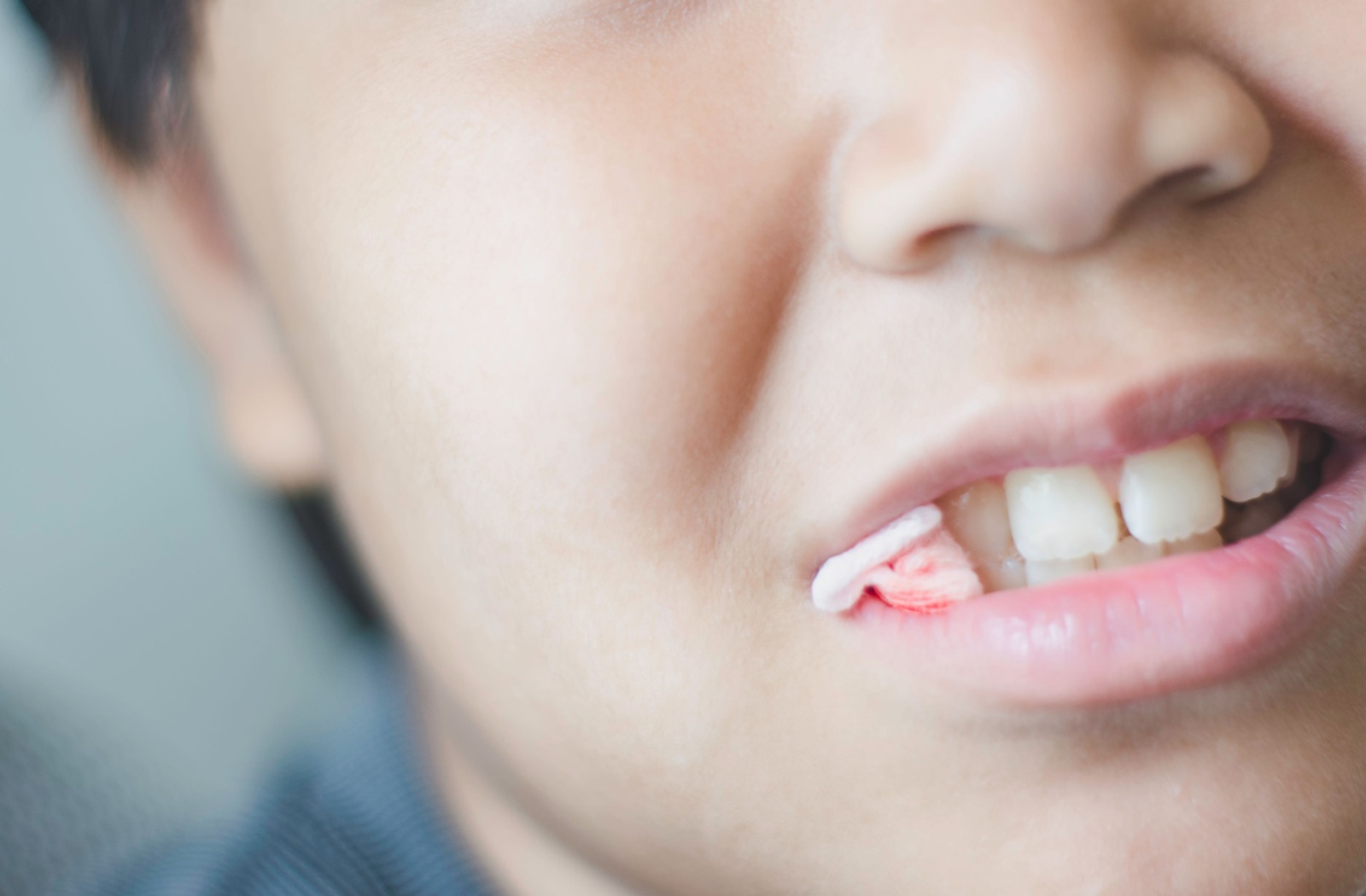
Extra care is needed with children, because they may bite a numb lip or cheek without noticing. Parents should keep an eye on them until the numbness is gone.
Can You Make It Wear Off Faster?
There is no reliable home method for making the numbness fade faster. Some people say that massaging the area, applying warmth or moving the mouth helps, but there is no clear evidence for this. In most cases, patience is the best approach.
Some clinics can use a special medicine that ends the numbness sooner. This is not suitable for every treatment or every patient. If you are interested, ask your dentist before the treatment begins.
What If the Numbness Lasts Too Long?
For most people, the numbness is expected to be completely gone within a day. If you still have numbness in your lip, tongue or cheek after 24 hours, or if tingling or loss of feeling continues, let your dentist know. Rarely, a nerve may be temporarily affected, and this needs to be followed up.
Contact your dentist or clinic without delay if you also have swelling, increasing pain, fever, difficulty breathing, a rash or a racing heart. In an emergency, go to your nearest medical facility.
Pregnancy and Long Term Health Conditions
Pregnancy, heart disease, high blood pressure, diabetes or a medicine allergy can influence the choice of anaesthetic. Your dentist adjusts the type and amount of medicine according to your health history. Because of this, always tell your dentist about your medicines and conditions before treatment.
Frequently Asked Questions
How many hours does local anaesthetic last?
The pain blocking effect in the tooth usually lasts about an hour. Numbness in the lip, cheek and tongue fades within two to four hours for most people and can be longer for some. The exact time depends on the medicine, the area and the person.
Can I eat before the anaesthetic wears off?
It is not recommended. While you are numb, you could bite your tongue, cheek or lip, or burn yourself with hot food. It is safer to wait until the effect has gone or to eat only very soft food.
What if the numbness lasts longer than a day?
This is uncommon. If the numbness lasts longer than 24 hours, call your dentist. The dentist will assess the situation and plan follow up if needed.