Contentsexpand_more
- How Diabetes Affects Oral Health
- Common Dental Problems in People With Diabetes
- Can People With Diabetes Have Dental Treatment?
- How to Prepare Before Treatment
- What to Expect During the Visit
- Healing and Aftercare
- Everyday Care Tips
- When to See a Dentist
- Frequently Asked Questions
- Can a person with diabetes have a tooth extracted?
- Should I fast before dental treatment if I have diabetes?
- Does diabetes rule out dental implants?
Diabetes can affect more than blood sugar. It can also change the health of your mouth. Many people with diabetes wonder whether a filling, root canal, extraction or implant is safe for them. The short answer is that people with diabetes can have dental treatment, but a few points deserve extra attention.
This guide explains what matters in dental care for people with diabetes, how to prepare before a visit and what to watch for during healing. The information is general. Your dentist and the doctor who looks after your diabetes will decide the best plan for you.
How Diabetes Affects Oral Health
When blood sugar stays high for long periods, the body becomes less able to fight infection. In the mouth, this can show up as gums that become inflamed more easily and healing that takes longer. A dry mouth is also common. Saliva protects the teeth, so less of it raises the risk of decay.
The link between diabetes and gum disease works in both directions. Poorly controlled diabetes can make gum disease worse, and advanced gum inflammation can make blood sugar harder to manage. Regular dental checks are therefore a useful part of diabetes care.
Common Dental Problems in People With Diabetes
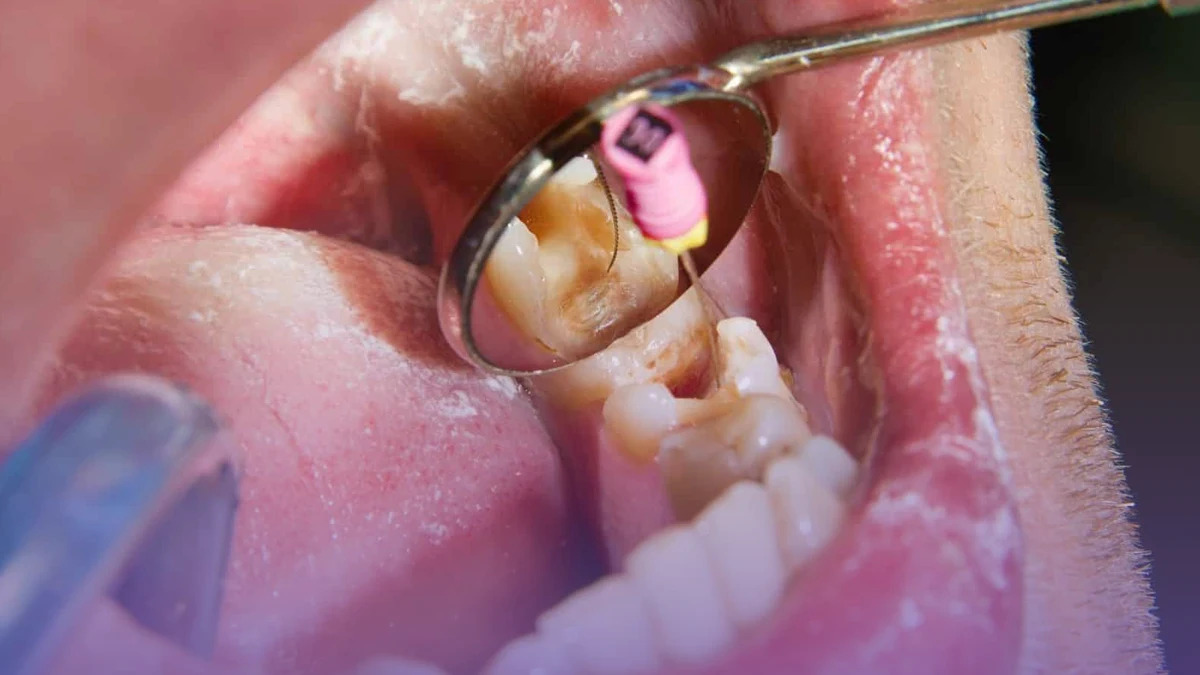
Some mouth problems are seen more often in people with diabetes. Not everyone will have all of them, but it helps to know what to look for:
- Red, swollen or bleeding gums.
- Receding gums and loose teeth.
- Dry mouth and the cavities that can follow.
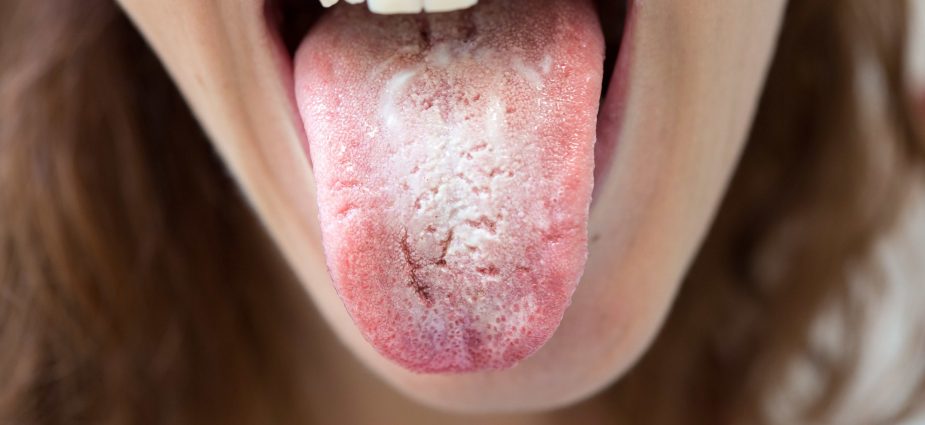
- Fungal infection in the mouth, known as thrush.
- Sores in the mouth that heal slowly.
- A burning feeling or a change in taste.
If you notice any of these, contact your dentist even if the problem seems small. Early care usually makes treatment simpler.
Can People With Diabetes Have Dental Treatment?
Yes. When blood sugar is well controlled, dental treatment is usually carried out in much the same way as for people without diabetes. Fillings, root canals, gum treatment and extractions can all be done with proper preparation.
When blood sugar is not well controlled, your dentist may want to delay surgical procedures or ask that your levels be stabilised first. The aim is to lower the risk of infection and slow healing. The decision varies from person to person and depends on the advice of your dentist and your diabetes doctor.
How to Prepare Before Treatment
Good preparation makes the visit safer and more comfortable. Before your appointment, you can follow these steps:
1. Tell your dentist which type of diabetes you have and which medicines or insulin you take.
2. Bring your recent blood sugar readings and, if you have it, your HbA1c result.
3. Take your medicines and eat as your doctor advises on the day of treatment.
4. Book your appointment in the morning and after a meal if possible.
5. Bring your testing device and a source of sugar in case you need it.
Arriving after eating matters. Going without food for a long time can raise the risk of low blood sugar, particularly in people who use insulin or medicines that lower glucose.
What to Expect During the Visit
Your dentist may ask to check your blood sugar before starting. If you feel faint, sweaty, shaky or unusually tired during treatment, say so straight away. These can be signs of low blood sugar, and a short pause with something sweet may be needed.
Shorter appointments are often preferred over long ones. Local anaesthetic is generally used safely. The dentist will choose the anaesthetic and medicines according to other conditions you may have, such as heart or blood pressure problems, so sharing your full health history is important.
Healing and Aftercare
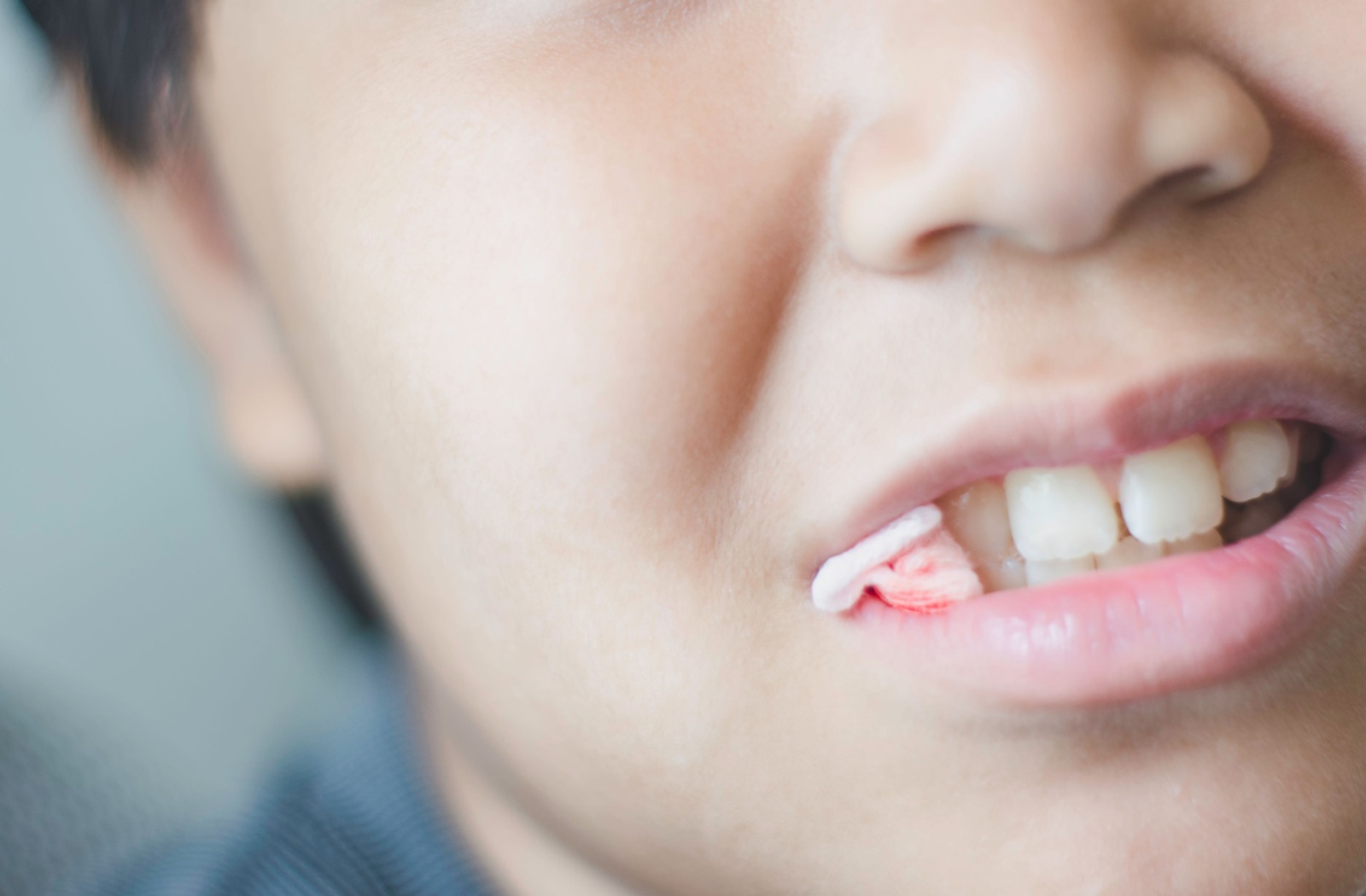
Wound healing can be somewhat slower in people with diabetes. After an extraction or surgical procedure, follow your dentist's instructions carefully. Keeping your mouth clean in the way you are advised helps lower the risk of infection.
If needed, your dentist may suggest a protective antibiotic or an antiseptic mouthwash. Do not start medicines on your own. If you notice fever, increasing pain, swelling or a bad taste, contact your clinic without delay, because these can be signs of infection.
Everyday Care Tips
Regular care is the best way to reduce the need for treatment. Brush twice a day with fluoride toothpaste and clean between your teeth once a day with interdental brushes or floss. If your mouth is dry, drinking water often and using products your dentist recommends can help.
Keeping blood sugar within your target range also supports oral health directly. Smoking raises the risk of gum disease and slow healing, so quitting is advised. Attend check ups as often as your dentist suggests, usually every six months or more often.
When to See a Dentist
Book an appointment without waiting if you have bleeding gums, persistent bad breath, a loose tooth, a mouth sore that does not heal or unexpected pain. Infections can move quickly in people with diabetes, so early assessment matters. Always mention your diabetes at the first visit.
Frequently Asked Questions
Can a person with diabetes have a tooth extracted?
Yes. When blood sugar is well controlled, extraction can usually be done safely. If your levels are running high, your dentist may delay the procedure or ask for them to be stabilised first. The decision is made together with your diabetes doctor.
Should I fast before dental treatment if I have diabetes?
Usually not. Eating beforehand is generally advised, because going without food can cause low blood sugar. Follow your doctor's advice about meals and medicines on the day, and tell your dentist.
Does diabetes rule out dental implants?
Not always. People whose blood sugar is well managed can often have implants, although healing is watched more closely. We cover this topic in more detail in a separate article. Suitability is decided after an examination.