Contentsexpand_more
- What Is Gum Overgrowth?
- Main Causes of Gum Overgrowth
- Which Symptoms Deserve Attention?
- How Is Gum Overgrowth Diagnosed?
- Treatment Options
- Gingivectomy and Laser Reshaping
- Simple Steps for Gum Care at Home
- Can Gum Overgrowth Come Back? How to Prevent It
- Frequently Asked Questions
- Does gum overgrowth go away by itself?
- Is gum overgrowth painful?
- When is surgery needed for gum overgrowth?
If you have noticed that your gums seem to swell up over your teeth, or look thicker and puffier than before, this may be gum overgrowth. Sometimes it looks like a cosmetic issue only, but it can make brushing harder and encourage gum disease. The good news is that a cause can usually be found, and with the right care the problem can often be managed.
This guide explains what gum overgrowth is, what causes it, how it is recognised and which treatments may be discussed. The information is general. Your own dentist can give you the most accurate assessment.
What Is Gum Overgrowth?
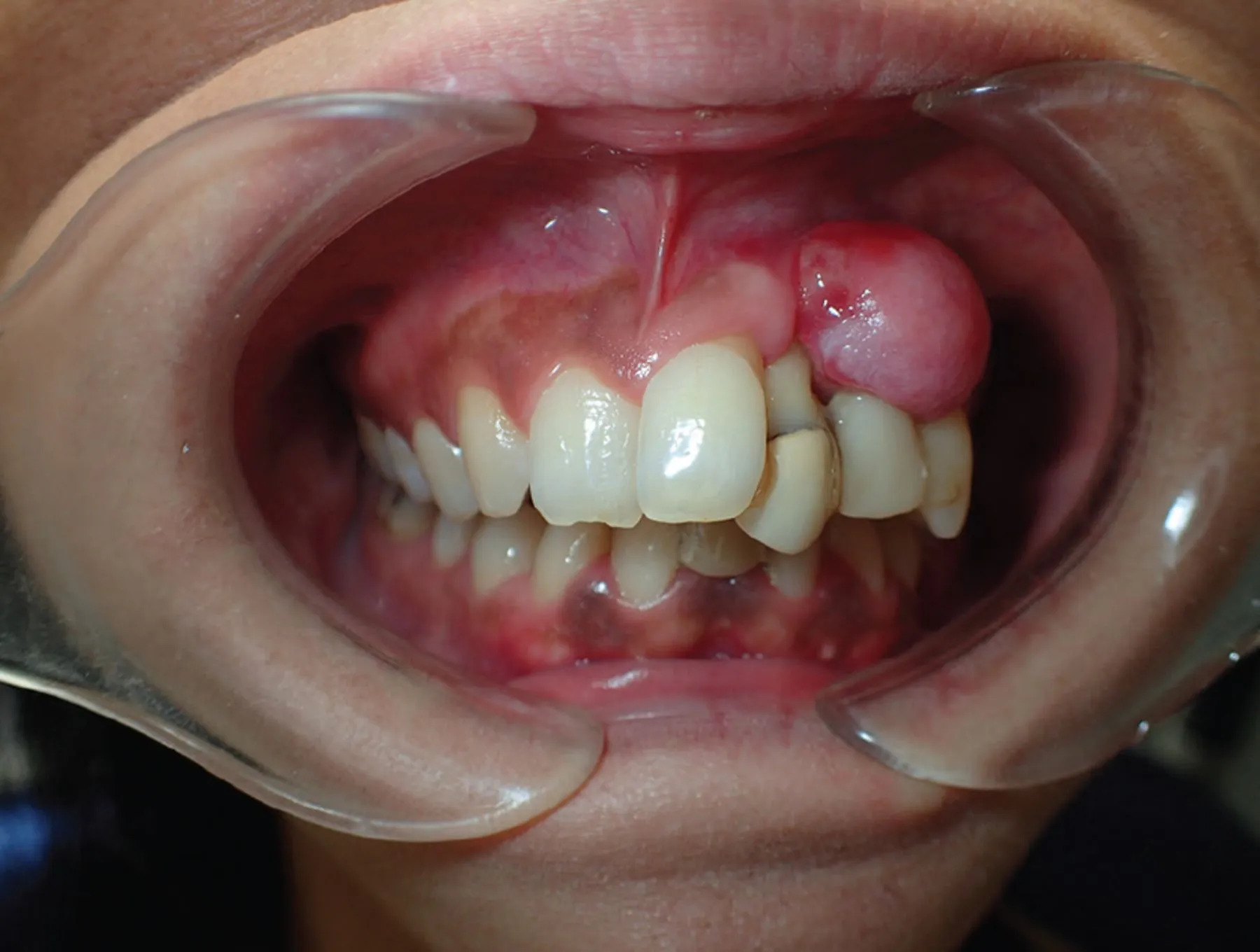
Gum overgrowth is an increase in gum tissue so that the gums cover more of the tooth surface than they should. In medical terms it is called gingival enlargement or gingival hyperplasia. It can affect one tooth, a few teeth or the whole mouth.
Healthy gums are pale pink, fit snugly around the teeth and do not bleed easily when you brush. Overgrown gums may look thicker, red or dark pink, and they may feel soft or, in some cases, firm. The appearance depends on the cause.
Main Causes of Gum Overgrowth
More than one factor can be present at the same time. The most common causes are:
- Gum inflammation caused by plaque and tartar building up on the teeth.
- Hormonal changes, for example during pregnancy, puberty or menopause.
- Certain medicines, including some used for blood pressure, epilepsy or after an organ transplant.
- Constant irritation from mouth breathing, overhanging fillings or poorly fitting dentures.
- Some general health conditions and vitamin deficiencies.
- A family tendency to gum overgrowth.
Finding the cause shapes the treatment, which is why it is important to look at the reason behind the overgrowth and not only at how it appears.
Which Symptoms Deserve Attention?
Gum overgrowth can be mild and go unnoticed for a long time. It is sensible to see a dentist if you have any of these:
- Part of the teeth covered by gum tissue.
- Bleeding when you brush or floss.
- Bad breath and an unpleasant taste in the mouth.
- Discomfort when chewing, or teeth that seem to have moved.
- Areas that are hard to clean and collect plaque.
If the swelling grows quickly, is painful or looks like a firm lump on one side, do not wait. These signs can point to other problems and need an examination.
How Is Gum Overgrowth Diagnosed?
To make a diagnosis, the dentist first examines your mouth and assesses the state of the gums. They will ask about your medicines, past illnesses, whether you are pregnant and how you care for your teeth. X-rays may be taken and the gum pockets measured.
In some cases your dentist may refer you to another specialist. A medicine you take could be a factor. If so, do not stop it on your own, because only the doctor who prescribed it can decide what is appropriate.
Treatment Options
Treatment is planned according to the cause, the amount of overgrowth and your general health. When plaque and tartar are the cause, the first step is usually a professional clean. Once deposits are removed from the tooth surfaces and around the gums, swelling caused by inflammation often reduces.
With hormonal causes, such as pregnancy, the gums often start to settle by themselves once that stage passes, although careful cleaning matters in the meantime. When a medicine is involved, your doctor may consider changing it or adjusting the dose. If overgrowth continues despite all this, surgical or laser reshaping may be discussed.
Gingivectomy and Laser Reshaping
A gingivectomy is a procedure in which the dentist removes the excess gum tissue and reshapes the gum line. It is done under local anaesthetic, and most patients go home the same day. Depending on the clinic, it may be performed with a surgical blade or with a laser.
The dentist chooses the method according to the amount and location of the overgrowth. Some tenderness, mild swelling and short term bleeding can follow. Following your dentist's aftercare advice supports healing. Results vary between people, and the overgrowth can return if the cause is not removed.
Simple Steps for Gum Care at Home
Regular and correct care is the basis of gum health. You can follow these steps:
1. Brush twice a day with a soft toothbrush and gentle pressure.
2. Clean between the teeth once a day with floss or small interdental brushes.
3. Use a mouthwash recommended by your dentist for the period they advise.
4. Avoid smoking and tobacco products.
5. Attend regular check ups and professional cleaning.
These steps cannot guarantee that overgrowth will not occur, but they help to reduce inflammation and protect the result of treatment.
Can Gum Overgrowth Come Back? How to Prevent It
If the cause continues, the overgrowth may return. For example, if plaque keeps building up or the medicine that contributes to the problem is still being taken, the gums can thicken again. For this reason, regular follow up after treatment is important.
If you are planning a pregnancy or take long term medicines, it is a good idea to check your dental health in advance. Keeping up good oral hygiene and visiting your dentist at regular intervals helps problems to be noticed early.
Frequently Asked Questions
Does gum overgrowth go away by itself?
In some cases it can. Overgrowth linked to hormonal changes, for example, may reduce when that stage ends. Overgrowth caused by plaque or medicines often needs treatment, so seeing a dentist is the best course.
Is gum overgrowth painful?
It is often painless, but when inflammation is present there may be tenderness, redness and bleeding. If pain increases or a swelling grows quickly, contact your dentist without delay.
When is surgery needed for gum overgrowth?
Surgical or laser reshaping may be considered if the overgrowth continues after cleaning, home care and, where relevant, a medicine review, or if it causes cleaning difficulty or concerns about appearance. Your dentist decides after an examination.