Contentsexpand_more
- What Are the Types of Implants?
- Endosteal Implants (Endosseous):
- Subperiosteal Implants:
- Zygomatic Implants (Zygoma):
- Transosteal Implants:
- Types of Implants Classified by Material Composition
- What Are the Best Types of Implants?
- Understanding Types of Implants and Prices in 2026
- Comparison Matrix: Types of Implants & Technical Specifications
- Frequently Asked Questions (FAQ)
- Can patients with diabetes or hypertension receive dental implants? Which type of implant is best?
- Which type of implant yields the highest success rate in heavy smokers?
- How is the decision made on which type of implant to select?
Replacing missing teeth within the oral cavity is not merely a cosmetic endeavor; it is a critical physiological requirement to preserve masticatory function, maintain phonetic articulation, and prevent localized alveolar bone resorption. Unlike traditional dental bridges or removable partial dentures, dental implants integrate directly with the jawbone, standing as the gold standard in modern restorative dentistry by replicating natural tooth architecture. However, patients exploring implant therapy encounter a diverse clinical landscape featuring various types of implants categorized by anatomical placement, material composition, and bone integration protocols.
During clinical consultations, patients frequently raise questions such as: "What are the different types of implants available?", "Which implant option is the best for my jaw structure?", and "What factors drive the cost variations among different implant systems?" Providing clear, evidence-based answers is essential, as every patient presents with unique bone density metrics, systemic health profiles, and aesthetic expectations. At Livera Dental Clinic, we evaluate what are the types of implants, identify the best types of implants, and break down the clinical parameters surrounding types of implants and prices.
What Are the Types of Implants?
When answering what are the types of implants, clinical oral surgery classifies these bio-fixtures primarily by their anatomical location within the maxillofacial skeleton:
Endosteal Implants (Endosseous):
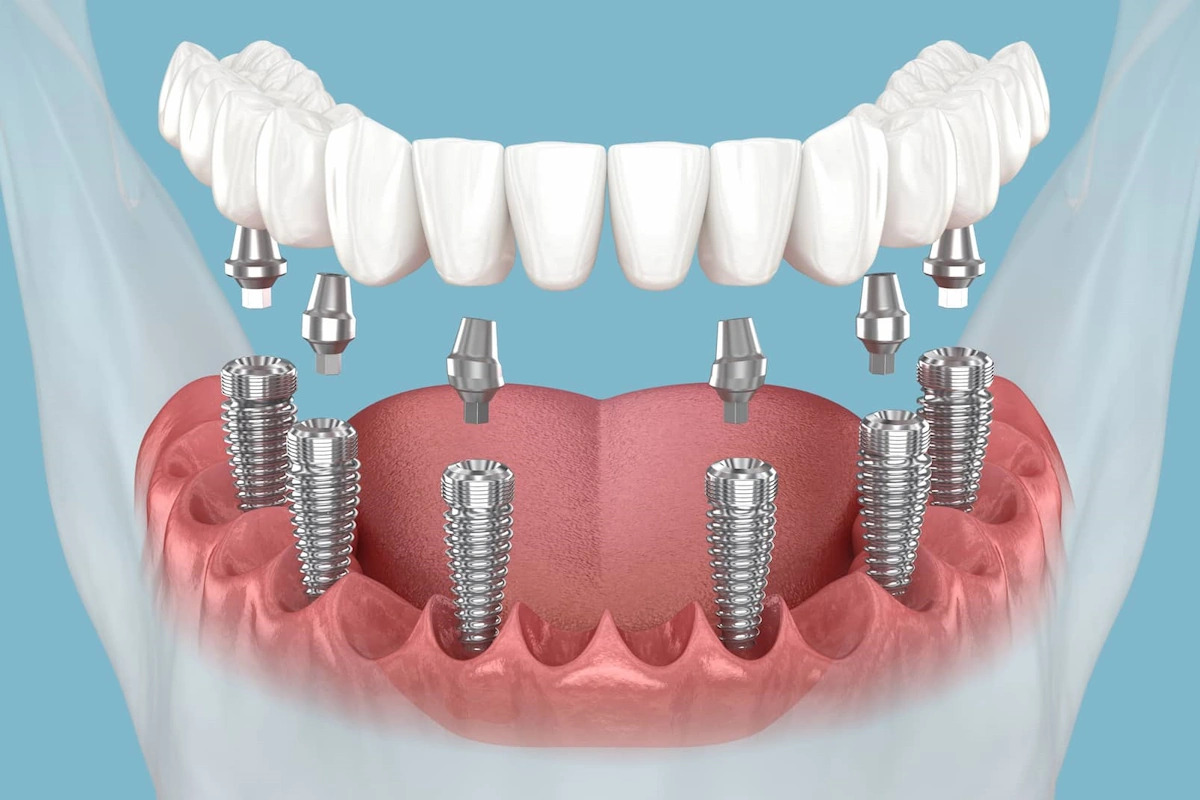
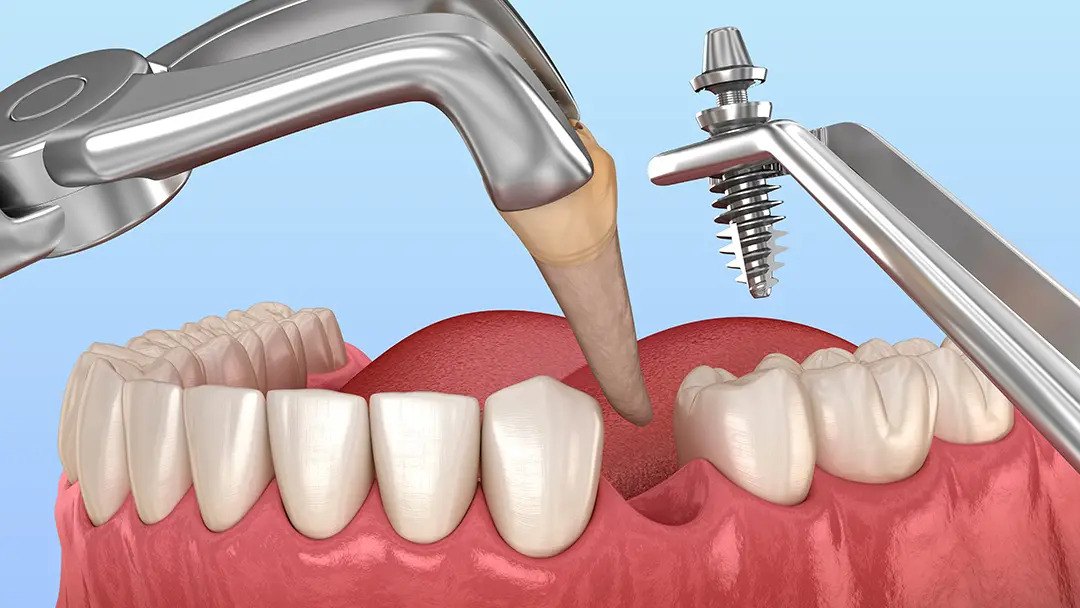
o Clinical Definition: The most universally utilized implant type in modern dentistry. These are screw-, cylinder-, or blade-shaped fixtures surgically inserted directly into the alveolar bone matrix.
o Indications: Recommended for single-tooth, multi-unit, or full-arch tooth loss provided the patient possesses adequate bone height and width.
Subperiosteal Implants:
o Clinical Definition: Custom-molded metal frameworks placed directly on top of the jawbone but beneath the gingival tissue envelope.
o Indications: Engineered for patients suffering from severe alveolar ridge atrophy who lack sufficient bone volume for endosteal placement and are not candidates for bone grafting.
Zygomatic Implants (Zygoma):
o Clinical Definition: Specialized, extended-length surgical fixtures ranging from 30 to 55 mm that anchor into the dense zygomatic (cheek) bone rather than the maxilla.
o Indications: Indicated for patients with severe maxillary bone resorption, allowing for immediate fixed arch reconstruction without requiring extensive bone grafting.
Transosteal Implants:
o Clinical Definition: U-shaped metallic frames anchored through the lower border of the mandible. These are rarely utilized in contemporary implantology due to the availability of less invasive techniques.
Types of Implants Classified by Material Composition
The primary factor determining long-term osseointegration is the biomaterial used to manufacture the implant fixture:
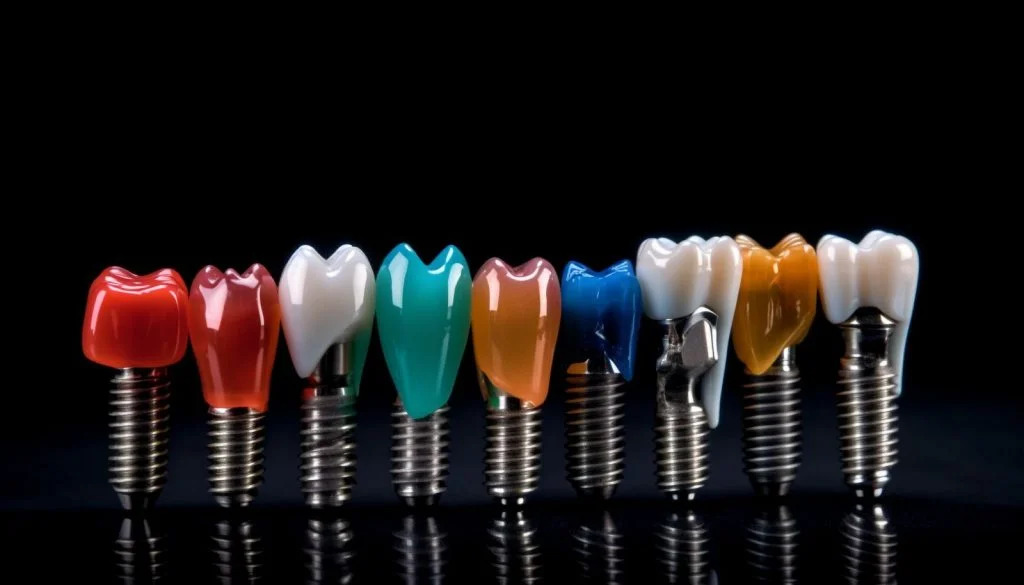
Titanium Implants: The foundational material of modern implantology. Titanium is 100% biocompatible, non-allergenic, and possesses exceptional mechanical strength, forming direct structural bonds with living bone cells.
Zirconium Implants: A non-metallic, ceramic alternative engineered for patients with metal hypersensitivity or thin gingival biotypes. Zirconium features a tooth-colored white shade that eliminates dark gingival shadowing while providing high biocompatibility.
What Are the Best Types of Implants?
Addressing the query regarding the best types of implants, the clinical consensus is: There is no single universal 'best' implant; the optimal implant type is the one specifically selected to match the patient's unique jaw anatomy and systemic health.
However, premium global implant systems recognized for exceptional osseointegration rates, extensive clinical research, and long-term guarantees include:
Straumann (Switzerland): Globally renowned for its proprietary SLActive surface technology, which accelerates bone integration timelines from 8 weeks down to 3–4 weeks.
Nobel Biocare (Switzerland/USA): Pioneers of immediate loading protocols and the All-on-4 concept, offering high primary stability in compromised bone.
Osstem / Hiossen (South Korea/USA): Widely utilized worldwide for offering reliable clinical performance and high mechanical durability.
Understanding Types of Implants and Prices in 2026
When evaluating types of implants and prices or types of implants cost, financial figures vary based on material origins, manufacturing technology, and surgical complexity. While exact quotes require individualized clinical diagnostics, key cost determinants include:
Implant Brand and Engineering Origin: Premium Swiss, German, and American systems involve significant research and development, patented surface treatments, and extensive clinical trials, representing a higher cost category compared to regional alternatives.
Surgical Complexity: Routine endosteal placement carries a different cost structure compared to advanced procedures such as Zygomatic placement or sinus-lift-assisted augmentation.
Adjunctive Grafting Procedures: The requirement for bone graft materials (xenografts, allografts) and barrier membranes to build ridge volume directly influences overall investment.
Superstructure Prosthetics: The prosthetic crown or bridge material selected—such as porcelain-fused-to-metal, layered zirconium, or monolithic ceramic—shapes the final cost.
Comparison Matrix: Types of Implants & Technical Specifications
Implant Type | Anatomical Location | Ideal Patient Profile | Primary Clinical Advantage |
Endosteal (Endosseous) | Directly inside alveolar bone | Patients with sufficient bone volume | Most predictable, widely tested standard. |
Subperiosteal | Over jawbone, under gingiva | Severe ridge resorption, no graft candidates | Bypasses the need for bone grafting. |
Zygomatic (Zygoma) | Inside the zygomatic cheekbone | Severe maxillary atrophy | Immediate fixed teeth without bone grafts. |
Titanium Fixtures | Endosseous matrix | General patient population | High mechanical strength & proven integration. |
Zirconium Fixtures | Endosseous matrix | Metal allergies, thin tissue biotype | Superior aesthetics & tooth-colored shade. |
Frequently Asked Questions (FAQ)
Can patients with diabetes or hypertension receive dental implants? Which type of implant is best?
Yes, controlled diabetic and hypertensive patients can safely undergo dental implant therapy. The critical prerequisite is ensuring the patient's HbA1c levels are within a medically safe range (typically below 7.0%). For diabetic patients, endosteal titanium implants featuring hydrophilic surface technologies (such as SLActive) are preferred to accelerate cellular bone integration and reduce infection risks during healing.
Which type of implant yields the highest success rate in heavy smokers?
Tobacco smoke compromises peripheral vascular flow and impairs bone healing. For smokers, choosing premium endosteal titanium implants with chemically modified, highly porous surface structures is essential to enhance primary bone cell attachment. However, reducing or abstaining from tobacco use before and after surgery remains vital for long-term implant survival.
How is the decision made on which type of implant to select?
The decision process begins with capturing a high-resolution 3D Cone Beam Computed Tomography (CBCT) scan. This allows the oral surgeon to measure bone height, width, density, and proximity to nerve canals in micron detail. By combining 3D diagnostic mapping with the patient's medical history, the specialist selects the ideal implant type and design.