Contentsexpand_more
- What is Dental Erosion?
- What Causes Dental Enamel Erosion?
- 1. External (Dietary and Environmental) Factors
- 2. Internal (Intrinsic Physiological) Factors
- What are the Common Symptoms of Tooth Acid Erosion?
- How is Dental Erosion Treated Successfully?
- Early Stage Preventative Therapies (Remineralization)
- Advanced Restorative Interventions
- Individual Preventive Protocols for Protecting Dental Enamel
- Frequently Asked Questions (FAQ)
- Can dental erosion be reversed naturally?
- Does tooth acid erosion directly cause cavities?
- Which toothpaste should be utilized for enamel wear?
- Does chewing sugar-free gum help prevent dental erosion?
When oral and dental health issues are mentioned, traditional dental caries caused by bacterial activity are usually the first to come to mind. However, changing dietary habits and increased stress related functional disorders in modern life have brought a different type of tooth loss to the forefront, developing completely independently of bacteria: Dental erosion. Known in medical literature as dental enamel erosion or tooth acid erosion, this condition is the chronic and gradual dissolution of the protective hard outer layer of the tooth by chemical substances. This insidious wear is highly difficult to detect in its early stages but can lead to irreversible structural tissue loss and functional biological damage over time.
What is Dental Erosion?
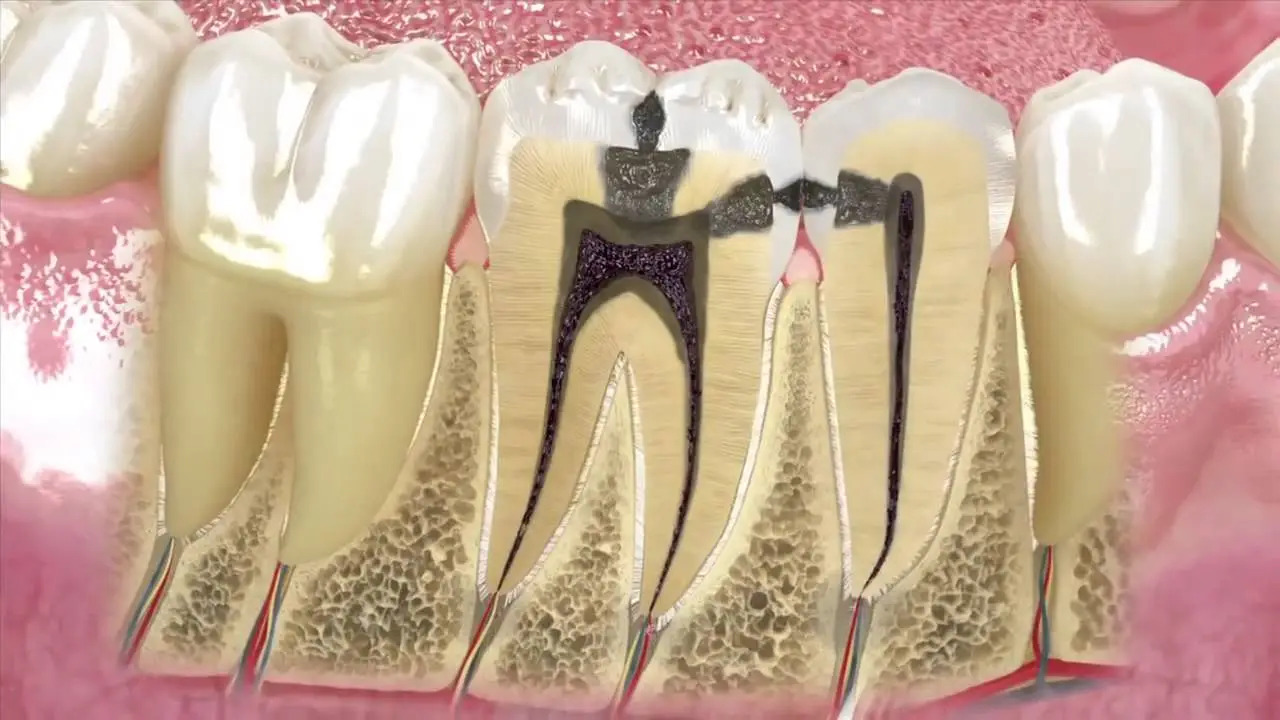
Dental erosion is the progressive, non-bacterial chemical loss of dental enamel and underlying dentin caused by internal or external acidic challenges. Under physiological conditions, dental enamel is the hardest and most mineralized substance in the human body. However, whenever the intraoral pH level drops below the critical threshold of 5.5, the hydroxyapatite crystals on the enamel surface begin to demineralize and dissolve.
This phenomenon is strictly distinct from mechanical tooth wear mechanisms such as abrasion and attrition. Abrasion involves physical friction from external factors like aggressive toothbrushing, while attrition is the wear resulting from tooth-to-tooth contact during severe teeth grinding. In cases of tooth erosion, even without any mechanical friction, the chemical acids directly soften the superficial layer of the enamel. This weakened structure is then easily washed away and permanently lost under normal functional masticatory forces.
What Causes Dental Enamel Erosion?
The chemical acids responsible for structural dental erosion are divided into two main categories: Exterior acids introduced into the mouth (external) and physiological acids originating from within the body (internal).
1. External (Dietary and Environmental) Factors
Carbonated and Acidic Beverages: Sodas, sparkling waters, energy drinks, and processed sports drinks contain high concentrations of citric, carbonic, and phosphoric acids. Frequent consumption of these beverages is the most widespread cause of superficial acid erosion.
Fresh Fruit Juices and Sour Foods: Citrus fruits like lemons, oranges, and grapefruits, along with vinegar-based salad dressings and pickled foods, exert a direct demineralizing effect on the enamel surface.
Ascorbic Acid (Vitamin C) Supplements: Chewing or holding effervescent, acidic Vitamin C tablets in the mouth for extended periods creates severe localized zones of structural erosion.
2. Internal (Intrinsic Physiological) Factors
Gastroesophageal Reflux Disease (GERD): The involuntary regurgitation of gastric hydrochloric acid up the esophagus into the oral cavity leads to an aggressive form of dental acid erosion, predominantly destroying the palatal and lingual surfaces of the upper teeth.
Eating Disorders (Bulimia Nervosa and Anorexia): Chronic vomiting behaviors expose the entire dentition to highly concentrated stomach acids with an extremely low pH range of 1 to 2, accelerating structural damage.
Chronic Xerostomia (Dry Mouth Syndrome): Saliva is the primary biological defense mechanism that dilutes and neutralizes intraoral acids. When salivary flow rates diminish, the rate of acid dissolution exponentially increases.
What are the Common Symptoms of Tooth Acid Erosion?
Dental erosion advances systematically through distinct clinical phases. Recognizing the early symptoms is critical to preventing advanced structural tooth failure:
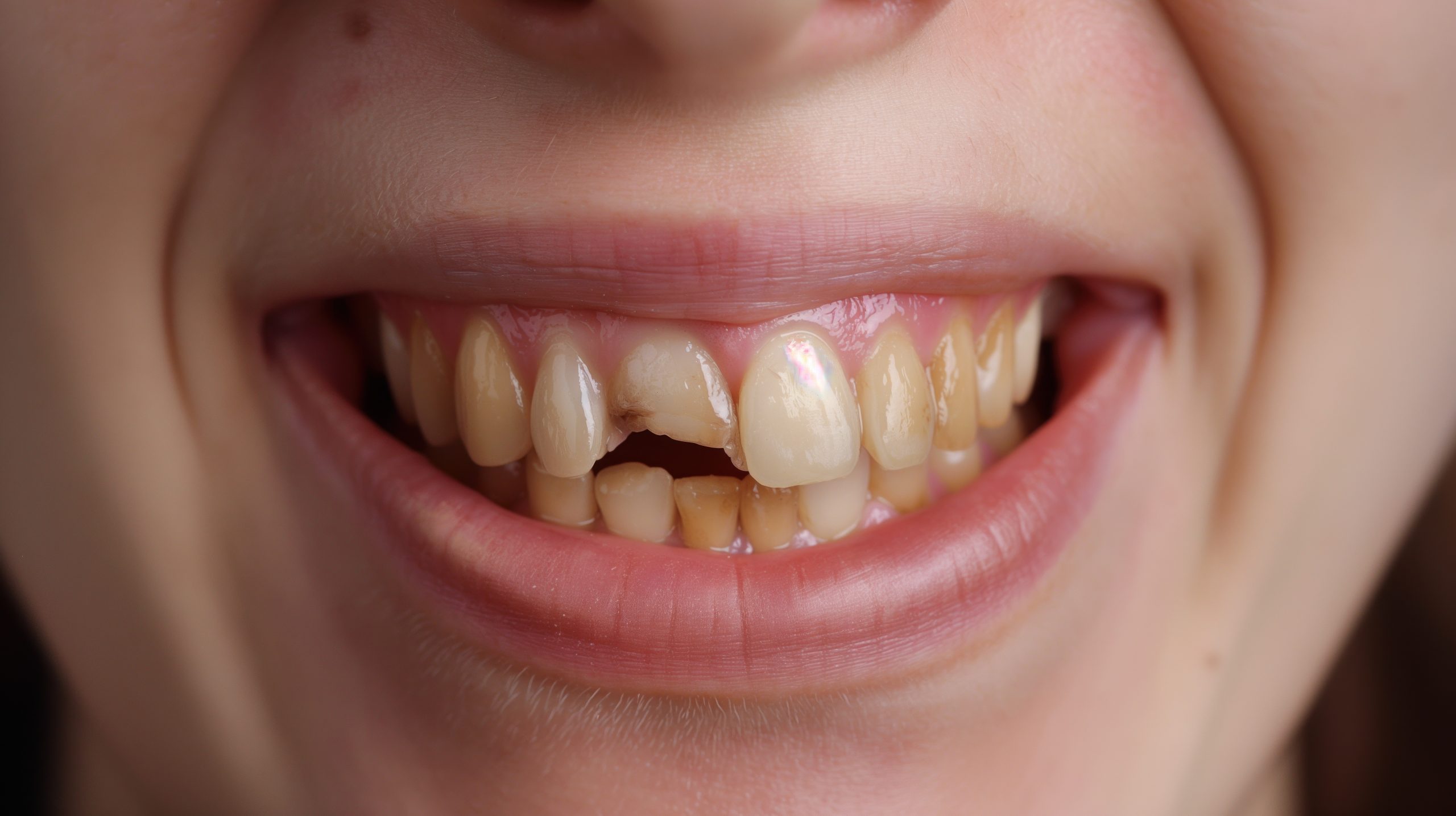
Color Modifications and Translucency: As the translucent protective enamel thins out, the incisal edges of the front teeth assume a distinctive grey, see-through appearance. Concurrently, as the underlying yellow dentin layer becomes exposed, the overall dentition yellows.
Surface Smoothing and Morphological Changes: The natural grooves, ridges, and anatomical contours of the teeth flatten out, taking on a smooth, polished look. Small, cup-like depressions (cupping) develop on the occlusal surfaces of the molars.
Severe Dentine Hypersensitivity: Once the protective enamel barrier is lost, exposing microscopic dentinal tubules, patients report sudden, sharp pain when consuming hot, freezing, sweet, or acidic foods and liquids.
Micro-Fractures Along the Margins: The thinned, unsupported edges of the teeth lose structural integrity, leading to micro-chipping and ragged incisal margins under normal functional loads.
How is Dental Erosion Treated Successfully?
Modern dental enamel erosion treatment protocols always begin by identifying and mitigating the underlying acidic source. Restorative protocols deployed by our specialists at Livera Dental Clinic include:
Early Stage Preventative Therapies (Remineralization)
If the structural erosion is diagnosed in its initial stages and has not breached the dentin barrier, conservative therapies are prioritized. Clinical applications of high-concentration topical fluoride varnishes, casein phosphopeptide, and amorphous calcium phosphate (CPP-ACP) agents are utilized to chemically reinforce the enamel structure, enhancing its resistance against subsequent acid challenges.
Advanced Restorative Interventions
Cosmetic Composite Bonding: Areas characterized by localized tissue loss, minor pitting, or severe sensitivity are sealed with advanced nano-hybrid composite resins without removing any remaining healthy tooth structure. This completely eliminates hypersensitivity and restores structural anatomy.
Porcelain Veneers and Full-Coverage Crowns: In advanced clinical presentations where a vast volume of the tooth structure has been dissolved by acids, resulting in a loss of vertical occlusal dimension, ultra-thin porcelain veneers or full-coverage ceramic crowns are utilized. These biomimetic restorations completely insulate the remaining tooth structure from further acid exposure while restoring optimal mechanical strength.
Individual Preventive Protocols for Protecting Dental Enamel
Always utilize a straw when consuming acidic or carbonated drinks to minimize direct contact with your dentition.
Avoid brushing your teeth immediately following the consumption of acidic meals or drinks. The enamel softened by the acid can be easily abraded by the physical action of a toothbrush. Rinse thoroughly with plain water and wait at least 30 minutes before brushing.
Increase your plain water intake throughout the day to optimize salivary flow and buffering capacity.
If you suffer from GERD or related chronic gastric conditions, seek definitive medical treatment from a gastroenterologist to control the intrinsic acid source.
Frequently Asked Questions (FAQ)
Can dental erosion be reversed naturally?
No. Once dental enamel has dissolved and been lost, it cannot regenerate naturally because it contains no living cells. While lost enamel tissue cannot grow back, the condition can be fully restored and stabilized using modern cosmetic dental procedures.
Does tooth acid erosion directly cause cavities?
Dental erosion is not identical to dental caries since it does not involve bacteria. However, because erosion significantly thins the protective shield of the tooth, the affected teeth become exceptionally vulnerable to bacterial acid colonization and rapid cavity formation.
Which toothpaste should be utilized for enamel wear?
Patients experiencing acid wear should utilize low-abrasive (low RDA value) desensitizing toothpastes specially formulated with fluoride, calcium, or hydroxyapatite technologies. High-abrasive whitening formulas must be strictly avoided.
Does chewing sugar-free gum help prevent dental erosion?
Yes. Chewing sugar-free or xylitol-sweetened chewing gum significantly stimulates salivary flow. Since saliva contains natural mineral buffers that neutralize acids and protect enamel, chewing gum after meals helps reduce the overall risk of erosion.