Contentsexpand_more
- What Is Fluoride Treatment?
- How Tooth Decay Fluoride Treatment Arrests Caries
- How Is Fluoride Treatment Done?
- Indications for Dental Fluoride Treatment
- Post-Operative Guidelines After Fluoride Treatment
- Understanding Fluoride Treatment Cost Determinants
- Comparison Matrix: Fluoride Delivery Modalities
- Frequently Asked Questions (FAQ)
- Is professional fluoride treatment safe? Can it cause toxicity?
- How often should fluoride treatment be repeated?
- Does fluoride varnish stain or discolor teeth?
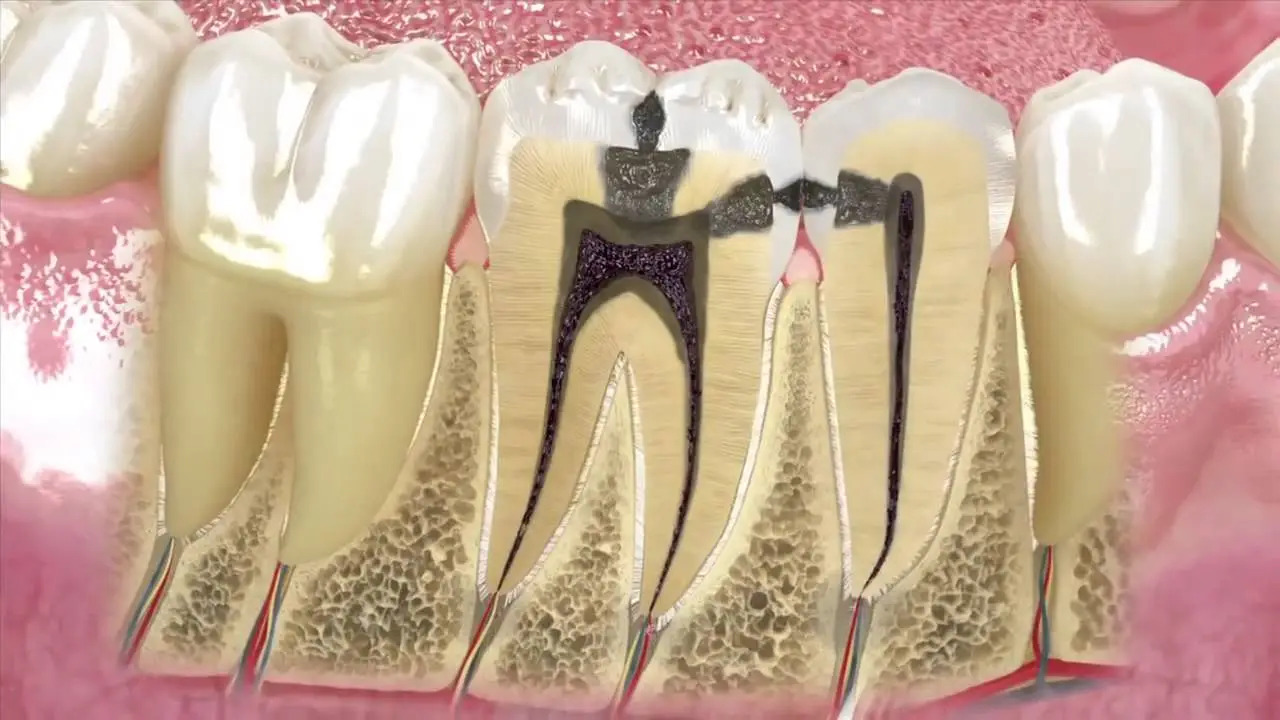
Intraoral cariogenic bacteria ferment dietary carbohydrates and sugars, producing acidic byproducts. These organic acids dissolve calcium and phosphate minerals from the enamel crystal lattice, triggering demineralization. If mineral loss is left unmanaged, microscopic porosities expand into irreversible cavitated lesions. Within evidence-based preventive dentistry, the standard protocol to fortify enamel against acid attacks and arrest incipient caries is professional fluoride treatment.
Fluoride incorporates into the hydroxyapatite crystal matrix of enamel, converting it into acid-resistant fluorapatite. This structural transformation is vital for immature erupting permanent teeth in children and root surface exposure in adults.
What Is Fluoride Treatment?
In preventive dentistry, the clinical definition of what is fluoride treatment and dental fluoride treatment is: The topical application of highly concentrated, pharmaceutical-grade fluoride formulations, such as varnishes, gels, or foams, directly onto tooth surfaces under dental supervision to remineralize weakened enamel.
This procedure is strictly topical and non-systemic. The concentrated fluoride ions bind to the enamel surface, inhibiting bacterial acid production and promoting the precipitation of salivary calcium and phosphate ions back into the enamel matrix.
How Tooth Decay Fluoride Treatment Arrests Caries
The biological efficacy of tooth decay fluoride treatment relies on three distinct mechanisms:
Enamel Remineralization: Attracts bioavailable calcium and phosphate ions to repair sub-surface demineralization in early non-cavitated "white spot lesions."
Acid Resistance Enhancement: Replaces hydroxyl groups to form fluorapatite, which dissolves only when oral pH drops below 4.5 (compared to pH 5.5 for untreated hydroxyapatite).
Inhibition of Bacterial Glycolysis: Enters cariogenic bacterial cells (Streptococcus mutans), suppressing intracellular enzymes required for acid generation.
How Is Fluoride Treatment Done?
The clinical workflow explaining how is fluoride treatment done is non-invasive, quick, and painless:
Surface Prophylaxis: Tooth surfaces are cleaned with a prophylaxis brush and dried with gentle air flow.
Product Selection: The clinician selects the appropriate formulation based on age and caries risk. Fluoride varnish (5% sodium fluoride) is preferred for safety, adhering immediately upon contact with saliva.
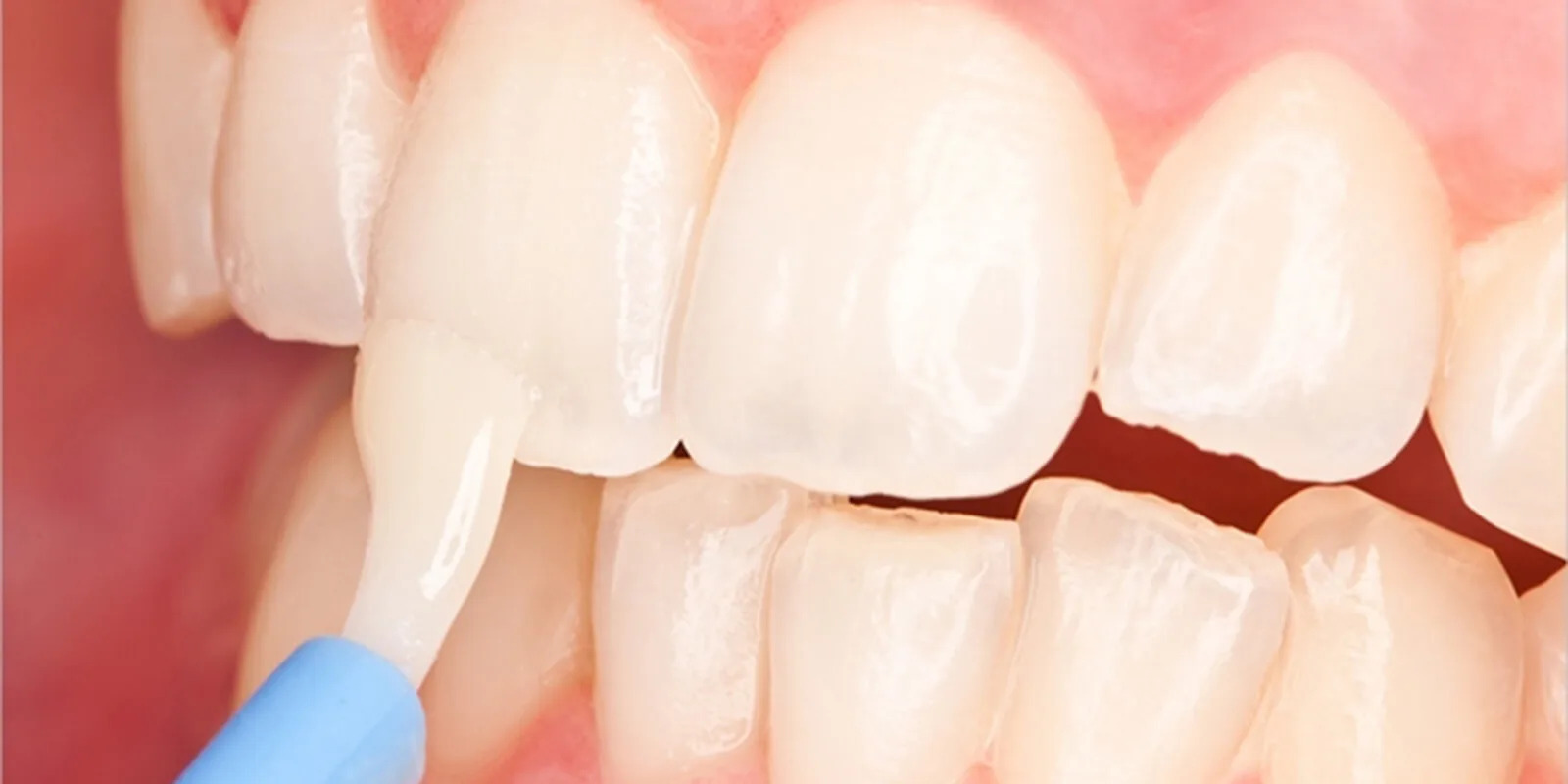
Topical Application: Using a micro-applicator brush, a thin coat of varnish is applied across facial, lingual, and occlusal tooth surfaces.
Rapid Setting: The varnish hardens in seconds upon salivary contact, forming a sustained-release reservoir. The entire application takes 3 to 5 minutes.
Indications for Dental Fluoride Treatment
Children and Adolescents (Ages 1-18): Developing dentition prone to rapid caries progression.
Orthodontic Patients: Individuals with fixed brackets at elevated risk for decalcification and white spot lesions.
Patients with Xerostomia (Dry Mouth): Reduced salivary flow compromises natural buffering capacity.
Adults with Gingival Recession: Exposed cementum and root dentin are vulnerable to root caries and sensitivity.
High Dietary Acid Exposure: Patients with gastroesophageal reflux (GERD) or frequent acidic intake.
Post-Operative Guidelines After Fluoride Treatment
To ensure optimal fluoride uptake into the enamel crystalline structure:
Avoid eating or drinking for 30 minutes following the procedure.
Avoid hot beverages, alcohol, and crunchy foods for the first 2 to 4 hours.
Do not brush or floss on the day of treatment. Allow the varnish to remain overnight, resuming normal oral hygiene the following morning.
Understanding Fluoride Treatment Cost Determinants
Evaluating fluoride treatment cost parameters involves case-specific variables:
Formulation Quality: Medical-grade fluoride varnishes with calcium-phosphate technology involve different material costs compared to traditional gels.
Application Frequency: Customized preventive protocols requiring 3- to 6-month recall applications.
Combined Preventive Packages: Inclusion with professional prophylaxis (scaling and polishing) or pit-and-fissure sealants.
Comparison Matrix: Fluoride Delivery Modalities
Delivery Method | Application Protocol | Ingestion Risk | Surface Contact Time | Optimal Patient Cohort |
Fluoride Varnish (5% NaF) | Paint-on micro-brush | None (Sets instantly) | Extended (12-24 Hours) | Infants, Children, Adults |
Fluoride Foam / Gel | Dual-arch mouth trays | Low to Moderate | Brief (Rinsed away quickly) | Cooperative older children |
Fluoride Toothpaste | Daily home brushing | Minimal when spat out | Instantaneous | All ages (Daily maintenance) |
Frequently Asked Questions (FAQ)
Is professional fluoride treatment safe? Can it cause toxicity?
Yes, professional topical fluoride treatment administered by a dental clinician is safe. The total volume of fluoride applied is small (milligram level), and because modern varnishes set immediately upon contact with saliva, systemic ingestion is prevented. Toxicity concerns are associated with swallowing large amounts of fluoride supplements, not localized topical dental varnishes.
How often should fluoride treatment be repeated?
Application intervals depend on individual caries risk assessments. For low-risk individuals, an application every 6 to 12 months is sufficient. For moderate- to high-risk patients, such as orthodontic patients, individuals with dry mouth, or active early demineralization, treatments are recommended every 3 to 6 months.
Does fluoride varnish stain or discolor teeth?
Some fluoride varnishes present with a temporary pale yellow or matte appearance immediately following application. This layer is transient. Once the varnish completes its remineralization phase overnight, normal toothbrushing the following morning removes any remaining film, restoring natural tooth shade without staining.