Contentsexpand_more
- What is Burning Mouth Syndrome?
- What are the Primary Symptoms of Burning Mouth Syndrome?
- What Structural Disease Causes Burning Mouth?
- Advanced Protocols: Burning Mouth Syndrome Treatment Strategies
- 1. Systemic Factor Elimination and Correction
- 2. Neuropathic Analgesics and Topical Neuromodulators
- 3. Salivary Substitutes and Biomechanical Modifications
- Home Care Guidelines: How to Cure Burning Mouth Syndrome Naturally
- Longevity Mapping: How Long Does Burning Mouth Syndrome Last?
- Frequently Asked Questions (FAQ)
- Can burning mouth syndrome eventually transform into oral cancer?
- Will replacing my everyday toothpaste actively reduce my oral burning?
- Does burning mouth syndrome ever fully resolve spontaneously without treatment?
In our everyday lives, experiencing a brief warmth or transient stinging sensation in the oral cavity after consuming a hot tea or an intensely spiced meal represents a completely normal biological reaction. However, if you experience a continuous, intense scalding and stinging sensation inside your mouth from the exact moment you awaken until you fall asleep, without having consumed any hot substances, you are facing a much more complex pathology.
Clinically cataloged as Burning Mouth Syndrome (BMS), this idiopathic condition is a chronic, repetitive pain disorder characterized by a persistent burning sensation within the oral mucosa despite the absolute absence of clinical lesions, ulcerations, or visible infectious landmarks. This condition stands as one of the most challenging neuro-dental disorders to diagnose, heavily exhausting patients psychosocially.
What is Burning Mouth Syndrome?
The baseline exploration for individuals experiencing this stealthy neural anomaly centers directly on what is burning mouth syndrome. Burning mouth syndrome is a chronic neuropathic pain disorder characterized by a continuous, burning, or scalding sensation targeted to the oral mucosa most frequently affecting the tongue, lips, or hard palate in the complete absence of any visible clinical mucosal lesions or underlying medical conditions.
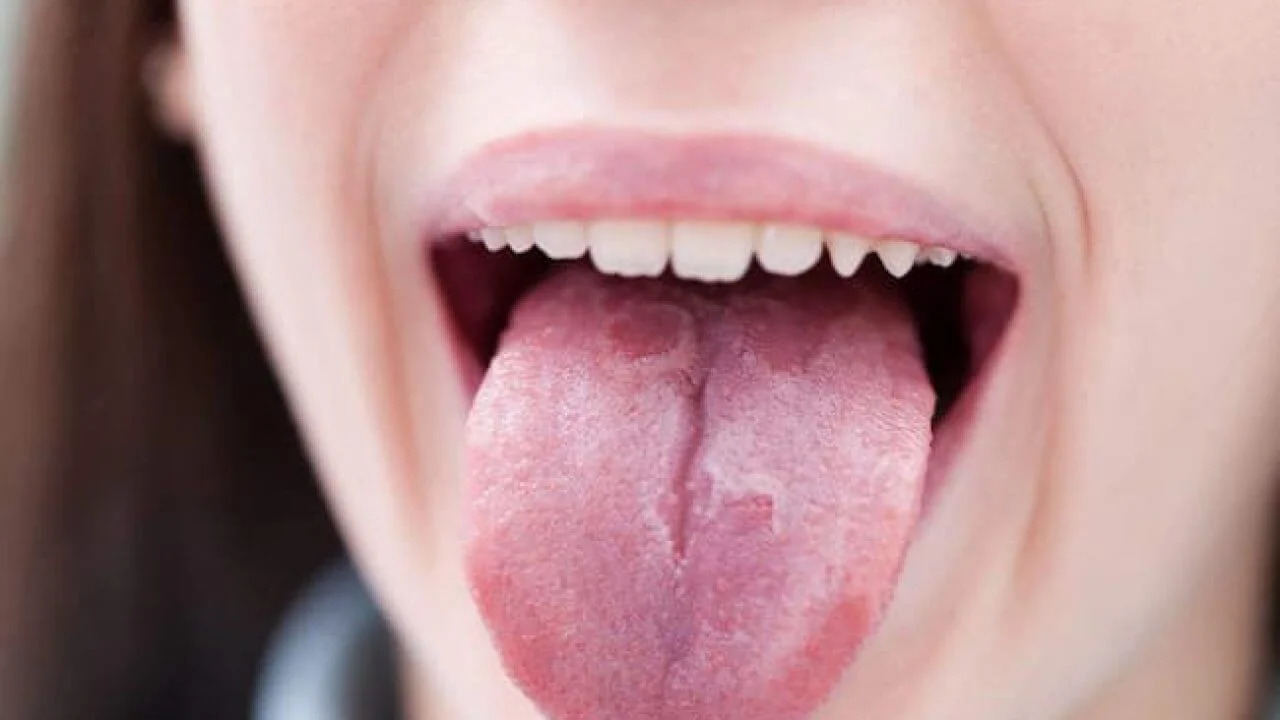
The most fascinating and diagnostically frustrating parameter of this syndrome is that upon careful intraoral examination, the soft tissues present a fully healthy, pink, and immaculate appearance. The agonizing pain experienced by the patient is highly real, yet there is zero mechanical wound or visible erosion inside the mouth to justify it. Consequently, this condition is classified as a specific type of intraoral neuropathic pain stemming from faulty signal transmissions within small somatosensory nerve fibers.
What are the Primary Symptoms of Burning Mouth Syndrome?
Individuals navigating this condition display highly consistent clinical presentations. The most prominent burning mouth syndrome symptoms monitored within our specialist department include:
Continuous Burning and Scalding Sensation: A distinct stinging feeling localized heavily across the anterior two-thirds of the tongue, the hard palate, and the inner mucosal labial borders, mimicking an acute hot fluid burn.
Diurnal Incline in Pain Severity: The burning sensation typically registers at a mild baseline upon waking, steadily climbing in intensity through daily speech and mastication, reaching its peak parameters during evening hours.
Subjective Xerostomia (Dry Mouth): A continuous perception of intense dry mouth and sticky oral tissues, even when objective sialometry metrics confirm normal salivary flow rates.
Dysgeusia (Taste Alteration): A persistent, unprovoked metallic, bitter, or intensely salty taste perception within the oral cavity.
Transient Comfort During Meals: Intriguingly, a significant portion of patients note that the burning sensation temporarily diminishes or completely vanishes while actively eating or consuming cool fluids.
What Structural Disease Causes Burning Mouth?
Burning mouth syndrome is structurally divided into two primary clinical phenotypes: Primary (Idiopathic) BMS and Secondary BMS. While primary BMS presents zero detectable underlying etiology, secondary BMS serves as a direct clinical manifestation of separate systemic or local pathologies. Exploring what disease causes burning mouth reveals several critical underlying triggers:
Nutritional Deficiencies and Anemia: Severe depletion of Vitamin B12, iron, folic acid, and zinc breaks down the natural architecture of the lingual papillae, leaving peripheral nerve endings unprotected against mechanical and chemical irritation.
Diabetes Mellitus (Uncontrolled Blood Glucose): Chronic fluctuations in systemic blood glucose induce peripheral neuropathies, frequently manifesting early symptoms as persistent intraoral burning.
Hormonal Shifts (Post-Menopause): BMS presents with the highest statistical frequency among post-menopausal women. A rapid decline in systemic estrogen drops oral mucosal moisture quality and spikes peripheral nerve sensitivity.
Autoimmune Dryness (Sjögren’s Syndrome): Objective destruction of salivary gland networks deprives the oral mucosa of its protective, lubricating proteins.
Psychological Elements (Anxiety and Depression): Chronic stress, clinical depression, and severe cancerophobia disrupt central pain-modulation centers in the brain, triggering or amplifying idiopathic pain.
Gastroesophageal Reflux Disease (GERD): Chronic micro-regurgitation of highly acidic gastric fluids into the pharyngeal and oral cavity during nocturnal sleep drives persistent mucosal burning.
Advanced Protocols: Burning Mouth Syndrome Treatment Strategies
Because this pathology lacks a singular mechanical source, executing a successful burning mouth syndrome treatment requires a comprehensive, multi-disciplinary therapeutic approach:
1. Systemic Factor Elimination and Correction
If advanced blood panels reveal underlying nutrient depletion, endocrine dysfunction, or diabetic fluctuations, targeted medical supplementation and glucose regulation protocols are launched in direct coordination with the patient's endocrinologist or primary physician. Resolving these secondary vectors eliminates the burning sensation naturally.
2. Neuropathic Analgesics and Topical Neuromodulators
When extensive screenings confirm an idiopathic presentation (Primary BMS), pharmacotherapy is introduced to recalibrate the faulty signaling of peripheral oral nerves. This is achieved utilizing low-dose tricyclic antidepressants, gabapentinoids, or highly specific topical clonazepam rinses designed to desensitize local receptor paths.
3. Salivary Substitutes and Biomechanical Modifications
If mechanical xerostomia presents concurrently, advanced bio-adhesive artificial saliva gels are introduced. Additionally, any sharp restoration margins, ill-fitting dental prosthetics, or chronic hypersensitivities to base metals are completely replaced at our department using premium, biocompatible zirconium or composite structures.
Home Care Guidelines: How to Cure Burning Mouth Syndrome Naturally
In conjunction with specialized clinical management, vital daily interventions addressing how to cure burning mouth syndrome or identifying what brings immediate relief at home include several strategic steps:
Sucking on Ice Chips: Keeping ice cubes inside the mouth or frequently sipping chilled water acts to temporarily cryo-anesthetize the local nerve endings, dulling acute burning spikes.
Transition to SLS-Free, Alcohol-Free Oral Hygiene: Traditional toothpastes containing harsh foaming agents like Sodium Lauryl Sulfate (SLS), heavy menthol, or alcohol-based rinses deeply strip the protective mucosal barrier. Switching to ultra-mild, unflavored pediatric options or specialized sensitive formulations is mandatory.
Absolute Exclusion of Acidic and Spicy Nutrients: Eliminating highly acidic items (tomatoes, oranges, lemons), intense spices (chili powders), and concentrated caffeinated liquids prevents direct chemical irritation of the vulnerable mucosa.
Consistent Hydration Metrics: Keeping the oral environment hydrated by sipping water at fixed intervals throughout the day prevents tissue dehydration.
Longevity Mapping: How Long Does Burning Mouth Syndrome Last?
The psychological burden of navigating an invisible pain disorder is deeply tied to structural uncertainty. Defining how long does burning mouth syndrome last varies heavily based on individual patient classification. When a secondary trigger is accurately isolated and corrected, symptoms resolve within a few weeks.
However, for primary neuropathic presentations, the recovery cycle can span months to several years. The condition frequently presents a fluctuating clinical course, showing extended periods of partial remission interspersed with sudden, stress-induced flare-ups. Long-term compliance with your custom pharmacological blueprint remains essential for definitive healing.
Frequently Asked Questions (FAQ)
Can burning mouth syndrome eventually transform into oral cancer?
No, burning mouth syndrome absolutely never transforms into oral cancer. This neuropathic disorder does not represent a malignant tumor, nor is it classified as a pre-cancerous tissue lesion. It functions strictly as a neurological pain processing error within the somatosensory nerve networks. Resolving this deep anxiety (cancerophobia) is essential, as unfounded fears trigger heightened cortisol release, directly intensifying the neuro-burning sensation.
Will replacing my everyday toothpaste actively reduce my oral burning?
Yes, it can reduce the burning parameters significantly. Standard toothpastes formulated with whitening granules, aggressive mint flavorings, and SLS strip the delicate mucosal lining. Transitioning immediately to a non-foaming, unflavored, or ultra-mild pediatric toothpaste quickly lowers local tissue reactivity and soothes the burning baseline.
Does burning mouth syndrome ever fully resolve spontaneously without treatment?
Clinical literature indicates that approximately 20% to 30% of patients experiencing primary burning mouth syndrome display spontaneous clinical remission within 3 to 5 years without any medical intervention. However, navigating those extended years under chronic pain is highly counterproductive; seeking early diagnostic mapping at our clinic to secure immediate quality-of-life improvements is strongly advised.