Contentsexpand_more
- What Is a Fixed Prosthesis?
- Classifications of Fixed Prostheses:
- How Is a Fixed Prosthesis Tooth Fitted and How Many Days Does It Take?
- 1. How Many Days to Make a Fixed Prosthesis?
- 2. How Is a Fixed Prosthesis Tooth Fitted?
- Understanding Fixed Prosthesis Adaptation Time
- Factors Influencing 4 Implant Fixed Prosthesis Cost
- How to Clean a Fixed Prosthesis and Daily Care Protocols
- Structural Comparison: Types of Fixed Prostheses
- Frequently Asked Questions (FAQ)
- Can food get trapped or cause bad odor under a fixed prosthesis after cementation?
- What should I do if my fixed prosthesis feels loose or comes off?
- Can I chew hard foods normally with a fixed prosthesis?
Untreated tooth loss disrupts phonetic articulation, compromises facial profile aesthetics, lowers masticatory efficiency, and initiates localized alveolar bone resorption. When reconstructing missing teeth, patients seek a restorative solution that replicates natural tooth perception, stays firmly anchored in the mouth, and eliminates the daily friction of removable appliances. Within modern prosthodontic dentistry, the clinical gold standard achieving these goals is the fixed prosthesis.
Offering mechanical stability, high aesthetic integration, and superior occlusal force distribution, fixed prostheses are engineered as traditional tooth-supported bridges or modern implant-supported frameworks. However, patients routinely ask: "How many days does it take to fit a fixed prosthesis?", "What is the adaptation timeline?", "Can food get trapped underneath?", and "How does an implant-supported fixed option differ from conventional bridges?" In this master guide compiled by prosthodontic specialists at Livera Dental Clinic, we analyze what is a fixed prosthesis, how is a fixed prosthesis tooth fitted, how many days to make a fixed prosthesis, fixed prosthesis adaptation time, 4 implant fixed prosthesis cost and how to clean a fixed prosthesis.
What Is a Fixed Prosthesis?
For patients seeking clarity during consultations, the medical definition of a fixed prosthesis is: A non-removable dental restoration engineered to replace missing teeth or restore severely damaged tooth structures. It is permanently bonded or screwed onto natural abutment teeth or endosseous implants using specialized medical cements or internal precision screws, making it impossible for the patient to remove.
Classifications of Fixed Prostheses:
Single Crowns: Full-coverage restorations restoring a single severely decayed or fractured tooth (Zirconia, E.max, Porcelain-Fused-to-Metal).
Bridge Fixed Prosthesis Tooth: Conventional multi-unit restorations bridging edentulous gaps by utilizing prepared adjacent natural teeth as structural abutments.
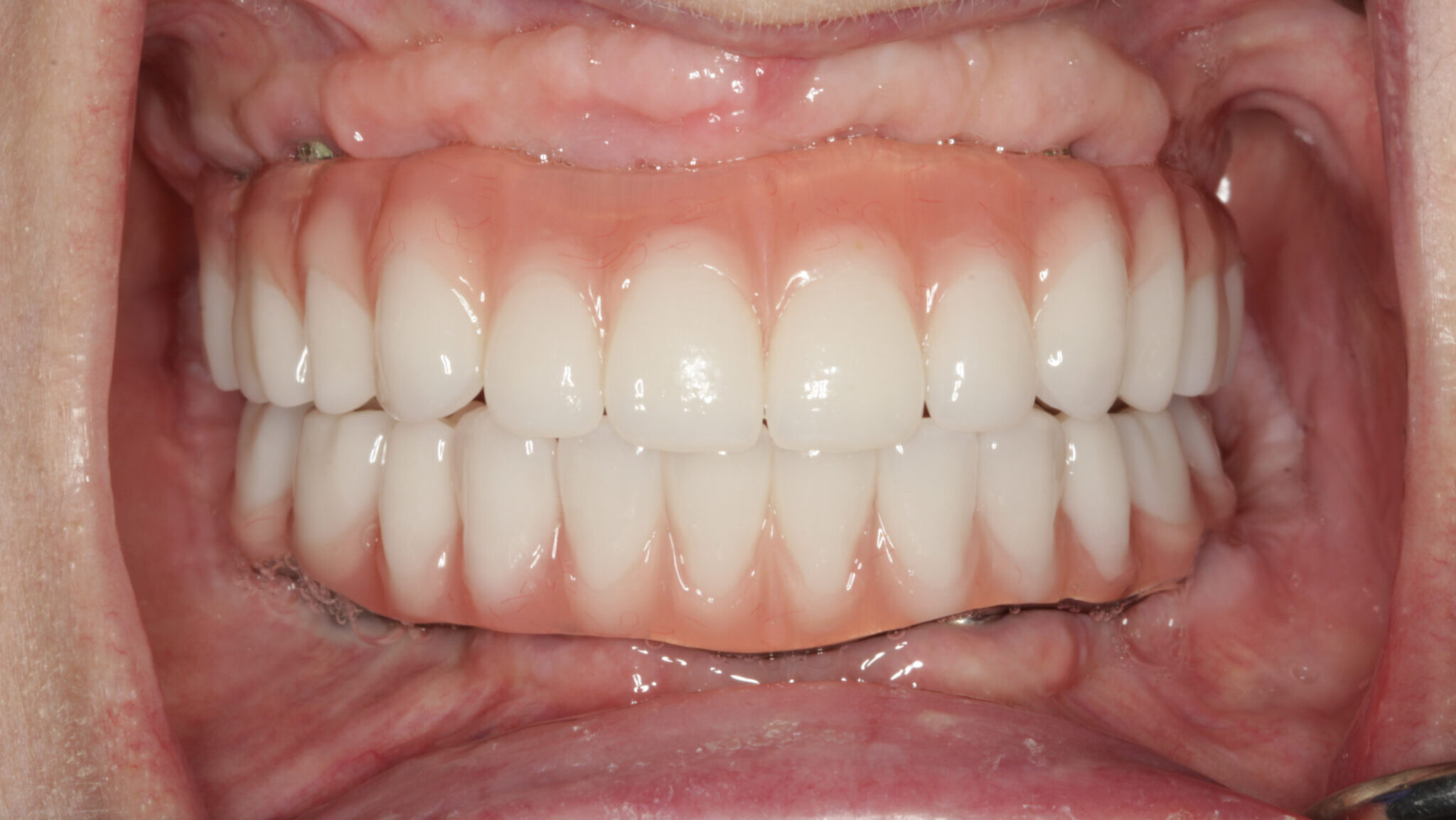
Implant Supported Fixed Prosthesis: Modern restorations supported directly by endosseous titanium or zirconium implants without modifying adjacent healthy teeth.
How Is a Fixed Prosthesis Tooth Fitted and How Many Days Does It Take?
The clinical steps explaining how is a fixed prosthesis tooth fitted and how many days to make a fixed prosthesis combine digital workflows and precision laboratory milling:
1. How Many Days to Make a Fixed Prosthesis?
Utilizing advanced CAD/CAM digital scanners and milling units, fitting a fixed prosthesis requires approximately 3 to 7 days (typically spaced over 3 to 4 clinical visits):
Visit 1: Abutment tooth preparation (reduction) or digital intraoral scanning of implant abutments, followed by seating a provisional (temporary) crown.
Visit 2: Laboratory framework trial (Zirconia or metal substructure fit check).
Visit 3: Aesthetic porcelain characterization and occlusal contact refinement.
Visit 4: Final cementation or torque-screwing (Insertion).
2. How Is a Fixed Prosthesis Tooth Fitted?
Once aesthetics and occlusal harmony are verified, the fixed prosthesis is permanently bonded onto prepared teeth using high-strength adhesive resin cements. If a screw-retained implant supported fixed prosthesis is used, the framework is torqued directly into the implant abutment using a calibrated torque wrench, and the access hole is sealed with aesthetic composite resin.
Understanding Fixed Prosthesis Adaptation Time
For patients receiving new restorations, the clinical fixed prosthesis adaptation time ranges between 3 and 10 days.
Initial Phase: Mild gingival sensitivity, a sensation of fullness, temporary hyper-salivation, and slight phonetic alterations (notably with 's', 'z', and 'f' sounds) may occur during the first few days.
Masticatory Adjustment: The central nervous system adjusts to the new occlusal dimensions within a few days. Soft diets are recommended initially to prevent soft tissue biting.
Occlusal High Spots: If you detect excessive pressure on a specific tooth during biting, a quick chairside occlusal adjustment by your prosthodontist will eliminate the high spot immediately.
Factors Influencing 4 Implant Fixed Prosthesis Cost
Evaluating 4 implant fixed prosthesis cost parameters in full-arch All-on-4 rehabilitations requires assessing structural materials and surgical complexity. Key variables shaping the investment in 2026 include:
Implant Brand and Engineering Tier: Premium Swiss or German implant systems carry different component costs compared to standard implant lines.
Prosthetic Material Composition: Whether the 4-implant full-arch restoration is fabricated from Layered Zirconia, Monolithic Zirconia, Titanium-Reinforced Porcelain, or PMMA Hybrid Resins alters the cost.
Bone Augmentation Requirements: Adjunctive procedures such as bone grafting or sinus floor elevation modify the overall surgical scope.
Immediate Provisional Restorations: Including an immediate fixed provisional prosthesis fitted on the day of surgery influences total investment.
How to Clean a Fixed Prosthesis and Daily Care Protocols
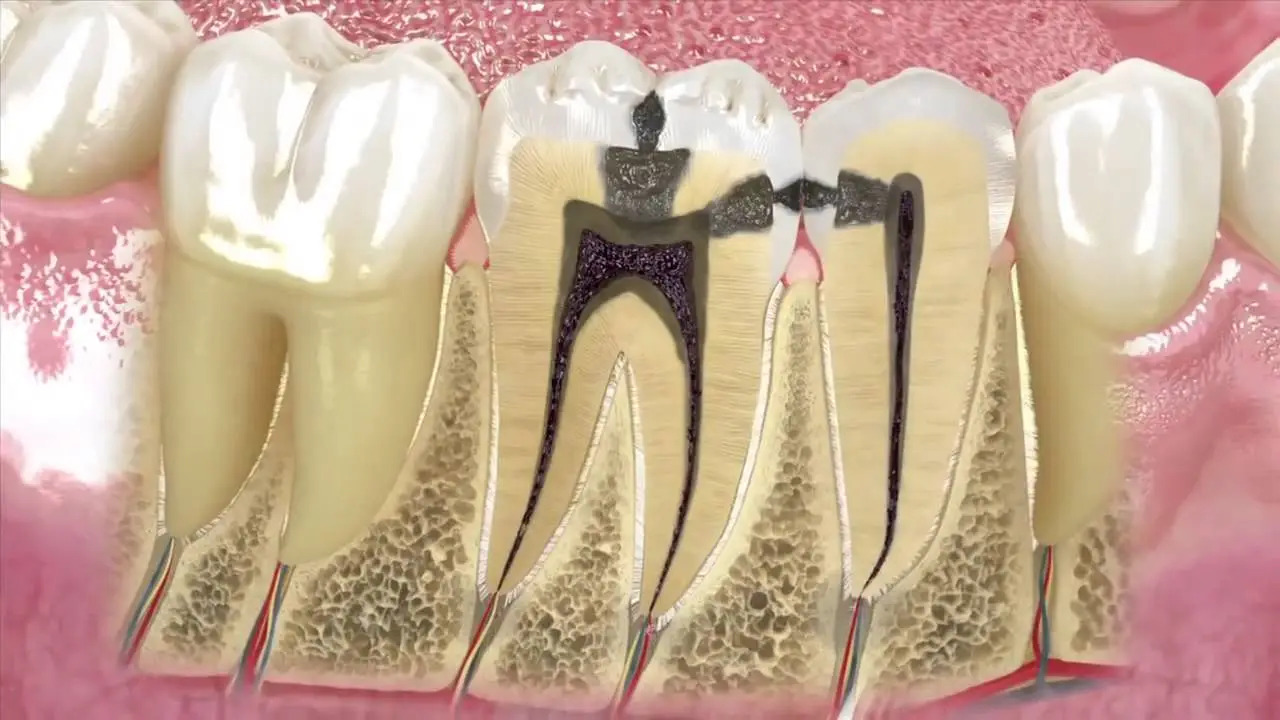
Assuming that a fixed prosthesis requires no maintenance because it cannot decay is a major misconception! While the ceramic material itself cannot develop cavities, natural abutment teeth beneath or surrounding peri-implant bone remain vulnerable to bacterial inflammation. Following proper guidelines on how to clean a fixed prosthesis and maintaining fixed prosthesis care is essential for long-term survival:
Standard Toothbrushing: Brush at least twice daily using a soft-bristled toothbrush and low-abrasivity toothpaste at a 45-degree angle toward the gumline.
Interdental Brushes: For patients with a bridge fixed prosthesis tooth, cleaning the underside of pontics (the gap beneath the missing tooth) and interproximal margins is impossible with a standard brush. Daily use of appropriately sized interdental brushes is mandatory.
Superfloss (Bridge Floss): Specialized dental floss featuring a stiffened end is threaded beneath bridge pontics to sweep away trapped food debris and plaque.
Oral Irrigators (Water Flosser): Essential for an implant supported fixed prosthesis. Pressurized water flushes out subgingival pockets around implant abutments, preventing peri-implantitis.
Structural Comparison: Types of Fixed Prostheses
Prosthetic Type | Support Mechanism | Modification of Adjacent Teeth | Aesthetics & Durability | Cleaning Requirements |
Tooth-Supported Bridge | Adjacent Natural Abutments | YES (Teeth reduced) | High | Moderate (Superfloss & interdental brush mandatory) |
Single Implant Crown | Direct Implant Abutment | NO (Adjacent teeth preserved) | Superior | Easy (Standard floss & brushing) |
4 Implant Fixed (All-on-4) | 4 Angled Implant Fixtures | NO (Full-arch edentulism) | Superior (Restores smile line) | High (Oral irrigator strongly advised) |
Single Zirconia Crown | Prepared Damaged Tooth | Partial (Only target tooth prepared) | Superior (Natural translucency) | Easy (Standard hygiene) |
Frequently Asked Questions (FAQ)
Can food get trapped or cause bad odor under a fixed prosthesis after cementation?
A properly contoured, micron-fitted fixed prosthesis should not allow food entrapment or generate odors. However, if gingival recession occurs over time, cement washes out, or interdental hygiene is neglected, food debris can accumulate beneath bridge pontics, allowing anaerobic bacteria to cause halitosis. If this occurs, clean beneath the pontic using Superfloss or a water flosser and schedule a clinical evaluation.
What should I do if my fixed prosthesis feels loose or comes off?
A loose fixed prosthesis indicates that the luting cement has dissolved or the internal implant screw has loosened. Do not attempt to force the restoration back into place, and NEVER apply household superglues or denture adhesives. If the prosthesis detaches completely, store it in a clean container and visit the clinic immediately. Your prosthodontist will disinfect the abutments and re-cement or re-torque the restoration safely within minutes.
Can I chew hard foods normally with a fixed prosthesis?
Yes, fixed prostheses (especially Zirconia and implant-supported systems) restore approximately 90–95% of natural masticatory efficiency. However, even natural enamel can fracture under extreme forces. To protect your investment, avoid biting into non-food items, hard nutshells, or ice, and enjoy a standard, healthy diet comfortably.