Contentsexpand_more
- What is Jaw Locking and What Are Its Classifications?
- What Causes Jaw Locking?
- Jaw Locking Symptoms
- How to Unlock Jaw Locking: First Aid and Clinical Maneuvers
- Home First Aid
- Clinical Manual Reduction
- How to Treat Jaw Locking: Clinical Modalities
- Jaw Locking Exercises
- Comparison Matrix: Classifications and Origins of Jaw Locking
- Frequently Asked Questions (FAQ)
- Should I attempt to force open a locked jaw by myself?
- Can jaw locking be completely cured, or will it recur?
- Does masseter Botox prevent jaw locking?
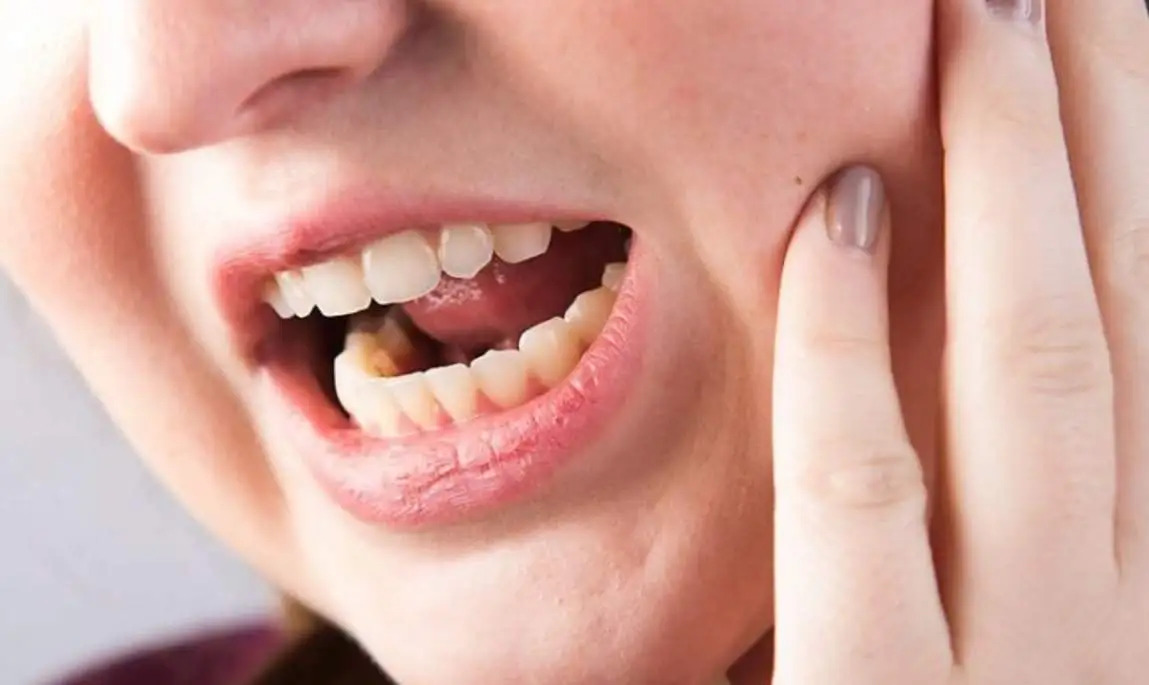
Have you ever awakened unable to open your mouth, or experienced your jaw suddenly catching and getting stuck while yawning or taking a large bite of food? Rendering essential daily functions such as speaking, masticating, and yawning impossible, jaw locking is an acute clinical emergency that induces severe anxiety and localized pain.
The temporomandibular joint (TMJ) is one of the most complex, bilateral, ginglymoarthrodial joints in the human body. When harmony among the articular disc, retrodiscal tissue, and masticatory muscles is disrupted, the joint mechanism locks. Many patients attempt to force a locked jaw open or push it sideways, which risks tearing the articular capsule and causing permanent internal joint derangement.
What is Jaw Locking and What Are Its Classifications?
In maxillofacial medicine, jaw locking is defined as the restriction or cessation of normal mandibular range of motion caused by articular disc displacement, masticatory muscle spasm (trismus), or mechanical bony impingement at the glenoid fossa.
Clinically, jaw locking is categorized into two distinct presentations:
Closed Lock (Inability to Open): The articular disc is displaced anteriorly without reduction, acting as a mechanical obstruction that prevents the condyle from translating forward, restricting mouth opening to less than 20–25 mm.
Open Lock (Inability to Close / Dislocation): The mandibular condyle translates beyond the articular eminence and becomes trapped anteriorly, leaving the patient unable to close their mouth.
What Causes Jaw Locking?
Addressing what causes jaw locking involves multiple mechanical, psychological, and biological factors:
TMJ Internal Derangement (Disc Displacement without Reduction): The fibrocartilaginous disc slips out of its normal position between the condylar head and temporal bone, obstructing joint motion.
Stress Jaw Locking and Bruxism: Elevated emotional and psychological stress triggers daytime clenching and nocturnal bruxism. Chronic hyper-activation of the masseter and temporalis muscles leads to lactic acid buildup, acute myospasms, and muscular trismus.
What Causes Jaw Locking During Sleep?: Nocturnal jaw clenching, sleeping in a prone position with excessive lateral pressure on the mandible, and improper pillow height precipitate morning closed locks.
Jaw Locking While Yawning: Hyperextending the mandible during large yawns or prolonged dental procedures strains the temporomandibular ligaments, allowing the disc or condyle to slip beyond physiological boundaries.
Wisdom Tooth Jaw Locking (Infectious Trismus): Acute pericoronitis surrounding an impacted lower third molar spreads inflammation into the adjacent pterygomandibular space and medial pterygoid muscle, causing severe protective muscle spasm.
Acute Maxillofacial Trauma: Direct impact to the jaw, falls, or whiplash injuries can cause intra-articular hemarthrosis and acute disc displacement.
Jaw Locking Symptoms
A locked jaw often presents with progressive warning signs before an acute episode:
Clicking, popping, or crepitus (grating sounds) within the joint during mandibular movement.
Mandibular deviation or deflection (S-shaped opening pattern) upon opening.
Radiating pain to the preauricular region, temples, neck, and shoulders.
Severe restriction of interincisal opening (inability to fit three fingers vertically between the front teeth).
Sudden catching, stiffness, or sharp stabbing pain in the joint during chewing.
How to Unlock Jaw Locking: First Aid and Clinical Maneuvers
Managing how to unlock jaw locking and how to fix jaw locking requires a careful, non-traumatic approach:
Home First Aid
Never Force Your Jaw: Do not aggressively force the mandible open or jerk it laterally; this can tear the retrodiscal ligament.
Apply Moist Heat: Place a warm compress over the masseter and preauricular area for 15–20 minutes to relax myospasms.
Adopt a Resting Jaw Posture: Keep lips together, teeth apart, and tongue resting gently against the palate ("N-position").
Clinical Manual Reduction
For an open lock (jaw dislocation), an oral and maxillofacial surgeon places gloved thumbs on the mandibular molar occlusal surfaces, applying downward and backward pressure (the Nelaton Maneuver) to guide the condyle back into the glenoid fossa.
How to Treat Jaw Locking: Clinical Modalities
Comprehensive jaw locking treatment depends on whether the origin is articular or muscular:
Custom Occlusal Splint Therapy: Hard acrylic stabilization splints worn at night balance occlusal forces, reduce intra-articular pressure, and assist disc recapture.
Masseter and Temporalis Botulinum Toxin Injections: Injecting therapeutic neurotoxin into hyperactive masticatory muscles lowers involuntary contraction forces, resolving chronic myospasms.
Pharmacotherapy: Short courses of centrally acting muscle relaxants, non-steroidal anti-inflammatory drugs (NSAIDs), and mild anxiolytics help reduce acute inflammation and spasms.
TMJ Arthrocentesis (Joint Lavage): A minimally invasive dual-needle procedure that flushes the upper joint compartment with sterile saline to eliminate inflammatory cytokines, lyse intra-articular adhesions, and deliver hyaluronic acid.
Impacted Third Molar Extraction: If jaw locking is caused by pericoronal infection, surgical extraction of the wisdom tooth is performed once acute inflammation subsides.
Jaw Locking Exercises
After resolving an acute locking episode, performing supervised jaw locking exercises helps restore joint mobility and coordination:
Rocabado 6x6 Tongue Rest Exercise: Place the tip of your tongue against the roof of your mouth just behind the upper front teeth. Keep the tongue in place while gently opening and closing your mouth within a pain-free range (6 repetitions, 6 times daily).
Isometric Resisted Opening: Place your fist under your chin. Attempt to open your mouth gently while applying light upward counter-resistance with your fist; hold for 5 seconds, then relax.
Comparison Matrix: Classifications and Origins of Jaw Locking
Clinical Presentation | Underlying Mechanism | Clinical Manifestation | Primary Treatment Approach |
Closed Lock | Anterior disc displacement / Muscle spasm | Inability to open mouth (>20 mm) | Moist Heat + Splint + Arthrocentesis |
Open Lock (Dislocation) | Condylar trapping over articular eminence | Inability to close mouth | Manual Reduction (Nelaton Maneuver) |
Stress-Induced Lock | Nocturnal bruxism & masseter hypertonicity | Morning stiffness & joint pain | Occlusal Splint + Masseter Botox |
Wisdom Tooth Trismus | Pericoronitis spreading to masticator space | Restricted, painful jaw opening | Antibiotics + Wisdom Tooth Extraction |
Frequently Asked Questions (FAQ)
Should I attempt to force open a locked jaw by myself?
No. Forcing a locked jaw open or closed can tear the delicate retrodiscal bilaminar zone, detach the articular disc, or cause permanent damage to the articular fibrocartilage. Instead, apply moist heat to the cheek muscles to promote relaxation and seek immediate evaluation by an oral and maxillofacial surgeon or TMJ specialist.
Can jaw locking be completely cured, or will it recur?
When diagnosed early and managed with conservative therapies (such as occlusal splints, botulinum toxin, physical therapy, or arthrocentesis), jaw locking can be resolved and controlled. However, if underlying contributors such as untreated stress, chronic bruxism, or severe malocclusion are not addressed, recurrence remains possible.
Does masseter Botox prevent jaw locking?
Yes. In cases where jaw locking is driven by chronic bruxism, stress, and severe masticatory muscle spasms, botulinum toxin injections into the masseter and temporalis muscles are effective. By reducing excessive muscle contraction forces, Botox relieves mechanical pressure on the TMJ disc, preventing muscular trismus and joint locking.