Contentsexpand_more
- Is Pain After Root Canal Treatment Normal?
- What Causes Pain After Root Canal Treatment?
- How Long Does Pain After Root Canal Treatment Last?
- How to Relieve Pain After Root Canal Treatment
- Home Management
- Clinical Intervention
- Red Flag Symptoms Requiring Urgent Re-Evaluation
- Comparison Matrix: Post-Endodontic Pain Etiology and Management
- Frequently Asked Questions (FAQ)
- Why does my tooth hurt after a root canal if the nerve was removed?
- When will the pain when biting down stop completely?
- Are systemic antibiotics necessary after routine root canal treatment?
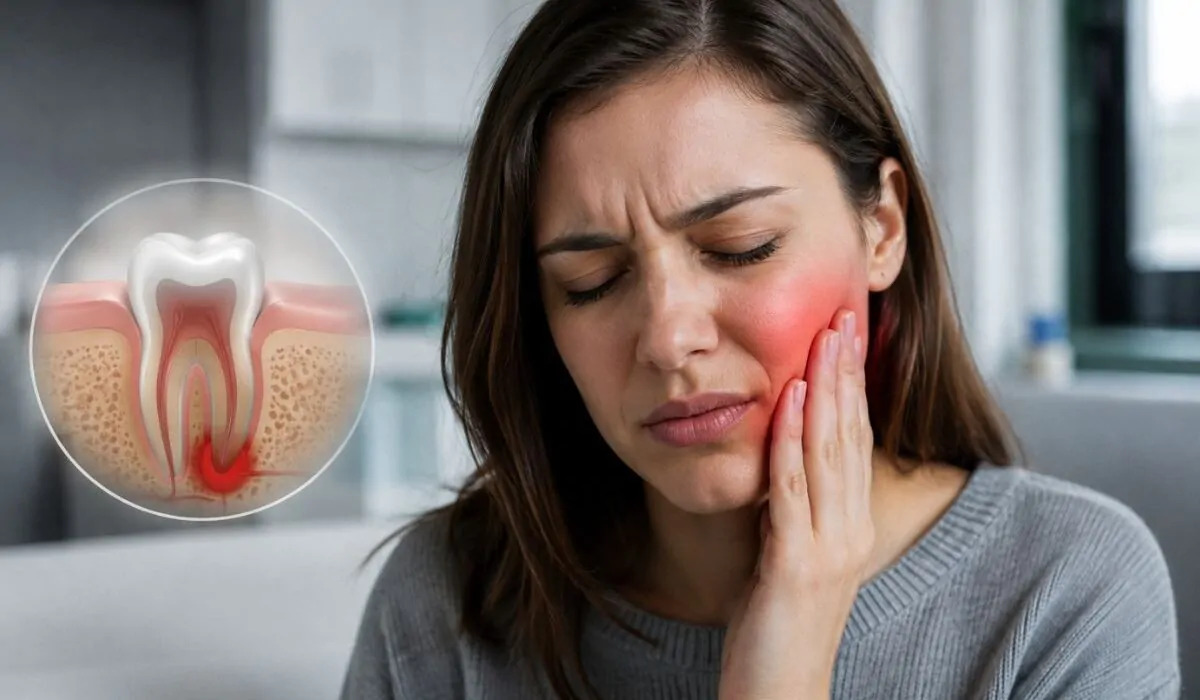
You visited your dentist, completed your root canal therapy to eradicate deep caries or pulpal necrosis, and had the canals hermetically sealed. However, as the local anesthetic effect subsides, you notice an unexpected throbbing ache when biting down, chewing, or touching the tooth with your tongue. Experiencing pain after root canal treatment is one of the most prevalent post-operative patient concerns, frequently prompting the question: "If the nerve was completely removed, why does my tooth still hurt?"
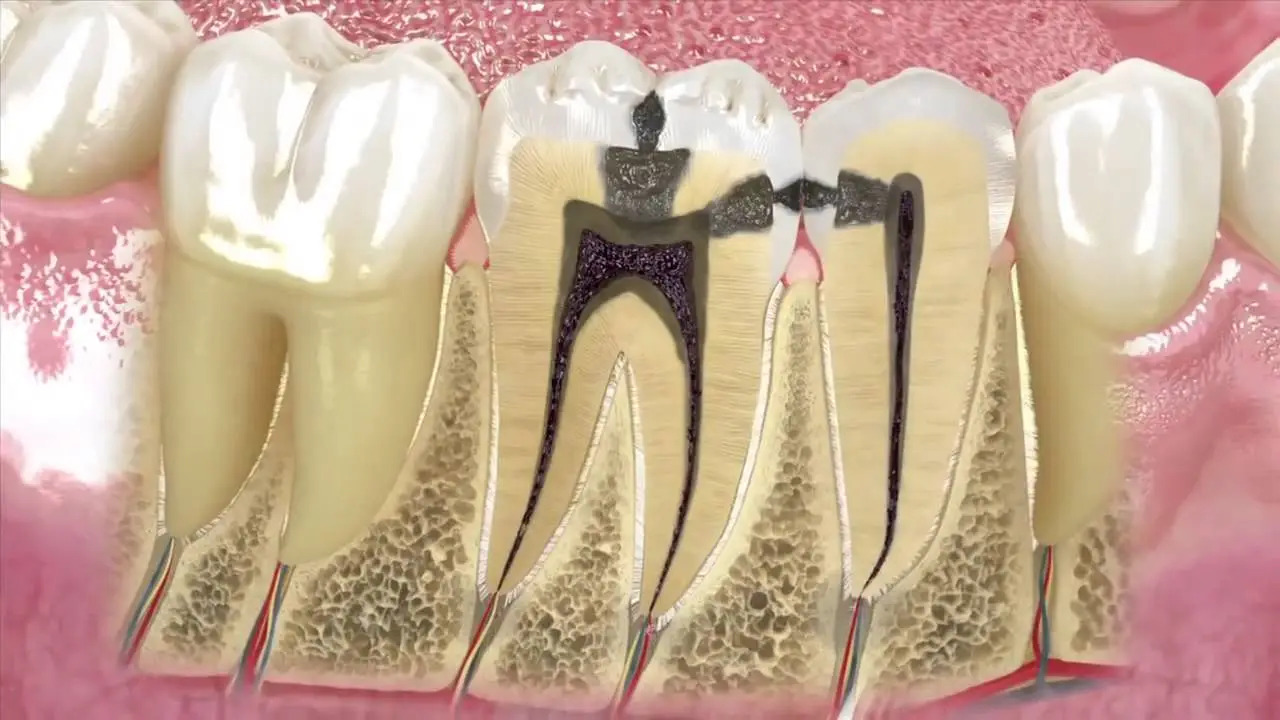
A devitalized tooth devoid of internal dental pulp cannot physiologically register thermal stimuli or coronal pulpal pain. However, the external anatomical interface where the root apex joins the alveolar bone through the periodontal ligament contains a dense network of mechanical and nociceptive nerve fibers. Mechanical instrumentation with rotary files, chemical irrigants, and compaction of obturation materials induce temporary micro-trauma in these surrounding tissues.
Is Pain After Root Canal Treatment Normal?
Addressing does pain happen after root canal treatment: Yes, mild to moderate soreness, throbbing, or sensitivity to bite pressure for several days following treatment is a completely normal physiological response.
While intra-pulpal nerves have been removed, the periodontal ligament anchoring the root apex to the alveolar housing remains living. This supporting apparatus experiences transient inflammation clinically termed acute apical periodontitis, analogous to a sprained ligament, requiring a short consolidation period to resolve.
What Causes Pain After Root Canal Treatment?
Primary etiologies underlying what causes pain after root canal treatment include:
Mechanical Periapical Trauma: During chemo-mechanical debridement, flexible nickel-titanium instruments working at the apical constriction may cause micro-irritation to adjacent periapical tissues.
Occlusal Prematurity (High Filling / Restoration): If the provisional or definitive restoration is elevated by even a fraction of a millimeter, occlusal forces concentrate on that single root, leading to intense pain upon mastication.
Chemical Extrusion of Irrigants: Antimicrobial irrigants (e.g., sodium hypochlorite) or sealers tracking beyond the apical foramen can induce transient chemical tissue irritation.
Pre-Existing Periapical Infection: Teeth presenting with chronic periapical abscesses or granulomas require time for host osteoclasts and immune cells to clear local bone inflammation.
Front Tooth Pain After Root Canal Treatment: Maxillary and mandibular anterior incisors feature single roots surrounded by thinner cortical plates. Consequently, shearing biting forces produce more localized post-operative tenderness compared to posterior multi-rooted molars.
How Long Does Pain After Root Canal Treatment Last?
Understanding when does pain after root canal treatment go away follows this clinical timeline:
First 24 to 72 Hours (Acute Phase): Peak post-endodontic sensitivity. Masticatory tenderness and dull throbbing are common, effectively managed with standard analgesics.
3 to 7 Days (Subsiding Phase): Continuous throbbing dissipates; minor tenderness persists only under direct axial pressure or firm chewing.
10 to 14 Days (Resolution Phase): Periapical ligament fibers remodel, edema clears, and the tooth regains physiological equilibrium identical to adjacent teeth.
Beyond 2 Weeks: Persistent, increasing pain or localized swelling warrants clinical re-evaluation by your endodontist.
How to Relieve Pain After Root Canal Treatment
Evidence-based protocols explaining how to relieve pain after root canal treatment:
Home Management
Non-Steroidal Anti-Inflammatory Drugs (NSAIDs): Medications such as ibuprofen suppress prostaglandin synthesis, alleviating pain while actively reducing periapical bone inflammation.
Masticatory Rest: Chew on the contralateral side for the first 3 to 5 days to avoid overloading the healing periodontal ligament.
Warm Saline Mouth Rinses: Dissolve half a teaspoon of salt in warm water and rinse gently three times daily to soothe marginal gingival tissues.
Avoid Mechanical Provocation: Refrain from continually tapping, pressing, or wiggling the tooth with your tongue or fingers.
Clinical Intervention
Occlusal Adjustment: Your endodontist verifies occlusal contacts using articulating paper, buffing down premature contacts within minutes to eliminate biting tenderness.
Red Flag Symptoms Requiring Urgent Re-Evaluation
Seek prompt clinical attention if you experience:
Severe, unremitting throbbing that fails to respond to prescribed analgesics.
Visible fluctuant swelling of the gum tissue, facial edema, or difficulty swallowing.
Significant mobility of the treated tooth.
A persistent foul taste or purulent drainage around the margin.
Comparison Matrix: Post-Endodontic Pain Etiology and Management
Pain Category | Primary Trigger / Presentation | Expected Duration | Indicated Clinical Action |
Normal Periapical Soreness | Biting pressure, tenderness to touch | 3 to 7 Days | Prescribed NSAIDs, chewing rest |
High Restoration (Bite) | Sharp, immediate pain upon tooth contact | 24–48 hrs after relief | Occlusal adjustment (buffing) |
Persistent Apical Abscess | Spontaneous throbbing, gingival sinus tract | 1 to 3 Weeks | Endodontic medicament change / Apicoectomy |
Missed Anatomy / Canal | Lingering pain to hot stimuli, constant ache | Will not resolve | Microscopic Endodontic Retreatment |
Frequently Asked Questions (FAQ)
Why does my tooth hurt after a root canal if the nerve was removed?
Although the pulp tissue inside the hollow canal system was extirpated, the tooth remains anchored within living alveolar bone via the periodontal ligament. The mechanical instrumentation and irrigation necessary to disinfect the canal create transient post-operative inflammation in these external tissues, causing pressure-induced soreness when biting down.
When will the pain when biting down stop completely?
Tenderness to biting is typically most noticeable during the first 3 to 5 days and progressively subsides, resolving completely within 7 to 10 days. If sharp pain upon biting persists past two weeks, the most frequent cause is a high restoration, which can be resolved through a minor occlusal adjustment.
Are systemic antibiotics necessary after routine root canal treatment?
No. Routine post-endodontic pain stems from localized mechanical and chemical tissue inflammation rather than active systemic bacteremia; therefore, antibiotics do not alleviate this discomfort. Systemic antibiotic therapy is indicated only when clinical evidence of spreading infection exists, such as facial cellulitis, lymphadenopathy, or systemic fever.