Contentsexpand_more
- What is Oral Care? Why Is It Important?
- How to Do Proper Oral Care?
- What Problems Can Occur If Gum Care Is Neglected?
- Are Natural Oral Care Methods Safe?
- How Often Should You Visit a Dentist for Professional Care?
- FAQ: Frequently Asked Questions
- What are the steps of oral care?
- Is tongue cleaning mandatory for oral care?
- What care should be performed to eliminate bad breath?
The oral cavity, which is the starting point of our overall body health and digestive system, is in direct contact with the external world throughout the day. The foods and beverages we consume, as well as the air we breathe, create a constantly changing bacterial population inside the mouth. Keeping these microorganisms in balance and preventing them from damaging tooth enamel by producing harmful acids depends directly on the quality of our daily cleaning habits. Properly managed oral care steps can prevent major dental problems that may arise in the future.
Over time, plaque accumulating in the mouth can lead to tartar formation, gum recession, and persistent bad breath. Experiencing a clean and healthy oral flora without facing these problems requires a practical discipline blended with the right knowledge.
What is Oral Care? Why Is It Important?
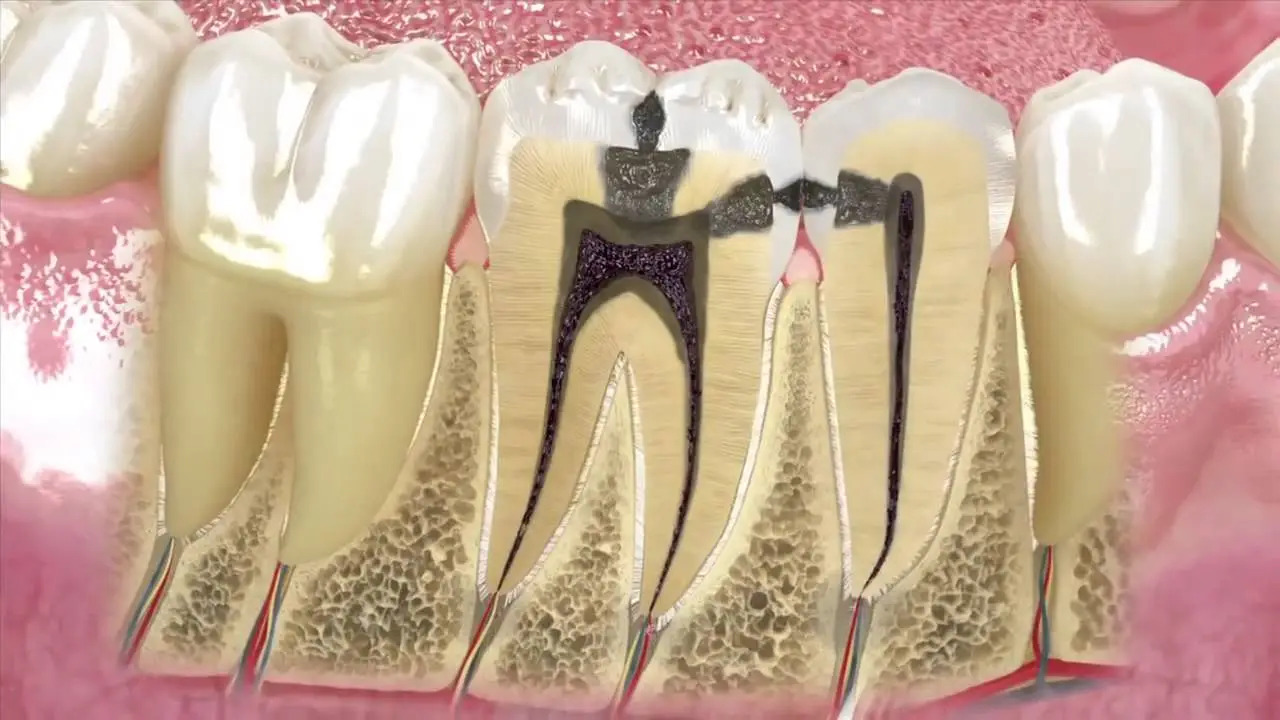
In a fundamental approach, oral care is the process of clearing harmful bacterial plaques from the teeth, gums, tongue surface, and inner cheek mucosa using mechanical and chemical methods. So, why is this process of such vital importance? Due to its moist and warm structure, the mouth is a highly favorable biological environment for bacteria to multiply. When micro-food particles left on and between tooth surfaces after meals are not cleaned, bacteria feed on these wastes and begin to produce acid.
This resulting acid secretion can initiate cavities by dissolving the tooth enamel, the hardest tissue in the body, at a microscopic level. When holistic oral care and dental hygiene processes are not managed regularly, it does not just cause cavities; chronic infection focuses that can threaten overall health can also develop. Protecting your dental health is a positive investment made in your entire body, from heart health to the digestive system.
Intraoral Cleaning Areas:
Tooth Surfaces: Represents only 25% of the total area inside the mouth.
Between the Teeth: Hidden cavity areas that standard brushes can never reach.
Tongue and Cheeks: The main nesting ground for bacteria that cause bad breath.
How to Do Proper Oral Care?
A basic misconception for many people is that quickly brushing the teeth twice a day provides sufficient cleanliness. However, the clinical answer to how to perform proper oral care relies on using specific tools in a correct hierarchy. So, what should an ideal routine look like and in which order should it be done?
Correct Brushing Technique: With a soft-bristled brush, using a sweeping motion from the gum toward the tooth, the front, back, and chewing surfaces of the teeth must be brushed for at least two minutes.
Interdental Cleaning: To remove plaque from the surfaces where teeth touch each other, dental floss or an interdental brush suitable for your tooth structure must be used every evening.
Tongue Scraping: The white layer accumulating on the rough back surface of the tongue should be cleaned by scraping from back to front with the help of tongue cleaning devices.
Mechanical Support: An oral irrigator (water flosser) can be included in the routine to wash away food debris between the teeth and under hard-to-reach bridges using pressurized water.
Chemical Protection: After all this mechanical cleaning is finished, the process can be completed by rinsing with an alcohol-free mouthwash to support the intraoral flora.
When creating a personalized oral care kit at home, the products you select must be compatible with your dental structure. The process is even more sensitive for our patients who use bridge restorations or dental implants.
At this stage, the question of what to consider when performing hygiene over implants comes to the fore. Since the gum tissue surrounding an implant is more sensitive than a natural tooth, the accumulation of microorganisms should be completely prevented in these areas by using oral irrigators and special implant flosses instead of stiff brushes.
What Problems Can Occur If Gum Care Is Neglected?
Focusing only on bright white tooth surfaces during oral cleaning while neglecting the surrounding tissues is one of the biggest causes of tooth loss. When regular gum care is not performed, a sticky, transparent layer called "bacterial plaque" accumulates at the boundary where the tooth and gum meet. When this plaque layer is not cleaned, it combines with minerals in the saliva and turns into hard dental tartar.
Tartar can initiate chronic irritation and inflammation in the gum tissue. The first symptom of this condition is gum bleeding experienced during brushing or out of nowhere. As the inflammation progresses, the gums begin to recede, and the supporting bone tissue around the teeth begins to melt away. This process, if not intervened in at an early stage, can lead to teeth becoming loose and lost, even if they have never decayed.
Are Natural Oral Care Methods Safe?
In recent years, with the trend of moving away from chemical ingredients on websites and social media platforms, many recipes have been shared under the name of natural oral care. Methods like brushing teeth with baking soda, lemon, or vinegar at home, or oil pulling frequently cross our paths. However, performing these practices unconsciously without knowing their medical boundaries can cause serious damage to the tooth structure.
For instance, baking soda has a coarse-grained and abrasive structure; brushing hard to whiten teeth can lead to permanent scratches and dullness on the tooth enamel. Highly acidic substances like lemon and vinegar, on the other hand, can leave teeth completely defenseless against cavities and hot-cold sensitivity by dissolving the mineral structure of the enamel. For this reason, certified protective products that have been approved by a doctor and do not harm the enamel should always be preferred when trying natural supports at home.
Application Type | Cleaned Area | Correct Frequency of Use | Clinical Benefit |
Standard Toothbrush | Front, back, and chewing surfaces of teeth | 2 times a day (At least 2 min) | Mechanically removes the main bacterial plaque. |
Interdental Brush | Hidden side surfaces facing each other | Once a day (Especially in the evening) | Prevents interproximal cavities and gum inflammation. |
Oral Irrigator | Under prostheses, around implants, and deep pockets | Once a day | Washes away blind spots impossible to reach with pressurized water. |
Tongue Scraper | Rough mucosa layer on the tongue | 1–2 times a day | Prevents bad breath by reducing volatile sulfur compounds. |
How Often Should You Visit a Dentist for Professional Care?
Even if you use the best products at home and pay close attention to the order of your routine, dental tartar formation can develop over time in deep pockets that the brush cannot anatomically reach. This situation is a biological process, and cleaning it requires professional equipment.
For permanent oral and dental health, visiting a dentist for a routine checkup every 6 months is recommended. Professional scaling (detertraj) and polishing (polisaj) procedures performed during these checkups allow your gums to breathe.
At the same time, interproximal cavities starting at a microscopic level can be diagnosed at an early stage, allowing them to be treated with simple fillings before they grow and cause pain. Preventive examinations are the smartest step to take to avoid complex and costly surgical operations that may be needed in the future.
FAQ: Frequently Asked Questions
What are the steps of oral care?
An ideal routine starts with brushing; then, an interdental brush or dental floss is used for the spaces between teeth. In the third stage, the tongue surface is cleaned by scraping, and in the final step, deep hygiene is provided with an oral irrigator and alcohol-free mouthwashes.
Is tongue cleaning mandatory for oral care?
Yes, it is mandatory. A large portion of the harmful bacteria and food debris that cause bad breath accumulates between the taste buds on the rough back surface of the tongue; total hygiene cannot be achieved unless this area is mechanically cleaned.
What care should be performed to eliminate bad breath?
To prevent chronic bad breath, besides tooth brushing, dental floss and a tongue scraper must be used every day, plenty of water should be consumed to prevent dry mouth, and hidden dental tartar, which can be the main source of the odor, should be cleaned professionally in a clinic.