Contentsexpand_more
- What is Masseter Botox and What Does it Do?
- How is Masseter Botox Done? The Clinical Sequence
- How Many Days for Masseter Botox to Work and Lifespan of the Treatment?
- Does Masseter Botox Change Face Shape? Before and After Transformations
- Toxicity Risks: Is Teeth Grinding Botox Dangerous?
- Masseter Botox Aftercare: Crucial Post-Treatment Rules
- Frequently Asked Questions (FAQ)
- Is masseter botox performed exclusively for aesthetic face slimming?
- Is neuromodulation alone enough to fully cure severe teeth grinding?
- Will my teeth grinding symptoms worsen once the botox completely wears off?
- Is the active masseter botox enjeksiyon sequence painful?
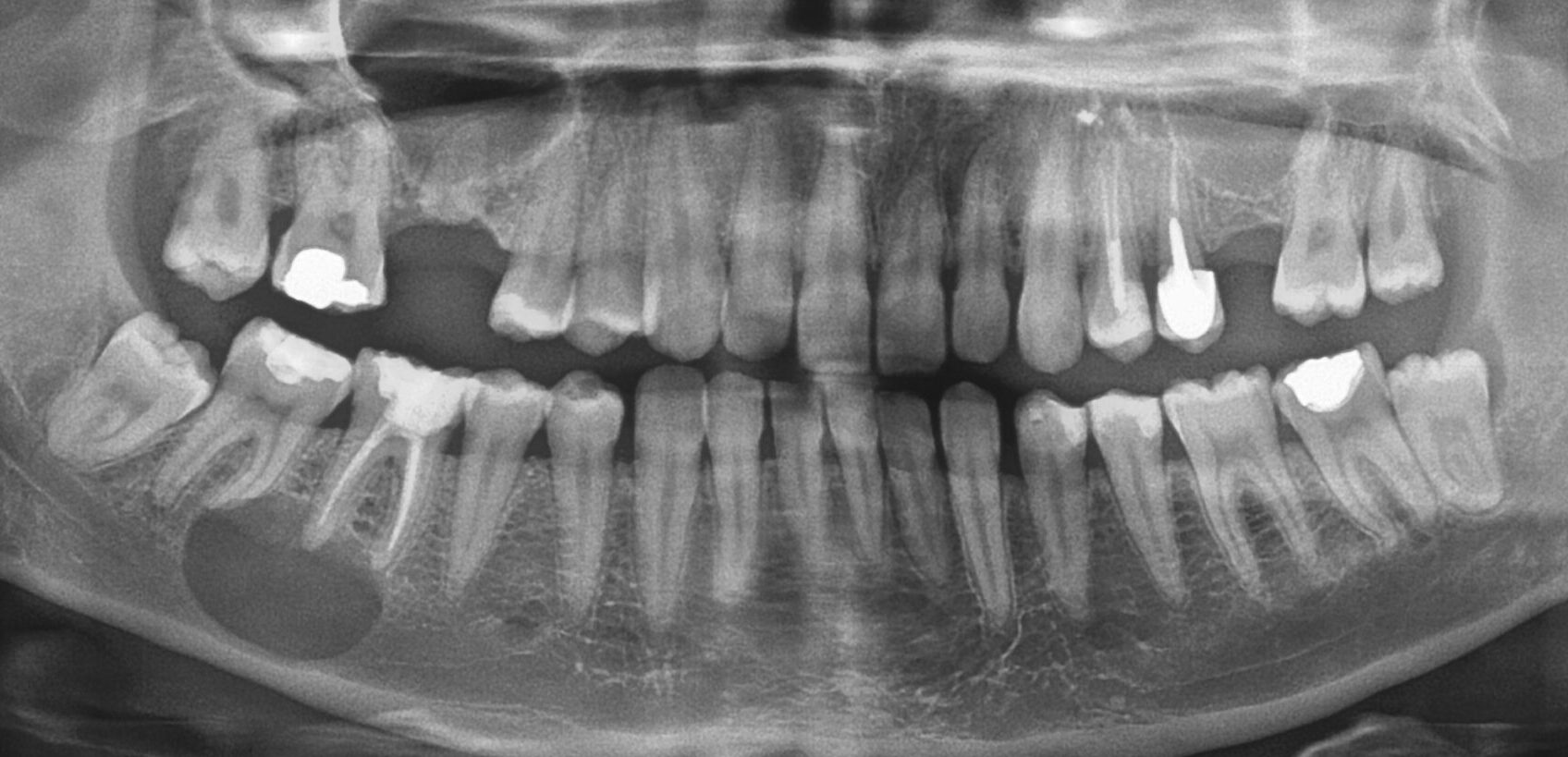
The psychological stress, acute anxiety, and structural fatigue of contemporary life frequently trigger continuous involuntary immune and motor survival responses within the human body. The most destructive manifestation of these stress cycles within the maxillofacial framework is bruxism, commonly referred to as chronic teeth grinding and jaw clenching. The continuous, unmonitored nocturnal or diurnal clenching of the jaw muscles inflicts severe damage, leading to chronic tension headaches, temporomandibular joint (TMJ) degeneration, and irreversible enamel attrition.
Within contemporary restoratif dentistry, the premium clinical protocol deployed to effectively interrupt this destructive mechanical loop and neutralize masseter muscle hyperactivity is masseter botox. Operating both as a therapeutic barrier that protects the dental structures and as a non-surgical aesthetic intervention that dynamically refines the lower facial contours, this dual-action therapy is executed with absolute surgical precision at our department.
What is Masseter Botox and What Does it Do?
To accurately evaluate what is masseter botox, one must first look at the muscular architecture of the lower third of the face. The masseter muscle, positioned bilaterally at the angle of the mandible, is the primary and most powerful muscle responsible for mastication. When an individual chronically undergoes severe teeth grinding, this specific muscle experiences work-induced hypertrophy (excessive volumetric growth), similar to skeletal muscles subjected to heavy weightlifting. This mass enlargement subsequently intensifies the destructive forces applied to the teeth and jaw joint.
So, what does masseter botox do exactly? The clinical methodology relies on introducing microscopic, precisely calculated doses of purified Botulinum Toxin Type A directly into the body of the masseter muscle. The toxin acts by temporarily intercepting the neurotransmitter signals traveling between the nerve endings and the motor muscle fibers. Consequently, the involuntary, destructive clenching capacity of the muscle is safely minimized. Your primary voluntary biological functions, such as regular chewing and clear speech, remain completely unhindered, while the extreme, structural-cracking nocturnal forces are entirely neutralized.
How is Masseter Botox Done? The Clinical Sequence
Achieving elite therapeutic success relies entirely on distributing the neuromodulator into the precise anatomical boundaries of the muscle using balanced dosages. The clinical framework of how is masseter botox done by our specialists at Livera Dental Clinic involves several rigorous steps:
Biomechanical Evaluation: The overall density and structural volume of the masseter muscle are meticulously mapped via dynamic physical palpation, accompanied by a digital analysis of enamel wear and TMJ tracking.
Anatomical Mapping: The safe injection zone is mathematically marked on the patient's skin.
Topical Desensitization: High-potency medical grade anesthetic creams are applied over the target sites to completely eliminate any surface needle sensation, ensuring maximum comfort.
Micro-Injection Delivery: Utilizing ultra-fine, microscopic insulin-gauge needles, the purified Botulinum Toxin is introduced vertically into the deep and superficial bellies of the muscle. The entire sequence is completely painless and requires only 5 to 10 minutes total for both sides of the face.
How Many Days for Masseter Botox to Work and Lifespan of the Treatment?
It is biologically impossible to experience an immediate cessation of jaw clenching forces the second you leave the clinical chair. The neuromuscular block requires a specific biological timeline to lock onto the targeted nerve receptors.
When assessing how many days for masseter botox to work, the clinical progression is predictable: Initial muscular relaxation and a noticeable relief of facial tension manifest within the first 3 to 4 days post-treatment. The complete stabilization of the hyperactive muscle forces takes approximately 10 to 14 days.
The active biological lifespan of the neuromodulator within the masseter bellies averages between 4 to 6 months depending on individual metabolic rates. To achieve long-term therapeutic success and muscle re-education, we strongly recommend repeating the injections every 6 months for the first 2 consecutive years. Over time, the hypertrophied kas safely thins out, drastically extending the necessary interval between maintenance sessions.
Does Masseter Botox Change Face Shape? Before and After Transformations
The aesthetic side effect of long-term teeth grinding is a pronounced widening and squaring of the lower third of the face. In female patients, this structural change yields a harsh, masculine, and overly angular jawline.
The answer to does masseter botox change face shape is a definitive yes; however, this structural modification is entirely favorable, manifesting as a highly desired, non-surgical facial slimming (V-line) effect. As the masseter muscle is prevented from executing excessive hyperfunctional contractions, it naturally undergoes disuse atrophy, losing its bulbous bulk.
When evaluating masseter botox before and after case studies, the visual transitions from the 4th week onward display a beautiful softening of a squared jawline. The lower face tapers elegantly, making the zygomatic arches (cheekbones) appear more defined and successfully restoring the inverted aesthetic triangle of youth.
Toxicity Risks: Is Teeth Grinding Botox Dangerous?
When engineered by an accredited medical expert possessing deep maxillofacial expertise, the answer to is teeth grinding botox dangerous is a strict no. Botulinum Toxin is an exceptionally safe, FDA-approved pharmaceutical utilized across nearly every major branch of contemporary medicine. However, severe risks can emerge if the procedure is handled by unauthorized individuals lacking an understanding of deeper facial anatomy.
If the injection wanders outside the strict boundaries of the masseter and infiltrates the adjacent risorius muscle (the muscle responsible for lateral smile extension), temporary smile asymmetry or minor masticatory weakness can occur. To eliminate these anatomical risks, the procedure must strictly be handled by oral surgeons or specialized aesthetic dentists. At Livera Dental Clinic, our anatomy-first focus eliminates the baseline risk of adverse complications.
Masseter Botox Aftercare: Crucial Post-Treatment Rules
To optimize the localized absorption of the neuromodulator and prevent the accidental diffusion of the toxin into neighboring expressive facial muscles, following these basic masseter botox aftercare rules for the first 24 hours is paramount:
Do not massage, rub, or apply physical pressure over the treated jaw areas under any circumstances during the first day.
Remain in an upright vertical position for at least 4 hours immediately following the injections; do not lay down flat or bend your head sharply forward.
Strictly avoid extreme thermal environments, including saunas, steam rooms, hot hot showers, and direct sun exposure, for the first 24 hours to prevent localized vasodilation.
Refrain from chewing excessively hard foods (tough meats, raw nuts) or chewing gum for the first week to let the muscle settle into its relaxed phase.
Frequently Asked Questions (FAQ)
Is masseter botox performed exclusively for aesthetic face slimming?
No. The primary medical indication for masseter botox is treating bruxism to protect the teeth from structural chipping and preserve the TMJ from degenerative changes. The resulting facial slimming and jawline softening represent an added cosmetic bonus for the patient.
Is neuromodulation alone enough to fully cure severe teeth grinding?
In cases of advanced, severe bruxism, pairing masseter botox with a custom-fabricated nocturnal oclüzal splint (night guard) maximizes clinical success. While botox physically reduces the kinetic force of the muscle, the night guard mechanically blocks tooth-to-tooth contact, delivering dual-action protection.
Will my teeth grinding symptoms worsen once the botox completely wears off?
No, they will not. In fact, because the masseter kas remains in a highly relaxed, down-regulated state for 6 months, it loses substantial bulk. Even after the neuromodulator fully wears off, your clenching intensity will be significantly milder than your baseline level.
Is the active masseter botox enjeksiyon sequence painful?
Because high-potency topical anesthetic creams are layered over the treatment sites prior to the sequence, and because we utilize ultra-fine micro-gauge needles, patients report nothing more than a minor pinching sensation. The procedure is highly comfortable and virtually painless.