Contentsexpand_more
- What Causes Gum Swelling?
- 1. Inadequate Oral Hygiene and Dental Plaque Accumulation
- 2. Wisdom Tooth Gum Swelling (Pericoronitis)
- 3. Swollen Gums During Pregnancy (Pregnancy Gingivitis)
- 4. Chronic, Painless Gum Swelling
- 5. Front Gum Swelling via Structural Restoration Mismatch
- How to Treat Gum Swelling Successfully?
- Professional Periodontal Debridement (Scaling and Root Planing)
- Surgical Intervention and Strategic Extractions
- Swollen Gums Home Remedies and Individual Support
- Should You Brush Swollen Gums?
- Lifespan of Swelling and Clinical Danger Signs
- Frequently Asked Questions (FAQ)
- What is universally good for reducing acute gum swelling?
- Can localized, painless gum swelling resolve on its own?
- Do swollen gums caused by pregnancy completely resolve post-partum?
- Are systemic antibiotics mandatory for treating swollen gums?
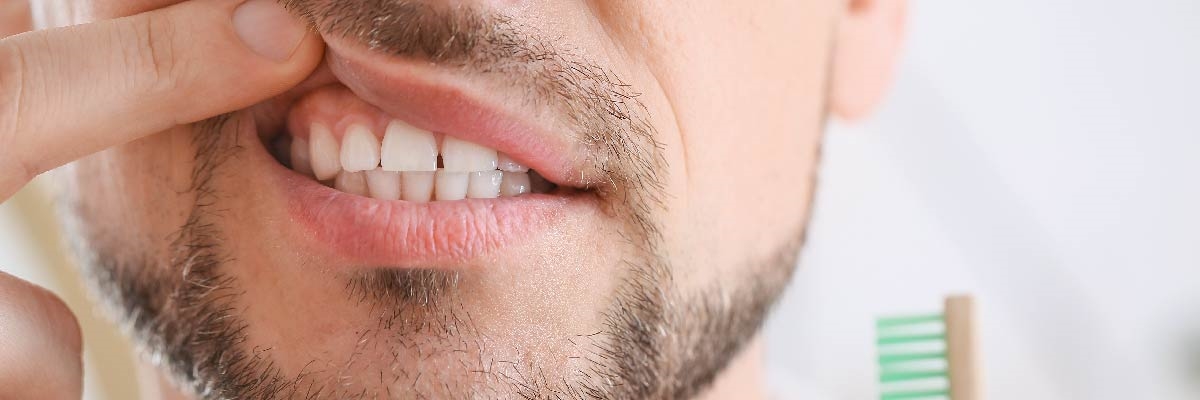
In modern oral wellness, the anatomical framework surrounding and supporting your dentition is just as critical as the teeth themselves. One of the most prevalent clinical challenges that individuals encounter, which frequently hinders simple daily functions like mastication, is gum swelling.
Physiologically optimal periodontal tissue exhibits a coral pink hue, maintains a firm consistency, and firmly hugs the cervical architecture of the tooth with an orange-peel texture. However, when this soft tissue triggers its biological immune responses due to bacterial infection, trauma, or hormonal realignments, it retains fluid, leading to edema, redness, and severe sensitivity. This extensive guide addresses the structural etiologies behind swollen gums and the advanced treatment protocols utilized in contemporary periodontics.
What Causes Gum Swelling?
Pathological enlargement and inflammation of the periodontal soft tissues are seldom isolated to a single origin. Localized intraoral factors and systemic health conditions frequently intersect to manifest this condition. The primary causes screened at our clinic include:
1. Inadequate Oral Hygiene and Dental Plaque Accumulation
The primary answer to what causes gum swelling is the persistent retention of microbial plaque. When teeth are not cleaned utilizing correct methods and frequencies, a microscopic film of bacteria forms over the enamel. Over time, this soft biofilm calcifies with salivary minerals, transforming into hardened dental calculus (tartar). These rough deposits create continuous baseline irritation, serving as a permanent bacterial sanctuary that drives tissue swelling.
2. Wisdom Tooth Gum Swelling (Pericoronitis)
This localized swelling is heavily concentrated around partially erupted or impacted third molars at the very back of the jaw. Wisdom tooth gum swelling is clinically classified as pericoronitis. Food debris becomes easily trapped beneath the redundant operculum (the gum flap covering the tooth), creating an ideal environment for rapid bacterial proliferation. This remains the leading source of acute back gum swelling complaints.
3. Swollen Gums During Pregnancy (Pregnancy Gingivitis)
During gestation, surging levels of progesterone and estrogen profoundly alter the vascular response of periodontal tissues to microbial plaque. Known as swollen gums during pregnancy, even minimal amounts of plaque that would normally cause negligible irritation can trigger exaggerated, severe swelling, deep redness, and immediate bleeding upon contact. In certain presentations, benign localized growths called pregnancy epulides may also manifest.
4. Chronic, Painless Gum Swelling
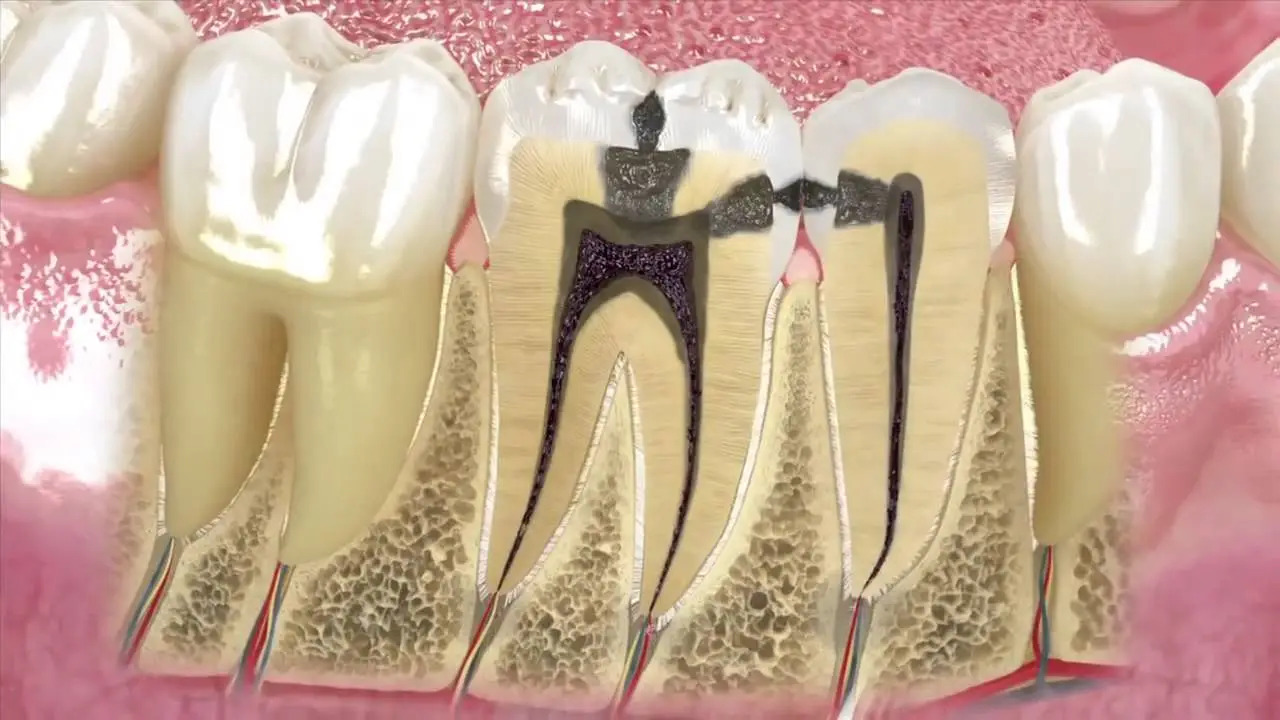
Not all periodontal inflammatory cycles present with acute nerve responses. Painless gum swelling is frequently an insidious clinical indicator of chronic, advanced periodontitis or localized pulpal necrosis (nerve death within the root). A silent root canal infection can dissolve the surrounding alveolar bone, tracking through the soft tissue to form a fistulous tract or a "gum boil." The absence of pain does not equal safety; rather, it denotes a continuous, unmonitored loss of supporting bone.
5. Front Gum Swelling via Structural Restoration Mismatch
Localized front gum swelling is often linked to mechanical irritation from poorly adapted prosthetic crowns, overcontoured dental veneers, or fillings with excessive margins that constantly impinge upon the delicate biological width. Direct mechanical trauma, such as aggressive horizontal brushing or accidental injury from sharp food particles, also drives this specific localized manifestation.
How to Treat Gum Swelling Successfully?
The therapeutic approaches deployed at Livera Dental Clinic are engineered to eradicate the primary etiological source rather than merely addressing surface symptoms. Definitive protocols on how to treat gum swelling include:
Professional Periodontal Debridement (Scaling and Root Planing)
If the swelling is confirmed to be driven by microbial biofilms and calculus, our specialists perform deep ultrasonic debridement utilizing advanced hand instruments to thoroughly clean out the subgingival pockets. In advanced presentations, deep root planing (curettage) under localized anesthesia is performed to eliminate infected tissue and secure optimal reattachment of the healthy soft tissue matrix.
Surgical Intervention and Strategic Extractions
When the primary swelling is driven by an impacted third molar with no viable path for full functional eruption, the tooth is surgically extracted after controlling the acute infective phase. For structural presentation errors causing anterior swelling, the improper dental crowns are removed, the margins are reengineered, and highly biocompatible temporary crowns are adapted to let the soft tissue heal.
Swollen Gums Home Remedies and Individual Support
While waiting for your scheduled clinical appointment, you may utilize specific supportive measures to temporarily manage acute discomfort. However, it must be noted that protocols under the swollen gums home remedies umbrella cannot substitute for expert dental interventions; they purely offer transient symptomatic relief.
Warm Saline Rinses: Dispersing one teaspoon of pharmaceutical salt into half a glass of warm water creates a hypertonic solution that safely draws fluid out of edematous tissues, reducing swelling while exercising a mild antiseptic effect.
Antiseptic Mouthwashes: Utilizing a therapeutic, chlorhexidine-infused mouthwash for swollen gums recommended by your specialist rapidly suppresses the localized oral bacterial load. These rinses must not be utilized continuously for more than 14 days to avoid surface tooth staining.
Targeted Pharmacotherapy: If acute pain accompanies the swelling, specific non-steroidal anti-inflammatory medicine for swollen gums may be integrated under professional supervision. Antibiotic therapies must never be initiated arbitrarily without an explicit clinical prescription.
Should You Brush Swollen Gums?
Yes, absolutely. Patients routinely stop brushing the moment they observe bleeding or severe swelling. This avoidance results in a rapid acceleration of plaque accumulation, trapping the tissue in a destructive inflammatory spiral. To protect the edematous tissue from micro-abrasions, you must utilize an ultra-soft toothbrush, deploying gentle, circular strokes directly at the gumline.
Lifespan of Swelling and Clinical Danger Signs
Following targeted clinical intervention, the rate of soft tissue structural healing depends on the initial depth of the disease. The clinical baseline for how many days for swollen gums to heal after professional scaling averages between 3 to 7 days, during which the tissue contracts and regains its optimal coral-pink architecture.
Understanding when is gum swelling dangerous requires immediate monitoring for the following red flag signs:
The swelling physically expands outward into your face, cheeks, or infraorbital areas.
You experience acute difficulty when swallowing (dysphagia), breathing, or opening your jaw (trismus).
A high systemic fever and profound lethargy accompany the local swelling.
The soft tissue enlargement persists for more than 10 days despite meticulous home hygiene.
These severe manifestations indicate that the local infection has progressed into a deep, unconfined fascial space abscess, presenting a critical medical emergency that mandates immediate professional stabilization.
Frequently Asked Questions (FAQ)
What is universally good for reducing acute gum swelling?
Professional subgingival scaling is the definitive solution for gum swelling. For temporary relief at home, warm saline rinses, meticulous interdental flossing, and therapeutic antiseptic washes are highly effective at minimizing soft tissue edema.
Can localized, painless gum swelling resolve on its own?
No. Painless swelling typically denotes a well-established chronic infection. Without mechanically clearing out the deep periodontal pocket or addressing the underlying root canal infection, the structural swelling will not resolve permanently.
Do swollen gums caused by pregnancy completely resolve post-partum?
Following childbirth, as maternal hormone concentrations normalize, pregnancy gingivitis often subsides significantly. However, if deep calculus deposits formed during gestation are left uncleaned, the temporary condition can transition into permanent, chronic periodontal disease.
Are systemic antibiotics mandatory for treating swollen gums?
No. The vast majority of gum swelling presentations resolve perfectly without any systemic antibiotic intervention through mechanical professional cleaning alone. Antibiotics are strictly restricted for cases presenting with systemic fever or acute spreading abscesses.