Contentsexpand_more
- What is a Superficial Tooth Crack and How Does it Develop?
- What are the Primary Causes of Enamel Craze Lines and Tooth Scratches?
- 1. Severe Bruxism (Nocturnal Teeth Grinding and Clenching)
- 2. Thermal Micro-Shocks (Rapid Temperature Swings)
- 3. Mechanical Overload and Parafunctional Habits
- 4. Abuse of High-Abrasive Whitening Toothpastes
- What are the Symptoms of a Superficial Tooth Crack?
- How are Superficial Tooth Cracks Treated Dynamically?
- 1. Preventative Remineralization and High-Concentration Fluoride Therapies
- 2. Minimally Invasive Cosmetic Bonding (Composite Restorations)
- 3. Premium Porcelain Lamina Veneers
- 4. Custom Night Guards and Bruxism Appliance Therapy
- Frequently Asked Questions (FAQ)
- Can a superficial tooth crack resolve or heal on its own?
- Can simple craze lines cause a tooth to break completely?
- Is a composite filling suitable for correcting a cracked tooth?
- Will professional teeth whitening eliminate the appearance of craze lines?
In the realm of smile design and modern dentistry, one of the most common reasons patients seek consultation at our clinic due to aesthetic concerns is the appearance of faint, vertical lines on their teeth. Known in medical literature as enamel craze lines or commonly referred to as a superficial tooth crack, these microstructures may initially seem like mere surface scratches. However, they represent a structural alteration that weakens the microscopic defense mechanisms of the dental enamel. While these lines are often as thin as a strand of hair, they can absorb stains over time, transforming a benign cosmetic variance into a potential gateway for deeper structural issues.
What is a Superficial Tooth Crack and How Does it Develop?
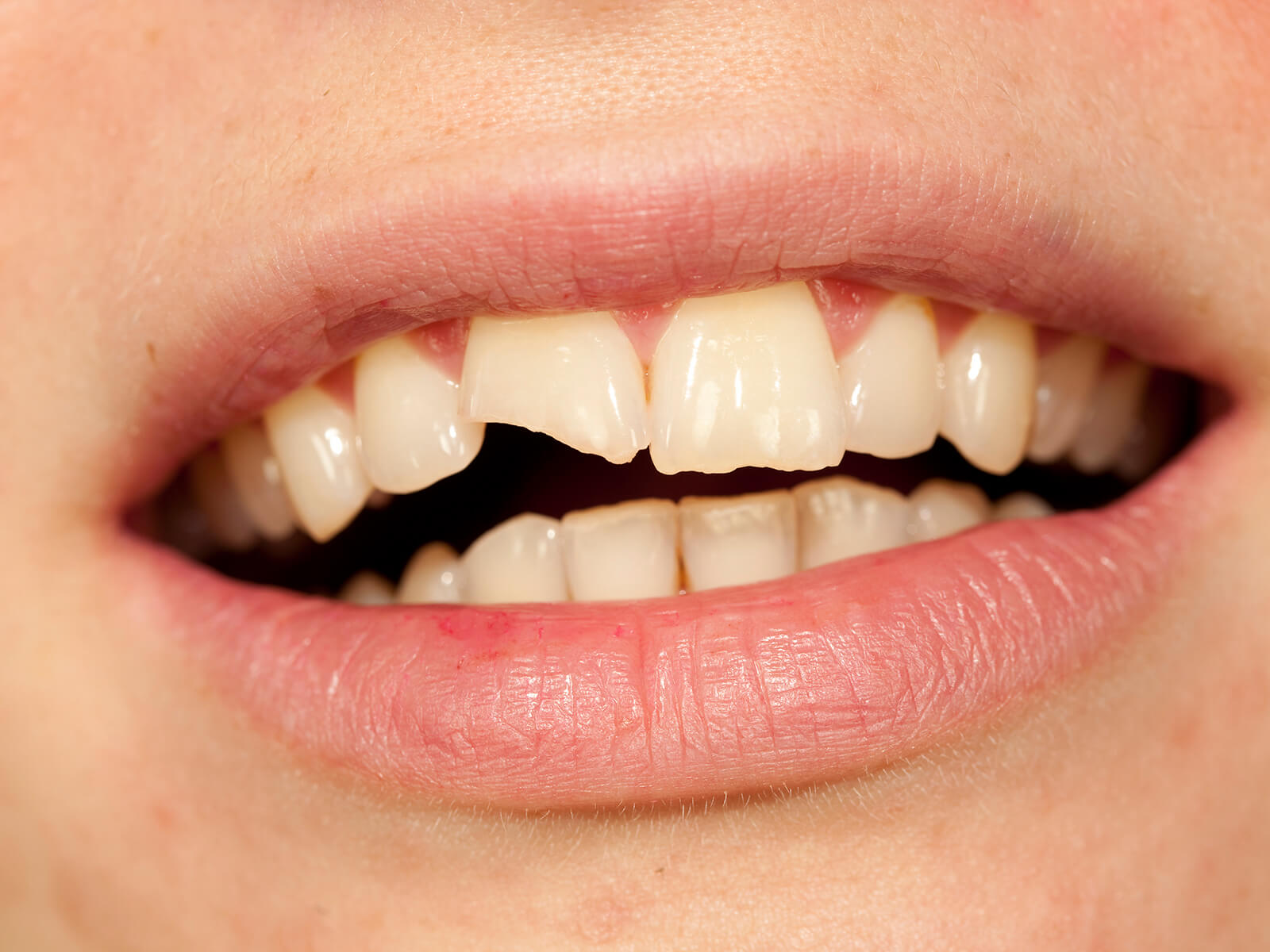
A superficial tooth crack is a microscopic fracture localized entirely within the enamel, which is the outermost protective shell of the tooth crown and the hardest substance in the human body. In clinical dentistry, these configurations are usually diagnosed as the initial phase of cracked tooth syndrome or simply as craze lines. Unlike advanced structural tooth fractures, these lines do not cross the dentinenamel junction to reach the softer dentin layer or the pulp chamber where the vital nerves and blood vessels reside.
Although dental enamel possesses an incredibly high mineral content composed primarily of crystalline hydroxyapatite, its structural elasticity under nonvertical or shear stress is remarkably low. When the complex forces of daily mastication exceed the tolerance thresholds of the enamel, these microscopic crystal bonds experience micro-separation, creating minute spaces. Initially, these lines are completely translucent and can only be visualized under specialized fiber-optic transillumination during a clinical exam. As time progresses, however, dietary chromogens from everyday consumption infiltrate these micro-fissures, rendering them highly visible as brown, yellow, or dark vertical streaks.
It is an absolute clinical reality that superficial enamel cracks cannot heal, regenerate, or fuse back together like bone tissue. Because mature dental enamel contains no living cells (ameloblasts), any structural crack is permanent and must be professionally evaluated by a qualified dentist to prevent further compromise.
What are the Primary Causes of Enamel Craze Lines and Tooth Scratches?
The forces responsible for destabilizing the enamel matrix and causing superficial cracks are almost always tied to habitual daily functions and environmental influences. Based on extensive clinical screenings at our department, the leading etiologies include:
1. Severe Bruxism (Nocturnal Teeth Grinding and Clenching)
As one of the most prevalent functional disorders of the modern era, bruxism subjects the occlusal surfaces of teeth to force levels up to ten times greater than regular chewing pressure. This sustained, involuntary grinding action generates immense friction, making it the primary factor behind the development of widespread vertical craze lines across both anterior and posterior teeth.
2. Thermal Micro-Shocks (Rapid Temperature Swings)
Human teeth react directly to temperature extremes through physical expansion and contraction. Consuming boiling-hot beverages immediately followed by ice-cold liquids creates a rapid volumetric fluctuation within the brittle enamel layer. This thermal shock induces micro-stress fractures across the tooth surface, gradually worsening the appearance of visible hairline cracks.
3. Mechanical Overload and Parafunctional Habits
Using your teeth as tools to crack hard-shelled nuts, biting open plastic packaging, severing threads, or consistently chewing on hard foreign objects like pens and bobby pins concentrates high stress at specific points. Cracks initiated at these highpressure zones can easily propagate across the entire clinical crown over time.
4. Abuse of High-Abrasive Whitening Toothpastes
The prolonged use of commercial toothpastes formulated with high Relative Dentin Abrasivity (RDA) values, especially when combined with stiff bristled toothbrushes and aggressive scrubbing techniques, thins out the protective enamel. As the enamel becomes progressively thinner, it loses its structural resistance and yields to masticatory forces by exhibiting surface scratches and craze lines.
What are the Symptoms of a Superficial Tooth Crack?
Clinical presentations vary significantly depending on the depth of the structural compromise. Differentiating a benign, superficial enamel crack from a dangerous, deep fracture relies heavily on specific patient symptoms:
Absence of Acute Masticatory Pain: If a crack is confined solely to the enamel layer, you will not experience a sharp, electric-shock-like pain when biting down or releasing pressure during chewing. The absence of acute pain confirms that the internal nerve pulp remains unaffected.
Cosmetic Alterations and Intrinsic Staining: The most prominent symptom is purely visual. Daily consumption of highly pigmented substances like dark teas, artisanal coffees, red wine, soy sauce, or tobacco products allows dark particles to settle deep within the micro-cracks, forming dark, vertical cosmetic imperfections.
Transient Thermal Sensitivity: Occasionally, when exposed to freezing liquids or highly concentrated sugars, the sudden fluid movement within the micro-fissures can trigger a mild, fleeting sensation that lasts only a few seconds. This discomfort completely dissipates the moment the stimulus is removed from the oral cavity.
If you begin to experience a sharp, piercing pain specifically upon releasing biting pressure, the crack has progressed past the enamel barrier into the underlying dentin. This state represents advanced cracked tooth syndrome and necessitates prompt endodontic therapies, custom onlays, or full-coverage crowns to salvage the tooth structure.
How are Superficial Tooth Cracks Treated Dynamically?
At Livera Dental Clinic, our custom restorative strategies are carefully tailored to match the specific depth of the craze lines, their abundance, and the individual aesthetic expectations of our patients. Advanced methodologies utilized in our current clinical protocols include:
1. Preventative Remineralization and High-Concentration Fluoride Therapies
When craze lines are diagnosed at an early stage, showing zero discoloration or structural instability, invasive treatments are avoided in favor of conservative therapy. Applying professional-grade, high-concentration topical fluoride gels and amorphous calcium phosphate remineralizing agents reinforces the enamel matrix at a molecular level. While this does not physically erase the line, it structurally solidifies the enamel to halt crack propagation.
2. Minimally Invasive Cosmetic Bonding (Composite Restorations)
For vertical craze lines localized on front teeth that cause cosmetic dissatisfaction due to dark staining, cosmetic bonding offers a rapid and highly efficient solution. This procedure requires absolutely no structural reduction of healthy tooth structure. The micro-groove is lightly conditioned to clear out trapped pigments, filled with advanced nano-hybrid composite resins matched to the exact shade of your natural teeth, and light-cured. This highly comfortable procedure is fully completed in a single clinical visit.
3. Premium Porcelain Lamina Veneers
When enamel cracks are widespread across the aesthetic zone, resistant to external teeth whitening, or when a patient desires a complete, permanent smile makeover, porcelain veneers are the golden standard. Requiring a microscopic preparation of only about 0.3 to 0.5 mm on the front surface of the tooth, these ultra-thin ceramic shells seamlessly mask all surface cracks. The advanced optical properties of modern porcelain perfectly replicate natural enamel, providing elite aesthetics and long-term durability against functional wear.
4. Custom Night Guards and Bruxism Appliance Therapy
Long term success depends on addressing the underlying mechanical cause of the enamel stress. If a diagnosis of bruxism is established, a custom-fabricated nocturnal bite splint (night guard) must be designed following any cosmetic bonding or veneer placement. These appliances effectively distribute and absorb destructive nocturnal forces, protecting both your natural enamel and your new aesthetic restorations from future cracking.
Frequently Asked Questions (FAQ)
Can a superficial tooth crack resolve or heal on its own?
No. Dental enamel is a non-vital, acellular tissue, meaning it cannot regenerate or biologically mend itself. Once a superficial crack forms, it is a permanent structural modification that requires professional monitoring.
Can simple craze lines cause a tooth to break completely?
Superficial lines that are strictly isolated within the enamel layer do not present an immediate risk of a complete tooth fracture. However, if parafunctional stresses such as severe teeth grinding are left unchecked, these micro-fissures can gradually deepen, eventually threatening the structural stability of the tooth.
Is a composite filling suitable for correcting a cracked tooth?
Yes. Superficial enamel craze lines that compromise smile aesthetics or induce mild cold sensitivity can be effectively corrected using conservative composite bonding, which restores the surface without damaging healthy tissue.
Will professional teeth whitening eliminate the appearance of craze lines?
Professional teeth whitening can lift the dark food and tobacco stains trapped inside the craze lines, making them significantly less noticeable. However, it will not physically close the micro-crack. For complete structural concealment, bonding or veneers are recommended.