Contentsexpand_more
- Is Dental Treatment During Pregnancy Safe? Can You Get Dental Treatment During Pregnancy?
- When to Get Dental Treatment During Pregnancy? (Best Time by Trimesters)
- First Trimester (Weeks 1 - 13): Organogenesis
- Second Trimester (Weeks 14 - 27): Optimal Window
- Third Trimester (Weeks 28 - 40): Preparation for Delivery
- How Is Dental Treatment During Pregnancy Done?
- Diagnostic Radiographs and Pharmacotherapy Safety
- Key Takeaways from Dental Treatment During Pregnancy Experiences
- Trimester-Based Dental Safety Matrix
- Frequently Asked Questions (FAQ)
- Does a tooth extraction during pregnancy harm the baby?
- Does the baby absorb calcium from the mother's teeth?
- Is dental scaling (cleaning) safe during pregnancy?
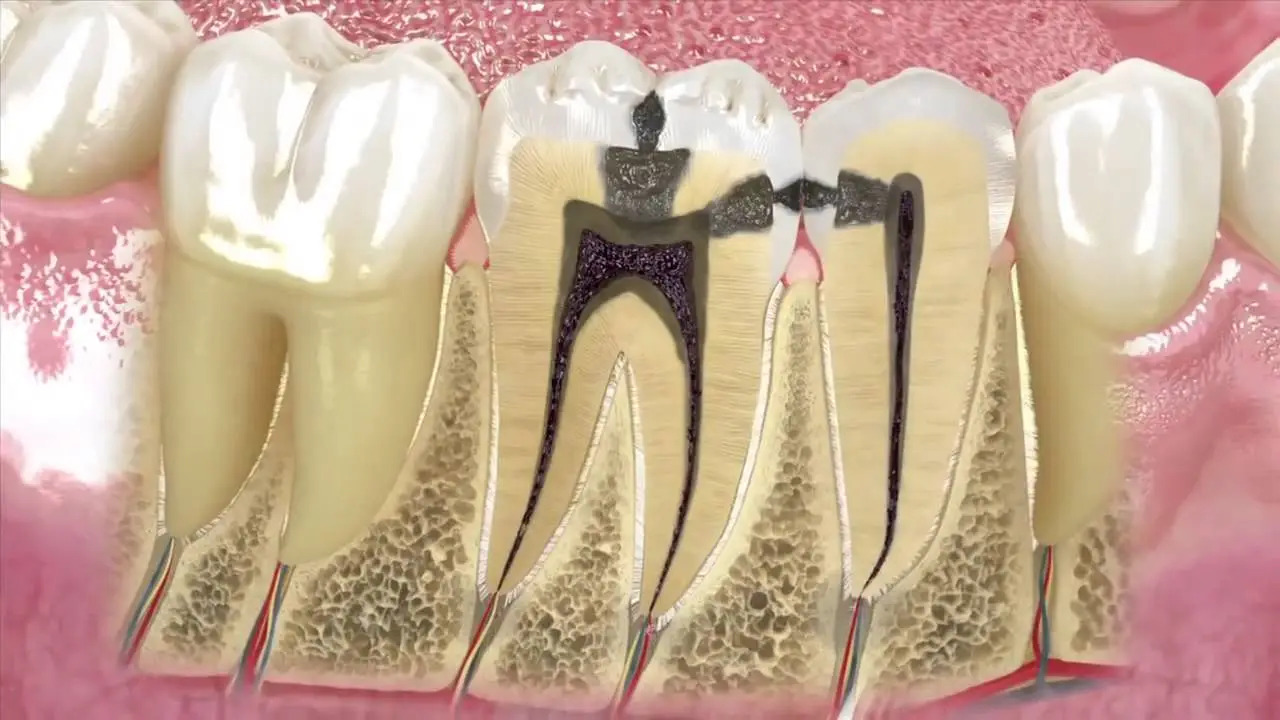
Pregnancy triggers systemic hormonal shifts, altered circulatory dynamics, and changes in oral biochemistry. Elevated estrogen and progesterone increase gingival vascular permeability, leaving soft tissues swollen, hyper-reactive, and prone to inflammation, while morning sickness and dietary shifts accelerate enamel demineralization. Expectant mothers experiencing toothaches frequently ask: is dental treatment during pregnancy safe and can you get dental treatment during pregnancy?
Myths such as "Dental interventions harm the developing fetus" or "The fetus leaches calcium directly from maternal teeth" often lead patients to postpone essential care, allowing localized infections to progress into systemic abscesses or elevate preterm delivery risks. Modern clinical protocols and multidisciplinary obstetric collaboration ensure that dental treatment during pregnancy is safe and effective. In this guide compiled by Livera Dental Clinic specialists, we examine when to get dental treatment during pregnancy, how is dental treatment during pregnancy done, diagnostic safety, and insights from dental treatment during pregnancy experiences.
Is Dental Treatment During Pregnancy Safe? Can You Get Dental Treatment During Pregnancy?
The clinical consensus regarding whether is dental treatment during pregnancy safe and can you get dental treatment during pregnancy is definitive: Yes, dental treatment is safe and medically indicated to eliminate active oral infections.
Untreated intraoral infections, apical abscesses, and advanced periodontitis release inflammatory cytokines and prostaglandins into maternal circulation. These biochemical mediators can stimulate uterine contractions, elevating the risks of preterm labor and low birth weight infants. Controlled dental treatment preserves maternal-fetal well-being by removing active bacterial reservoirs.
When to Get Dental Treatment During Pregnancy? (Best Time by Trimesters)
Determining when to get dental treatment during pregnancy and the best time for dental treatment during pregnancy depends on the gestational window:
First Trimester (Weeks 1 - 13): Organogenesis
Clinical Status: Crucial phase of fetal organ development.
Protocol: Elective treatments are postponed. If acute pain, trauma, or spreading abscesses occur, emergency palliative interventions and emergency endodontic access are safely performed with obstetric clearance.
Second Trimester (Weeks 14 - 27): Optimal Window
Clinical Status: Organogenesis is complete, and maternal comfort is high.
Protocol: The safest and most ideal perıod for dental ınterventıons. Composite fillings, root canal therapy, professional scaling, and essential extractions are routinely performed.
Third Trimester (Weeks 28 - 40): Preparation for Delivery
Clinical Status: Fetal growth makes prolonged supine positioning challenging due to potential inferior vena cava compression.
Protocol: Limited to emergency pain stabilization. Comprehensive elective and prosthetic rehabilitations are deferred post-partum.
How Is Dental Treatment During Pregnancy Done?
The workflow explaining how is dental treatment during pregnancy done includes:
Obstetric Clearance: Medical collaboration with the patient's obstetrician ensures alignment on gestational health status.
Safe Local Anesthesia: Category B local anesthetics (such as Lidocaine with calibrated epinephrine) that do not cross the placental barrier in harmful concentrations are utilized. This eliminates pain and prevents maternal stress surges.
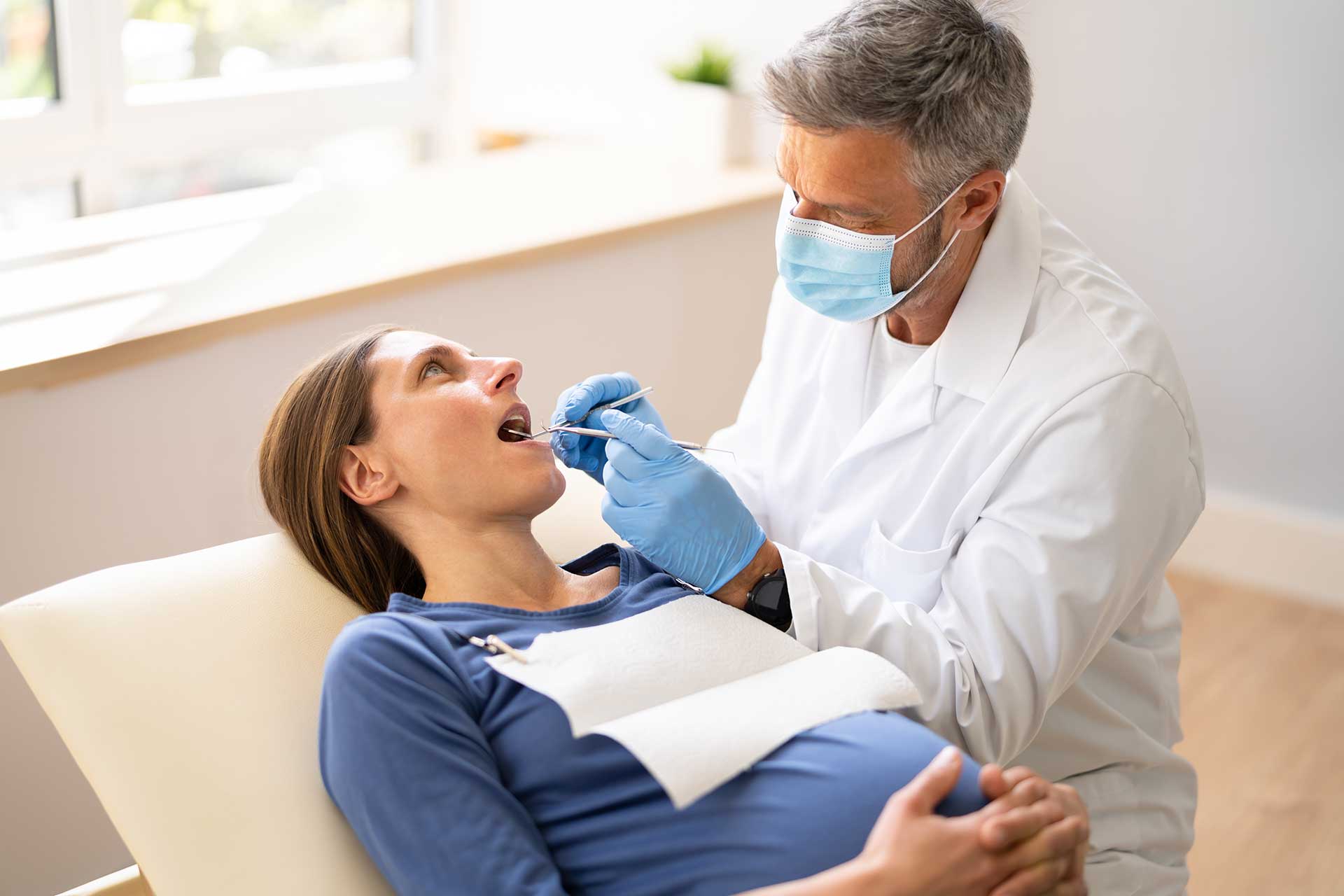
Ergonomic Patient Positioning: To avoid hypotensive syndrome from vena cava compression, patients are positioned semi-reclined with a slight left lateral tilt.
Minimally Invasive Interventions: Treatment appointments are kept concise to optimize comfort.
Diagnostic Radiographs and Pharmacotherapy Safety
Dental Radiographs: Routine screening X-rays are deferred. When diagnosing acute apical pathologies, digital periapical radiographs are captured safely using a double-layered lead apron and thyroid shield, minimizing radiation exposure to near zero.
Analgesics and Antibiotics: When indicated, Acetaminophen (Paracetamol) and Category B antibiotics (Penicillins, Amoxicillin, Cephalosporins) are safely prescribed in consultation with the obstetrician. NSAIDs (ibuprofen, aspirin) and tetracyclines are contraindicated.
Key Takeaways from Dental Treatment During Pregnancy Experiences
Patients reflecting on dental treatment during pregnancy experiences should maintain these post-treatment practices:
Never take unprescribed over-the-counter medications.
Manage sensitive gums with ultra-soft toothbrushes and non-alcoholic saline rinses.
Do not brush immediately after vomiting; rinse thoroughly with water or a bicarbonate solution and wait 30 minutes before brushing.
Trimester-Based Dental Safety Matrix
Gestational Stage | Biological Focus | Permissible Procedures | Clinical Safety Level |
1st Trimester (Weeks 1 - 13) | Fetal Organogenesis | Emergency pain and abscess control | Safe for Emergencies |
2nd Trimester (Weeks 14 - 27) | Optimal Stability | Fillings, Root Canals, Extractions, Scaling | OPTIMAL & SAFEST |
3rd Trimester (Weeks 28 - 40) | Advanced Gestation | Emergency stabilization only | Safe for Emergencies |
Frequently Asked Questions (FAQ)
Does a tooth extraction during pregnancy harm the baby?
No, when performed with obstetric clearance and appropriate Category B local anesthetics, tooth extraction does not harm the fetus. Leaving an infected, unrestorable tooth in the oral cavity poses a far greater risk by allowing bacteremia to enter maternal circulation and elevating stress. The second trimester is the preferred window for necessary extractions.
Does the baby absorb calcium from the mother's teeth?
No, this is an unscientific myth. The developing fetus acquires required calcium from maternal dietary intake and skeletal bone reserves; calcium stored within adult crystalline enamel cannot be biologically mobilized. Tooth decay during pregnancy stems from altered salivary pH, morning sickness erosion, dietary changes, and neglected oral hygiene.
Is dental scaling (cleaning) safe during pregnancy?
Yes, professional dental scaling is safe and recommended to prevent and manage pregnancy gingivitis. Removing calcified plaque and calculus reduces soft tissue bleeding and systemic inflammatory load throughout gestation.