Contentsexpand_more
- What Causes Toothache in Cancer Patients and How Should It Be Managed?
- Can a Cancer Patient Have a Tooth Extracted?
- Can Cancer Patients Get Fillings Placed Safely?
- Can Cancer Patients Get Teeth Made?
- How Long After Chemotherapy and Radiation Can Dental Treatment Be Done?
- The Premier Preventative Strategy: Pre-Oncology Oral Stabilization
- Frequently Asked Questions (FAQ)
- Should I continue brushing my teeth while actively undergoing cancer treatment?
- Do chemotherapeutic medications directly cause teeth to fall out?
- How is an emergency dental abscess managed during active cancer treatment?
Receiving a cancer diagnosis and subsequently initiating targeted oncology protocols represents an exceptionally complex biological period that impacts every major metabolic system of the human body. While therapies like chemotherapy and radiation are clinically engineered to eradicate malignant tumor cells, they inevitably introduce temporary or permanent toxic secondary complications to healthy, fast-dividing mucosal structures, particularly within the oral cavity.
The oral cavity functions as a permanent biomechanical ecosystem hosting billions of microscopic bacteria. When an individual’s immune system is severely compromised (immunosuppressed) during active cancer treatment, a seemingly minor tooth cavity or mild gingival infection can transform into a catastrophic source of systemic infection. Consequently, formatting dental treatment for cancer patients mandates a total departure from traditional clinical routines, enforcing strict oncological safety protocols and inter-disciplinary synchronization. This manual addresses crucial concerns faced by patients and medical guardians utilizing contemporary clinical parameters.
What Causes Toothache in Cancer Patients and How Should It Be Managed?
One of the most physically draining and comfort-reducing complications reported by individuals undergoing oncological care is acute toothache in cancer phases. This uncomfortable sensation is not always triggered by standard decay. Chemotherapeutic agents frequently induce structural salivary gland dysfunction, leading to advanced dry mouth (xerostomia). Because natural saliva serves as the primary intraoral defense mechanism that continuously rinses the oral cavity and dilutes bacterial acids, its loss triggers rampant, highly aggressive decay tracking that rapidly progresses and causes severe pain.
Furthermore, receiving radiation to the head and neck directly damages the micro-vascular architecture supplying the jawbone, causing deep intraosseous ischemic bone pain. Severe oral mucositis is also routinely misdiagnosed by patients as a true toothache. When any facial or dental sensitivity develops, taking self-prescribed, random analgesics is strictly prohibited; the presentation must be reported immediately to both the supervising oncologist and a specialized dentist.
Can a Cancer Patient Have a Tooth Extracted?
A critical concern raised during inter-disciplinary triage is whether can a cancer patient have a tooth extracted safely. The short dental protocol is highly conditional, relying entirely on the patient's active oncological phase:
Extractions During Active Chemotherapy: Attempting a chemotherapy tooth extraction during active medication cycles is highly dangerous and contraindicated except in extreme emergency scenarios. Chemotherapy suppresses bone marrow activity, dropping leukocytes (white blood cells) and thrombocytes (platelets) to critical lows. Executing an extraction during this window poses a severe risk of uncontrollable clinical hemorrhage and fatal systemic blood infections due to the lack of immunity.
Extractions During Active Radiation: Executing surgical extractions while a patient is actively receiving, or has recently finished, head and neck radiation poses a severe risk for osteoradionecrosis (the total death and sloughing of irradiated bone due to lost blood supply), which is one of the most feared scenarios in modern jaw surgery. The compromised bone loses its regenerative capacity, transforming the socket into a permanent, non-healing necrotic bone wound.
If surgical intervention becomes unavoidable, it can only be performed within precise "safe windows" when the patient's blood counts recover to their safest baselines, backed by explicit written clearance from the oncologist and utilizing specialized surgical techniques.
Can Cancer Patients Get Fillings Placed Safely?
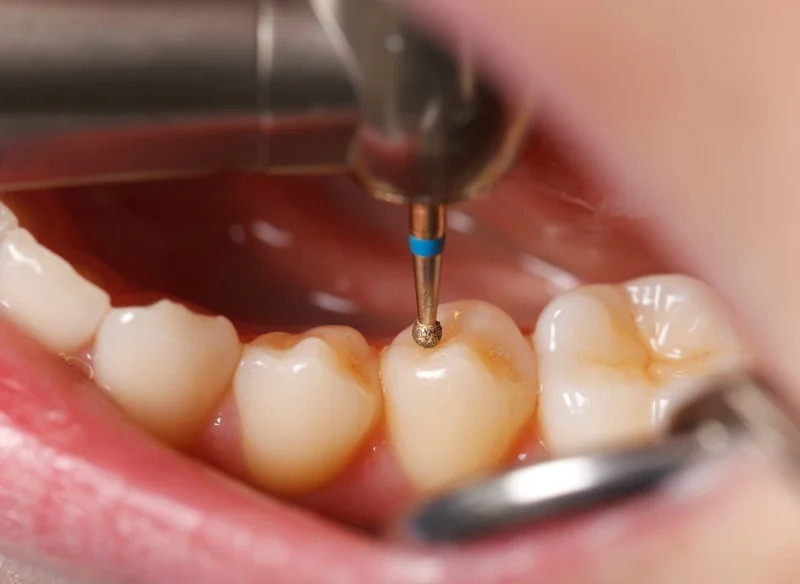
Non-invasive procedures that present zero risk of clinical hemorrhage or bone exposure can be integrated with more flexibility. So, can cancer patients get fillings during their journey?
Yes, provided the patient's immediate medical profile is verified stable, removing active superficial decay and placing composite restorations is highly recommended to block the formation of deep abscesses. However, precision timing remains mandatory. A filling must never be scheduled during the phase where chemotherapy medications are active in the body and blood counts drop to their lowest levels. The ideal timeframe sits comfortably between chemo cycles, specifically when the bone marrow partially recovers and immune counts elevate back to safe parameters.
Can Cancer Patients Get Teeth Made?
Reconstruction of missing teeth optimizes nutritional intake, which physically solidifies a patient's immune resistance against malignancy. So, can cancer patients get teeth made during active care?
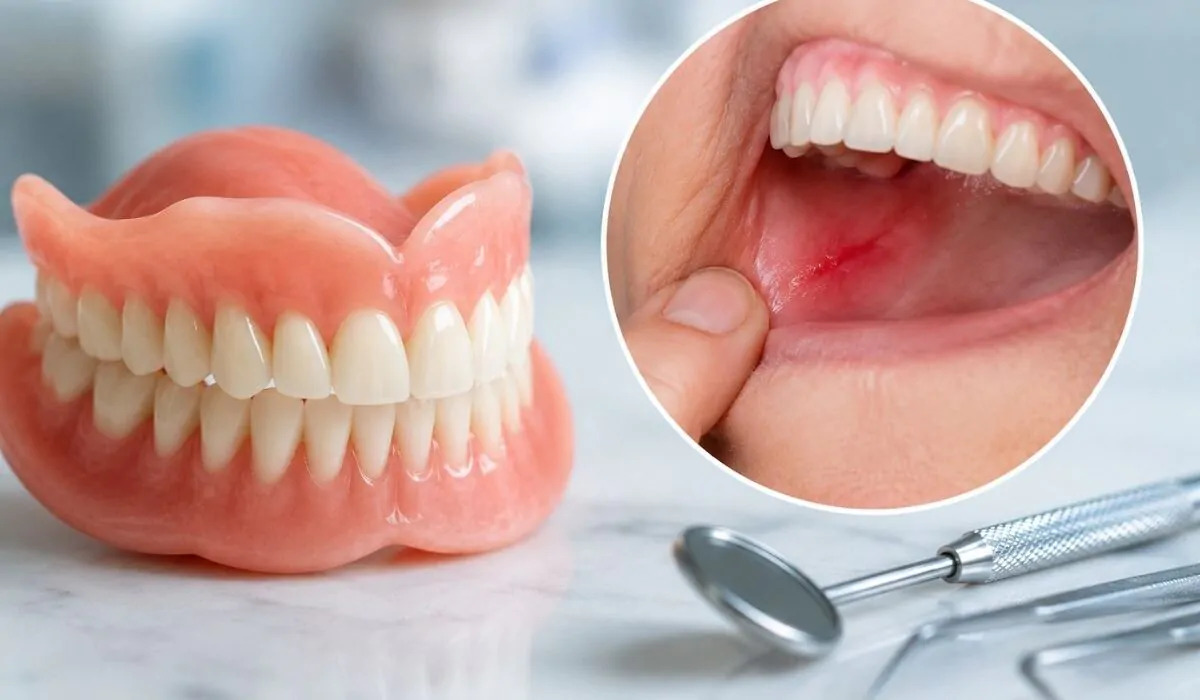
This relies entirely on the structural nature of the prosthesis. Non-invasive prosthetic setups, including removable dentures or fixed ceramic crowns/bridges that do not mandate bone surgery, can be safely executed—provided the oral tissues are clear of active mucositis ulcers.
Healtcare rules become absolute when addressing dental implants. Active chemotherapy or head and neck radiation protocols serve as absolute contraindications for implant surgery. Furthermore, if a patient is receiving systemic intravenous bisphosphonates or targeted "smart medications" for bone density maintenance or metastatic bone management, dental implant placement is strictly prohibited due to high risks of developing Medication-Related Osteonecrosis of the Jaw (MRONJ).
How Long After Chemotherapy and Radiation Can Dental Treatment Be Done?
Following the successful completion of an oncology protocol, human tissue matrices require a designated biological window to reverse systemic toxicity. Patients frequently query: how long after chemotherapy and radiation can dental treatment be done safely?
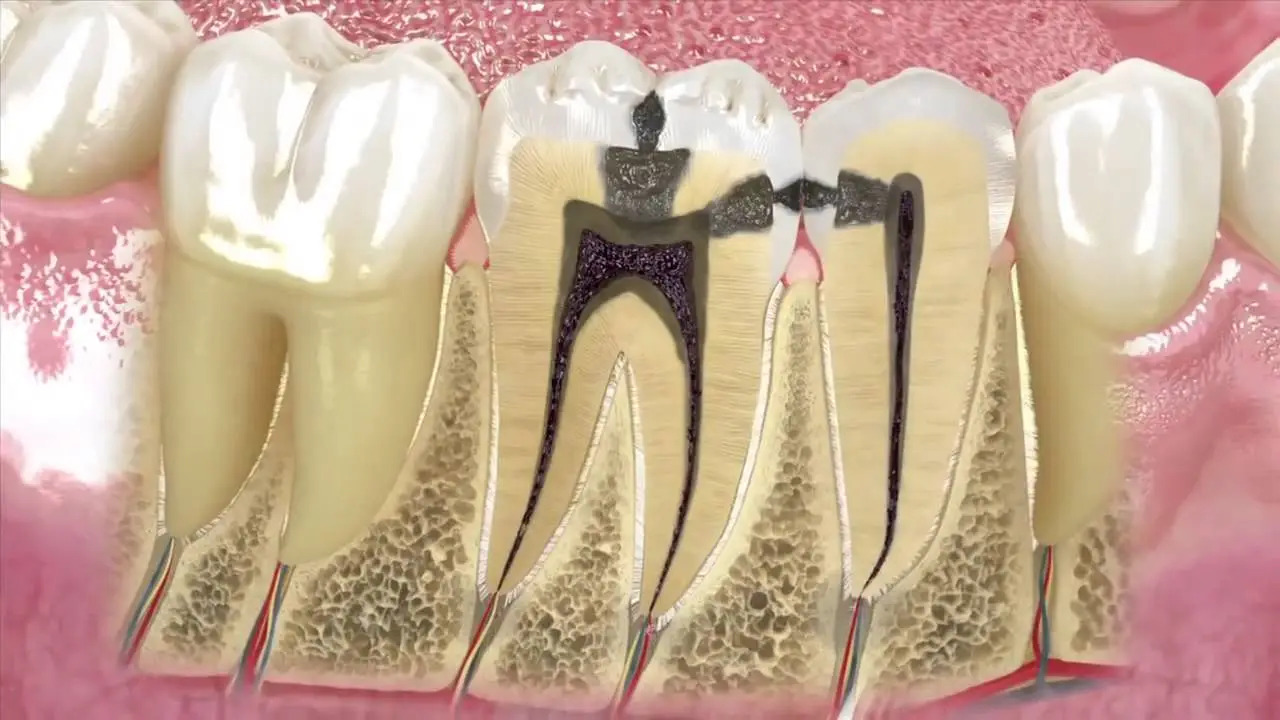
Post-Chemotherapy Timeline: Once the final chemotherapeutic cycle is completed, patients must wait at least 3 months before undergoing standard comprehensive dental procedures. This window allows the bone marrow to resume healthy hematopoiesis (blood cell production) and restores the immune system to normal. Following a clean Complete Blood Count (CBC) confirming normal leukocyte and platelet ranges, standard dental treatment after chemotherapy (including root canals, restorations, and safe extractions) can proceed normally.
Post-Radiation Timeline: Because high-dose radiation permanently alters bone vascularity, the risk of osteoradionecrosis persists for years. For any invasive bone surgeries within the direct field of radiation, patients must wait at least 6 to 12 months, with an ideal clinical window of 2 years post-therapy. Proactive hyperbaric oxygen therapy may be indicated prior to any surgical bone entry.
The Premier Preventative Strategy: Pre-Oncology Oral Stabilization
For patients undergoing oncological treatment, the most important thing is to complete all dental treatments in the 2-3 weeks prior to the start of cancer treatment. All cavities that could potentially lead to abscesses during the oncology process should be filled, unsalvageable teeth should be extracted, and the mouth should be completely sterilized with professional teeth cleaning. This helps prevent emergencies that might arise during treatment.
Frequently Asked Questions (FAQ)
Should I continue brushing my teeth while actively undergoing cancer treatment?
Yes, continuous plaque removal is vital. However, to prevent traumatizing sensitive, thin gingival tissues due to low immunity, you must utilize an "Ultra Soft" surgical toothbrush. Traditional commercial mouthwashes containing alcohol must be abandoned due to their drying properties; instead, utilize mild, custom medical rinses based on sodium bicarbonate (baking soda) solutions prescribed by your provider.
Do chemotherapeutic medications directly cause teeth to fall out?
No, chemotherapy agents do not directly target or dissolve tooth roots to induce shedding. However, by inducing extreme salivary depletion, they spark rapid-onset xerostomia-related decay and advance underlying periodontal conditions. If home hygiene is neglected during this phase, widespread tooth loss can occur as an indirect complication.
How is an emergency dental abscess managed during active cancer treatment?
If a patient is undergoing active chemotherapy and develops a severe abscess/pain, the dentist can never decide to perform an extraction on their own. The oncologist will be consulted, and the patient will be given prophylactic antibiotics and supplements to increase platelet count, while minimally invasive procedures to relieve only the pain will be performed.