Contentsexpand_more
- What Causes a Loose Tooth?
- Can a Loose Tooth Tighten Up Again? Does It Go Back to Normal?
- Can a Loose Tooth Be Saved?
- Should a Loose Tooth Be Pulled? How Is It Extracted?
- What Happens If a Loose Tooth Is Not Pulled?
- How to Relieve Loose Tooth Pain at Home
- Tooth Mobility Grading and Treatment Matrix
- Frequently Asked Questions (FAQ)
- Does periodontal fiber splinting to stabilize a loose tooth hurt?
- Can a tooth loosened by severe gum recession tighten back up naturally?
- Can a dental implant be placed immediately after a loose tooth is pulled?
Discovering that a permanent tooth has become mobile during adulthood triggers severe anxiety for patients. While the loosening and shedding of primary teeth during childhood represents a natural developmental milestone, mobility in adult permanent teeth is an absolute pathological signal requiring urgent periodontic evaluation. Patients immediately fear complete tooth loss, asking: "Will my tooth fall out?" or "Is extraction mandatory?" Fortunately, under modern periodontics and regenerative surgical advances, a loose tooth diagnosed in its early to moderate stages can frequently be saved with high success rates.
Condemning a mobile tooth to immediate extraction is an obsolete approach. Depending on the remaining alveolar bone volume and periodontal ligament attachment, specialized stabilization protocols (periodontal splinting), deep subgingival debridement, and bone grafting can preserve natural teeth, allowing them to function comfortably for years. In this comprehensive evidence-based manual compiled by the Livera Dental Clinic periodontics team, we evaluate can a loose tooth be saved, can a loose tooth tighten up again, how to stabilize a loose tooth, what happens if a loose tooth is not pulled, and critical home care guidelines.
What Causes a Loose Tooth?
During diagnostic evaluations, understanding why supporting structures fail is vital. The primary clinical mechanisms causing tooth mobility include:
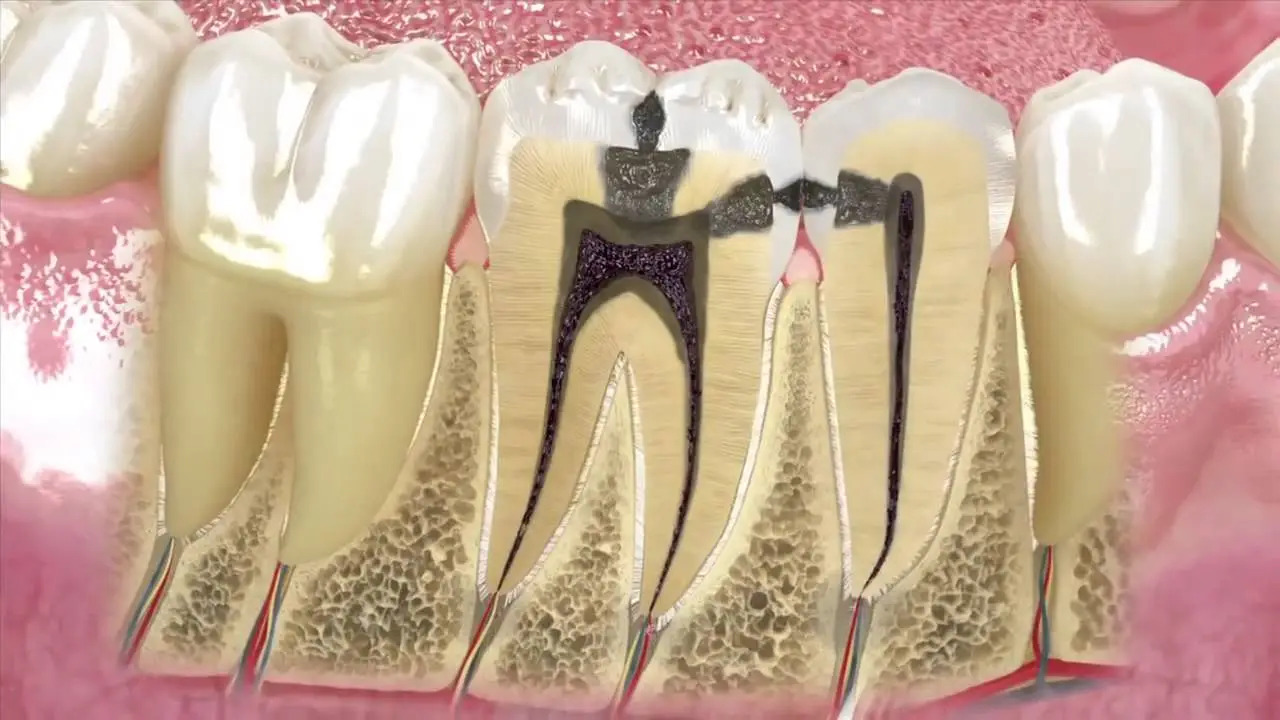
Advanced Periodontal Disease (Periodontitis): The leading cause of adult tooth mobility. Uncleared bacterial plaque calcifies into subgingival calculus, triggering a chronic inflammatory response that resorbs the supporting alveolar bone. As bone support dissolves, the tooth loses its structural anchor and becomes mobile.
Dental Trauma and Injury: Accidents, physical blows, falls, or biting down incautiously on hard objects stretch or sever the periodontal ligament fibers that anchor the root to the bone.
Bruxism and Occlusal Trauma: Chronic, unmanaged nocturnal teeth grinding exerts excessive, non-axial forces on the teeth, causing micro-trauma to the periodontal ligament and localized alveolar bone resorption.
Hormonal Fluctuations: Elevated systemic estrogen and progesterone levels during pregnancy can temporarily increase the elasticity of periodontal ligament fibers.
Periapical Abscesses and Endodontic Infections: Deep, untreated pulpal infections extending through the root apex cause localized bone destruction, resulting in acute tooth mobility.
Can a Loose Tooth Tighten Up Again? Does It Go Back to Normal?
A common question asked by patients is can a loose tooth tighten up again or does a loose tooth go back to normal without intervention.
Trauma-Induced Mobility: If tooth mobility is caused by a sudden, minor impact without root fractures or severe bone loss, the stretched periodontal ligament fibers can heal. If the tooth is dis-occluded (relieved from biting pressure) and stabilized using a splint, it can tighten up again and go back to normal.
Periodontitis-Induced Mobility: If loosening stems from chronic alveolar bone loss, the tooth WILL NOT tighten up on its own. However, professional periodontic intervention can halt further bone loss, and stabilization techniques can preserve the tooth indefinitely.
Can a Loose Tooth Be Saved?
From a clinical standpoint: Yes, a loose tooth can frequently be saved if treated promptly. What does loose tooth treatment involve, and how to stabilize a loose tooth?
Periodontal Splinting (Fiber Splinting): The most reliable method to stabilize a mobile tooth. The mobile tooth is joined to adjacent, stable teeth using high-tensile quartz or polyethylene fiber ribbons bonded with flowable composite resin along the lingual surfaces. This distributes occlusal forces across multiple teeth, allowing the loose tooth to stabilize.
Subgingival Debridement (Scaling and Root Planing): Performed under local anesthesia, deep calculus deposits and necrotic cementum within deep periodontal pockets are meticulously removed. As the infection clears, the gingival attachment tightens around the root.
Regenerative Surgery (Bone Grafting and Membranes): In areas of localized angular bone defects, surgical placement of bone grafts and barrier membranes stimulates the regeneration of lost alveolar bone support.
Occlusal Adjustment: Relieving excessive biting contacts (fremitus) reduces traumatic forces, allowing periodontal tissues to heal.
Should a Loose Tooth Be Pulled? How Is It Extracted?
Patients often wonder should a loose tooth be pulled and how to pull a loose tooth safely.
When Extraction Is Unavoidable: If over 80–90% of the supporting alveolar bone is lost, and the tooth exhibits severe vertical displacement (Grade 3 mobility) or presents with an untreatable chronic purulent infection, the tooth cannot be saved and must be extracted.
Clinical Extraction Protocol: Extracting a Grade 3 loose tooth in a clinical setting is rapid and painless under local anesthesia. Because bone support is compromised, the tooth is gently dislodged using specialized dental elevators or forceps with minimal trauma.
NEVER Attempt Home Extraction! Attempting to pull a loose tooth at home using strings or fingers can fracture underlying bone plates, tear soft tissue, cause uncontrollable hemorrhage, or leave broken root tips behind. Extractions must be performed under sterile clinical conditions.
What Happens If a Loose Tooth Is Not Pulled?
Ignoring a severely loose tooth hoping it will resolve on its own is biologically dangerous. What happens if a loose tooth is not pulled?
Destruction of Adjacent Healthy Teeth: The localized purulent infection and bone resorption surrounding a loose tooth spread to adjacent healthy teeth, endangering multiple teeth.
Loss of Future Implant Viability: Allowing a loose tooth to remain chronically infected destroys the remaining alveolar ridge. Complete loss of bone volume makes future dental implant placement impossible without extensive, costly bone augmentation.
Systemic Inflammatory Load: A chronically infected, loose tooth acts as a reservoir for pathogenic bacteria entering the bloodstream, elevating systemic inflammatory risks for cardiovascular disease and diabetes.
How to Relieve Loose Tooth Pain at Home
While awaiting your emergency dental visit, follow these protocols for how to relieve loose tooth pain:
Warm Saline Rinses: Dissolve half a teaspoon of salt in a glass of warm water. Gently pooling saline around the area reduces localized gingival edema and controls bacterial loads.
External Cold Compress: Apply an ice pack wrapped in a cloth to the cheek for 10-minute intervals to dull acute pain and inflammation.
Avoid Mastication on the Mobile Tooth: Do not bite down or chew food using the loose tooth; chew exclusively on the opposite side.
What to Avoid: Never wiggle, push, or test the mobile tooth with your tongue or fingers, as mechanical manipulation exacerbates periodontal ligament tearing and bone loss.
Tooth Mobility Grading and Treatment Matrix
Mobility Grade | Clinical Presentation | Salvage Probability | Primary Clinical Protocol |
Grade 1 Mobility | Slight horizontal movement (less than 1 mm) | 95% (Excellent) | Scaling and Root Planing (SRP) + Occlusal Adjustment. |
Grade 2 Mobility | Moderate horizontal movement (exceeding 1 mm) | 70–80% (High) | Periodontal Fiber Splinting + SRP + Bone Grafting. |
Grade 3 Mobility | Severe horizontal and vertical (depressible) movement | 10–20% (Poor) | Extraction + Socket Debridement + Implant Planning. |
Frequently Asked Questions (FAQ)
Does periodontal fiber splinting to stabilize a loose tooth hurt?
No, periodontal splinting is an entirely pain-free procedure. The process does not require drilling into natural tooth structure or invasive surgical cutting. After cleaning the lingual surfaces of the mobile and adjacent anchor teeth, high-tensile fiber ribbon is bonded using gentle composite resin techniques.
Can a tooth loosened by severe gum recession tighten back up naturally?
A tooth loosened by severe periodontitis and bone loss will not tighten up completely on its own. While clearing subgingival infection reduces inflammatory edema and causes the gums to hug the root more firmly, lost alveolar bone does not regenerate spontaneously. Re-establishing full functional stability requires professional periodontal treatment and fiber splinting.
Can a dental implant be placed immediately after a loose tooth is pulled?
If the alveolar socket retains adequate bone height and width without active purulent infection upon extracting the loose tooth, an Immediate Dental Implant can be placed during the same visit. However, if severe, widespread bone destruction or acute suppuration is present, the socket is thoroughly debrided, and a healing period of 6 to 8 weeks is observed before implant placement.