Contentsexpand_more
- Can You Get a Toothache During Pregnancy?
- What Causes Toothache During Pregnancy?
- Does Toothache During Pregnancy Harm the Baby?
- What to Do for Toothache During Pregnancy: Relief and Treatment
- 1. Safe At-Home Comfort Measures
- 2. Clinical Intervention Timeline Across Trimesters
- Safe Medication for Toothache During Pregnancy
- Antibiotics for Toothache During Pregnancy
- When Does Toothache During Pregnancy Go Away?
- Safety of Local Anesthesia and Dental X-Rays During Pregnancy
- Frequently Asked Questions (FAQ)
- Is tooth extraction safe during pregnancy? Is it dangerous for the baby?
- Does the baby leach calcium directly from the mother's teeth? Is that why teeth decay?
- Is it safe to chew cloves or use clove oil for a toothache during pregnancy?
Pregnancy represents one of the most miraculous and dynamic physiological transformations in a woman's life. However, rapid systemic hormonal shifts, altered nutritional behaviors, and morning sickness can dramatically disrupt the intraoral ecosystem, giving rise to sudden, severe dental discomfort. Experiencing a toothache during pregnancy places physical and emotional burdens on the expectant mother while raising profound questions regarding fetal safety: "Will this pain harm my developing baby?", "Can I undergo clinical dental procedures safely?", and "Which medications are non-toxic to the fetus?"
Widespread myths such as "Dental treatment should never be performed during pregnancy" or "The fetus leaches calcium directly from the mother's teeth, causing unavoidable decay" frequently prompt mothers to endure intense pain, allowing localized dental infections to spread systemically. Fortunately, contemporary restorative dentistry and obstetrics protocols offer completely safe, highly effective clinical solutions across all trimesters.
Can You Get a Toothache During Pregnancy?
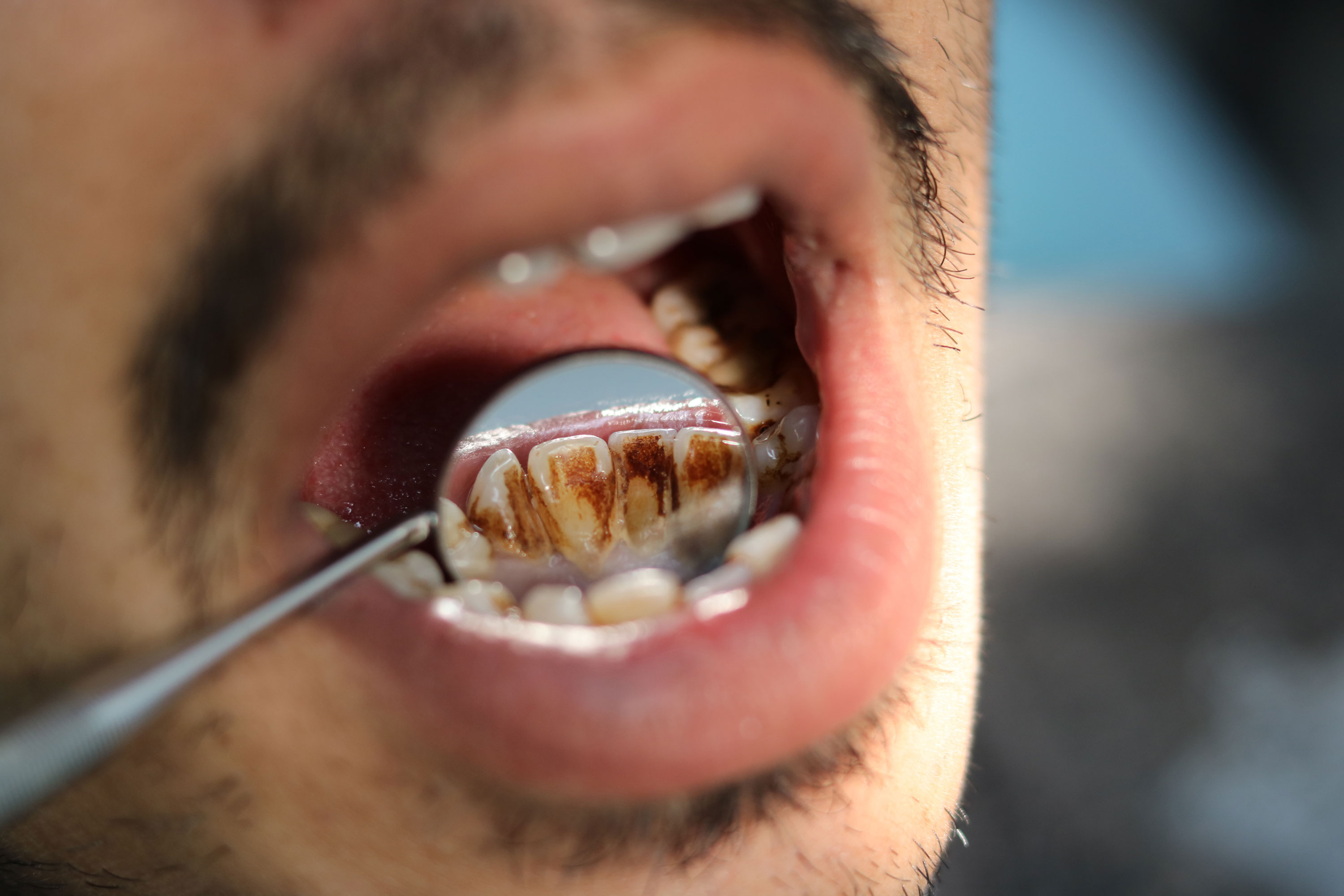
A foundational query asked by expectant mothers is can you get a toothache during pregnancy. The medical response is definitive: Yes, toothaches and acute periodontal inflammation are exceptionally common throughout pregnancy.
Surging levels of estrogen and progesterone increase vascular permeability and blood flow within the gingival tissues. This biological shift leaves the gums hyper-reactive, swollen, erythematous, and prone to bleeding upon minimal contact. Consequently, pre-existing minor enamel defects, early interproximal decay, or mild gingival inflammation can rapidly escalate into severe, acute pain under the influence of gestational hormones.
What Causes Toothache During Pregnancy?
When patients ask what causes toothache during pregnancy, our clinical evaluations identify the following core biological triggers:
Pregnancy Gingivitis: Driven by elevated systemic hormones from the second month of gestation onward, this condition manifests as severe gingival edema, erythema, and bleeding. If left unmanaged, it can progress into localized benign overgrowths known as "pregnancy tumors" (pyogenic granulomas).
Gastric Acid Erosion from Morning Sickness: Frequent vomiting during the first trimester introduces concentrated stomach acid into the oral cavity. This acid rapidly demineralizes and thins the enamel matrix (erosion), exposing sensitive dentinal tubules and triggering thermal shock.
Reduced Salivary pH and Buffering Capacity: Gestational shifts alter salivary flow rates and lower the natural buffering capacity of saliva. As the oral environment becomes increasingly acidic, cariogenic bacteria multiply rapidly.
Altered Dietary Patterns: Frequent snacking on carbohydrates, acidic fruits, or sugary cravings during gestation provides a continuous substrate for plaque bacteria, accelerating decay if oral hygiene is missed.
Neglected Oral Hygiene Due to Gag Reflexes: Severe morning nausea often makes toothbrushing difficult, prompting expectant mothers to skip daily hygiene, leading to rapid plaque accumulation and pain.
Does Toothache During Pregnancy Harm the Baby?
The primary concern for every expectant mother is does toothache during pregnancy harm the baby.
Maternal Stress Signals: Severe, unmanaged dental pain triggers elevated systemic releases of maternal cortisol and adrenaline. These stress hormones cross biological barriers and can negatively impact fetal development and maternal well-being.
Untreated Infection Risks (The Real Threat): The primary danger to the fetus is not the sensation of pain itself, but the active bacterial infection causing it. Untreated periodontal abscesses or advanced pulpal infections release biochemical inflammatory mediators (prostaglandins and inflammatory cytokines) into the maternal bloodstream. These systemic signals can stimulate premature uterine contractions, significantly elevating the risk of preterm labor and low birth weight (LBW) infants.
Clinical Reality: Timely, controlled dental treatment performed under proper obstetric guidelines poses no risk to the baby; conversely, an untreated oral infection directly threatens maternal-fetal health.
What to Do for Toothache During Pregnancy: Relief and Treatment
Answering how to relieve toothache during pregnancy and what to do for toothache during pregnancy involves a combination of safe home comfort measures and targeted clinical treatments.
1. Safe At-Home Comfort Measures
While awaiting your clinical evaluation, utilize these evidence-based home remedies for toothache during pregnancy:
Warm Saline and Bicarbonate Rinses: Dissolving half a teaspoon of salt or baking soda in a glass of warm water provides an effective rinse. Saline draws out localized gingival fluid tension, while baking soda neutralizes residual stomach acid following morning sickness.
Post-Vomiting Protocol: Never brush your teeth immediately after vomiting! Gastric acid temporarily softens the enamel, and immediate brushing scrubs away the mineral layer. Rinse thoroughly with plain water or a baking soda solution, and wait at least 30 minutes before brushing.
Ultra-Soft Bristled Brushing: Transition to an ultra-soft toothbrush to clean sensitive, inflamed gums without inducing physical trauma.
Dangerous Practices to Avoid: Applying aspirin directly to the tooth, or using alcohol, cologne, or harsh chemical packs burns the delicate oral mucosa and exacerbates tissue damage.
2. Clinical Intervention Timeline Across Trimesters
Timing dental interventions according to gestational stages is essential for maternal-fetal safety:
Gestational Window (Trimester) | Clinical Status & Permissible Interventions |
First Trimester (Weeks 1 - 13) | The stage of fetal organogenesis. Elective procedures are deferred. Emergency interventions for severe pain, deep abscesses, or trauma are performed with obstetric clearance using palliative dressings or emergency endodontic access. |
Second Trimester (Weeks 14 - 27) | THE SAFEST PERIOD FOR DENTAL PROCEDURES. Fetal organogenesis is complete, and maternal comfort is optimal. Composite fillings, root canal therapy, professional scaling, and necessary extractions are safely performed during this window. |
Third Trimester (Weeks 28 - 40) | Late pregnancy makes lying supine in a dental chair uncomfortable due to inferior vena cava compression. Treatment is limited to emergency pain management to stabilize the patient until delivery. Definitive elective procedures are deferred post-partum. |
Safe Medication for Toothache During Pregnancy
When evaluating safe medication for toothache during pregnancy, the fundamental clinical rule is: Expectant mothers must NEVER self-medicate or take over-the-counter drugs without direct obstetric and dental authorization.
First-Line Analgesics: When pain relief is medically required, Category B analgesics (Paracetamol / Acetaminophen) are the preferred choice, when cleared by your obstetrician. Paracetamol provides safe, effective pain control when used at recommended therapeutic doses.
Contraindicated Pain Relievers (NSAIDs): Non-steroidal anti-inflammatory drugs such as ibuprofen, naproxen, aspirin, or diclofenac should be avoided during pregnancy. NSAID use during the third trimester can cause premature closure of the fetal ductus arteriosus and impair renal function.
Antibiotics for Toothache During Pregnancy
Managing dental infections requires strict protocols regarding antibiotics for toothache during pregnancy.
Antibiotics are not indicated for routine toothaches! They are prescribed only when there is systemic involvement, such as facial swelling (abscess), fever, lymphadenopathy, or spreading cellulitis.
Safe Antibiotic Classes: Category B antibiotics (such as Penicillins, Amoxicillin, or Cephalosporins)prescribed in consultation with your obstetrician, are safe during pregnancy and effectively eliminate dangerous bacterial infections.
Contraindicated Antibiotics: Tetracycline class antibiotics are strictly prohibited during pregnancy; they cross the placenta and cause permanent dark brown/grey discoloration of the developing fetal dentition and skeletal growth restriction.
When Does Toothache During Pregnancy Go Away?
Understanding when does toothache during pregnancy go away depends entirely on the underlying etiology:
If the pain stems from mild gingival inflammation or pregnancy gingivitis, it typically resolves within 3 to 5 days following professional clinical scaling and improved oral hygiene.
If the pain is caused by deep structural decay or pulpal inflammation (pulpitis), it WILL NEVER resolve on its own without direct physical intervention (a filling or root canal treatment) by a dentist. It will worsen throughout the pregnancy.
Safety of Local Anesthesia and Dental X-Rays During Pregnancy
Local Anesthetics: Local anesthetics utilized in modern dentistry (Category B agents such as Lidocaine with calibrated epinephrine ratios) are completely safe during pregnancy. They do not cross the placental barrier in harmful concentrations and eliminate maternal pain, preventing stress surges.
Diagnostic Dental Radiographs: Routine screening X-rays are postponed during pregnancy. However, if an emergency root canal or extraction is required, digital periapical X-rays are safely taken by placing a double-layered lead apron with a thyroid shield over the mother. The radiation exposure to the fetus is virtually zero and completely safe.
Frequently Asked Questions (FAQ)
Is tooth extraction safe during pregnancy? Is it dangerous for the baby?
Yes, tooth extractions can be safely performed during pregnancy when clinically necessary. If a tooth is unrestorable, severely fractured, or causing a spreading infection that threatens maternal health, an extraction is safely executed preferably during the second trimester (weeks 14–27) using Category B local anesthetics and obstetric clearance. Leaving an active, purulent infection in the mouth poses a far greater risk to the fetus than a controlled, pain-free extraction.
Does the baby leach calcium directly from the mother's teeth? Is that why teeth decay?
No, this is an outdated myth with zero scientific basis. The developing fetus draws the calcium required for skeletal growth from the mother's dietary intake and bone reserves; calcium stored within hardened adult tooth enamel cannot be biologically reabsorbed or leached. Teeth decay during pregnancy due to altered salivary pH, increased dietary sugars, acid erosion from morning sickness, and neglected oral hygiene.
Is it safe to chew cloves or use clove oil for a toothache during pregnancy?
Clove contains eugenol, a natural compound with mild topical anesthetic properties that can temporarily dull localized nerve pain. However, applying concentrated pure clove oil directly to inflamed gums can cause chemical burns on sensitive gestational mucosal tissues. Gently holding a whole dried clove near the affected tooth can provide temporary comfort; however, this is a provisional measure and does not replace professional dental diagnosis and treatment.