Contentsexpand_more
- What is Jaw Bone Melting?
- What Causes Jaw Bone Melting?
- 1. Delayed Reconstruction of Extraction Sites
- 2. Advanced Chronic Periodontitis (Gum Disease)
- 3. Long-Term Removable Full Dentures (Plates)
- 4. Chronic Periapical Pathologies and Jaw Cysts
- Common Symptoms of Jaw Bone Melting
- Does Jaw Bone Regenerate and What Strengthens It?
- Advanced Surgical Protocols: How is Jaw Bone Melting Treated?
- 1. Guided Bone Regeneration (GBR) via Bone Grafts
- 2. Sinus Floor Elevation (Sinus Lifting Surgery)
- 3. Autogenous Block Bone Grafting
- 4. Neuro-Conscious Lower Jaw Bone Melting Treatment
- 5. Strategic Jaw Bone Melting Implant Modalities (All-on-4 & Zygomatic)
- Frequently Asked Questions (FAQ)
- Can someone with extensive jaw bone melting still receive dental implants?
- Can orthodontic braces be utilized if jaw bone melting is present?
- What is the optimal timeline to place an implant post-extraction to block bone melting?
- Is jaw bone grafting surgery painful? What is the recovery timeline?
Within human anatomy, osseous tissues preserve their vitality, density, and volume strictly through the mechanical loads exerted upon them. The alveolar bone, which surrounds the teeth and roots to anchor them securely to the jaw base, is a highly specialized bone structure engineered solely to support dentition. When one or multiple teeth are lost, the surrounding bone no longer receives the natural masticatory pressures of chewing.
Consequently, the human body interprets this specific zone as nonfunctional, initiating an insidious destructive cascade clinically defined as alveolar ridge resorption, and commonly referred to as jaw bone melting or tooth jaw bone melting. Leaving extraction sites un-restored with dental implants causes a progressive collapse of the lower third of the face, leading to premature aging profiles and severe functional chewing limitations.
This extensive guide evaluates the structural causes, clinical symptoms, and advanced surgical interventions utilized in contemporary maxillofacial surgery.
What is Jaw Bone Melting?
Jaw bone melting, clinically classified as alveolar ridge resorption, is the progressive volumetric, vertical, and horizontal loss of the specialized bone matrix that surrounds and supports the roots of the teeth. Unlike long skeletal bones, the alveolar bone is a highly dynamic structure that relies entirely on the continuous physical stimuli of daily chewing to preserve its structural mass.
The moment a tooth is extracted, the localized bone framework stops receiving these functional mechanical loads. Consequently, the human body categorizes this specific zone as nonfunctional, prompting bone-resorbing cells (osteoclasts) to systematically dissolve the surrounding mineral density. This cellular degradation can also be chronically accelerated by untreated advanced gum disease (periodontitis) or the constant, artificial pressure generated by poorly adapted removable full dentures directly onto the residual ridge.
What Causes Jaw Bone Melting?
The progressive loss of jaw bone volume and bone mineral density can be triggered by a combination of localized intraoral pathologies and systemic metabolic conditions. Based on diagnostic screenings at our department, the leading factors behind what causes jaw bone melting include:
1. Delayed Reconstruction of Extraction Sites
The moment a tooth is removed, the structural stimulus to the surrounding bone matrix stops. Within the first year following an extraction, the localized bone structure loses approximately 40% to 60% of its initial volume. This continuous disuse atrophy rapidly advances, leading to extensive lower jaw bone melting clinical pictures in posterior molar areas.
2. Advanced Chronic Periodontitis (Gum Disease)
When bacterial plaque accumulation is left untreated, chronic gingival inflammation progresses into deep periodontal structures. Bacterial endotoxins trigger a massive immune response that activates osteoclasts (bone-destroying cells), directly driving tooth jaw bone melting and leading to mobility and tooth loss.
3. Long-Term Removable Full Dentures (Plates)
Traditional full dentures do not transfer functional masticatory forces into the deep bone architecture. Instead, they apply a constant, vertical sliding pressure directly onto the surface of the residual ridge. This continuous surface friction compresses the soft tissue and accelerates the rate of superficial jaw bone melting.
4. Chronic Periapical Pathologies and Jaw Cysts
Untreated deep root canal infections, chronic apical abscesses, and slow-growing odontogenic cysts dissolve the surrounding bone framework to create space for cystic expansion, leaving deep localized osseous deficits.
Common Symptoms of Jaw Bone Melting
Alveolar ridge resorption operates as a silent, non-painful pathology in its early and moderate phases. However, once the structural volume falls below a critical threshold, distinct jaw bone melting symptoms manifest clinically:
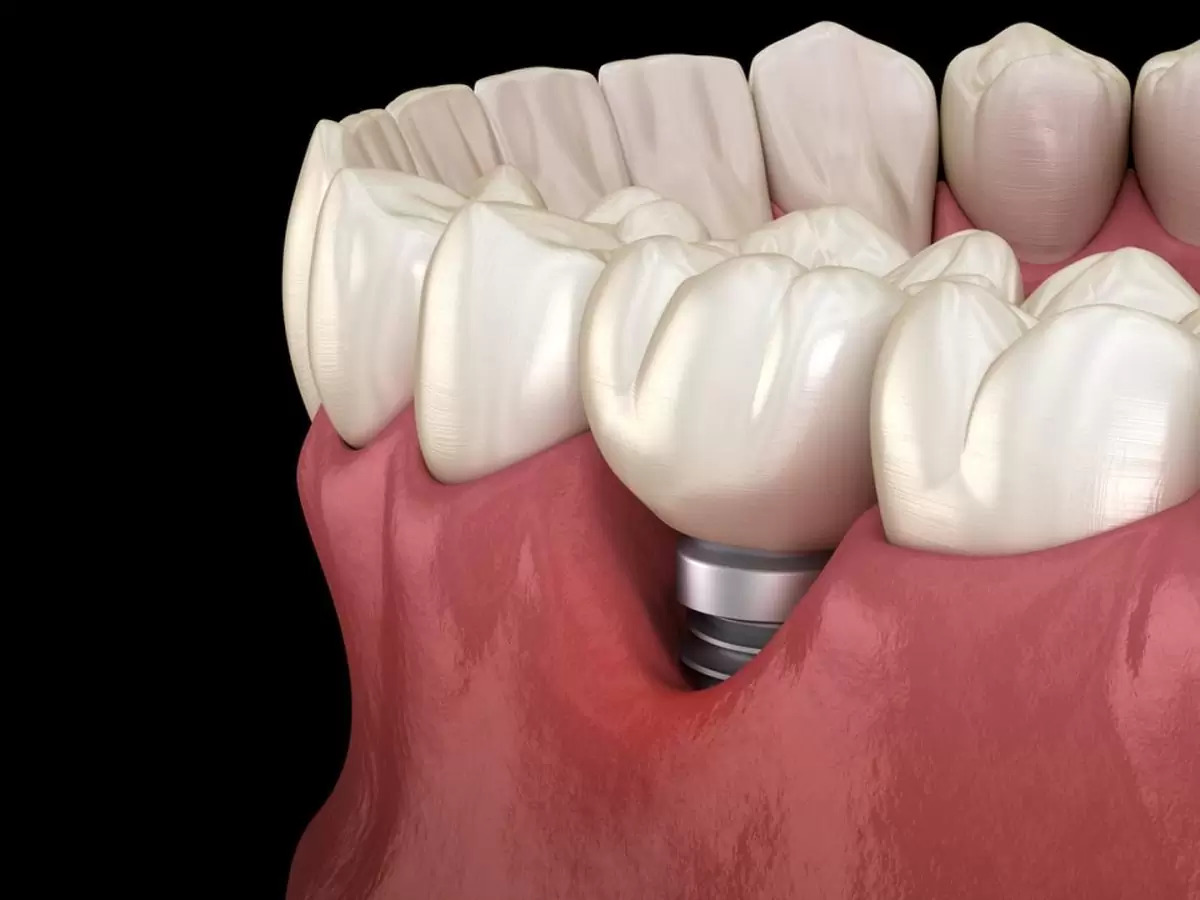
Severe Gingival Recession and Tooth Elongation: As the underlying bone matrix melts away, the overlying soft tissue margins recede, exposing the anatomical root surfaces and making the teeth appear elongated.
Pathological Mobility and Shifting: Deprived of osseous support, teeth exhibit progressive migration, fan-out angulations, and noticeable mobility under routine functional loads.
Instability of Removable Prosthetics: When long-term dentures that previously fit perfectly begin to loosen, cause painful ulcerations, or drop during speech, it is a direct indicator that the underlying supportive bone has dissolved.
Aesthetic Facial Collapse: In cases characterized by advanced jaw bone melting, the structural support for the lips and cheeks vanishes. The mouth profiles collapse inward, the chin moves closer to the nose, and the classic premature aging expression develops.
Does Jaw Bone Regenerate and What Strengthens It?
Patients frequently inquire during advanced implant consultations: Does jaw bone regenerate naturally?
Unlike long skeletal bones that can knit back together following a fracture, the specialized alveolar jaw bone, once destroyed by extractions or periodontitis, cannot biologically rebuild its vertical and horizontal dimensions on its own. It lacks self-regenerative capacity without clinical framework support.
So, what strengthens jaw bone structures effectively?
Biomechanical Activation (Implants): The absolute premier method to strengthen jaw bone is inserting titanium dental implants. The implant acts as a prosthetic root, transferring natural chewing loads into the bone matrix, which activates osteoblasts (bone-forming cells) to preserve bone mass.
Targeted Nutritional Therapy: Under clinical monitoring, supplementing with balanced combinations of Calcium, Magnesium, and Vitamin D3 optimizes systemic bone mineral density and solidifies the structural trabecular framework.
Surgical Biomaterials: Incorporating advanced bone grafts (bone powder) during surgery remains the only definitive way to physically strengthen and rebuild an eroded ridge.
Advanced Surgical Protocols: How is Jaw Bone Melting Treated?
Contemporary maxillofacial surgery ensures that patients presenting with severe bone deficits are no longer untreatable. Specialized options on how is jaw bone melting treated at Livera Dental Clinic involve several advanced jaw bone melting treatment modalities:
1. Guided Bone Regeneration (GBR) via Bone Grafts
Synthetic, xenogeneic, or autogenous bone particles (harvested from the patient's own body) are packed into the eroded defect zones. The site is then sealed with specialized protective barrier membranes to guide the body's natural cellular response into forming dense, healthy bone.
2. Sinus Floor Elevation (Sinus Lifting Surgery)
Following tooth loss in the posterior maxilla, the maxillary sinus cavities pneumatize, expanding downward and thinning the available bone height. Within comprehensive jaw bone melting treatment plans, sinus lifting surgery carefully elevates the delicate sinus membrane, packing the sub-sinus void with high-grade bone graft material to establish safe depths for implant anchorage.
3. Autogenous Block Bone Grafting
In severe presentations where the ridge width has narrowed to a few millimeters, block bone configurations are harvested from the patient's chin or ramus and stabilized onto the thin site utilizing micro-screws. Within 4 to 6 months, this block fully integrates into the natural jaw structure.
4. Neuro-Conscious Lower Jaw Bone Melting Treatment
Executing a successful lower jaw bone melting treatment requires advanced surgical mapping, as the inferior alveolar nerve canal runs directly through the mandibular framework. In advanced resorption profiles, surgeons utilize short-diameter implants or execute nerve transposition protocols to secure the site without compromising lip sensation.
5. Strategic Jaw Bone Melting Implant Modalities (All-on-4 & Zygomatic)
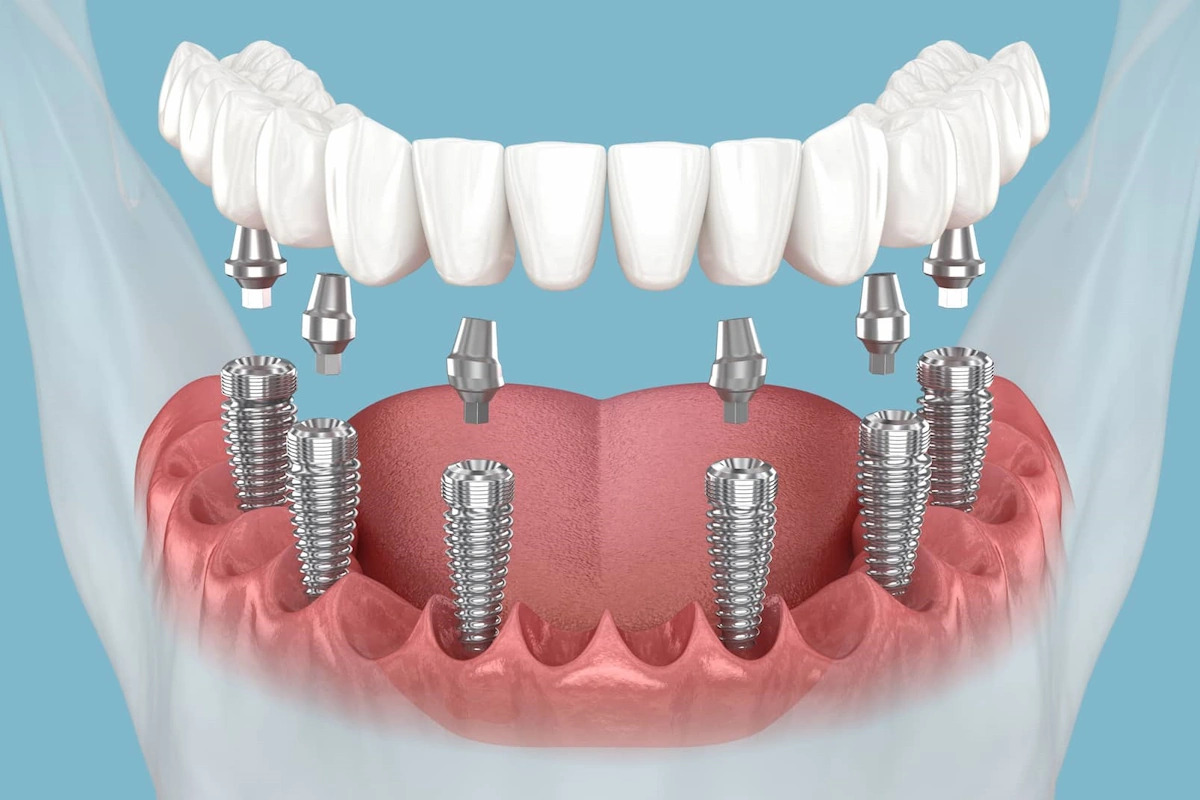
When a patient exhibits advanced ridge loss but wishes to bypass extensive bone grafting surgeries, modern jaw bone melting implant protocols are deployed. The All-on-4 concept utilizes angled implants to maximize contact with remaining dense bone. For total maxillary resorption, Zygomatic Implants anchored directly into the dense zygoma (cheekbone) allow for fixed prosthetic delivery on the exact same day.
Frequently Asked Questions (FAQ)
Can someone with extensive jaw bone melting still receive dental implants?
Yes, absolutely. Even in presentations with minimal initial bone volume, contemporary guided bone regeneration, block grafting, and sinus floor elevations can reconstruct a robust osseous foundation to safely receive dental implants.
Can orthodontic braces be utilized if jaw bone melting is present?
Orthodontic treatment can be executed in mild, fully stabilized bone loss scenarios following complete periodontal stabilization. However, placing braces in the presence of active gum infections or advanced bone destruction will cause tooth loss, making prerequisite periodontal clearance mandatory.
What is the optimal timeline to place an implant post-extraction to block bone melting?
The optimal clinical window to prevent disuse atrophy is between 3 to 4 months post-extraction. In select presentations, our specialists utilize the "Immediate Implant" protocol, inserting the titanium post into the socket on the exact day of extraction to fully bypass bone melting.
Is jaw bone grafting surgery painful? What is the recovery timeline?
Utilizing advanced localized anesthetics and sedation options ensures the surgical sequence is completely painless. Minor swelling and mild discomfort are expected during the initial 3 days post-surgery, which are comfortably managed with prescribed analgesics and cold compresses. Complete maturation of the bone graft into natural dense bone requires 4 to 6 months.