Contentsexpand_more
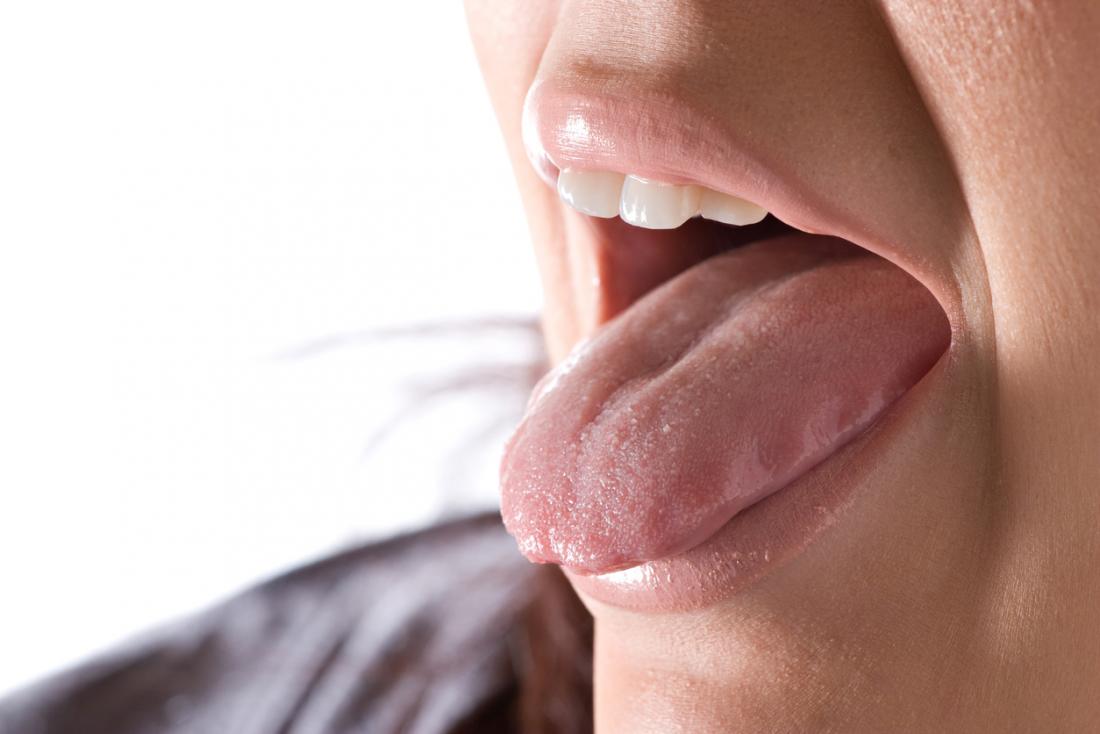
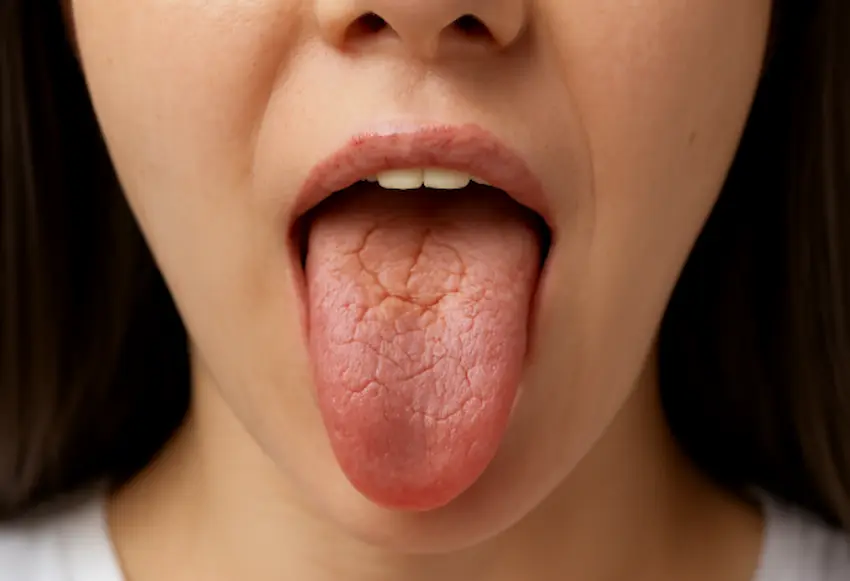
Dry mouth can be more than a minor inconvenience. Known medically as xerostomia, dry mouth occurs when the salivary glands cannot produce enough saliva to keep the mouth moist. At first glance this may seem insignificant, but persistent dry mouth can make speaking and swallowing difficult and increase the risk of dental problems. Understanding what causes this condition matters to anyone interested in oral health, hydration, and the complex biochemistry of the body.
How Saliva Production Works
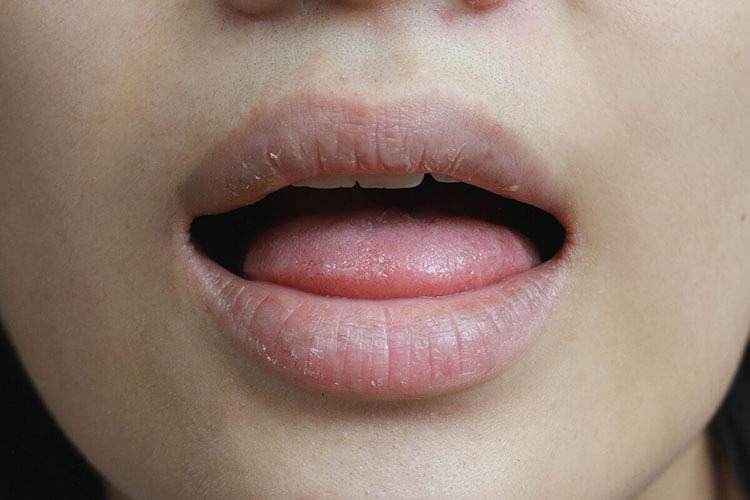
Saliva is often underestimated, yet it plays a key role in keeping the mouth healthy. Made up mostly of water, electrolytes, enzymes, and proteins, it lubricates the mouth, starts digestion, and protects the teeth from decay. Dry mouth develops when the delicate mechanism that controls saliva secretion is disrupted.
Saliva is produced by three main pairs of salivary glands (the parotid, submandibular, and sublingual glands) as well as hundreds of minor glands located throughout the mouth and throat. The activity of these glands is regulated by the autonomic nervous system, which is why stress, fatigue, or neurological disorders can unintentionally reduce saliva flow.
Medications That Cause Dry Mouth
Medications are one of the leading causes of dry mouth. According to research, more than 400 common drugs can reduce saliva production. These include:
- Antihistamines: used for allergies, they reduce mucus secretion in the nose and mouth.
- Antidepressants: selective serotonin reuptake inhibitors (SSRIs) and tricyclic antidepressants often cause dry mouth as a side effect.
- Blood pressure medications: diuretics and beta blockers can indirectly lower fluid levels in the body, which reduces saliva production.
Interestingly, the effect depends on the dose. Higher doses or long-term use intensify the feeling of dryness, which can lead to lower fluid intake and make the problem worse.
Systemic Diseases Linked to Dry Mouth
Beyond medications, chronic dry mouth is often associated with systemic conditions such as autoimmune diseases, metabolic syndromes, and neurological disorders:
- Sjögren's syndrome: an autoimmune disease that affects the salivary and tear glands, causing persistent dryness.
- Diabetes: high blood sugar can impair salivary gland function and reduce moisture in the mouth.
- Parkinson's disease: neurodegenerative processes can alter the nerve signals to the salivary glands, causing xerostomia.
Research shows that dry mouth caused by systemic diseases is often accompanied by other symptoms, such as fatigue, blurred vision, or digestive problems, highlighting how interconnected the body's systems are.
Lifestyle Factors That Contribute to Dry Mouth
Certain habits and lifestyle choices can worsen or trigger dry mouth. Alcohol, caffeine, smoking, and not drinking enough water are common causes.
For example, alcohol acts as a diuretic and increases fluid loss, while caffeine temporarily suppresses saliva secretion. Smoking or chewing tobacco not only dries out the tissues of the mouth but also irritates the salivary glands, causing long-term problems. Breathing through the mouth during sleep, a common issue with nasal congestion, also increases dryness.
Environmental and Seasonal Influences
Interestingly, dry mouth does not depend only on personal factors; the environment also plays an important role. Low humidity, indoor heating, and extremely cold weather reduce moisture levels in the mouth. Seasonal changes matter too: during the winter months when heating is on, or in summer heat without enough water intake, episodes of dry mouth become more frequent and more intense.
These factors are often overlooked, even though they may explain why some people notice dryness only at certain times of the year or in certain places.
How Age Affects Saliva Production
Salivary gland function gradually declines with age. Research shows that people over 60 experience dry mouth more often, and this is linked not only to age itself but also to taking more medications, chronic conditions, and changes in tissue elasticity.
Saliva production can decrease gradually over decades, so it is important to notice the signs of dryness early. Older adults may mistake this feeling for ordinary thirst, but untreated dry mouth can lead to tooth erosion, infections, and difficulty speaking or swallowing.
New Research and Promising Findings
Recent studies have begun to explore less obvious factors that affect dry mouth. For example, an imbalance in the oral microbiome can change the consistency and flow of saliva. Hormonal fluctuations, especially in women during menopause, are also linked to a higher incidence of xerostomia.
Promising treatments, such as stimulation procedures for the salivary glands and enzyme-containing saliva substitutes, offer new ways to manage dry mouth that go beyond traditional methods. These innovations are still being researched, but they show how complex the regulation of saliva flow is.
A Complete Understanding of Dry Mouth
Dry mouth is not just a nuisance. It results from a combination of physiological, environmental, and behavioral factors. From medications and systemic diseases to seasonal influences and age-related changes, understanding the causes offers a broader view of oral health and hydration.
Awareness is the first step. Paying attention to when dry mouth occurs, what triggers it, and how it affects your daily life helps you have more informed conversations with your doctors, or simply better understand the complex biochemistry of your body.