Contentsexpand_more
- Understanding the Basic Structure of Amalgam Fillings
- Why Amalgam Fillings Became So Popular
- The Scientific Debate: What Makes Amalgam Fillings Controversial
- How Amalgam Fillings Interact With the Mouth
- Visual and Structural Changes Over Time
- Common Changes Observed in Older Restorations
- Environmental and Scientific Aspects of the Metal Components
- Why People Have Concerns About Amalgam Fillings
- Modern Alternatives and How They Compare With Amalgam
- The Broader Perception of Dental Metals
- How to Interpret Scientific Research on Amalgam Fillings
- Ongoing Debate About Safety and Potential Harm
- How Dentists Evaluate Older Restorations
- The Long-Term Cultural Significance of Amalgam Fillings
Amalgam fillings often spark curiosity, because these long-established dental materials sit at the crossroads of science, tradition, and today's conversations about oral health. Although they were considered the standard for decades, attitudes toward them have shifted, raising new questions about their composition, durability, and potential risks. This article explores those questions from a balanced, analytical perspective, without giving medical advice, focusing instead on what is known, what is being debated, and what remains uncertain.
Understanding the Basic Structure of Amalgam Fillings
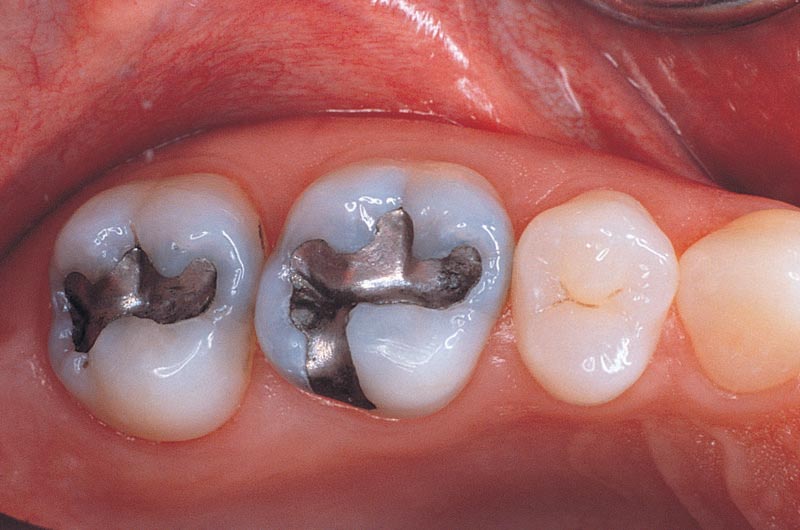
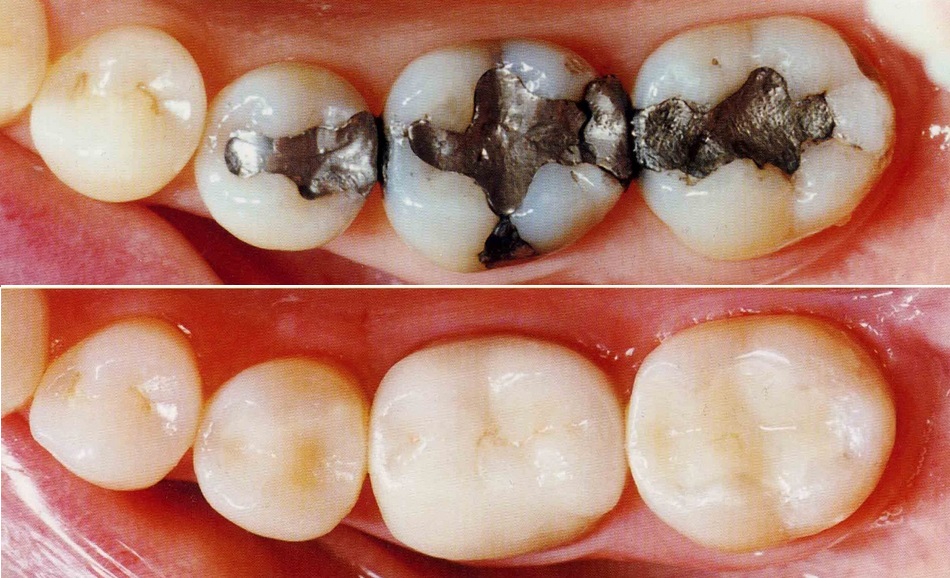
When people think of amalgam fillings, most picture their metallic look and their reputation for strength. These restorations are made from a blend of metals that bond together to form a hard surface inside the decayed cavity of a tooth. Historically, their popularity came from the fact that the material stood up well to chewing forces and was relatively easy to place.
Although the material looks simple at first glance, its internal behavior is surprisingly complex. The different metals it contains expand and contract at different temperatures, which affects how chewing forces are distributed across the tooth structure. Materials scientists pay close attention to these thermal processes to understand long-term performance. Many people do not realize that these microscopic fluctuations can, over time, lead to subtle changes, raising questions about how restorations age.
Why Amalgam Fillings Became So Popular
The rise of amalgam fillings decades ago was driven by a combination of practicality and affordability. Dentists needed a material that could be placed quickly, could withstand heavy loads, and would stay functional for a long time. At that time, metal restorations met those requirements perfectly. They remained stable even in the demanding conditions of the mouth and did not require complex preparation techniques.
Since then, the cultural perception of dental restorations has changed, especially with the arrival of tooth-colored fillings. Even so, the historical use of amalgam offers valuable insight into how dental materials evolve in response to scientific progress and patient expectations. Many researchers see this transition as an example of how public opinion and scientific evaluation interact.
The Scientific Debate: What Makes Amalgam Fillings Controversial
Discussions about amalgam fillings often center on their metal composition. This blend, which includes elements that raise questions, has fueled years of debate about potential health risks. Rather than drawing categorical medical conclusions, it is important to highlight what researchers actually study: how the material behaves under load, how particles may be released over time, and how environmental factors influence these processes.
One interesting topic is the boundary between the filling and the natural tooth structure. Over many years, mechanical stress can create microscopic gaps. These do not always cause immediate problems, but they add to the overall understanding of how restorations age and how materials differ. That is why research on dental materials keeps expanding, bringing together chemistry, physics, and long-term observation.
How Amalgam Fillings Interact With the Mouth
The mouth is a dynamic environment, which makes analyzing the behavior of amalgam fillings especially interesting. Temperature swings from hot drinks to cold foods create cycles of expansion and contraction. Saliva brings moisture and enzymes. Chewing creates pressure that depends on diet and habits. All of these factors interact with the metal structure of the filling, affecting its surface, internal stability, and margins.
Researchers emphasize that conditions in the mouth are unique to each person. For example, in people who grind their teeth at night, fillings are exposed to repeated microstress, while in people who eat a softer diet, wear may look different. These differences explain the wide range of results in long-term studies and why some fillings last for decades while others need to be replaced sooner.
Visual and Structural Changes Over Time
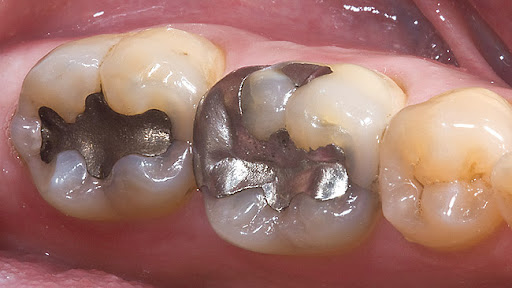
Even without any symptoms, amalgam fillings can undergo subtle aesthetic or structural changes over time. Their metallic nature can lead to slight darkening, creating a contrast with the natural color of the tooth. This does not necessarily mean the restoration has failed, but it often raises questions about its appearance and lifespan.
From a structural standpoint, attention focuses on marginal fit. Minor changes at the edges of the filling can affect how well it seals. Years of mechanical pressure may cause slight discoloration of the enamel next to the filling or microcracks. These small changes are of scientific interest when studying how restorations age.
Common Changes Observed in Older Restorations
| Observed Change | Possible Cause | Notes |
| Slight darkening | Metal oxidation | Mostly aesthetic, varies by person |
| Marginal gaps | Mechanical stress | Depends on bite and age of the filling |
| Surface wear | Chewing load | Not always a problem |
| Contrast with the tooth | Natural enamel color | More noticeable in bright light |
Environmental and Scientific Aspects of the Metal Components
Discussions about amalgam fillings often go beyond personal health to include their environmental impact. Researchers and regulators examine how the materials behave after removal, how they interact with disposal systems, and how regulations evolve in response to environmental challenges. This makes the topic relevant far beyond dentistry.
From a scientific perspective, the focus is on microscopic exposure pathways and material stability. Instead of final conclusions, the discussion revolves around measurable parameters: the rate of surface release, how the metals are bound within the alloy, and the influence of physical and chemical factors.
Why People Have Concerns About Amalgam Fillings
Public concern about amalgam fillings is often linked to growing awareness of the materials used in medicine. A stronger focus on safety and transparency encourages people to ask questions about the substances in their bodies. The media, scientific publications, and personal stories all shape these conversations.
Psychologically, metal and artificial materials inside the body naturally spark both curiosity and anxiety. Even when scientific data are mixed, the emotional response can remain strong, which explains why the topic persists in discussions about patient preferences.
Modern Alternatives and How They Compare With Amalgam
As dental technology advances, interest is shifting toward comparing newer materials with amalgam fillings. Composite resins, ceramics, and hybrid materials are evaluated for appearance, strength, and durability. This does not mean there is a perfect solution, but it highlights how quickly technology is developing and how patient expectations are changing.
Some people choose alternatives for aesthetic reasons, others because of how the materials behave physically. Research continues, producing a broad range of findings rather than a single hierarchy.
The Broader Perception of Dental Metals
The perception of amalgam fillings extends beyond dentistry. Cultural attitudes toward metals in the body, interest in biocompatibility, and online discussions all shape public opinion. These views change over time and vary by generation and aesthetic standards.
The growing popularity of cosmetic dentistry has increased sensitivity to visible metal elements. This does not necessarily point to flaws in the material; rather, it reflects shifting cultural priorities.
How to Interpret Scientific Research on Amalgam Fillings
The scientific literature on amalgam fillings spans decades, but interpreting it requires context. Study conditions, population differences, and methodology lead to different results. Some studies analyze wear, others examine exposure pathways or patients' subjective experiences.
It is important to look at overall trends rather than search for absolute answers. Many studies stress the need to monitor restorations over time and to study new materials.
Ongoing Debate About Safety and Potential Harm
Concerns about the potential harm of amalgam fillings are tied to their metal composition. The discussion covers the stability of the alloy, the likelihood of microscopic amounts being released, and how the body interacts with those levels. The scientific community prefers to keep researching rather than issue final judgments.
Differing interpretations, personal beliefs, and cultural context make the discussion multilayered and ongoing.
How Dentists Evaluate Older Restorations
When evaluating older amalgam fillings, dentists consider several factors at once: strength, seal, the condition of the surrounding enamel, and the patient's aesthetic expectations. Together, these aspects shape the overall decision about whether replacement makes sense.
Modern diagnostic technology and changing treatment philosophies also influence these decisions, which explains why today's approach differs from that of past decades.
The Long-Term Cultural Significance of Amalgam Fillings
Beyond their physical properties and scientific evaluations, amalgam fillings hold cultural significance as part of the history of dentistry. For many generations, they were the standard treatment for cavities and a symbol of the traditional approach.
This historical context explains the variety of opinions, from seeing them as a reliable solution to associating them with outdated methods. The tension between tradition and modernization keeps interest in the topic alive.
Ultimately, the discussion of amalgam fillings goes beyond safety or aesthetics. It touches on materials science, culture, psychology, the environment, and personal preference. Considering all of these aspects gives a fuller understanding of the role these restorations play, both in the mouth and in a broader context.
Exploring the topic from different angles offers deeper insight than simple comparisons. The story of this dental material continues to evolve, shaped by science, technology, and human experience.