Contentsexpand_more
- What is a Porcelain Veneer?
- How is a Porcelain Veneer Done?
- What is the Lifespan of a Porcelain Veneer?
- Understanding Porcelain Veneer Costs in 2026
- Comparative Evaluation: Veneers vs. Alternative Restorations
- Crucial Maintenance Instructions for Porcelain Veneers
- Frequently Asked Questions (FAQ)
- Does getting porcelain veneers hurt? Is there tooth sensitivity during preparation?
- Will porcelain veneers stain or discolor over time?
- My teeth are slightly crowded; can porcelain veneers straighten them without braces?
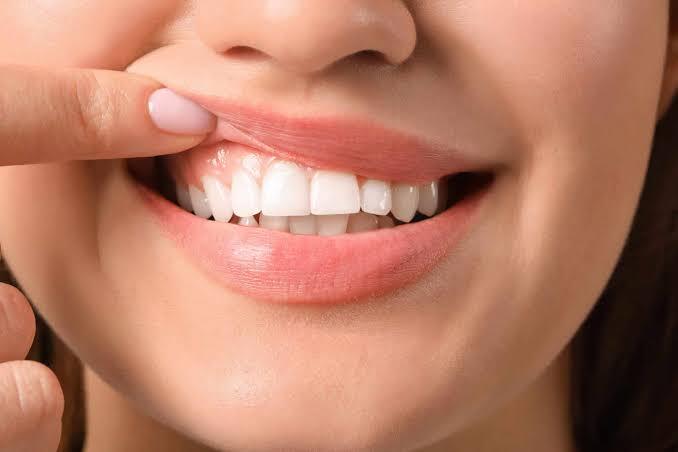
In the contemporary era of aesthetic dentistry, redesigning a smile does not require cutting down teeth to prepare them for bulky circumferential crowns. Advanced adhesive bondings and computerized micro-milling technologies allow us to preserve the natural calcified tooth structure while treating only the visible facial surfaces. Formulated as the supreme manifestation of "White Aesthetics" and perfectly synchronized with correct "Pink Aesthetics," porcelain veneer restorations stand as the absolute gold standard for high-end smile makeovers.
Many patients who struggle with deep intrinsic staining, structural chips, midline diastemas, or mild crowding delay treatment out of fear of heavy mechanical tooth preparation. However, advanced porcelain veneering is a highly conservative procedure designed to preserve maximum tooth enamel. At Livera Dental Clinic, we utilize premium ultra-thin laminate veneer tooth restorations that chemically merge with your natural enamel, delivering a radiant smile with minimal or zero tooth reduction. This clinical manual evaluates what a porcelain veneer is, how the preparation is executed, expected lifespan metrics, and 2026 structural cost variables.
What is a Porcelain Veneer?
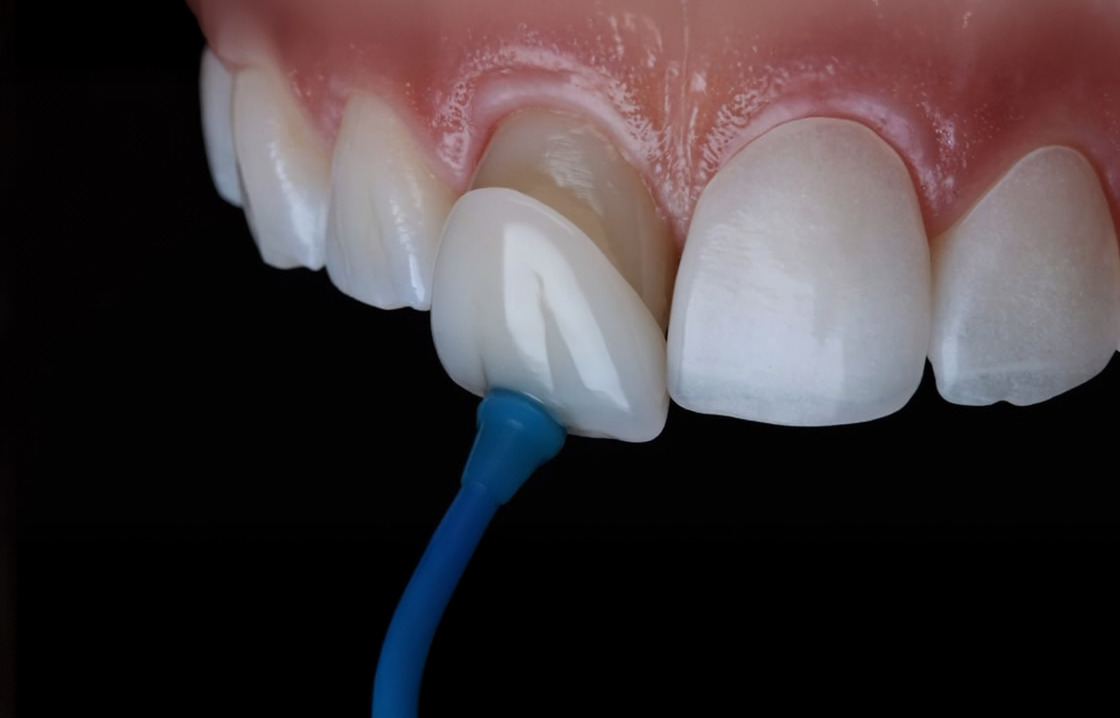
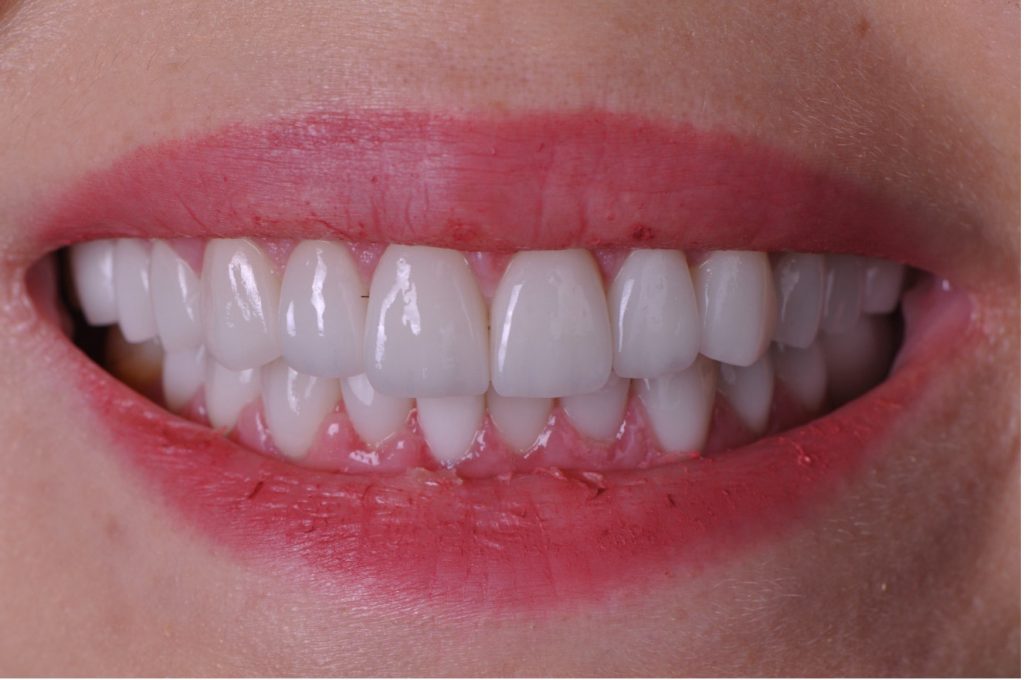
For patients seeking a transformative smile makeover with minimal biological impact, the primary diagnostic query is what is a porcelain veneer. A porcelain veneer is an ultra-thin shell of custom-milled glass-ceramic (such as lithium disilicate or feldspathic porcelain) measuring only 0.3 mm to 0.7 mm in thickness comparable to the profile of a standard contact lens.
Bonded exclusively to the facial (front) surface of the tooth using specialized resin-luting cements, this restoration leaves the lingual and palatal structures completely untouched. This preservation keeps the natural occlusion and tactile chewing sensations entirely intact. Porcelain is the only material capable of precisely mimicking the natural optical properties, fluorescence, and light transmission of human tooth enamel.
How is a Porcelain Veneer Done?
At our digital smile center, the fabrication and placement of porcelain veneers follow a highly precise clinical workflow:
Digital Impression and 3D Mock-Up Trial: During the initial diagnostic visit, the patient's intraoral architecture is captured using high-resolution scanners. Before touching the tooth structure, a temporary diagnostic "Mock-Up" is placed over the teeth, allowing the patient to visually preview and approve the final smile design in their own mouth.
Micro-Preparation Phase: To ensure the final veneers sit flush with the surrounding gum tissues without looking bulky, a minimal, ultra-conservative preparation of approximately 0.3 to 0.5 mm is made on the facial enamel. In select clinical cases, veneers can be placed with absolutely zero preparation (No-Prep Veneers).
Optical Scanning and CAD/CAM Production: The finalized preparation is captured using optical scanners and transmitted to our digital laboratory. The veneers are milled with micron precision using CAD/CAM systems and then fired in a ceramic oven. While the final porcelain is fabricated, the patient wears custom provisional veneers.
Adhesive Cementation (Chemical Bonding): The finalized porcelain veneers are bonded to the outer enamel surface using specialized dual-cure resin cements and a high-intensity light-curing wave. Once polymerized, the veneer chemically integrates with the tooth enamel, forming a single, highly durable structure.
What is the Lifespan of a Porcelain Veneer?
A common concern among patients is whether these ultra-thin restorations are prone to chipping or debonding over time. The porcelain veneer lifespan depends directly on the quality of the clinical adhesive protocols and the patient's daily habits:
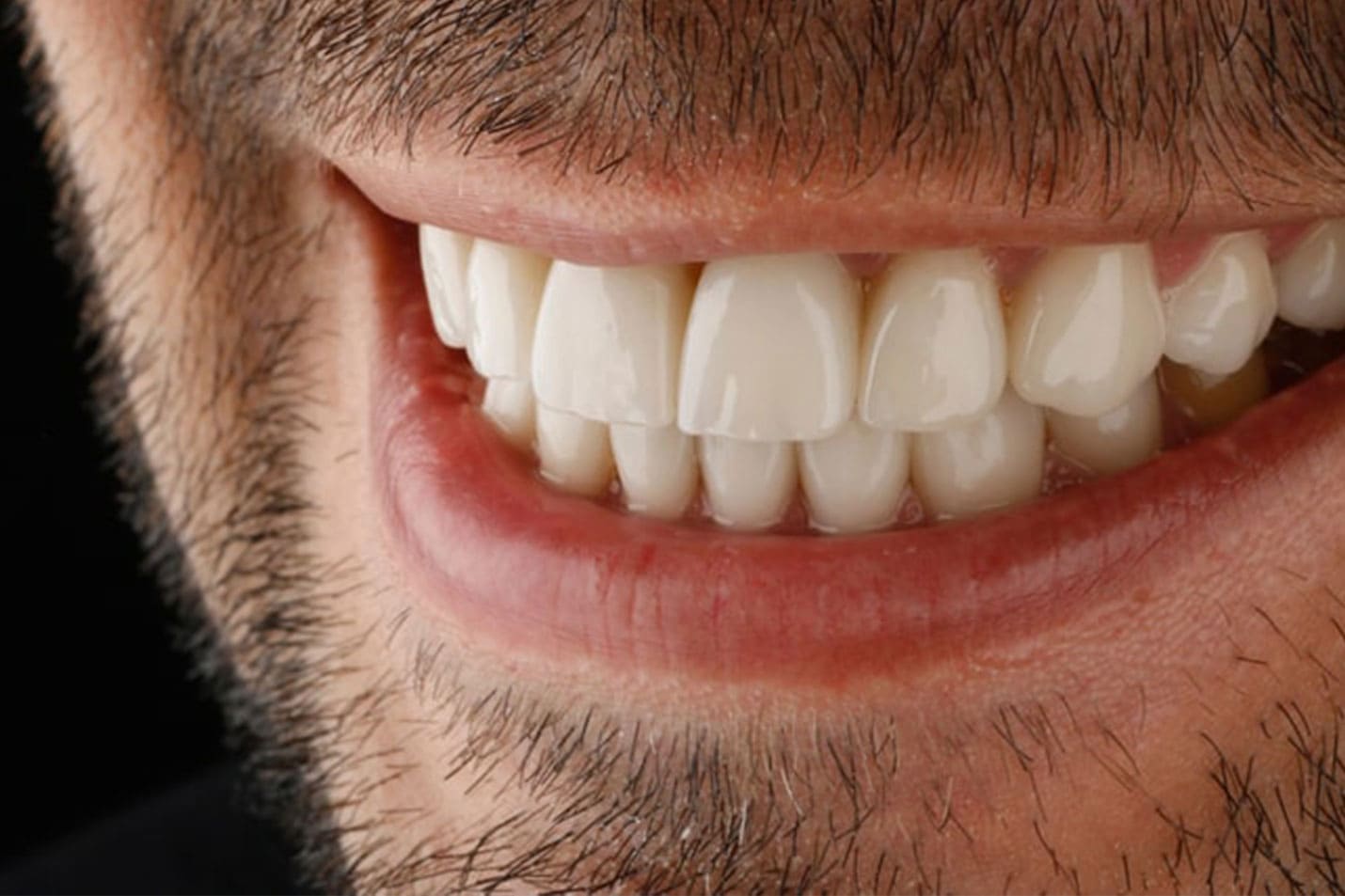
When executed under strict isolation protocols by an expert cosmetic dentist, porcelain veneers demonstrate a clinical lifespan of 10 to 15 years, often extending beyond 20 years with excellent personal oral hygiene.
Chipping and Dislodgement Risks: While individual veneers are highly fragile before placement, they gain immense structural strength once chemically fused to the underlying enamel. A correctly bonded porcelain veneer cannot fall off or detach spontaneously under normal physiological chewing forces.
Understanding Porcelain Veneer Costs in 2026
Publishing a single, fixed cost for a premium porcelain veneer treatment is clinically irresponsible, as every smile design requires highly individualized parameters. The total financial investment is determined during your comprehensive digital smile evaluation. The core variables influencing the cost include:
Ceramic Block Specifications: Premium materials with high translucency, natural gradient layers, and outstanding structural strength (such as IPS e.max or handmade refractory feldspathic porcelains) represent a different cost structure.
Restoration Volume (Tooth Count): Smile designs typically require veneer placement across the anterior esthetic zone, spanning 6, 8, or 10 teeth per arch to achieve symmetrical harmony.
Artistic Laboratory Craftsmanship: The experience of the cosmetic dentist and the artistic manual detailing performed by specialized dental technicians to replicate natural tooth characteristics are major factors in the final cost.
Comparative Evaluation: Veneers vs. Alternative Restorations
Clinical Criteria | Porcelain Veneer | Zirconium Crown | Composite Bonding |
Mechanical Tooth Prep | Minimal (0.3 - 0.5 mm) or Zero | Intensive (1.5 - 2.0 mm circumferential prep) | Zero preparation. |
Light Translucency & Optics | Excellent (Replicates natural enamel) | Moderate to High | Moderate (Prone to losing gloss over time) |
Stain & Discoloration Resistance | 100% Resistant (Unaffected by coffee or tobacco) | 100% Resistant | Prone to staining from tea, coffee, and nicotine. |
Clinical Longevity | 10 - 15 Years (Highly durable) | 12 - 18 Years (High mechanical strength) | 3 - 5 Years (Requires routine polishing/replacement) |
Crucial Maintenance Instructions for Porcelain Veneers
To maximize the longevity of your porcelain veneers and preserve their high-gloss finish, adhere to the following home-care guidelines:
Avoid Excessive Mechanical Stress: Refrain from chewing on non-food items, such as ice, pens, or fingernails, and never use your teeth to open packaging. Avoid biting directly into hard, crunchy fruits like apples or pears; slice them into smaller pieces instead to protect the incisal edges of your veneers.
Manage Nocturnal Bruxism: If you have a habit of grinding or clenching your teeth at night, you must wear a custom-fabricated clear night guard regularly to shield your restorations from excessive, uncontrolled biting forces.
Commit to Excellent Oral Hygiene: While porcelain is impervious to decay and staining, the underlying natural tooth structure remains vulnerable. Brush twice daily, floss once daily, and attend professional dental cleanings every 6 months to ensure the long-term success of your veneers.
Frequently Asked Questions (FAQ)
Does getting porcelain veneers hurt? Is there tooth sensitivity during preparation?
No, the porcelain veneer procedure is entirely pain-free. Patients do not experience discomfort because local anesthesia is applied during the microscopic preparation phase. After the preparation is complete, custom-fit provisional veneers are placed to protect the teeth while your permanent restorations are fabricated, preventing any sensitivity to hot or cold foods.
Will porcelain veneers stain or discolor over time?
No, the ceramic materials utilized in our porcelain veneers feature a highly dense, non-porous glazed surface. This chemical structure prevents chromogenic particles from tea, coffee, berries, red wine, or tobacco from penetrating the material. Your veneers will retain their original bright shade and lustrous finish for life.
My teeth are slightly crowded; can porcelain veneers straighten them without braces?
Yes, for mild to moderate crowding, small tooth-size discrepancies, or gaps (diastemas), porcelain veneers can establish perfect, harmonious alignment without the need for orthodontic braces or clear aligners. However, if the crowding is severe, aligning the teeth with veneers alone would require excessive enamel removal. In such cases, we recommend a brief course of clear aligner therapy to position the teeth correctly before placing conservative veneers.