Contentsexpand_more
- How is the Braces Cost Calculator Structured? Primary Cost Variables
- 1. Severity of Malocclusion and Skeletal Jaw Mismatches (Angle Classification)
- 2. Arch Abundance (Single vs. Dual Jaw Interventions)
- 3. Bracket Engineering and Biomaterial Technology
- 4. Prerequisite Preparatory and Auxiliary Therapies
- 2026 Orthodontic Treatment Cost Matrix
- Detailed Analysis of Braces Categories and Financial Layouts
- 1. Traditional Metal Braces (Classic and Self-Ligating Systems)
- 2. Translucent Ceramic and Clear Braces (Aesthetic Appliances)
- 3. Single Arch Isolations (Upper Braces Pricing)
- 4. Lingual Systems (Invisible Behind-the-Teeth Adaptations)
- Frequently Asked Questions (FAQ)
- Are orthodontic braces covered under public healthcare or insurance systems?
- Is there an extra fee billed if a bracket becomes detached between regular appointments?
- Which is more capital intensive: clear aligners or fixed braces?
Crowded teeth alignments, jaw skeletal occlusal discrepancies, excessive spaces between teeth (diastema), and functional orthodontic limitations significantly jeopardize both systemic masticatory wellness and overall craniofacial aesthetics. Contemporary orthodontics offers advanced, fully individualized teeth alignments and structural jaw relations for every age group, from early childhood to corporate adulthood. For most individuals considering embarking on this comprehensive biomimetic transformation, budget planning and understanding how structural costs are calculated remain the primary points of consideration.
The definitive braces price 2026 updates are mathematically structured utilizing the baseline minimum fee schedules published by the Turkish Dental Association (TDB), fluctuating strictly according to the quality of the clinical biomaterials used, the case complexity, and the clinician's specialized experience. This comprehensive guide evaluates the financial dynamics, clinical calculation metrics, and price lists of metal, ceramic, clear, and lingual invisible configurations with absolute transparency.
How is the Braces Cost Calculator Structured? Primary Cost Variables
Orthodontic transformations are completely customized biomedical engineering processes tailored to individual human anatomy; therefore, quoting a standardized universal price is clinically impossible. The functional architecture of a clinical braces cost calculator relies directly on a physical specialized evaluation, three-dimensional digital radiographs (panoramic and cephalometric), and intraoral digital impressions to assess several primary variables:
1. Severity of Malocclusion and Skeletal Jaw Mismatches (Angle Classification)
Minor horizontal dental crowding or localized spacing (Class I malocclusions) are inherently less capital-intensive and less time-consuming to resolve compared to deep skeletal jaw mismatches where the maxilla or mandible is severely retruded or protruded (Class II and Class III malocclusions). When skeletal modifications require orthognatic surgical planning or specific jaw-expanding orthopedic appliances, the financial layout increases accordingly.
2. Arch Abundance (Single vs. Dual Jaw Interventions)
While many patients seek treatment primarily due to aesthetic crowding on a single arch, achieving an optimal, stable chewing relation (occlusion) almost always mandates executing synchronized biomechanics across both the maxillary and mandibular arches. Intervening purely on one arch versus a complete dual-arch application reduces the materials and clinical operational chair-time by nearly half, creating a significant cost difference.
3. Bracket Engineering and Biomaterial Technology
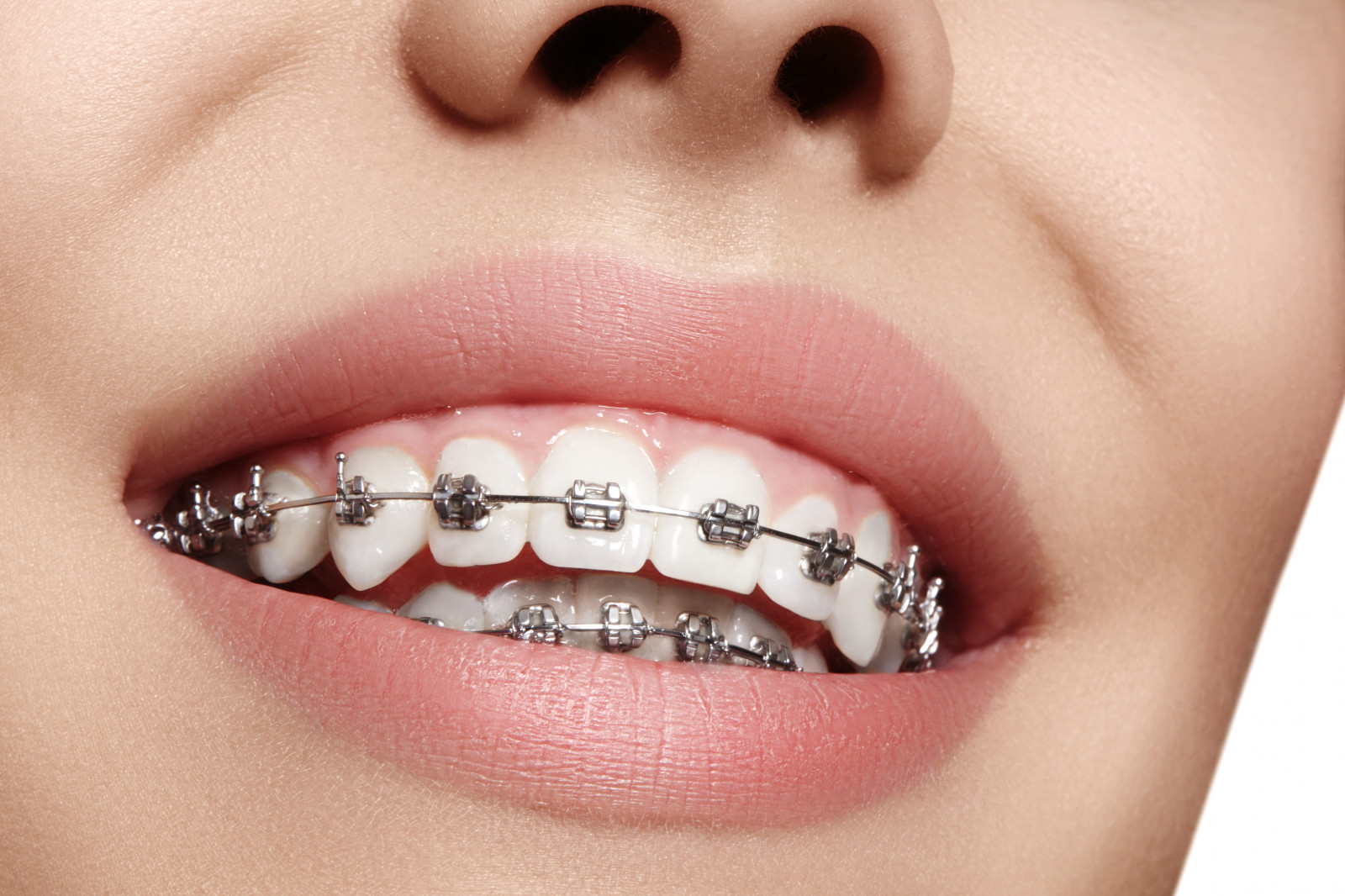
The mechanical design and material composition of the tiny attachments bonded to the enamel surfaces, known as brackets, represent the heaviest variable in the cost matrix. Traditional stainless steel brackets are significantly more budget-friendly compared to translucent polycrystalline ceramic, monocrystalline sapphire crystals, or customized internal lingual systems. As the aesthetic concealment and metallurgical processing of the materials advance, the price list scales higher.
4. Prerequisite Preparatory and Auxiliary Therapies
Prior to fixed appliance bonding, establishing pristine periodontal health and eliminating active caries is a strict medical necessity. Pre-treatment scaling, restorative composite fillings, endodontic therapies, or strategic premolar extractions required due to severe dental arch crowding directly alter the comprehensive financial layout. Furthermore, temporary skeletal anchorage devices, such as titanium mini-screws placed into the alveolar bone during active mechanics, are incorporated into the final calculation.
2026 Orthodontic Treatment Cost Matrix
The following comprehensive cost distributions are calculated using the 2026 TDB statutory minimum fee regulations integrated with all-inclusive private specialty clinic market averages according to case severity tiers:
Orthodontic Modality and Material Type | Single Arch Cost Range (TL) | Dual Arch Cost Range (TL) |
Traditional Metal Braces (Classic / Ligated) | 23,290 TL – 65,000 TL | 40,910 TL – 95,000 TL |
Ceramic (Porcelain / Clear) Braces | 35,000 TL – 75,000 TL | 60,000 TL – 120,000 TL |
Self-Ligating (Damon System) Metal Braces | 65,000 TL – 85,000 TL | 75,000 TL – 110,000 TL |
Sapphire (Monocrystalline / Crystal) Braces | 85,000 TL – 110,000 TL | 90,000 TL – 140,000 TL |
Lingual (Behind-the-Teeth Invisible) Braces | 75,000 TL – 95,000 TL | 95,000 TL – 150,000 TL |
Detailed Analysis of Braces Categories and Financial Layouts
1. Traditional Metal Braces (Classic and Self-Ligating Systems)
As the historical foundation of structural orthodontics, this modality offers elite biomechanical force control and predictable tooth movement. The raw metal braces price represents the most accessible financial tier across the entire spectrum of fixed appliances. Fabricated from medical-grade stainless steel alloys, these brackets exhibit maximum physical durability against high masticatory forces, with an incredibly low risk of structural fracturing.
Advanced self-ligating metal systems (such as the Damon system) eliminate the need for traditional elastic ties, utilizing a specialized sliding door mechanism that significantly minimizes friction. This technology accelerates initial alignment and reduces the frequency of routine clinical adjustments. Due to these bio-engineering advantages, self-ligating metal braces price schedules are positioned higher than traditional ligated steel appliances. The singular drawback remains their silver visibility.
2. Translucent Ceramic and Clear Braces (Aesthetic Appliances)
For adult professionals and university students seeking high cosmetic discretion during active treatment, clear braces price options offer exceptional value. Fabricated from medical-grade polycrystalline alumina or premium porcelain, ceramic braces price matrices balance high aesthetic integration with stable physical force transfer. These brackets mimic the natural opacity of dental enamel perfectly.
Within this aesthetic tier, pure monocrystalline sapphire configurations stand out by remaining completely glass-like and translucent, effectively presenting an invisible braces price experience that lets the natural shade of the teeth reflect through. Aesthetic brackets possess a higher material brittleness than stainless steel, requiring rigid dietary compliance against hard foods to prevent fracture. Their advanced manufacturing protocols account for their premium pricing.
3. Single Arch Isolations (Upper Braces Pricing)
When a patient presents with completely harmonious mandibular tooth alignment but exhibits severe dental crowding, rotations, or overlapping strictly on the maxillary arch, a single jaw isolation may be clinically indicated. The corresponding upper braces price schedule is inherently more affordable than comprehensive dual-arch mechanics.
However, managing an isolated single arch without altering or destabilizing the patient's preexisting posterior occhin intercuspation requires highly advanced orthodontic diagnostic expertise. If the planned alignment movements threaten the stability of your natural bite, your orthodontist will mandate a dual-arch approach to ensure functional safety.
4. Lingual Systems (Invisible Behind-the-Teeth Adaptations)
Engineered exclusively for high-profile public figures, corporate executives, media personalities, and adults demanding absolute treatment concealment, lingual braces price configurations occupy the premium pinnacle of orthodontic care. This modality relies on bonding custom-cast brackets directly to the internal lingual and palatal surfaces of the teeth rather than the exterior enamel.
Because the internal lingual anatomy of every human tooth is completely unique and highly irregular, içten diş teli fiyat calculations require individualized laboratory CAD/CAM design sequences where each bracket is custom-milled from gold or specialized noble alloys. This personalized manufacturing technology, combined with the extensive clinical chair-time required from the specialist, dictates the substantial capital investment for an incognito braces price structure.
Frequently Asked Questions (FAQ)
Are orthodontic braces covered under public healthcare or insurance systems?
For pediatric patients under the statutory age of 18, public insurance research and university hospitals cover the baseline clinical operational fees. However, the exact cost of the materials, including the specific brackets, wires, and auxiliary expanders, is billed directly to the legal guardians.
Is there an extra fee billed if a bracket becomes detached between regular appointments?
According to the 2026 TDB official minimum fee guide, the baseline price to re-bond a single detached bracket is set at 1,925 TL (excluding structural replacement costs if the bracket is lost). This price may vary from clinic to clinic.
Which is more capital intensive: clear aligners or fixed braces?
Generally, wireless clear aligner therapies (such as Invisalign) require a higher overall financial investment compared to traditional fixed metal braces. The price of clear aligners varies depending on whether the case is mild, moderate or severe.