Contentsexpand_more
- Do Teeth Shift After the Braces Are Removed?
- What to Do After Braces Are Removed?
- Permanent Retainer After Braces: The Lingual Bonded Wire
- Removable Retention: Orthodontic Clear Retainers
- Do Teeth Have Marks or Discoloration After Braces Are Removed?
- Comparison Matrix: Orthodontic Retention Systems
- Crucial Post-Treatment Aftercare Guidelines
- Frequently Asked Questions (FAQ)
- How quickly can teeth shift after braces are removed?
- How long should a permanent retainer remain in place? What happens if it is removed?
- I did not wear my clear retainer for a few weeks, and now it does not fit. What should I do?
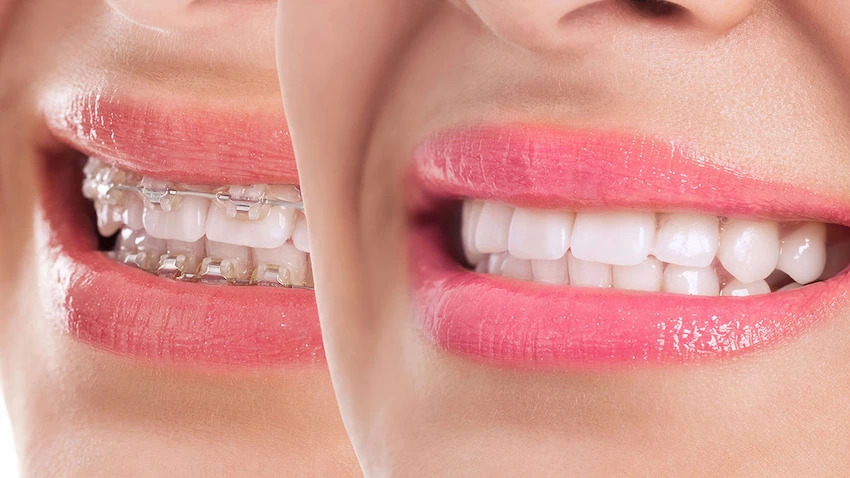
After months or even years of undergoing dedicated orthodontic treatment, the highly anticipated day finally arrives: your braces are removed, and you are greeted with a beautifully aligned, symmetrical smile. While this moment brings immense relief and joy, any experienced orthodontist understands a fundamental biological truth: the removal of brackets is not the end of your orthodontic journey. Instead, it marks the beginning of the "Retention Phase"—a crucial period that is just as vital as the active movement phase.
Once orthodontic forces are discontinued, the surrounding alveolar bone, gingival fibers, and periodontal tissues remain structurally unstable. The soft tissues possess a strong biological memory (tendency to relapse), urging the teeth to shift back to their original crowded or spaced positions. Therefore, understanding what steps to take after the braces are removed determines whether your new smile remains stable for life.
Do Teeth Shift After the Braces Are Removed?
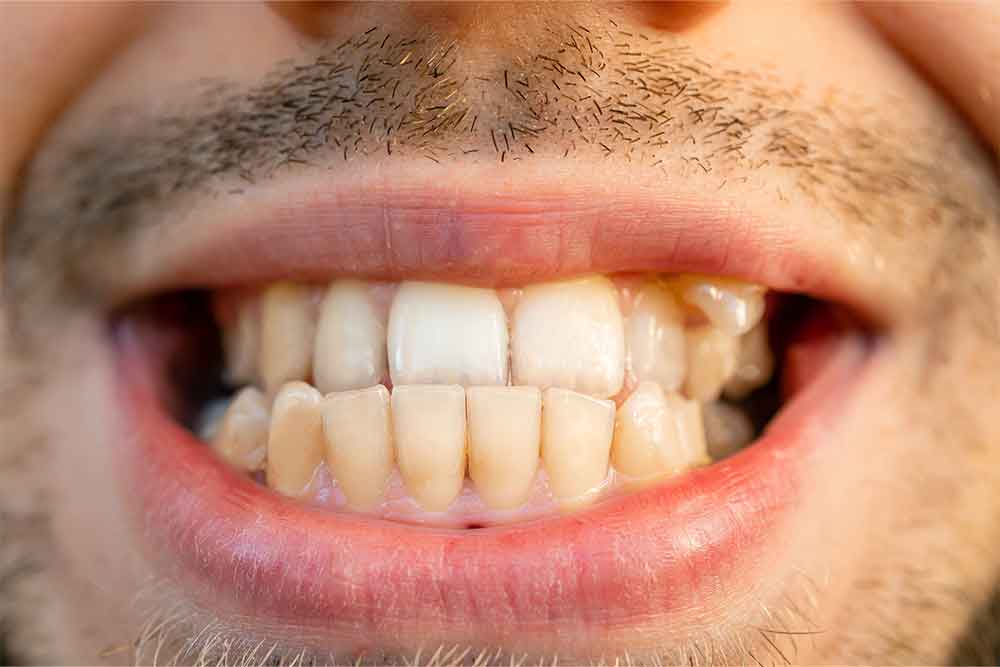
The most common anxiety expressed by patients during bracket removal is whether teeth shifting after braces is possible and if relapse after orthodontic treatment is a common occurrence.
The Biological Reality: Yes, without dedicated retention appliances, teeth will naturally shift and revert toward their original positions.
The Biomechanics: The periodontal ligament (PDL) fibers connecting the teeth to the surrounding bone act like elastic rubber bands. During active orthodontic movement, these fibers are stretched. Once the physical brackets are removed, these elastic fibers exert a steady pull, attempting to draw the teeth back to their baseline positions. Furthermore, it requires approximately 1 to 2 years for the newly reorganized alveolar bone matrix to fully calcify and stabilize around the new root positions. If left unanchored during this stabilization window, teeth will migrate, leading to clinical relapse.
What to Do After Braces Are Removed?
To protect your aesthetic investment, the primary clinical workflow after the braces are removed includes:
Fabrication of Retainers: On the day your brackets are removed, high-precision digital scans or physical impressions of your teeth are captured to design custom-fit fixed and removable retainers.
Comprehensive Professional Cleaning: Specialized polishing instruments are used to thoroughly clear residual composite luting cements, calcified tartar, and dental plaque that accumulated around the brackets during your treatment.
Prophylactic Assessment: A detailed examination is conducted to identify interproximal caries, enamel demineralization, or localized gingival hyperplasia that may have developed during the active treatment phase.
Permanent Retainer After Braces: The Lingual Bonded Wire
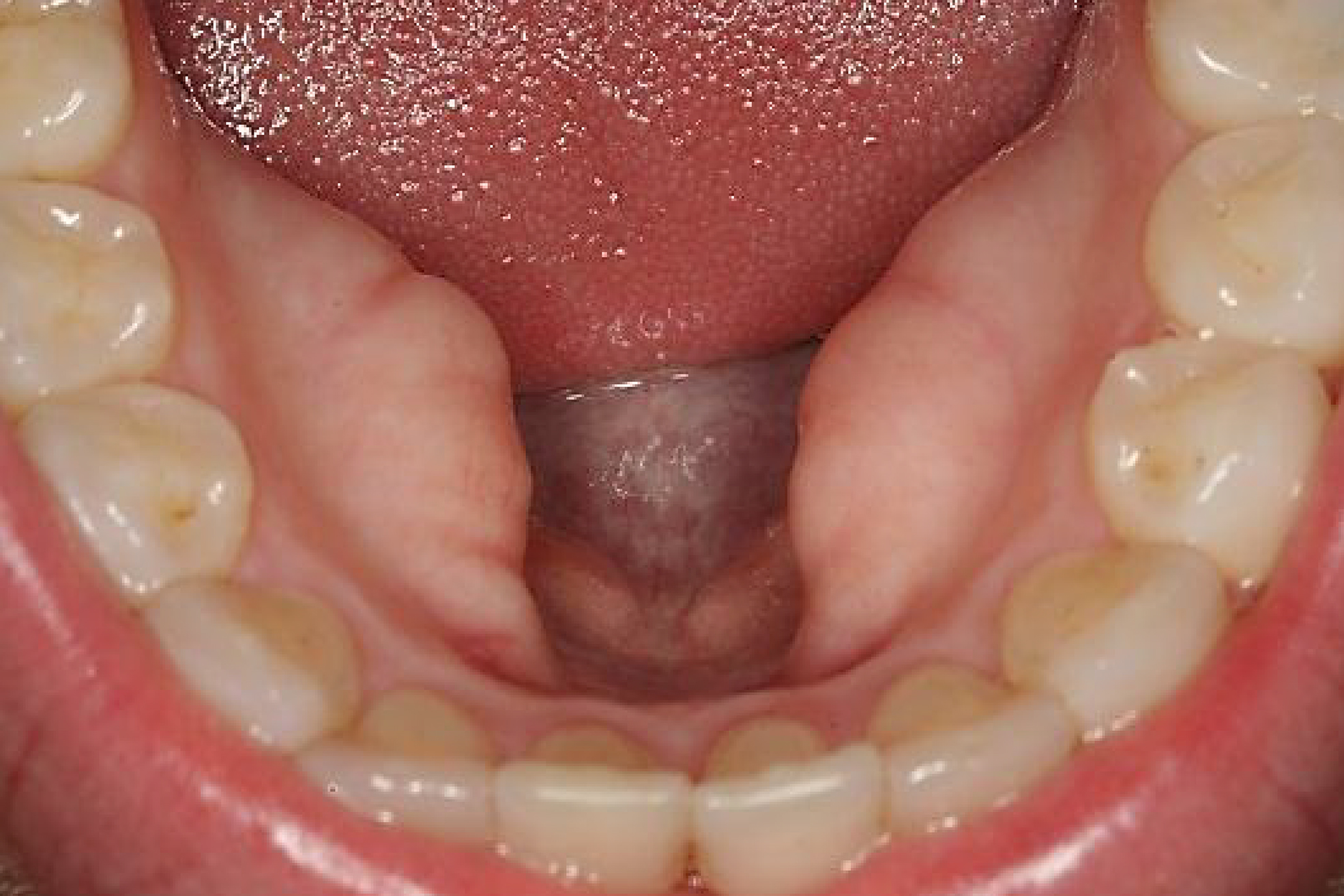
The absolute first line of defense against tooth movement is the placement of a permanent retainer after braces, also known as a fixed lingual retainer.
Application Method: A very thin, medical-grade stainless steel or titanium wire is custom-bent to match the anatomy of your teeth. It is then bonded using liquid composite resin to the interior (lingual) surfaces of the front six teeth (typically canine to canine), making it completely invisible from the front.
Purpose: This wire acts as a passive physical barrier, preventing individual teeth from rotating or drifting out of alignment. Because it is positioned on the inner surface, it does not compromise aesthetics or affect everyday speech.
How long should it remain?: At Livera Dental Clinic, we recommend keeping the fixed lingual retainer bonded for at least 3 to 5 years. In many clinical scenarios, leaving the wire in place indefinitely is ideal to ensure lifelong stability.
Removable Retention: Orthodontic Clear Retainers
While permanent retainers secure the anterior teeth, utilizing removable orthodontic clear retainers is necessary to preserve the width of the dental arch and prevent posterior tooth movement.
Essix Retainers: These are highly transparent, rigid thermoplastic appliances custom-molded to fit over your entire dental arch, remaining virtually invisible during daily wear.
The Usage Timeline: During the first 6 months after your braces are removed, clear retainers must be worn for at least 20 to 22 hours a day, removed only during meals and oral hygiene routines. After this initial stabilization phase, your orthodontist will transition you to a nighttime-only wear protocol. Skipping these compliance steps will lead to significant shifting.
Do Teeth Have Marks or Discoloration After Braces Are Removed?
A major aesthetic concern for patients is whether white spots after braces or structural enamel discoloration will mar their new smile.
Under Optimal Hygiene Conditions: If the patient maintained excellent oral hygiene during their treatment, the bonding adhesive is safely removed using specialized orthodontic finishing burs, leaving the enamel smooth, pristine, and free of marks.
Under Suboptimal Hygiene Conditions (White Spot Lesions): If plaque was allowed to accumulate around the brackets, organic acids produced by oral bacteria leach minerals from the enamel. Once the brackets are removed, this demineralization reveals matte, chalky white spot lesions outlining where the brackets once sat. These marks are permanent and require advanced micro-abrasion or resin infiltration therapies to resolve.
Comparison Matrix: Orthodontic Retention Systems
Retention Type | Lingual Bonded Wire (Permanent Retainer) | Essix Aligner (Clear Retainer) | Hawley Retainer (Acrylic & Wire) |
Mechanics | Fixed (Requires clinical removal). | Removable by the patient. | Removable by the patient. |
Aesthetics | Excellent (%100 completely invisible). | Very High (Virtually transparent). | Moderate (Metal bar visible on front teeth). |
Speech Impact | None; does not affect phonetics. | May cause a mild lisp for the first 48 hours. | Can alter speech due to palatal coverage. |
Hygiene Demands | Requires specialized floss threaders or superfloss. | Easily cleaned using cold water and soap. | Easily cleaned using a soft brush. |
Primary Indication | Secures the anterior incisors from crowding. | Preserves overall arch width and molar alignment. | Recommended for cases requiring jaw expansion stability. |
Crucial Post-Treatment Aftercare Guidelines
Daily Retainer Integrity Checks: Run your tongue over the interior permanent wire every day. If you detect a loose spot, a crack in the bonding composite, or a broken segment, the affected tooth can begin to shift within hours. Contact your clinic immediately for repair.
Clear Retainer Maintenance: Never expose your thermoplastic clear retainers to hot water, as high temperatures distort the plastic, rendering them useless. Wash them using cold water, liquid soap, and a soft-bristled brush.
Third Molar (Wisdom Teeth) Monitoring: The eruption of wisdom teeth after orthodontic treatment can exert significant forward pressure on the dental arch, potentially damaging retainers and causing anterior crowding. Regular panoramic radiographs should be scheduled to assess the necessity of surgical extraction.
Frequently Asked Questions (FAQ)
How quickly can teeth shift after braces are removed?
Without appropriate retention appliances, teeth can begin to shift back toward their original positions within a matter of hours. The first 3 to 6 months after your braces are removed represents the highest biological risk window for orthodontic relapse. Even within the first week, you may notice tiny gaps (diastemas) opening or mild overlapping among your lower front teeth. This is why immediate retainer placement is critical.
How long should a permanent retainer remain in place? What happens if it is removed?
While a permanent lingual retainer should remain bonded for a minimum of 3 to 5 years, modern orthodontic guidelines suggest keeping it in place indefinitely. Removing the wire exposes your teeth to natural, age-related physiological narrowing of the dental arches and muscular pressures, which can cause late-stage crowding even years after successful treatment.
I did not wear my clear retainer for a few weeks, and now it does not fit. What should I do?
If you have skipped wearing your clear retainer and find that forcing it onto your teeth causes severe pressure, pain, or that it fails to seat completely, your teeth have already begun to shift. Attempting to force a mismatched retainer over your teeth can cause localized trauma to the periodontal ligament and alveolar bone. Schedule an immediate visit with your orthodontist; if the shifting is minimal, a brief course of minor clear aligner therapy can easily restore your teeth to their optimal alignment.