
Bad Breath is one of those silent issues people notice before we do. It can affect confidence, social interactions, and even professional life. From casual conversations to close encounters, bad breath often creates an invisible barrier. Although commonly associated with oral hygiene, the reality is far more layered and surprisingly fascinating.
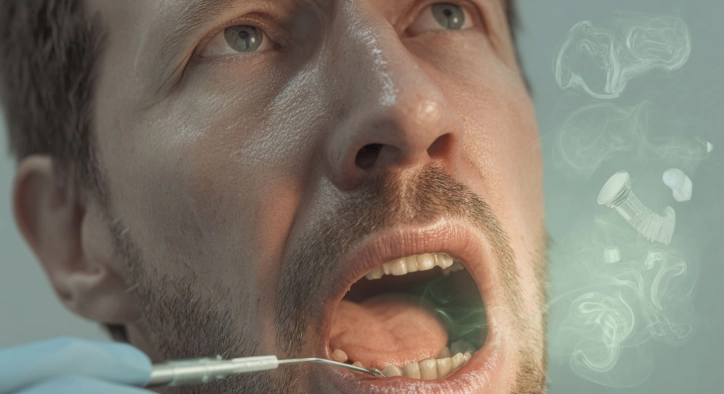
Understanding Bad Breath as a Multifactorial Condition
Bad Breath is not a single problem with a single cause. It is a condition shaped by biology, chemistry, habits, and environment. Researchers often describe bad breath as the outcome of volatile sulfur compounds interacting with oral bacteria. These compounds create odors that the human nose easily detects.
From a scientific perspective, bad breath develops when the balance inside the mouth shifts. Saliva flow, bacterial diversity, tongue texture, and even breathing patterns play roles. This explains why bad breath can appear suddenly or fluctuate throughout the day.
Interestingly, studies analyzing social perception show that people often overestimate their own bad breath. This psychological aspect makes the topic even more complex and deeply human.
Oral Microbiology and the Role of Bad Breath
At the center of bad breath lies oral microbiology. The mouth hosts hundreds of bacterial species, many of which are beneficial. However, certain anaerobic bacteria thrive in low oxygen environments and produce odor causing byproducts.
The tongue surface, especially its back portion, is a primary site linked to bad breath. Its rough texture allows bacteria to accumulate more easily. Dental plaque, food remnants, and dead cells further contribute to this environment.
Scientific observations suggest that bad breath intensity often correlates with bacterial activity rather than cleanliness alone. This distinction explains why people with good brushing habits may still experience bad breath under specific conditions.
Lifestyle Patterns That Influence Bad Breath
Daily routines strongly affect bad breath. Eating patterns, hydration levels, and sleep cycles all influence oral chemistry. Morning bad breath, for example, is associated with reduced saliva flow during sleep rather than poor hygiene.
Certain foods interact with digestion and respiration, indirectly contributing to bad breath. Aromatic compounds can travel from the bloodstream to the lungs, altering breath odor temporarily. This process shows that bad breath is not always limited to the mouth itself.
Stress and prolonged speaking can also dry the mouth, creating conditions where bad breath becomes more noticeable. These factors highlight how lifestyle rhythms shape oral freshness over time.

Medical and Systemic Connections to Bad Breath
Beyond the oral cavity, bad breath sometimes reflects broader physiological processes. The digestive system, respiratory pathways, and metabolic activity can influence breath odor.
Researchers note that specific systemic patterns may coincide with persistent bad breath, although correlations vary widely between individuals. This makes bad breath an interdisciplinary topic spanning dentistry, gastroenterology, and behavioral science.
From an analytical standpoint, understanding bad breath requires looking at the body as an integrated system rather than isolating the mouth. This holistic view is increasingly emphasized in modern dental research.
Psychological and Social Dimensions of Bad Breath
The impact of bad breath extends beyond biology. Social psychology studies reveal that fear of bad breath often exceeds its actual presence. This phenomenon, sometimes described as perceived halitosis, shapes self image and communication behavior.
People concerned about bad breath may speak less, maintain physical distance, or avoid social interactions. These behaviors can reinforce anxiety even when no objective odor exists.
This dimension makes bad breath both a physical and emotional topic. Understanding perception helps explain why education and awareness are as important as clinical evaluation.
How Bad Breath Is Evaluated in Modern Dentistry
Modern dental clinics approach bad breath through observation, analysis, and patient history rather than assumptions. Organoleptic assessment, gas analysis, and microbial studies help professionals understand odor patterns.
Rather than focusing solely on masking bad breath, contemporary dentistry prioritizes identifying contributing factors. This approach recognizes that bad breath varies between individuals and situations.
At Livera Dental Clinic, discussions around bad breath often include oral environment, habits, and patient experience. This reflects a broader trend toward personalized dental insight rather than one size fits all explanations.
Scientific Perspectives on Managing Bad Breath
From a research perspective, bad breath management focuses on balance rather than elimination. The goal is not to remove all bacteria but to maintain a healthy oral ecosystem.
Scientific literature emphasizes saliva dynamics, tongue surface conditions, and microbial diversity when discussing bad breath. These factors explain why results differ between individuals using the same oral care routines.
This evolving understanding positions bad breath as a dynamic condition influenced by time, behavior, and physiology rather than a fixed problem.
The Future of Bad Breath Research
Ongoing studies continue to redefine how bad breath is understood. Advances in microbiome mapping and breath analysis technology offer deeper insight into odor formation.
Future research may allow more precise identification of bad breath patterns, linking them to specific microbial signatures. This data driven approach could reshape how dentistry and medicine discuss breath related concerns.
As science progresses, bad breath is increasingly viewed not as an embarrassment but as a meaningful indicator of oral balance and overall well being.
Rethinking Bad Breath with Knowledge
Bad Breath is far more complex than its reputation suggests. It reflects the interaction of bacteria, lifestyle, psychology, and systemic processes. By exploring bad breath through scientific and social lenses, the topic becomes less stigmatized and more understandable.
This comprehensive perspective encourages curiosity rather than concern. Understanding bad breath empowers individuals to interpret their experiences with greater clarity and confidence.
At Livera Dental Clinic, this knowledge driven approach aligns with a broader commitment to informed dentistry and patient awareness.