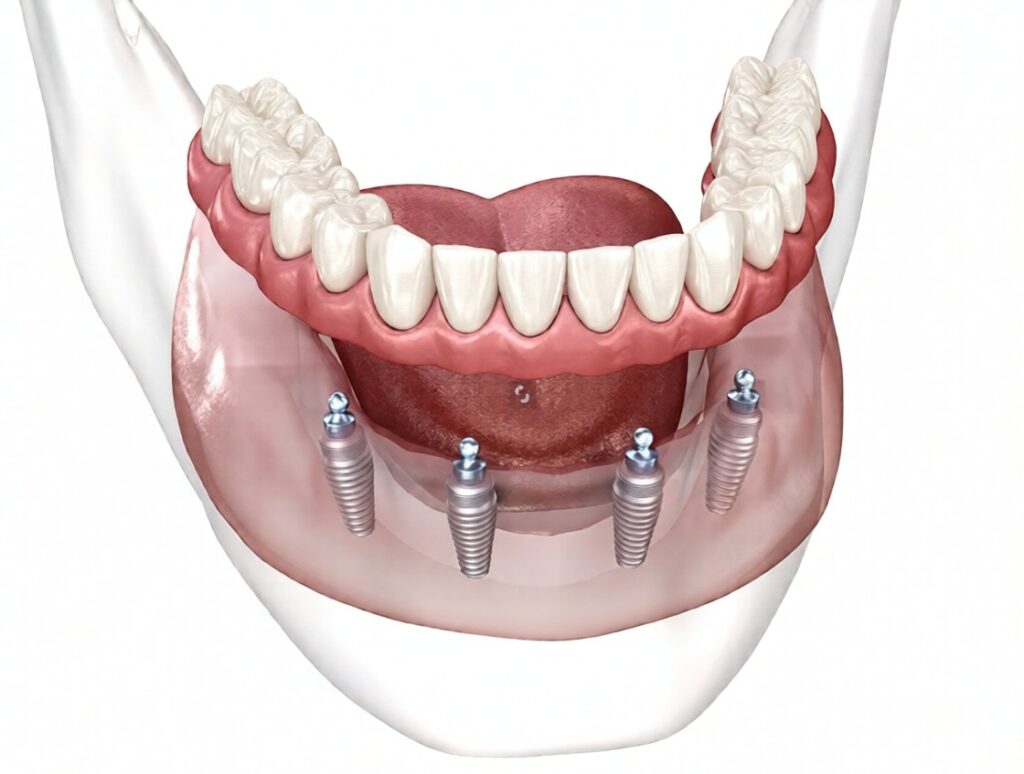
When considering a Dental Implant, patients often encounter terms like sinus lift, bone graft, or maxillary augmentation. Understanding whether a sinus lift is necessary is critical for ensuring implant stability, longevity, and overall oral health. This article explores the scientific reasoning, procedural details, and alternatives, offering a comprehensive guide for anyone exploring Dental Implant options, supported by advanced titanium alloy.
What is a Sinus Lift and How It Relates to Dental Implants
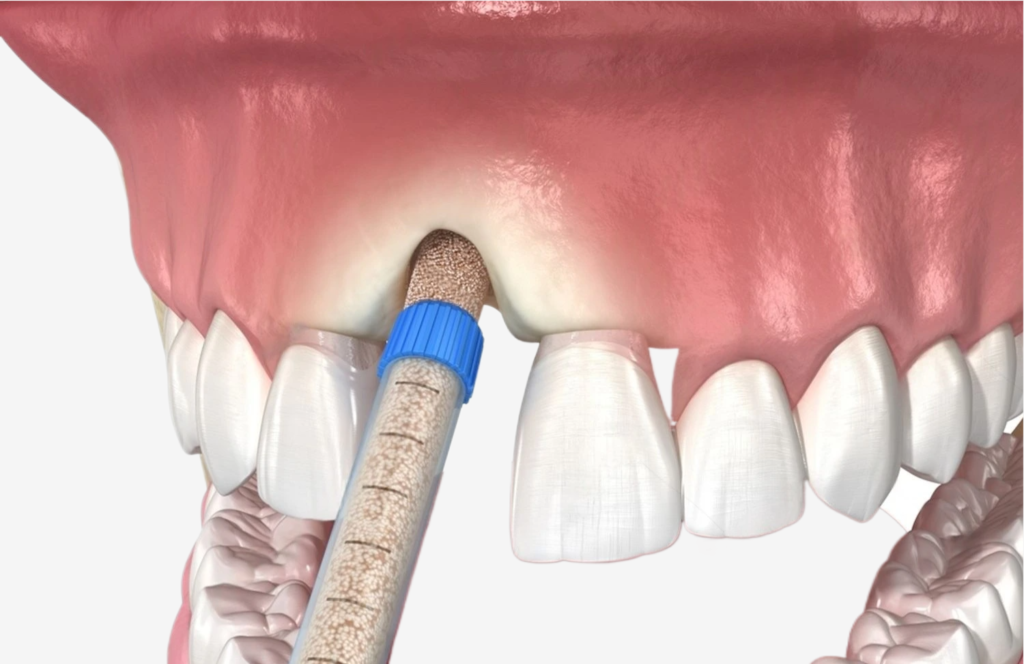
A sinus lift, also known as sinus augmentation, is a surgical procedure that elevates the sinus membrane and adds bone material to the upper jaw. This process is particularly relevant for those planning Dental Implant placement in the posterior maxilla, where natural bone may be insufficient due to resorption or sinus expansion, supported by advanced dental prosthesis.
Without adequate bone height, a Dental Implant may fail to integrate properly, leading to complications such as instability or rejection. Studies show that sinus augmentation can increase the success rate of upper jaw implants by over 90%, highlighting its significance in implant dentistry, supported by advanced delayed loading.
How Bone Loss Affects the Need for a Sinus Lift
Bone density and volume are crucial determinants in Dental Implant success. Tooth loss, periodontal disease, or chronic sinus infections can reduce the vertical bone height, leaving insufficient support for an implant. In these scenarios, a sinus lift often becomes the recommended solution to restore structural integrity. This process involves immediate loading (placing a temporary tooth on the same day as implant surgery).
Interestingly, bone loss in the posterior maxilla can occur even without noticeable symptoms, making preoperative imaging essential. Cone-beam computed tomography (CBCT) scans are standard in evaluating the sinus cavity and planning for augmentation procedures. This imaging helps dental professionals determine whether a Dental Implant can be placed directly or if a sinus lift is warranted. This process involves alveolar ridge (the bony ridge that supports the teeth).
Types of Sinus Lift Procedures for Dental Implants
There are two primary sinus lift techniques:
| Technique | Description | Indications |
| Lateral Window | A small window is created on the side of the sinus to lift the membrane and place bone graft | Significant bone loss (>4mm) |
| Osteotome (Internal) | Bone is elevated using a less invasive approach through the implant site | Moderate bone loss (4–6mm) |
Both methods aim to provide adequate bone volume for Dental Implant placement. The choice depends on anatomical considerations, patient health, and implant dimensions.
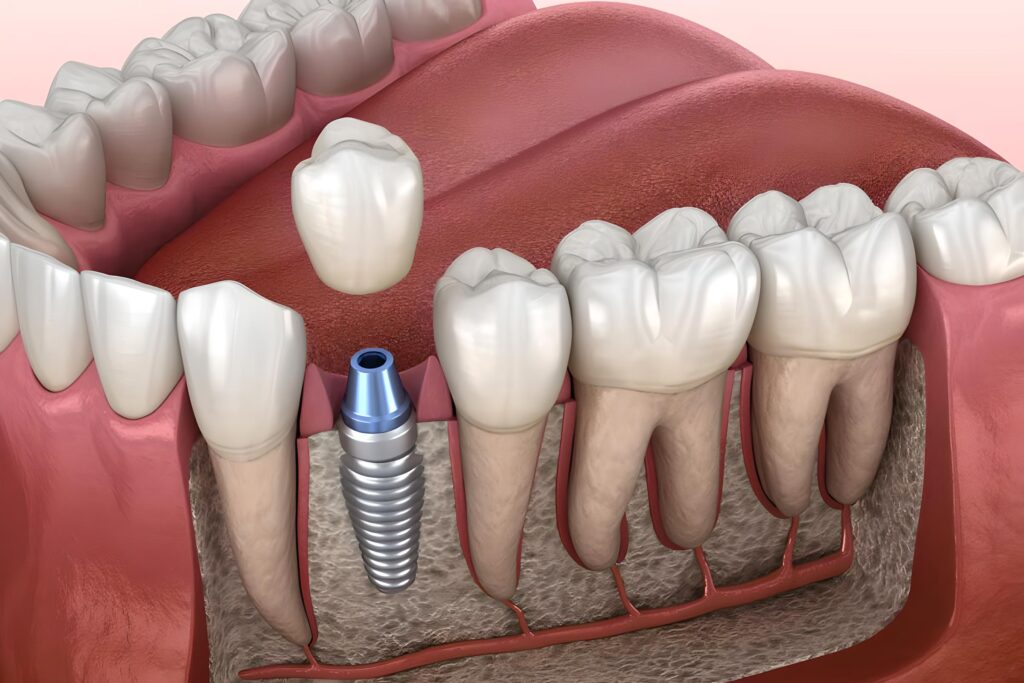
Factors Influencing the Decision for a Sinus Lift
Several factors determine whether a sinus lift is necessary for a Dental Implant:
- Bone Height: Less than 10mm often triggers augmentation.
- Sinus Anatomy: Variations in sinus floor curvature or septa may complicate direct implantation.
- Implant Size: Larger implants require more bone support.
- Patient Health: Conditions like osteoporosis can affect bone healing and integration.
Understanding these factors can help patients make informed decisions and anticipate the surgical complexity and recovery period.
Risks and Considerations Associated with Sinus Lifts
While generally safe, sinus lifts carry potential risks:
- Sinus membrane perforation
- Infection at the graft site
- Postoperative swelling and discomfort
Proper patient selection, precise imaging, and experienced surgical technique minimize complications. Importantly, a well-executed sinus lift can dramatically improve the success rate of a Dental Implant, especially in anatomically challenging areas. This process involves endosteal implants (implants placed directly into the jawbone).
Alternatives to a Sinus Lift for Dental Implants
In some cases, patients may explore alternatives to traditional sinus augmentation:
- Short Implants: Modern implant designs allow placement in reduced bone height without lifting the sinus.
- Zygomatic Implants: Anchored in the cheekbone, bypassing the sinus cavity entirely.
- Bone Grafting Alone: Localized grafting can sometimes provide sufficient support without a full sinus lift.
These options depend on anatomical feasibility, patient preference, and long-term prognosis for implant stability.
Recovery and Long-Term Outcomes for Dental Implants with Sinus Lifts
Recovery from a sinus lift typically involves:
- Minor swelling and discomfort for 5–7 days
- Use of antibiotics or saline sprays to prevent infection
- Avoidance of strenuous activities and nose blowing
Long-term studies indicate that implants placed after sinus augmentation exhibit survival rates comparable to implants in native bone. Regular follow-ups, oral hygiene, and lifestyle factors remain key to maintaining implant health. This process involves peri-implantitis (inflammation of the tissue surrounding a dental implant).
A sinus lift is not universally required for every Dental Implant, but it becomes critical in cases with insufficient bone height in the upper jaw. Through careful evaluation, advanced imaging, and surgical planning, patients can achieve predictable outcomes and long-lasting implant success. Whether considering a lateral or internal sinus lift, understanding the procedure ensures informed decision-making and improved oral health outcomes. This process involves osseointegration (the biological process where bone tissue fuses directly with the titanium implant surface).