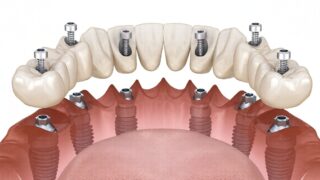
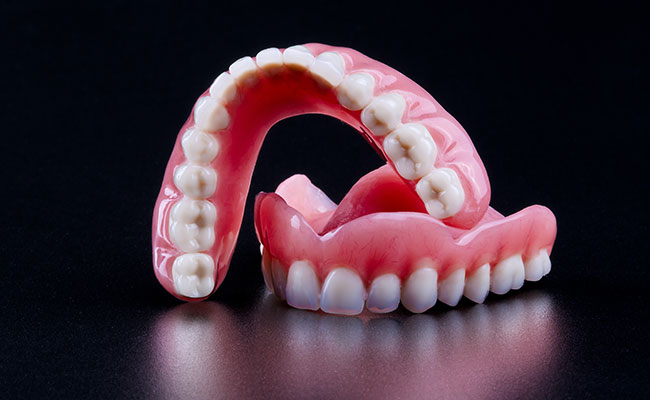
Dental prostheses have become a central concept in modern dentistry because they sit at the intersection of function, aesthetics, and everyday comfort. From the very first sentence, dental prostheses invite curiosity not only about how missing or damaged teeth are replaced, but also about how science, craftsmanship, and human adaptation come together. Rather than being a single product or fixed solution, dental prostheses represent a broad category shaped by materials, techniques, and individual needs.
At their core, dental prostheses are designed to replicate natural teeth in appearance and function. Yet this definition only scratches the surface. Over time, the meaning of dental prostheses has evolved, influenced by technological advances, shifting expectations, and deeper understanding of oral biomechanics. Today, they are discussed not only as restorative tools, but also as elements that interact with speech, facial structure, and self perception.
This first part explores the foundations of dental prostheses, focusing on what they are, why they exist, and how their role has expanded. Instead of treating them as static objects, the discussion approaches dental prostheses as dynamic outcomes of design, biology, and human behavior.
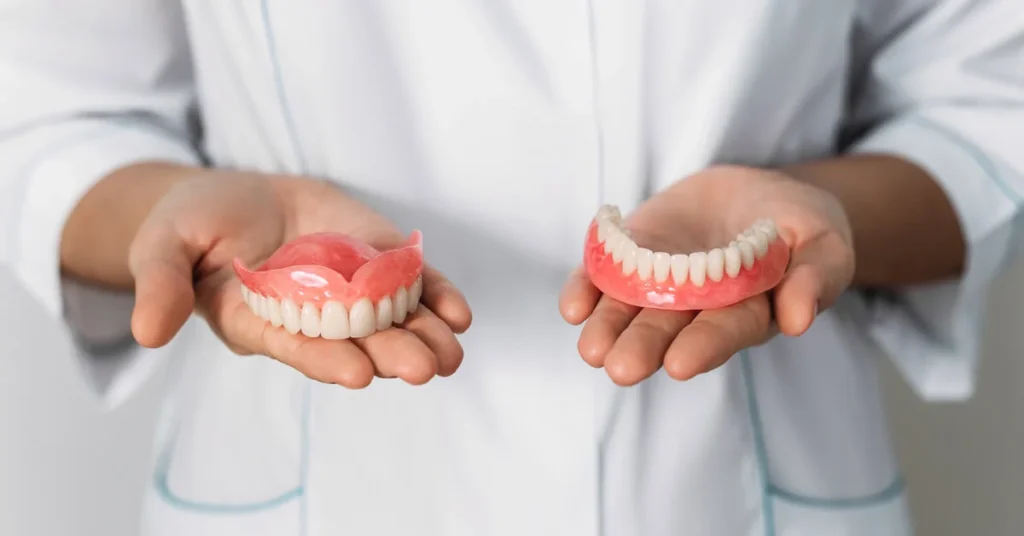
Dental Prostheses as a Concept in Modern Dentistry
The idea behind dental prostheses is rooted in substitution and balance. When natural teeth are compromised or absent, the oral system adapts. Chewing patterns shift, adjacent teeth move, and even facial symmetry can subtly change. Dental prostheses emerge as a response to these changes, aiming to restore equilibrium rather than simply fill space.
Historically, early forms of dental prostheses were crafted from basic materials and focused primarily on appearance. Over centuries, the emphasis gradually expanded to include durability and function. This historical progression explains why modern dental prostheses are discussed in such nuanced terms. They are no longer viewed as mere replacements, but as integrated components of the oral environment.
In contemporary discussions, dental prostheses are often described using terms like dental restorations, artificial teeth, or prosthetic teeth. These related expressions reflect the same core idea while highlighting different perspectives. Some emphasize structure, others focus on purpose. Together, they show how language around dental prostheses mirrors their complexity.
How Dental Prostheses Fit into Oral Function
Understanding dental prostheses requires looking beyond individual teeth. The mouth functions as a coordinated system involving muscles, joints, and sensory feedback. When a tooth is lost, this system compensates. Dental prostheses are designed to participate in that compensation process rather than disrupt it.
From a biomechanical standpoint, dental prostheses interact with bite forces and pressure distribution. Even subtle differences in shape or alignment can influence how force travels through the jaw. This is why discussions around dental prostheses often reference precision, customization, and adaptation rather than standardization.
Equally important is perception. The presence of dental prostheses can affect how a person experiences eating, speaking, or smiling. These experiences are subjective and vary widely. As a result, dental prostheses are not evaluated solely by technical criteria, but also by how naturally they blend into daily life.
Types of Dental Prostheses and Their General Roles
While this article avoids rigid classifications, it is useful to acknowledge that dental prostheses appear in multiple forms. Each form exists because different oral situations require different approaches. Fixed solutions, removable options, and hybrid designs all fall under the umbrella of dental prostheses.
What unites these variations is intention rather than structure. All dental prostheses aim to recreate aspects of natural teeth, whether that means restoring chewing efficiency, supporting facial contours, or maintaining spacing. The diversity within dental prostheses reflects the diversity of human mouths, habits, and expectations.
This diversity also explains why dental prostheses are frequently discussed alongside materials science. Metals, ceramics, polymers, and composite materials each contribute unique properties. The selection of materials shapes how dental prostheses feel, age, and interact with surrounding tissues.
The Evolution of Dental Prostheses Materials
Materials play a defining role in how dental prostheses are made and understood. Early materials prioritized availability, while modern materials emphasize compatibility and longevity. This shift mirrors broader trends in medical and dental innovation.
Ceramic based dental prostheses, for example, are often associated with aesthetics because of their resemblance to natural enamel. Metal based prosthetic teeth highlight strength and stability. Composite materials bridge these qualities, offering balance. These material choices are not arbitrary. They reflect accumulated research, experimentation, and clinical observation related to dental prostheses.
Importantly, material evolution has also changed expectations. As dental prostheses become more refined, people expect them to feel less noticeable and more intuitive. This expectation feeds back into design processes, pushing innovation forward.
Cultural and Psychological Dimensions of Dental Prostheses
Beyond science and engineering, dental prostheses carry cultural meaning. Teeth are closely tied to identity, communication, and expression. The decision to use dental prostheses often intersects with emotions such as confidence, self awareness, and adaptation.
Sociological studies suggest that attitudes toward dental prostheses vary across cultures and generations. In some contexts, they are viewed as practical tools. In others, they are symbols of aging or transformation. These perceptions influence how openly dental prostheses are discussed and how individuals relate to them.
Psychologically, the adjustment period associated with dental prostheses can be as significant as the physical adaptation. Learning to speak, chew, or smile with a prosthetic element involves sensory recalibration. This highlights why dental prostheses are best understood as experiences, not just objects.
Setting the Stage for How Dental Prostheses Are Made
To ask how dental prostheses are made is to ask how multiple disciplines intersect. Craftsmanship, digital technology, anatomy, and material science all contribute to the process. However, before examining techniques and workflows, it is essential to understand the philosophy behind creation.
Modern dental prostheses are rarely generic. They are shaped by impressions, measurements, and iterative refinement. This approach reflects a broader shift toward personalization in healthcare. Dental prostheses exemplify how tailored solutions can emerge from standardized principles.
As this first part shows, dental prostheses are not simply outcomes. They are responses to biological, functional, and cultural factors. In the next section, attention will move closer to the making process itself, exploring how observation, planning, and technology begin to transform the concept of dental prostheses into tangible form.
Dental Prostheses and the Planning Phase Before Production
Dental prostheses do not begin with materials or machines. They begin with planning. This phase is often invisible to the outside observer, yet it shapes everything that follows. Before any physical form exists, dental prostheses are imagined, mapped, and adjusted within a conceptual framework that balances anatomy, movement, and expectation.
Planning revolves around understanding how the mouth currently functions and how it might adapt. Teeth do not operate in isolation. They interact with jaw movement, muscle coordination, and habitual patterns such as chewing or speaking. Because of this, dental prostheses are planned with attention to how they will integrate into an existing system rather than override it.
This stage also highlights why dental prostheses are not identical even when they appear similar. Small variations in bite dynamics or spacing can influence the overall design. As a result, planning becomes an interpretive process where observation and analysis guide decisions long before fabrication begins.
Digital Technologies Shaping Dental Prostheses Design
In recent years, digital tools have become deeply connected to how dental prostheses are designed. Scanning technologies, virtual modeling, and simulation software allow for highly detailed visualization. These tools do not replace human judgment, but they expand what can be observed and adjusted during the design phase.
Digital impressions capture contours and relationships with remarkable accuracy. This information feeds into software environments where dental prostheses can be shaped virtually. Adjustments to size, alignment, or surface texture can be explored without physical constraints. This flexibility has reshaped expectations around precision.
At the same time, digital workflows influence communication. Designers, technicians, and clinicians can collaborate more fluidly when discussing dental prostheses. Visual models provide a shared reference point, reducing ambiguity and supporting more nuanced decisions.
Traditional Craftsmanship and Dental Prostheses
Despite technological advances, craftsmanship remains central to dental prostheses. Many aspects of production still rely on tactile skill and experiential knowledge. Hand finishing, layering, and polishing contribute to the final outcome in ways that software alone cannot replicate.
This blend of old and new highlights an important aspect of dental prostheses. They are not purely industrial products. They sit somewhere between engineering and art. The technician’s experience influences subtle details such as contour transitions and surface character.
Traditional techniques also play a role in adapting dental prostheses to real world conditions. No digital model can fully predict how materials will feel or behave over time. Hands on refinement allows for responsiveness that complements digital planning.
Materials Selection in Dental Prostheses Production
Material selection is one of the most discussed elements of dental prostheses, yet it is often misunderstood. Materials are chosen not only for strength or appearance, but for how they interact with surrounding tissues and daily use.
Ceramics, metals, and composite materials each bring different properties to dental prostheses. Ceramics are often associated with light transmission and surface smoothness. Metals contribute structural stability. Composites offer versatility and adaptability. The choice reflects priorities rather than hierarchy.
What makes material selection complex is that dental prostheses must perform under constant stress. Temperature changes, moisture, and repetitive force all influence longevity. This is why discussions about dental prostheses frequently return to balance rather than perfection.
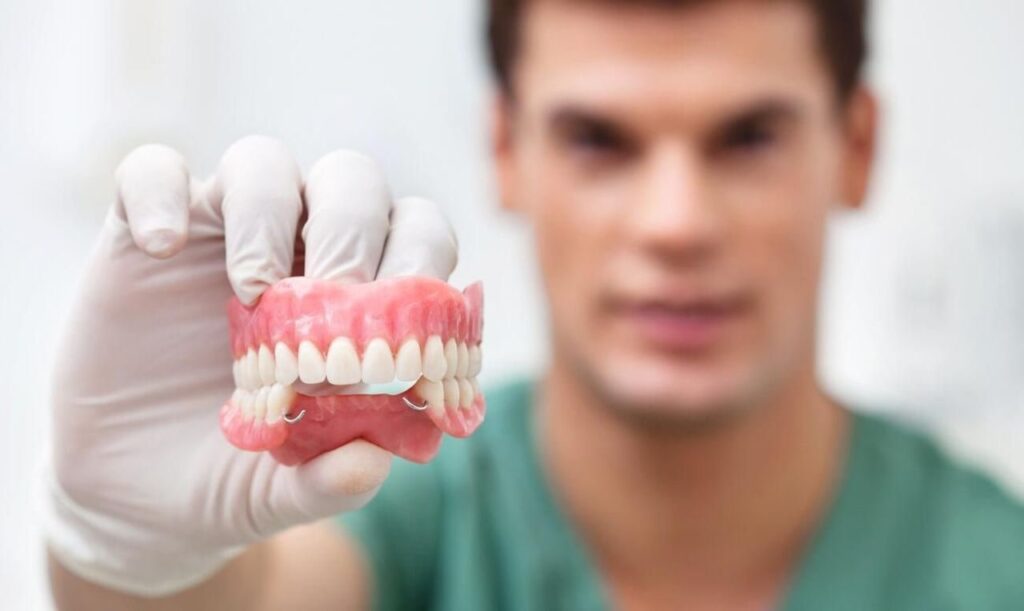
The Role of Iteration in Dental Prostheses Creation
One defining feature of how dental prostheses are made is iteration. Rarely does the first version represent the final form. Adjustments occur as new observations emerge, whether during fitting, testing, or feedback.
Iteration acknowledges that dental prostheses exist within living systems. The mouth responds, adapts, and sometimes resists change. Refinement allows the prosthesis to evolve in response to these dynamics rather than impose a fixed outcome.
This process also reflects a broader philosophy within dentistry. Dental prostheses are not endpoints. They are part of an ongoing relationship between design, function, and experience. Iteration keeps that relationship flexible.
How Dental Prostheses Reflect Individual Variation
No two mouths are identical, and dental prostheses reflect this reality. Variations in bone structure, muscle tone, and habitual movement patterns influence design decisions at every stage.
This individuality challenges the idea of universal solutions. Instead, dental prostheses are often discussed in terms of adaptation. They adapt to anatomy, lifestyle, and expectation. This adaptability is one reason why production processes remain complex despite technological standardization.
Individual variation also affects perception. What feels natural to one person may feel foreign to another. Understanding this helps explain why dental prostheses are evaluated subjectively as well as technically.
Preparing for the Final Form of Dental Prostheses
As production progresses, dental prostheses gradually transition from concept to object. Each stage builds on the previous one, integrating planning, material choice, and craftsmanship. The result is not simply a replacement, but a constructed presence designed to coexist with the body.
This preparation phase sets the stage for the final transformations that occur before placement and use. It also reinforces a key idea. Dental prostheses are processes as much as products.
In the next part, the focus will move toward how dental prostheses enter everyday life, examining adjustment, perception, and long term interaction once production is complete.