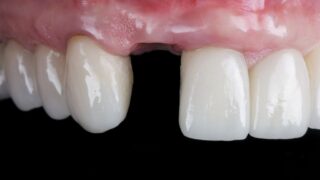
When considering dental implants, one of the most common questions patients ask is: how many implants can be placed in a single session? This question is crucial, especially for those looking for a full-mouth restoration or multiple teeth replacement. Dental implants are not only a dental procedure they are an investment in oral function, aesthetics, and long-term oral health. Understanding the limits, procedures, and risks associated with placing multiple implants can help patients make informed decisions.
Understanding Dental Implants and Their Purpose
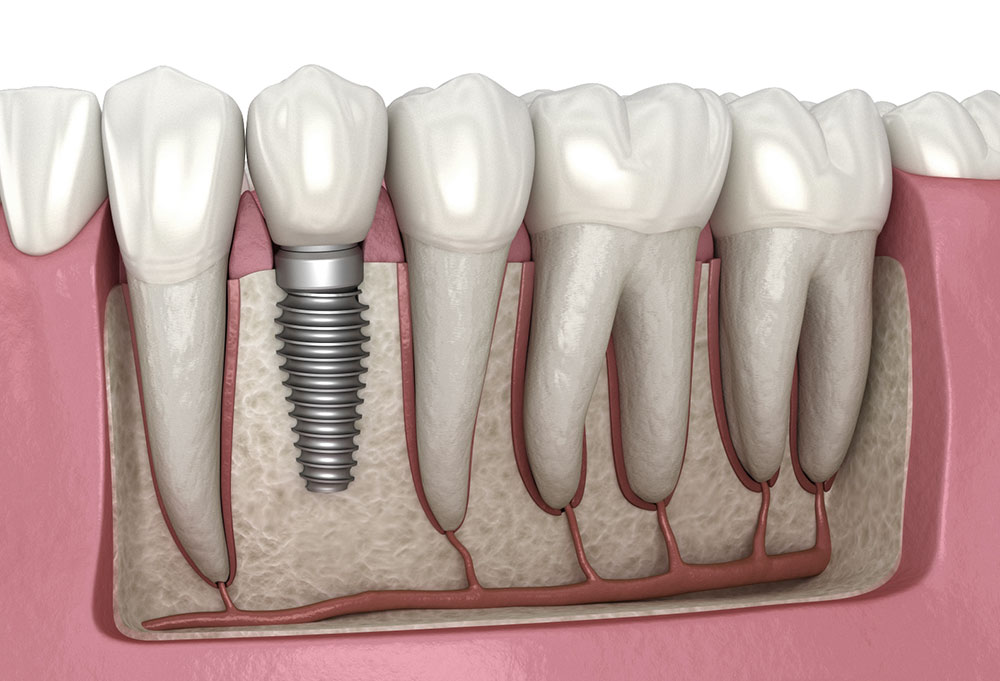
Dental implants are titanium or zirconia posts surgically placed into the jawbone to serve as a stable foundation for artificial teeth. They mimic the root of a natural tooth, providing support for crowns, bridges, or dentures. Unlike traditional dentures, implants integrate with the bone through a process called osseointegration, offering stability and preventing bone loss.
The number of dental implants a person might need depends on several factors, including oral health, jawbone quality, and the number of missing teeth. While a single implant is straightforward, multiple implants require careful planning to ensure proper spacing, alignment, and load distribution.
Factors Influencing How Many Dental Implants Can Be Placed at Once
Not everyone can receive multiple implants in one session. Several variables influence this decision:
- Jawbone Density and Quality
Patients with sufficient bone density can often receive multiple dental implants without additional grafting. Weak or thin bone may require bone augmentation procedures before multiple implants can be placed. - Overall Health Status
Medical conditions such as uncontrolled diabetes, immune deficiencies, or bleeding disorders may limit the number of implants a dentist recommends in a single session. - Surgical Time and Patient Comfort
Placing several implants in one session increases surgical time and recovery demands. Dentists often balance the number of implants with the patient’s tolerance for surgery and post-operative care. - Type of Prosthetic Plan
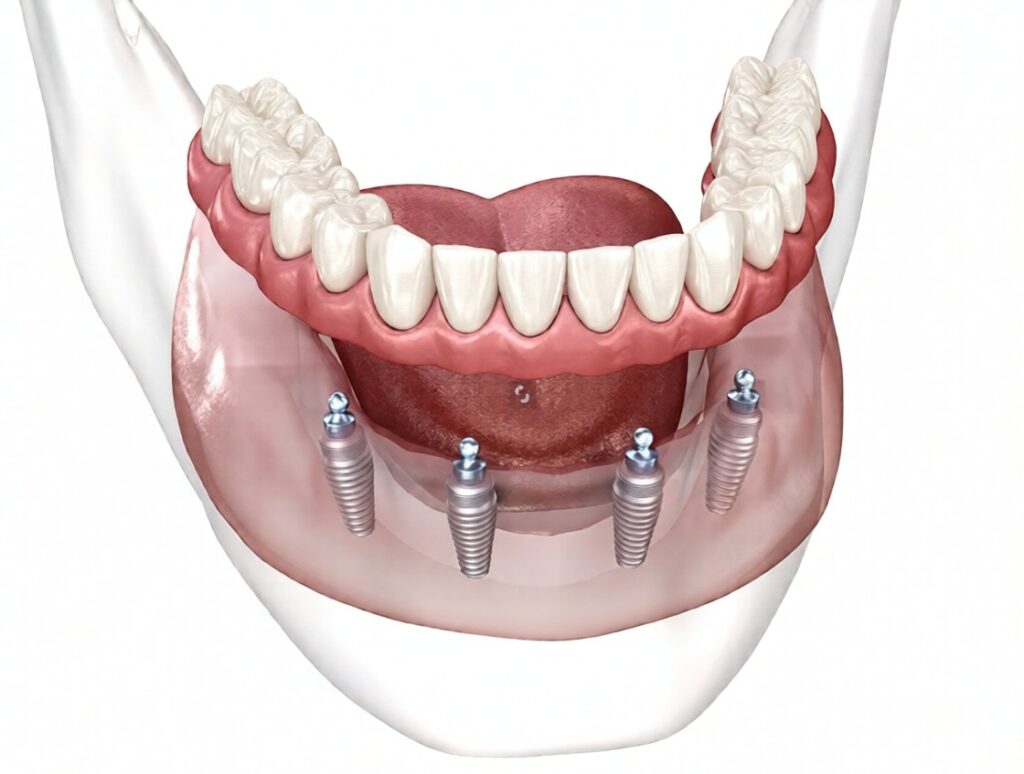
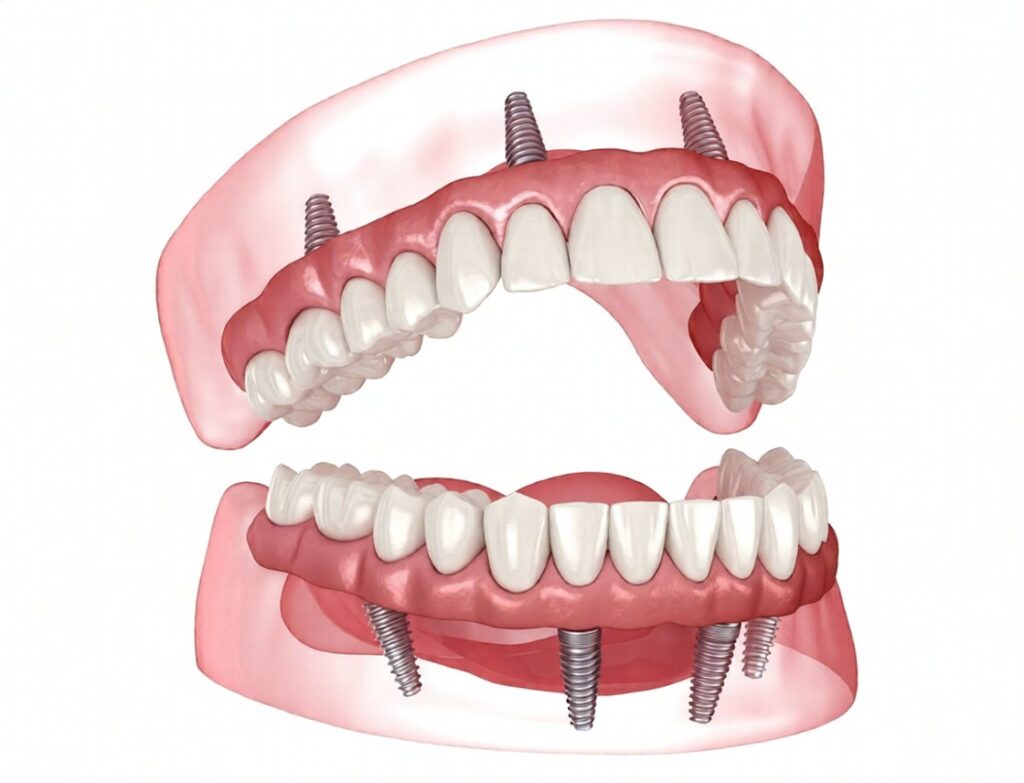
Full-mouth restorations, such as All-on-4 or All-on-6 systems, are designed to support multiple teeth on a fewer number of implants, whereas individual replacements may require one implant per missing tooth.
Single vs. Multiple Dental Implants: What’s the Difference?
Dental implants can be placed individually or in groups, depending on the patient’s needs.
- Single Implant Placement: Ideal for isolated tooth loss. Procedure time is shorter, and recovery is simpler.
- Multiple Implant Placement: Suitable for bridges or full-arch restorations. Advanced imaging techniques, such as CBCT scans, help plan implant positioning to avoid nerves and sinuses.
Studies show that multiple dental implants placed simultaneously can have similar success rates to single implants if proper planning and surgical protocols are followed. However, the complexity increases with the number of implants.
Full-Arch Implant Solutions: All-on-4 and All-on-6
Innovations in implant dentistry now allow full-mouth rehabilitation with fewer implants. The All-on-4 and All-on-6 techniques use strategic implant placement to support an entire arch of teeth.
- All-on-4: Four implants per jaw are angled to maximize support and reduce the need for bone grafting.
- All-on-6: Six implants provide extra stability, particularly for patients with higher bite forces or larger jaws.
These methods allow patients to receive multiple dental implants in one session, often combined with temporary prostheses for immediate function.
Recovery Considerations After Multiple Dental Implants
Recovery after placing multiple implants differs from a single implant procedure. Key considerations include:
- Healing Time
Osseointegration typically takes 3–6 months, regardless of the number of implants. However, more implants may lead to increased initial swelling and soreness. - Dietary Adjustments
Soft foods are recommended initially. Patients receiving full-arch implants may need longer adaptation periods for chewing. - Follow-Up Care
Regular follow-ups ensure that implants integrate properly and that soft tissues heal without complications. Dentists monitor for infection, implant stability, and prosthetic fit.
Risks and Limitations of Placing Multiple Dental Implants in One Session
While it’s possible to place many dental implants in a single session, certain risks exist:
- Surgical Stress: Longer procedures can increase fatigue for both patient and surgeon.
- Increased Swelling and Discomfort: Multiple implant sites can lead to more extensive post-operative symptoms.
- Higher Infection Risk: More surgical sites may elevate the risk of bacterial contamination if strict protocols aren’t followed.
Dental professionals carefully assess these factors and often recommend staging implant placement for patients with higher surgical risk.
Planning and Technology in Modern Dental Implant Procedures
Advanced digital planning tools have revolutionized how many implants can be safely placed at once. CBCT scans, 3D-printed surgical guides, and virtual treatment simulations allow dentists to plan:
- Optimal implant positioning
- Angulation to maximize bone support
- Avoidance of nerves and sinus cavities
Such precision enhances the predictability of outcomes and allows multiple implants to be placed efficiently and safely.
How Many Dental Implants Can Be Placed at Once?
There is no universal answer to this question—it depends on individual anatomy, health status, and treatment goals. For many patients, multiple implants can be successfully placed in a single session using advanced planning and modern techniques. Systems like All-on-4 and All-on-6 provide full-arch solutions that minimize surgery while maximizing function and aesthetics.
Ultimately, decisions about the number of dental implants per session should be personalized, combining careful diagnostic evaluation, patient comfort, and clinical expertise. With proper planning, the dream of restoring multiple missing teeth in one visit is achievable.